

Studeničani: 35-year-old dies after being electrocuted while washing his car with a pressure washer
18.09.2026


18.09.2026
18.09.2026

18.09.2026
18.09.2026

18.09.2026
18.09.2026
18.09.2026

17.09.2026

16.09.2026
18.09.2026

18.09.2026

17.09.2026

18.09.2026
18.09.2026

18.09.2026
18.09.2026
17.09.2026

16.09.2026
18.09.2026

18.09.2026
18.09.2026

18.09.2026
17.09.2026

17.09.2026

09.03.2026

27.02.2026

19.02.2026
18.09.2026
17.09.2026
16.09.2026

23.04.2026

23.04.2026

12.04.2026

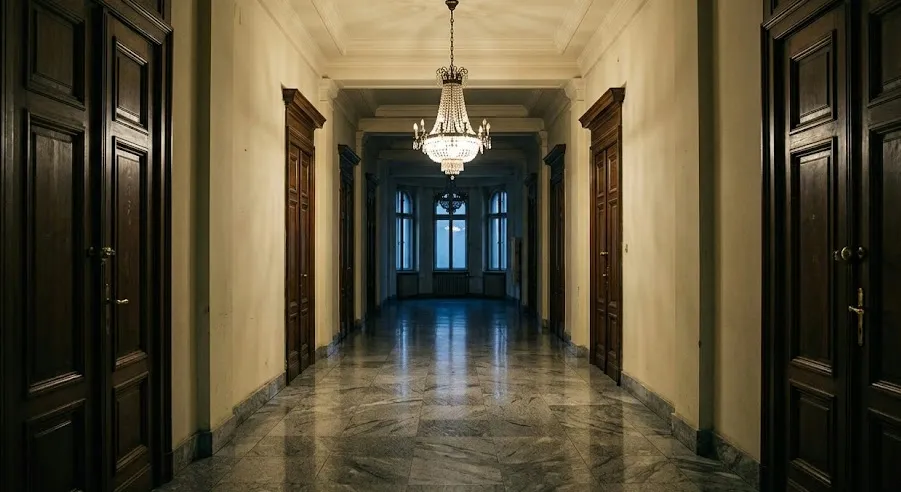
Forty years have passed since the SANU Memorandum - the 1986 document that unlocked the „previously controlled layers of the Yugoslav legacy" and set off a process whose consequences we are living today. From Milošević to Vučić, the model of power has stayed simple: a permanent coup.
The Serbian Academy of Sciences and Arts published a Memorandum that academically formalised the ethnic resentments that, ten years later, would produce five wars in the Balkans. Milošević put it to use - through constitutional changes, economic manipulation, takeovers of the media. At the time it looked like „radical but contained" politics. Today we know it was the first model of what we now call the „institutional coup".
It's a style of rule in which the institutions formally exist - parliament, judiciary, media - but in practice are hollowed out. Parliament votes, but there is no debate. Courts hand down verdicts, but there is no independence. Media publish, but there is no information. On paper it all looks like a system. In reality it is a center where every string leads to a single cabinet.
Vučić refined the model. He turned the classic Milošević style into what commentators call „hooligan syndrome" - dialogue isn't negotiation but confrontation. With the opposition, with students, with the media, with the EU - the same tone with everyone. Never „let's discuss". Always „there is our line and your line, which is bigger".
The institutional devastation in Serbia has concrete markers. A captured state media. Parallel academic structures - the founding of a new state university that critics dubbed a „parallel universe", echoing the Albanian separatist tactics of the 1990s. The arrest of Belgrade's police chief, a former Vučić advisor on corruption, as a symbol of how anti-corruption institutions themselves function as part of the criminal networks.
For the Balkan reader, none of this is foreign. It's a story that repeats across the region with small variations. We've seen similar processes in Macedonia under Gruevski, in Montenegro under Đukanović in his last years. Orbán's Hungary is a European variation of the same pattern. The question still unresolved is whether these systems are sustainable, or just delayed catastrophe. The SANU Memorandum did one thing it wasn't designed for: it created a template. And the template is now being copied.
The latest 10 news from this category
The call was about damaged furniture on a terrace. Armin Dzutovic died three days later. The internal investigation found first...
Four KLA leaders received 81 years in prison, and Albania's parliament immediately adopted a declaration calling the verdict unjust. The...
The court established responsibility for 96 killed, 303 tortured and 385 unlawfully detained. The prosecution asked for 45 years. Serbia...
Thaci and Krasniqi got 25 years each, Veseli 18, Selimi 13. The court established 385 unlawfully detained, 303 tortured and...
"If it is acceptable to the participants" - that is the entire offer. What gets negotiated is the format, not...
Thousands walked from the Rectorate to the electoral commission, and the signatures had to be queued for all weekend because...
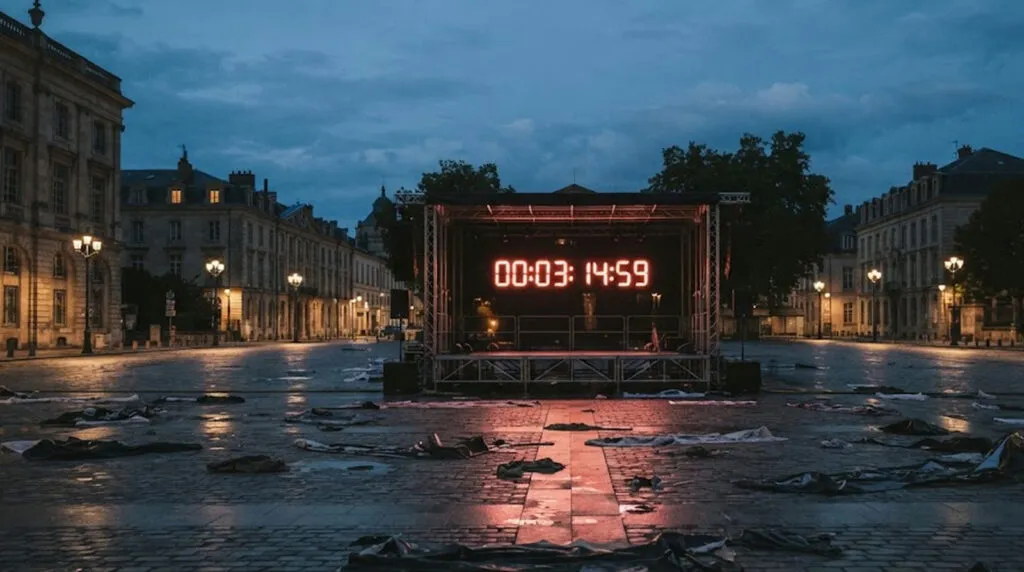
Thousands of people under a digital clock and a banner asking for them to be found innocent. On Wednesday The...
The ruling list sailed through without a single problem, the student list was left waiting in line. Nobody banned anything...
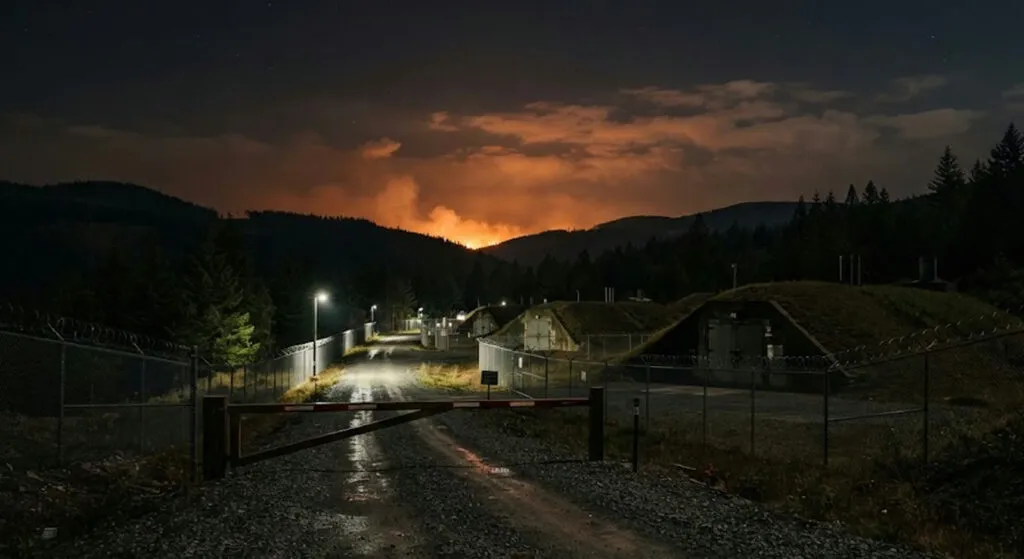
The same firm that supplied ammunition to Ukraine for years is burning for the second time in a month. Seven...
A third attempt in three years, but this time the signatures came from the government benches too. Six MPs from...
This site uses cookies - is that okay? Learn more
Be the first to know when Metla launches something new
Leave your email and we will write when there is a new guide or something new on Metla.
