Three of Four Sensors Were Dead: Skopje's Vodno Cable Car Ran Fifteen Years Without a Real Service
17.09.2026


17.09.2026

17.09.2026
17.09.2026

17.09.2026

17.09.2026
17.09.2026

17.09.2026

16.09.2026

15.09.2026

17.09.2026

17.09.2026

16.09.2026
17.09.2026

17.09.2026

17.09.2026

17.09.2026

16.09.2026

15.09.2026

17.09.2026

17.09.2026

17.09.2026

17.09.2026

17.09.2026

17.09.2026

09.03.2026

27.02.2026

19.02.2026

23.04.2026

23.04.2026

12.04.2026

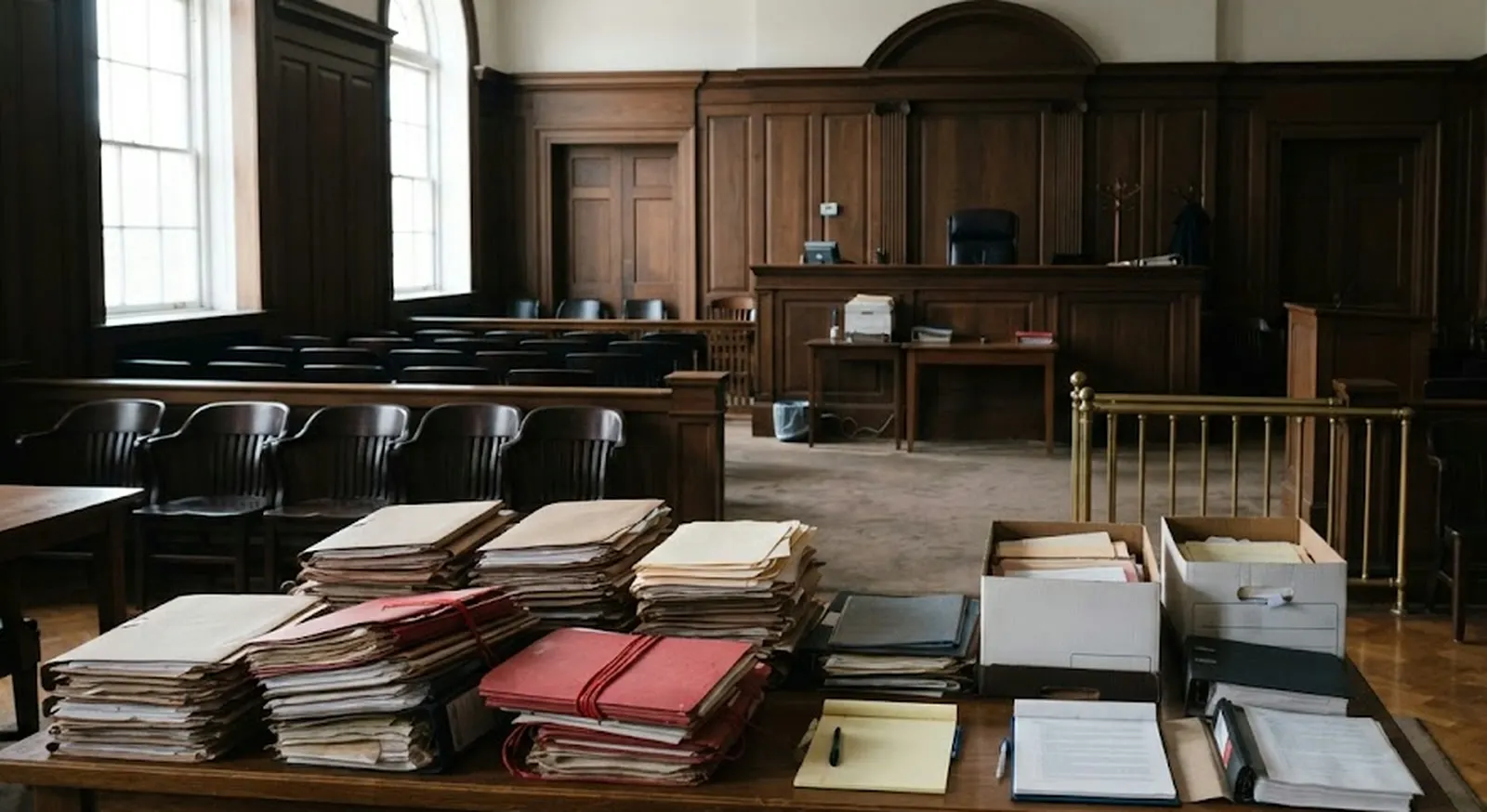
Ninety-four years in prison, divided among seven men. That is the sentence handed down by the County Court in Split for war crimes against civilians in the Šibenik area. Among those convicted is former Yugoslav People's Army general Borislav Đukić, alongside six one-time commanders of Serb forces and officials of the Knin police.
Đukić received sixteen years. So did Jovan Grubić, Milan Radić and Petar Andrić. Vladimir Davidović and former Knin police secretaries Ilija Prijić and Slobodan Vujko received ten years each. According to presiding judge Zoran Ivanišević, the first four were convicted „for active participation and issuing orders”, and the other three because they neither prevented nor prosecuted crimes committed by their subordinates.
The numbers behind the verdict
The indictment covers the period from August 1991 to 4 August 1995 - artillery and infantry attacks on civilian settlements. According to the verdict, the crimes took 118 civilian lives. Five women were sexually assaulted, and in seven cases it was an attempt. Prosecutors presented evidence from 450 witnesses and over 3,000 documents.
Thirty-one years from the first of those attacks to the verdict. Thirty-one. That is enough time for a child born in 1991 to grow up, finish university, emigrate and come back - with the court still not having said what happened to their relative.
Justice that arrives too late to be consolation
The verdict is not final and an appeal is all but guaranteed. Some of those convicted, as in many such proceedings in the region, are beyond the reach of the authorities. And here is the question few ask out loud: how many of these sentences will actually be served?
The Balkans have an entire archive of verdicts like this. The numbers differ, the names differ, but the structure is the same - a long trial, high figures in years of imprisonment, then a quiet phase in which it is decided who will serve where and under what conditions. Trials for the nineties are held three decades later, when some witnesses are gone and some of the convicted are old men.
Why this matters beyond Šibenik
Every such verdict in the region is also a message to neighbouring judiciaries: the files are not closed simply because decades have passed. That holds for all sides in those wars, without exception. Institutions either finish the job, or they confirm that time is the best defence counsel a wartime commander can have.
Four hundred and fifty witnesses and three thousand documents is not a symbolic figure - it is a workload that takes years and costs money. The question is whether that work ends with a sentence someone actually serves, or with one more volume in the region's archive.
The latest 10 news from this category
The court established responsibility for 96 killed, 303 tortured and 385 unlawfully detained. The prosecution asked for 45 years. Serbia...
Thaci and Krasniqi got 25 years each, Veseli 18, Selimi 13. The court established 385 unlawfully detained, 303 tortured and...
"If it is acceptable to the participants" - that is the entire offer. What gets negotiated is the format, not...
Thousands walked from the Rectorate to the electoral commission, and the signatures had to be queued for all weekend because...
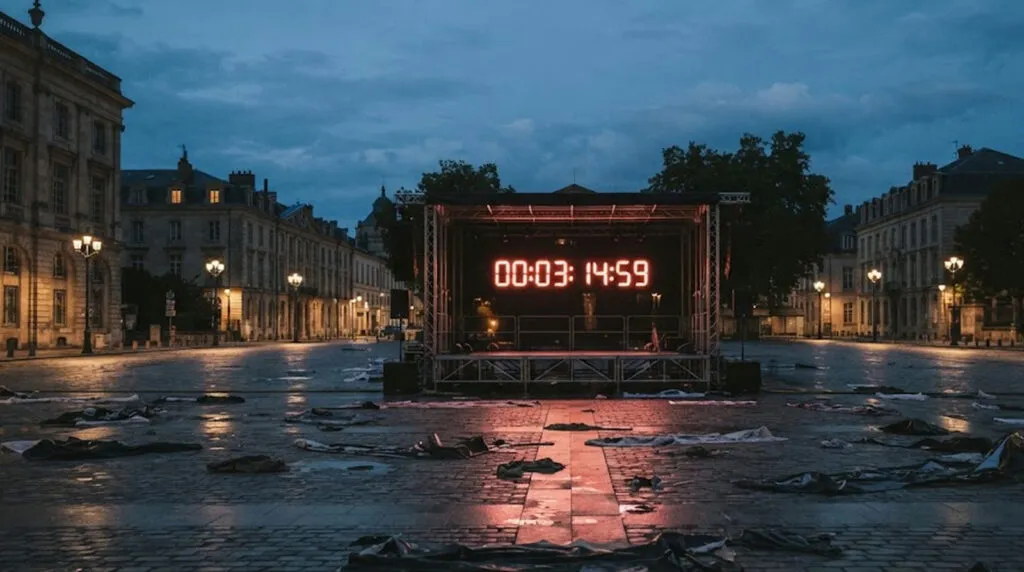
Thousands of people under a digital clock and a banner asking for them to be found innocent. On Wednesday The...
The ruling list sailed through without a single problem, the student list was left waiting in line. Nobody banned anything...
The same firm that supplied ammunition to Ukraine for years is burning for the second time in a month. Seven...
A third attempt in three years, but this time the signatures came from the government benches too. Six MPs from...
Four days before the Hague verdict, the square in Pristina told the court it should back down. Among the guests...

Nobody banned anything - the line item simply stopped paying for itself. That is the purest version of modern censorship,...
This site uses cookies - is that okay? Learn more
Be the first to know when Metla launches something new
Leave your email and we will write when there is a new guide or something new on Metla.