


Four Injured in Crash With Police Vehicle Near Kicevo: The Statement Says Everything Except Who Is at Fault
28.08.2026


28.08.2026

28.08.2026

28.08.2026

28.08.2026

28.08.2026

28.08.2026

28.08.2026

27.08.2026

26.08.2026

28.08.2026

28.08.2026

27.08.2026
28.08.2026

28.08.2026

28.08.2026

28.08.2026

27.08.2026

26.08.2026

28.08.2026

28.08.2026

28.08.2026

28.08.2026

28.08.2026
27.08.2026

09.03.2026

27.02.2026

19.02.2026

28.08.2026

27.08.2026

26.08.2026

23.04.2026

23.04.2026

12.04.2026
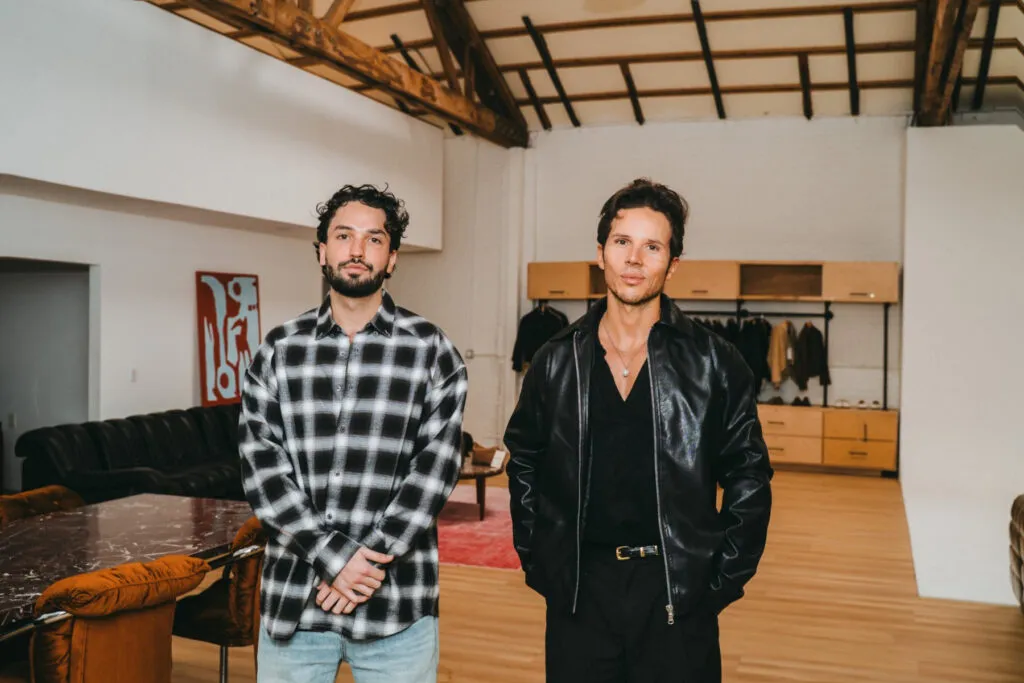
The startup Atorie raised 9.5 million dollars (around 8.7 million euros) in seed funding on a promise the luxury industry spent years pretending was impossible: a product that comes out of the big labels' factory, but without their tag on it. An Italian leather bag for a few hundred dollars instead of a few thousand.
The investors include a16z speedrun, Night Capital and Jeremy Liew of Lightspeed Ventures. The company is run by Redouane Ramdani and Luis Angulo, and Ramdani insists what they sell are not copies. "Same material, same craftsmanship. It comes from the same factories," he says. He does not want the fast fashion label either: "That is slow," he explains.
The change is at the factories, not the buyers
Ramdani previously built the platform Snipfeed, sold in 2024. He grew up in France, in a family that worked in luxury goods manufacturing, so when he returned to the industry he noticed it no longer functions the way it used to.
For many years the model was simple: a label like Ralph Lauren took its designs and materials to a factory, and the factory produced. But labels had to order in enormous quantities, which led to excess stock, while the factories depended on a handful of large clients. If one label pulled out at the last moment, the risk fell on the factory.
"What is changing is that the best factories increasingly have their own capacity for design and product development," Ramdani says. "Instead of simply producing other people's designs, they can develop products themselves, adapt them quickly and produce in smaller runs." With that, the factory is no longer a subcontractor - it can go straight to the buyer.
The numbers
The company closed last year with around 5 million dollars in sales, and this year expects an annual revenue run rate above 55 million. It works with over 40 factories worldwide. The goal they state out loud is to become an alternative to Zara - "very high quality at a price that is very accessible".
Artificial intelligence is here too, of course, because nobody raises money without it any more. They use it for trend analysis, demand forecasting and for predicting when a material will start running short so the factories can stock up in time. On the site there is an agent that assembles outfits based on who or what inspires the buyer. Ramdani says they are already seeing growth in sales referrals coming through ChatGPT and Claude.
The story is appealing and the numbers are real. But it is worth remembering that what they are selling is not new technology but an old fact that was until now well guarded: the gap between the cost of making a thing and the price on its tag has always been enormous. If one factory can produce the same item for a few hundred, the question is not how Atorie managed it - but what it cost us that nobody said so out loud.
The latest 10 news from this category

African startups raised 930 million this year against 1.16 billion last year - and across half as many deals. The...
When your potential litigants come in as your investors, the copyright dispute gets settled in the boardroom rather than the...
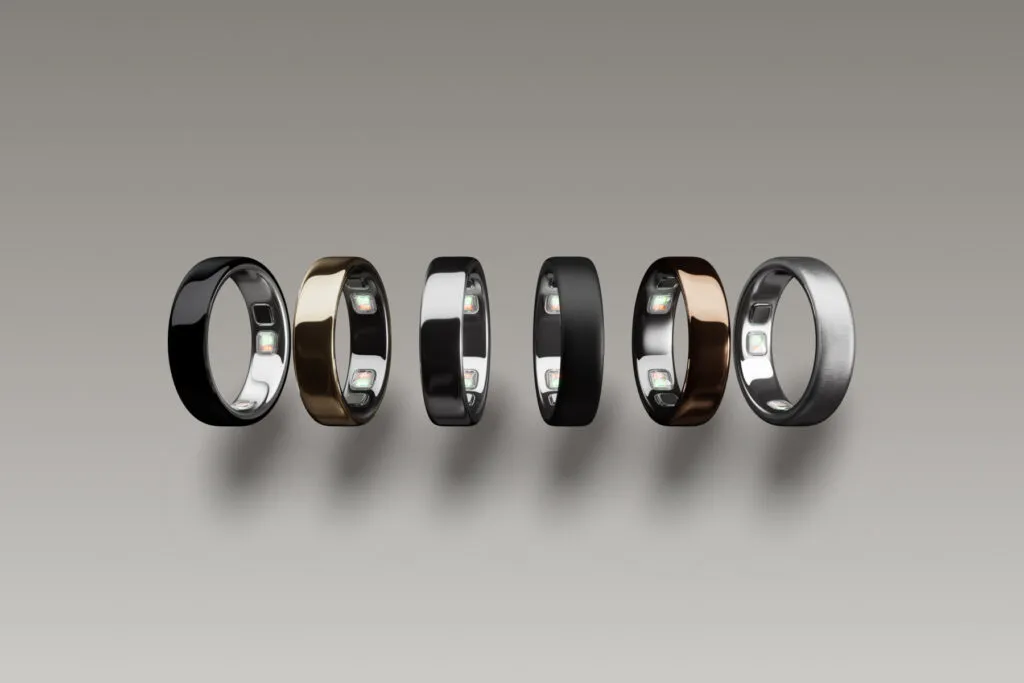
Oura is heading to the stock market at a valuation five billion higher than last year. The same week, a...
Fifty million dollars in seed capital, twelve employees and a 27-billion-parameter model that beat the frontier systems. And the founder...
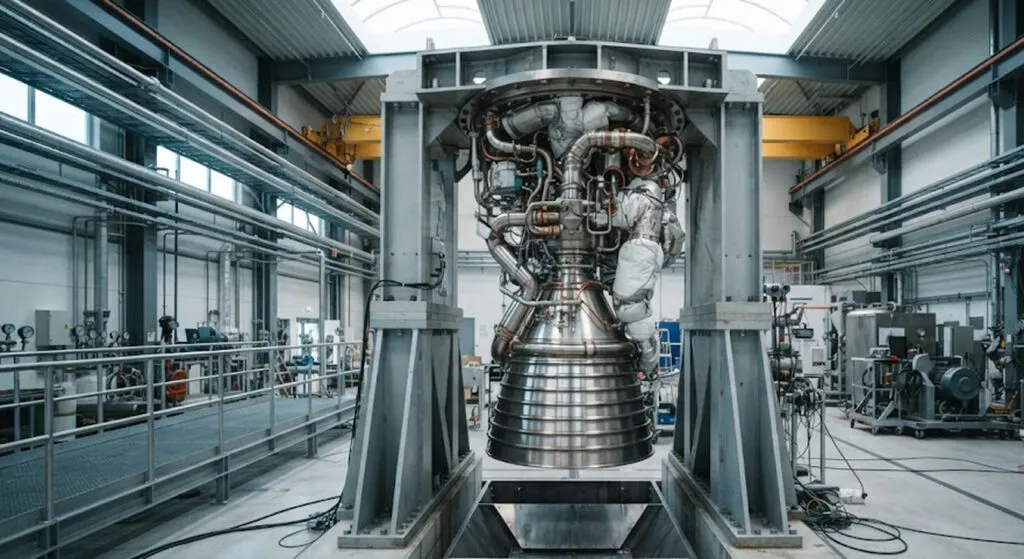
A startup that grew out of a university lab in 2020 now has orders from private companies and from the...

The company was not seeking investment - the board met, messages started flying and two days later it was worth...
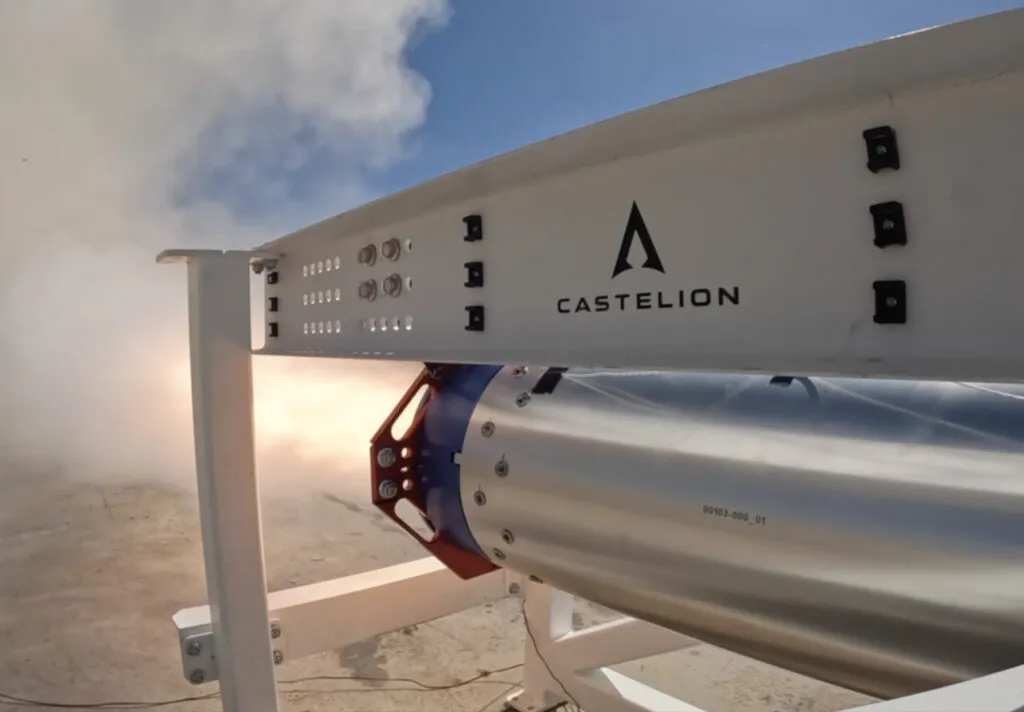
Founded by people who came from SpaceX, the company builds hypersonic weapons faster and cheaper than the traditional defence contractors....
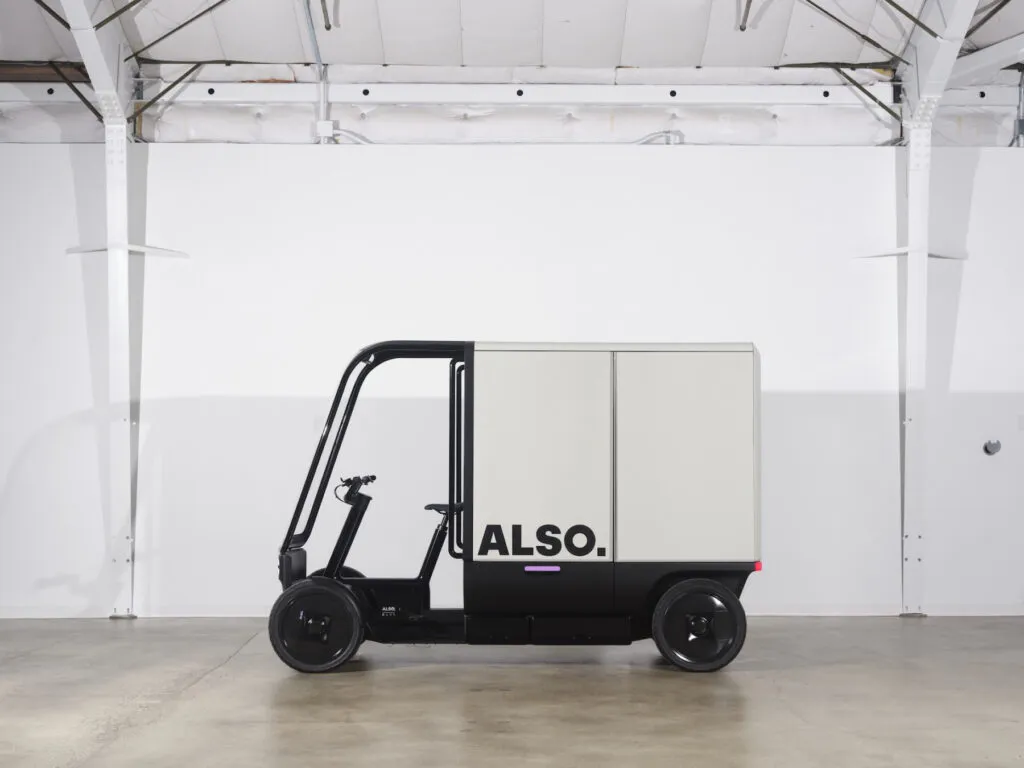
Also spun out of Rivian, promised electric bikes, and the first edition ran months late. Investors piled in with another...

In December it was worth 5 billion, in July 10.3, now 21. The product is the same as it was...

Same company, half the valuation in twelve months. Nvidia first took the founder and the team, now it comes in...
This site uses cookies - is that okay? Learn more
Be the first to know when Metla launches something new
Leave your email and we will write when there is a new guide or something new on Metla.
