

Казандол повторно во Просторниот план: државата ја доби арбитражата за рудникот, а нацртот го враќа на мапата
07.10.2026


07.10.2026

07.10.2026

07.10.2026
07.10.2026
07.10.2026

07.10.2026

07.10.2026

06.10.2026

06.10.2026

07.10.2026

07.10.2026

06.10.2026

07.10.2026

07.10.2026

07.10.2026

07.10.2026

06.10.2026

05.10.2026

07.10.2026

07.10.2026

07.10.2026

07.10.2026

07.10.2026

06.10.2026

09.03.2026

27.02.2026

19.02.2026

07.10.2026

06.10.2026

05.10.2026
06.10.2026

05.10.2026

04.10.2026

23.04.2026

23.04.2026

12.04.2026

"Data on completed adoptions are an official secret." That is the whole of Article 123-a of the Family Law, introduced in 2004. One sentence that has stood for years between adopted people and the question of who their biological parents are.
The association "Gradime idnina" (Building the Future) wants the article scrapped, so that adoptees, once they reach a certain age, can see the records of their origins. Its president, Ilija Jovanovikj, says one motive is to stop close relatives from unknowingly entering a relationship or marriage, and claims there have been people who found out through DNA, only after the wedding, that they were brother and sister. No concrete documented cases in Macedonia were presented.
By the association's estimate, between 90,000 and 95,000 people connected to separated biological families in Macedonia are searching for one another. That is their figure, and the research has yet to be presented to the institutions. Jovanovikj also speaks of missing medical records and maternity ward data.
Meanwhile, the ZNAM parliamentary group is drafting amendments to the Family Law. The disputed article, according to MP Pavle Arsoski, "is not in the best interest of adopted children, who, once they learn they were adopted, go looking for their origins".
The state has already lost on this. In the case "Mitrevska v. North Macedonia", the European Court of Human Rights ruled unanimously on 14 May 2024 that Article 8 of the Convention - the right to respect for private and family life - had been violated. Mirjana Mitrevska is the only case in Macedonia with a Strasbourg judgment won over Article 123-a.
The Ministry of Social Policy says it has set up a working group on changes to the Family Law and that Article 123-a is among the things being considered. No deadline has been given, and no model for how adoptees would get access to the records. How many Strasbourg rulings does it take before one sentence in a law stops outweighing a person's right to know where they come from?
The latest 10 news from this category

Инвеститорите бараа 59,9 милиони евра откако Владата ја раскина концесијата, а меѓународниот трибунал ги одби сите нивни барања. Осум години...
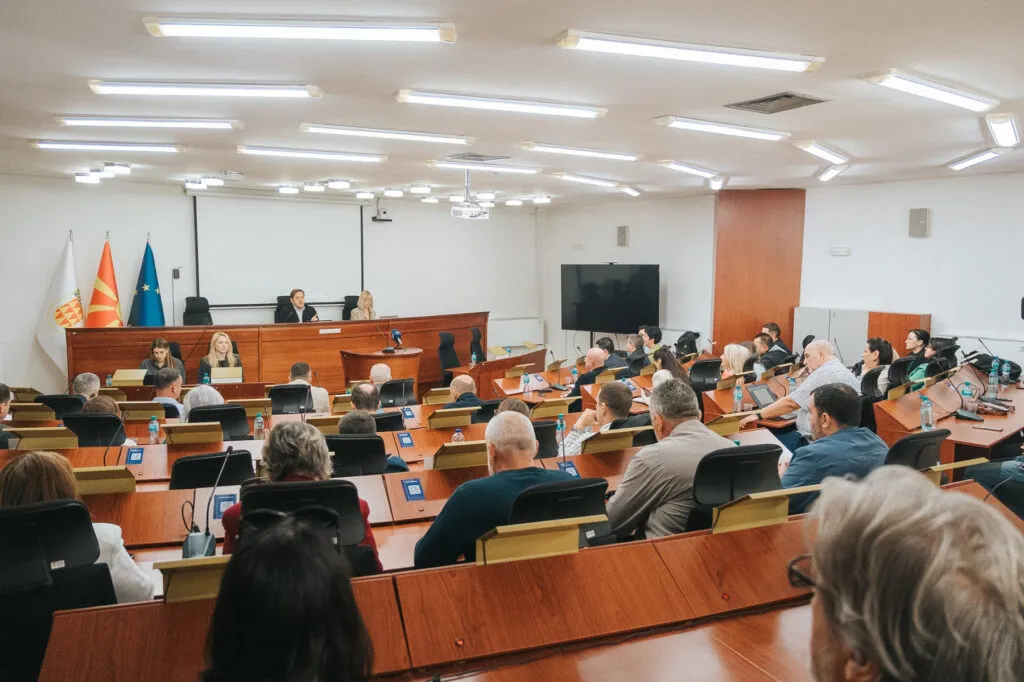
Since 2020 the country has been planned according to an expired document. Now, in Bitola, they're promising a motorway to...

They were promised firefighting machinery would arrive by 2 October. It didn't. So now the trucks carrying Kumanovo's rubbish are...
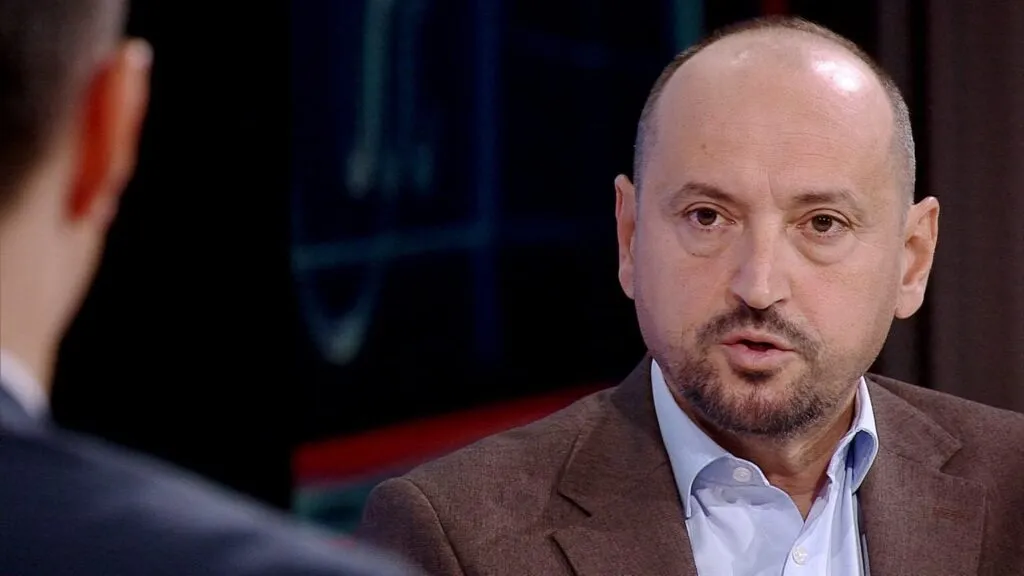
Filipche offered him a post, and Bitiqi answers him in public with a lesson in the culture of speech. In...
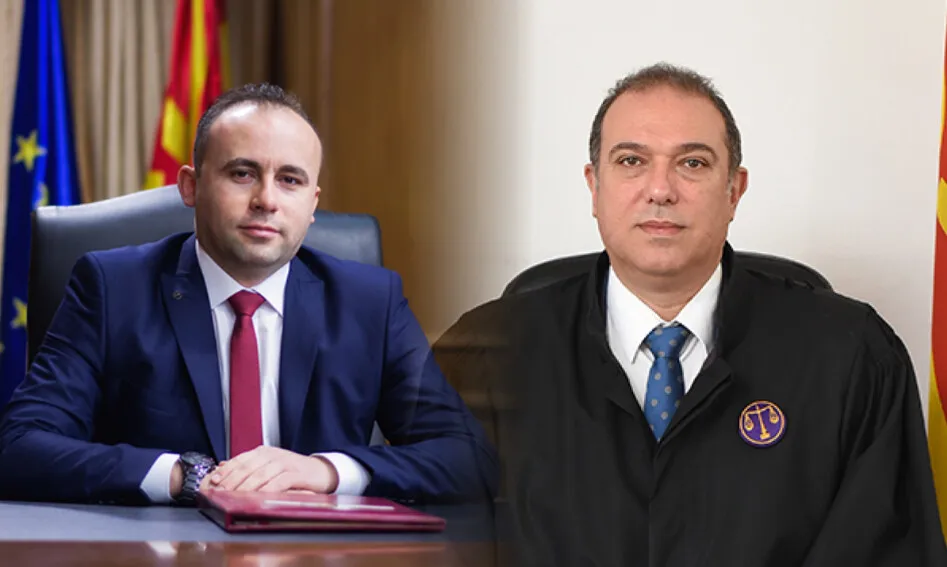
Convicted under a plea deal, he now claims the deal was "the lesser evil". The prosecution says it has electronic...

Four crews, shifts from 5 am to 8 pm and 44 dogs adopted. But most of the animals caught ended...
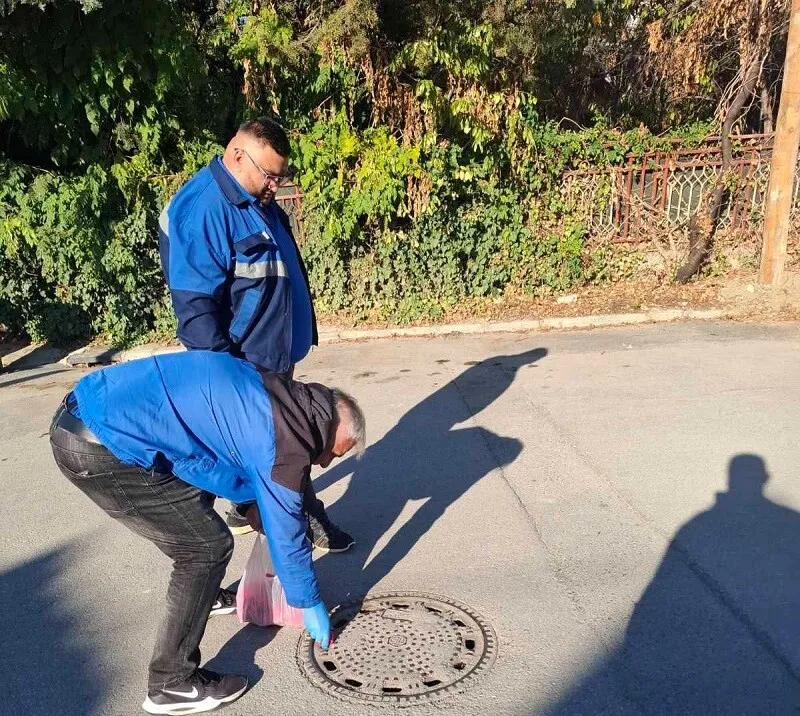
Rats don't keep a calendar, but the municipality does. The campaign runs until the end of the year, and the...

Three streets in the heart of Skopje, one broken valve and a deadline that reads "until the work is completed".

One of Skopje's oldest markets is changing its face without a word of explanation. Some say the City is behind...

At both the entry and exit points of the town, tests found nitrites pointing to old and fresh faecal pollution....
This site uses cookies - is that okay? Learn more
Be the first to know when Metla launches something new
Leave your email and we will write when there is a new guide or something new on Metla.