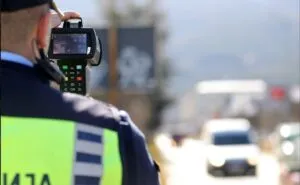
A Pole Drove 164 km/h Where the Limit Is 80: The Camera Caught Him, the Border Stopped Him
23.08.2026


23.08.2026
23.08.2026
23.08.2026
23.08.2026
22.08.2026
22.08.2026

23.08.2026

23.08.2026

22.08.2026

23.08.2026

23.08.2026
23.08.2026

23.08.2026

22.08.2026

21.08.2026
23.08.2026

23.08.2026
23.08.2026

23.08.2026

23.08.2026

22.08.2026

09.03.2026

27.02.2026

19.02.2026
23.08.2026
23.08.2026
22.08.2026

23.04.2026

23.04.2026

12.04.2026
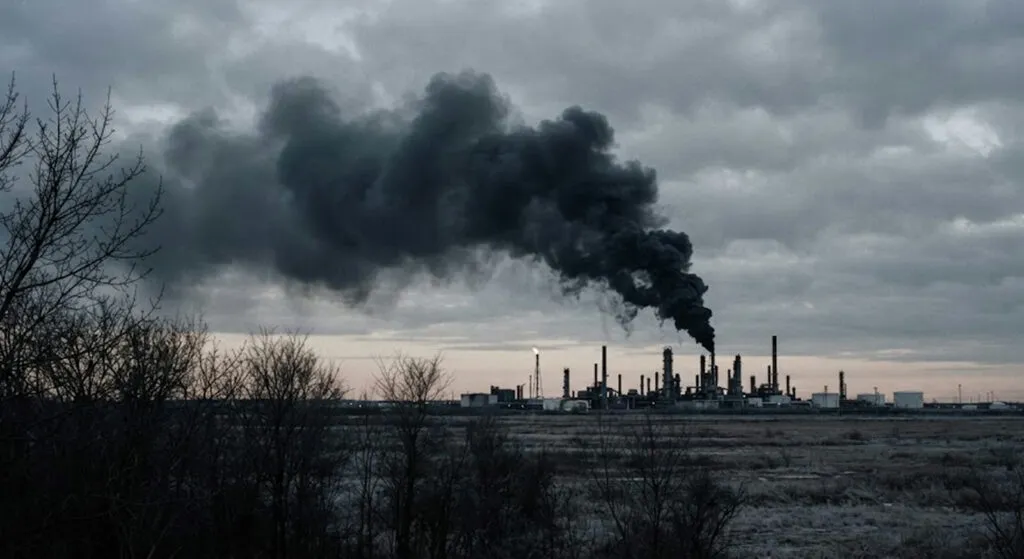
Russia has a term Western media do not: "black August". It is not a joke about a slow news season. It is close to a superstition, backed by a list of events that kept happening in the eighth month - and the list is long enough that it stops looking like coincidence.
Thirty-five years ago, hardline communists attempted a failed coup against Mikhail Gorbachev, setting off the processes that ended with the collapse of the Soviet Union. August 1998 brought a financial crisis, a state default and the collapse of the rouble. A year later, armed groups pushed into Dagestan and began the second Chechen war - the conflict that carried a then-unknown former KGB officer, Vladimir Putin, into power.
Not even Putin is immune
Putin took over Russia on New Year's Day 1999, after Boris Yeltsin unexpectedly handed him power. One of his first major tests was the sinking of the nuclear submarine Kursk, in which 118 sailors died. In August 2008, Russia went to war against neighbouring Georgia. Even the road that ended with the death of opposition figure Alexei Navalny started in August - when he fell ill in 2020 on a flight from Siberia to Moscow, poisoned with a nerve agent.
Summer 2026: smoke over the cities and queues for fuel
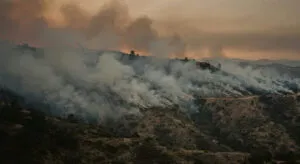
This summer is a dark stretch for the regime. The Russian army's progress in Ukraine is minimal, while smoke rises over Russian cities after Ukrainian strikes on refineries and large depots. People are angry about long queues at petrol stations and rumours of a new wave of mobilisation.
Exiled Russian commentator Ilya Varlamov called the historic August disasters "naturally, coincidence", but added: "Many Russians dread August. Especially now, when the country is facing a real crisis. Fuel shortages are back, prices are rising without stopping, the rouble is falling, elections are coming, and who knows what awaits us." He also cited a leading Russian economist warning that Moscow is facing a "social crisis" and losing the technological and economic competition worldwide.
An indicator of how deeply the feeling is rooted: even the tabloid close to the regime, Moskovsky Komsomolets, wrote about the traditional August fears - through astrology. This month brings a lunar eclipse which, the text says, will occur opposite Pluto, "the planet associated with catastrophes". When a pro-regime paper goes looking for an explanation in a horoscope, that is a signal that the real explanation is awkward to write down.
Putin: there is damage, but it is not critical
Putin himself keeps a calm tone. In a Wednesday statement on infrastructure he acknowledged the economic damage from Ukrainian attacks on Wildberries depots, without naming the company directly. "It is clear that these attacks will not have, do not cause and cannot cause any critical consequences," he said. "True, they cause damage - that is obvious, we understand, we see and we are aware." The logistics centres, he promised, will be rebuilt with state support.
The formula is familiar well beyond Russia: admit minimal damage, promise reconstruction, move the subject on. Does anyone in the Balkans recognise that sentence from the mouths of their own politicians?
The difference that still exists
Ukraine has an internal crisis too. Recently dismissed minister Mykhailo Fedorov called for elections in wartime, which is a new political problem for President Volodymyr Zelensky - his term was due to expire in 2024, but elections have been postponed because of martial law. But that is precisely the difference: in Kyiv there are dismissals in government and there are protests, which means civil society is still breathing.
In Russia the scene is different. On Monday a court sentenced opposition politician Lev Shlosberg to 11 years in prison for opposing the war, and the Supreme Court barred his Yabloko party from taking part in the upcoming parliamentary elections. The strangling of the opposition happened gradually, then all at once - and culminated in Navalny's death in February 2024, in an Arctic penal colony.
Is August genuinely cursed for Russia, or is that the more comfortable explanation when the system does not want to name the real causes? The difference between the two is exactly as large as the difference between astrology and economics.
The latest 10 news from this category
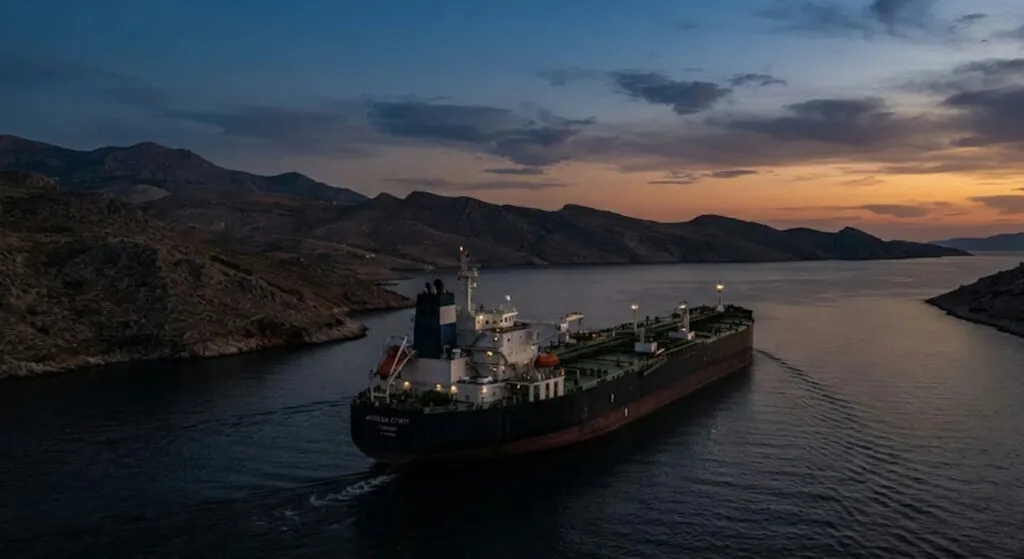
First a threat to attack the interests of anyone joining the American pressure campaign. Then - talks with Oman and...
Not a fault, not a storm - an attack from a distance. For four days the plant stood dead, and...
A Washington ally duly waited for Russian clearance to sail along the Arctic coast. Brussels is unhappy, but the ship...
The court called the publisher's costs exceptionally high - and then ordered Harry to pay them. Forty million for one...
An eighteen-year-old former pupil with a previous conviction entered a school of 450 children. Exactly one year after Orebro, where...
The Israeli military admits serious failures but concludes there is no criminal liability. The blame exists as a concept, but...
Finland published the exact figures on the violation of its airspace and summoned the Russian ambassador within a day. How...

Defending the Daily Mail cost 40.22 million euros. The court called that exceptionally high - and then refused to set...
Either you are with us or against us, the US Treasury Secretary said. Iran has been under sanctions for almost...
Kurdish becomes an official language for the first time since 1946. At the same moment, government forces took over the...
This site uses cookies - is that okay? Learn more
Be the first to know when Metla launches something new
Leave your email and we will write when there is a new guide or something new on Metla.