
Stiv Naumov dorm renovated for around 10 million euros: a month later water runs through the walls and the ministry counts wet wipes
24.10.2026


24.10.2026
24.10.2026

24.10.2026

24.10.2026
24.10.2026

24.10.2026

24.10.2026

23.10.2026
22.10.2026
24.10.2026
24.10.2026

23.10.2026
24.10.2026

24.10.2026

24.10.2026

24.10.2026

23.10.2026

22.10.2026

24.10.2026

24.10.2026

24.10.2026

24.10.2026

23.10.2026
23.10.2026

24.10.2026
23.10.2026

23.10.2026
24.10.2026
22.10.2026
20.10.2026

23.04.2026

23.04.2026

12.04.2026

When the finance minister of the world's largest economy says the „harshest sanctions in history” are coming, that is not a threat. It is a schedule. Scott Bessent said it in front of the cameras, announced a Monday press conference with the specific measures, and added a sentence that leaves no room for interpretation: „Either you are with us or you are against us.”
The formula is not new. We heard it in 2001 too, and back then that sentence split the entire world into two camps within months. The difference is that this time nobody is asking for an army, but for a signature - who will stop buying Iranian oil and who will not.
Bessent describes a twin-track approach: a blockade plus a sanctions regime harsher than anything Tehran has endured so far. The goal, as he put it, is destabilising the Iranian regime - and economic pressure, he claims, should reduce the need for a large military operation. In other words: hunger works faster than bombs and does not require coffins at an airport.
China is the real addressee
The most interesting part is not about Iran. Asked about Chinese business ties with Tehran, Bessent said private conversations would be most effective, and immediately mentioned the number that explains everything: China gets 50 percent of its energy from the Persian Gulf region. That is not a remark, it is a reminder of who has whom by the throat.
Because sanctions without Beijing are a sheet of paper. Iran has lived under some form of economic restriction for almost half a century - without a break, ever since 1979 and the Islamic Revolution. If forty-seven years of sanctions did not topple the regime, what exactly is the forty-eighth expected to do?
The answer is that this time the target is not Iran alone, but everyone who trades with it. „Either you are with us or against us” is not addressed to Tehran - Tehran has been on the other side for a long time. It is addressed to everyone else, including those with no desire whatsoever to pick a side.
And the Balkans know that sentence by heart. Every time the big players fall out, the small ones get a questionnaire and a deadline. The question is not whether we are for or against - the question is why somebody else is making the decision again.
The latest 10 news from this category

One dead, five wounded, among them a 12-year-old girl. The attack came just days after parts of the far right...

France is shutting the metro and museums, Italy is counting arrests, and the government in Tirana is considering a blacklist...

Eight convicted, four who "brought the honours system into disrepute" and three with professional sanctions. The medal goes back, and...
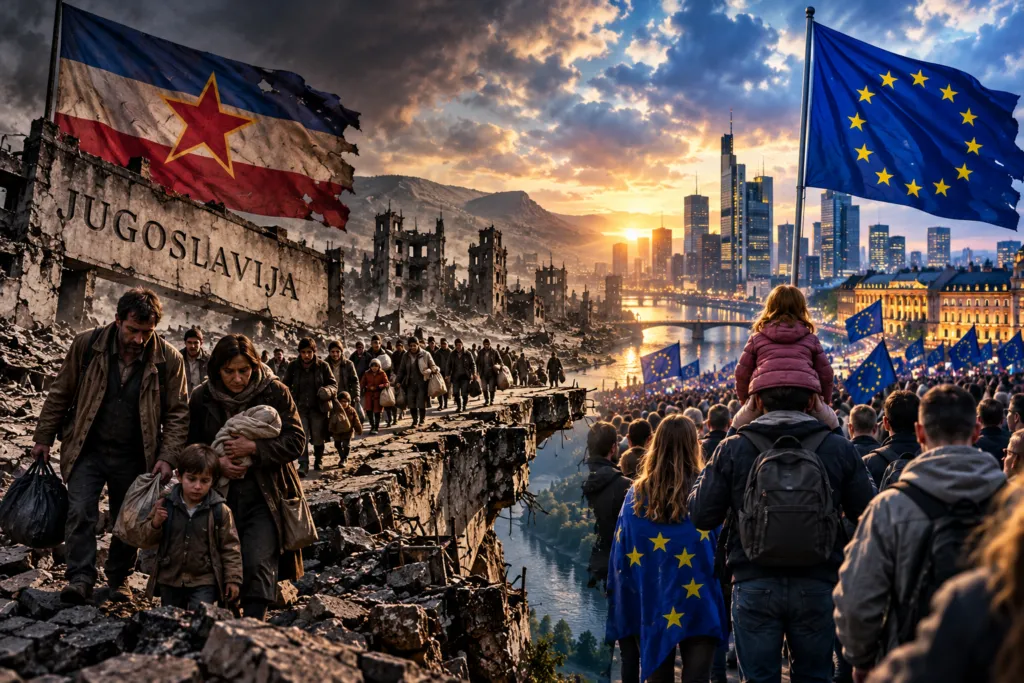
Европа денес се соочува со една опасна историска паралела. Сликите од протестите низ европските градови сè повеќе потсетуваат на работничкото...

Russian and American bases in Berlin and Paris, the energy market for Moscow, Greenland for Washington. The Balkans knows all...

More than 100 police officers injured in Milan, curfews in Paris, Lyon and Marseille. The Europe that has spent years...

She was due to lead a Belgian trade mission from 21 to 26 October. The palace, the ministry and the...
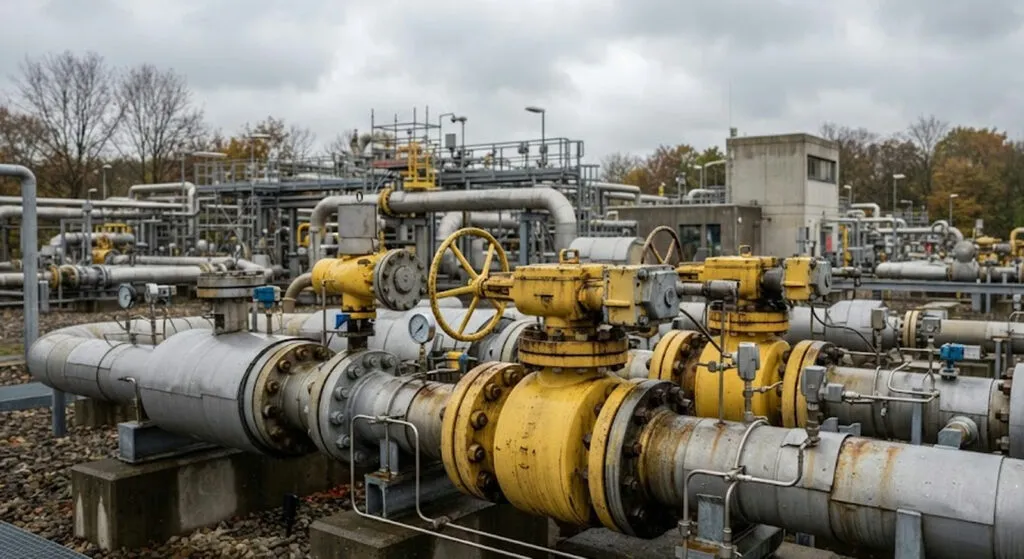
Washington is proposing that Europe buy Russian gas again as part of peace for Ukraine, and Moscow already says "the...
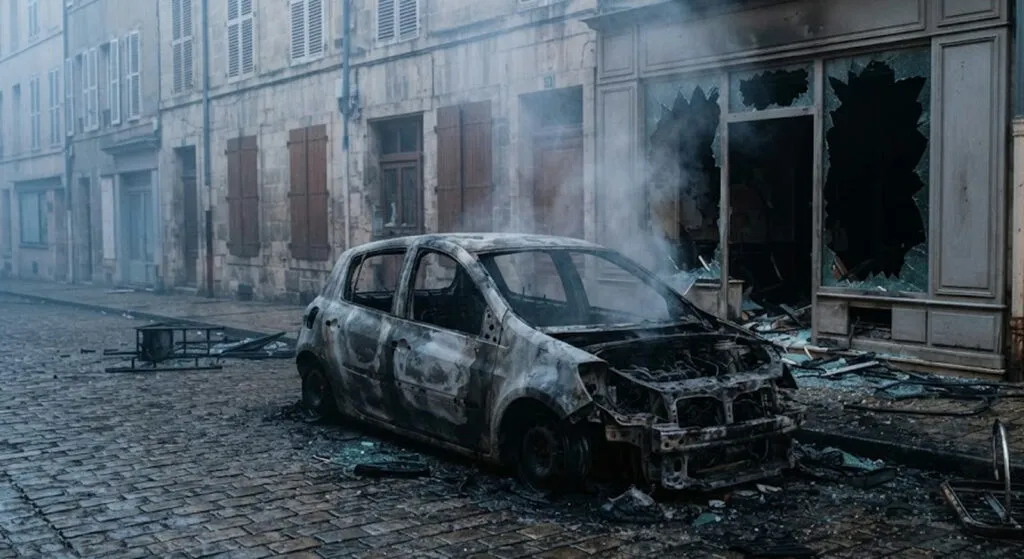
More than half a million people on the streets, 1,500 shops wrecked or looted and seven police officers seriously injured...
The man whose country gave Gruevski asylum is now in opposition and talking about "resistance", while Hungary's new prime minister...
This site uses cookies - is that okay? Learn more
Be the first to know when Metla launches something new
Leave your email and we will write when there is a new guide or something new on Metla.