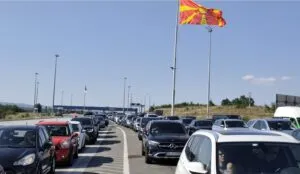
A Pole Drove 164 km/h Where the Limit Is 80: The Camera Caught Him, the Border Stopped Him
23.08.2026


23.08.2026
23.08.2026
23.08.2026
23.08.2026
22.08.2026
22.08.2026

23.08.2026

23.08.2026

22.08.2026

23.08.2026

23.08.2026

23.08.2026

23.08.2026

22.08.2026

21.08.2026

23.08.2026

23.08.2026

23.08.2026

23.08.2026

23.08.2026

22.08.2026

09.03.2026

27.02.2026

19.02.2026
23.08.2026
23.08.2026
22.08.2026

23.04.2026

23.04.2026

12.04.2026
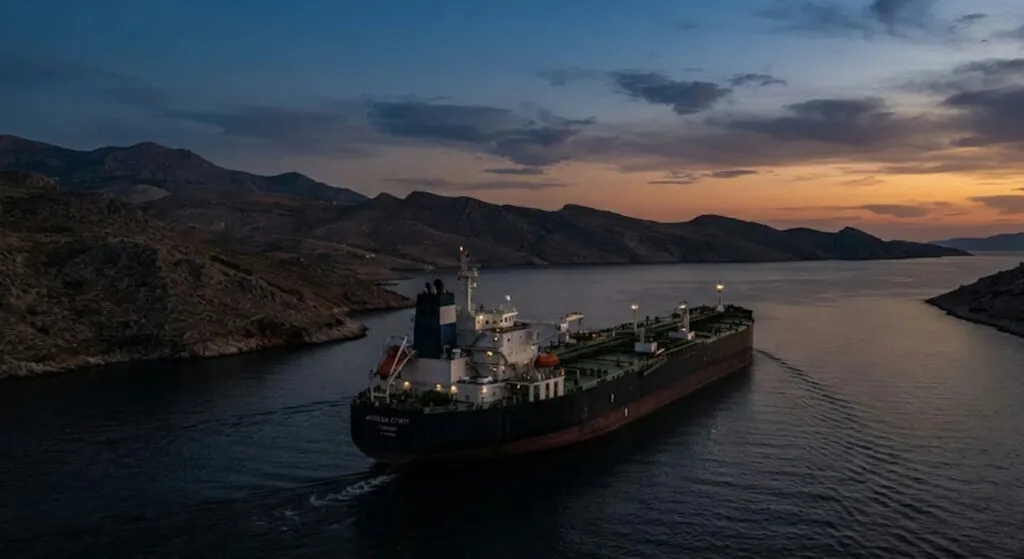
The new head of Iran's top security body, Mohsen Rezaei, issued a warning to neighbouring states: if they join the American economic pressure on Tehran, they will be treated as enemies. "Those countries will be considered enemies and we will attack their interests," he said.
Until now, Rezaei claims, Iran has only struck military bases. "We have not yet attacked a single American economic interest," he said, but added that this could change - next in line could be American trading and oil companies near Iran. He also announced that Iran could hit oil trade routes beyond the Persian Gulf.
When a threat becomes a tariff
The oddest detail in the statement is not the threat, but what followed it: Rezaei confirmed that talks are under way with Oman about managing the strait, and announced that tolls would be charged for passage. That is a change of genre - from war rhetoric to a tollbooth. Who will pay that fee and how it will be calculated remains unexplained.
On the other side, US President Donald Trump is running a campaign for Iran's economic isolation, threatening "enormous economic consequences" for any state that helps Tehran. Trump has repeatedly suggested the Strait of Hormuz could be declared American territory: "We control it through the blockade and I like the idea of declaring it territory."
The neighbours are already picking sides
The rhetoric is already producing consequences. The United Arab Emirates announced it is cutting off all trade and financial transactions with Iran. Washington is running operations called "Economic Wrath" - targeted sanctions and a naval blockade to restrict Iranian oil exports.
A significant share of the world's oil passes through the Strait of Hormuz, and every squeeze there is felt in prices far beyond the Gulf. The Balkans know this - no oil fields of their own, and total exposure to any decision taken in Tehran or Washington. The difference is that here nobody asks us before the decision is made.
The latest 10 news from this category
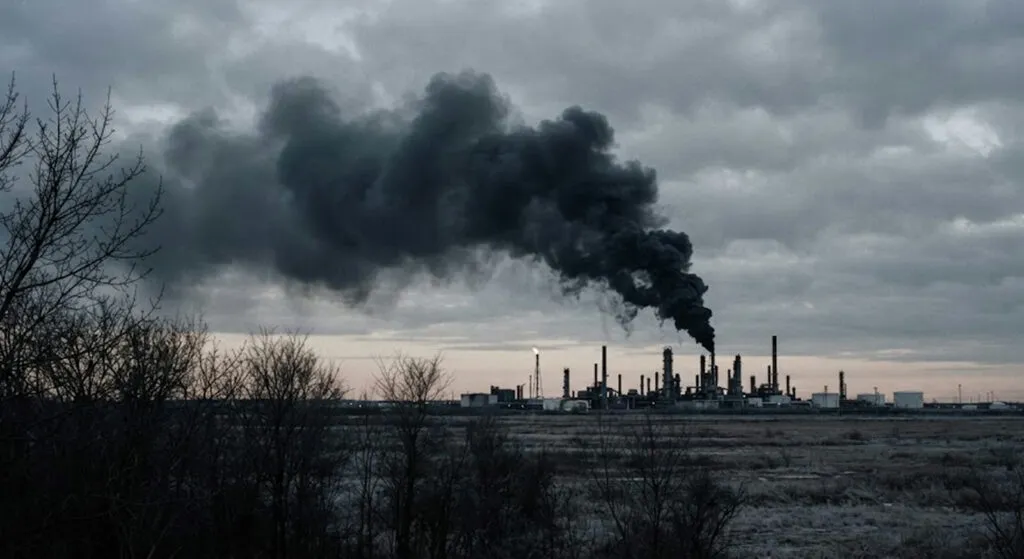
A coup, a default, the Kursk, Georgia, the poisoning of Navalny - all in August. This summer: smoke over refineries...
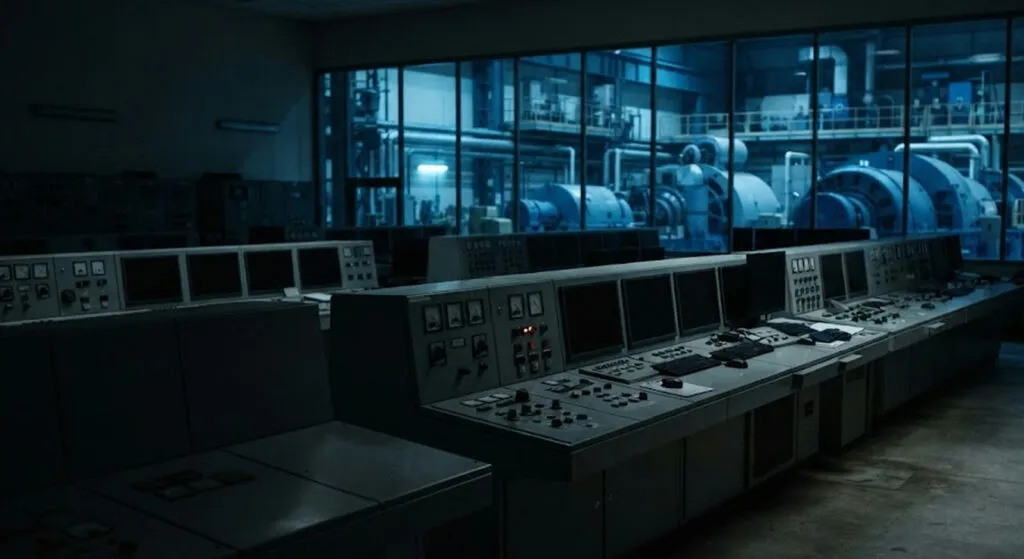
Not a fault, not a storm - an attack from a distance. For four days the plant stood dead, and...
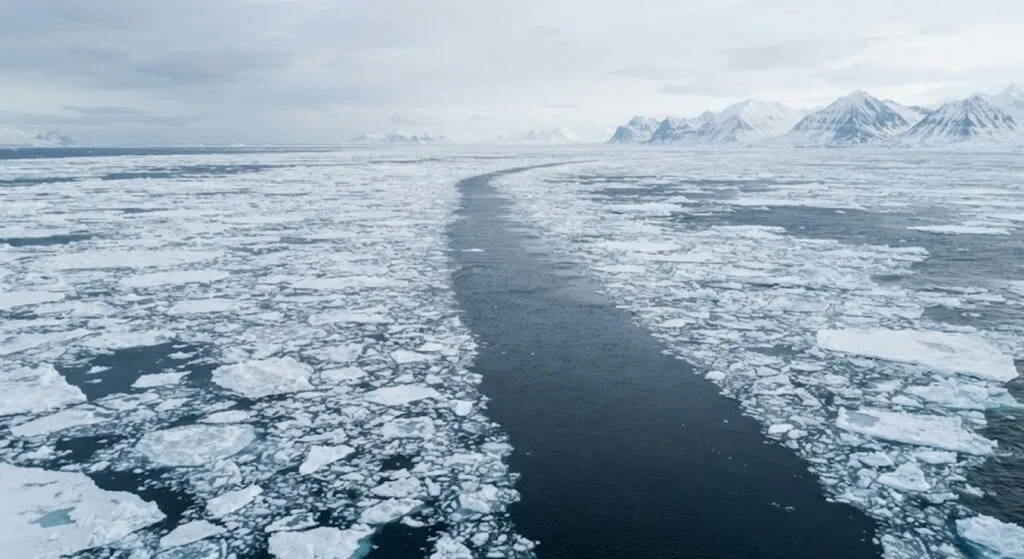
A Washington ally duly waited for Russian clearance to sail along the Arctic coast. Brussels is unhappy, but the ship...

The court called the publisher's costs exceptionally high - and then ordered Harry to pay them. Forty million for one...

An eighteen-year-old former pupil with a previous conviction entered a school of 450 children. Exactly one year after Orebro, where...
The Israeli military admits serious failures but concludes there is no criminal liability. The blame exists as a concept, but...
Finland published the exact figures on the violation of its airspace and summoned the Russian ambassador within a day. How...

Defending the Daily Mail cost 40.22 million euros. The court called that exceptionally high - and then refused to set...
Either you are with us or against us, the US Treasury Secretary said. Iran has been under sanctions for almost...
Kurdish becomes an official language for the first time since 1946. At the same moment, government forces took over the...
This site uses cookies - is that okay? Learn more
Be the first to know when Metla launches something new
Leave your email and we will write when there is a new guide or something new on Metla.