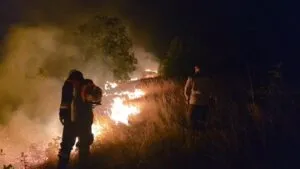
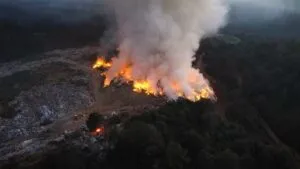
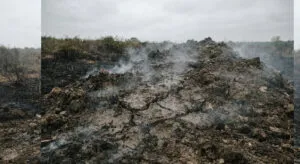
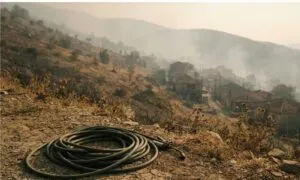
Five Fires Still Burning, at Čanište the Blaze Has Split Into Four Fronts: For the First Time This Summer, the Army Deploys Before the Disaster
21.08.2026


21.08.2026
21.08.2026
21.08.2026
21.08.2026

21.08.2026

21.08.2026
21.08.2026

20.08.2026

20.08.2026

21.08.2026

21.08.2026

20.08.2026

21.08.2026

21.08.2026

21.08.2026

21.08.2026

20.08.2026

19.08.2026

21.08.2026

21.08.2026

21.08.2026

21.08.2026

21.08.2026

21.08.2026

09.03.2026

27.02.2026

19.02.2026
21.08.2026
20.08.2026
19.08.2026

23.04.2026

23.04.2026

12.04.2026
Kurdish commander Mazloum Abdi announced the end with a sentence that sounds administrative but actually closes half a century of hope: „The phase of integrating the military, security and administrative institutions into the national state institutions has been completed and concluded.”
Translated from diplomatic into human: Kurdish autonomy in Syria no longer exists. The army, security and administration have been folded into the Syrian state.
The road there began with an agreement in January 2026 between Abdi and Syrian President Ahmed al-Sharaa - an agreement reached after armed clashes cost the Kurds significant territory in the north. So these were not negotiations between equals. These were terms written by whoever holds more ground.
What they got in return
Formally - something they never had. Al-Sharaa issued a decree recognising Kurdish national rights and designating Kurdish as an official language. That is a first since Syria's independence in 1946. Kurdish officials got posts in the provincial administration and in military positions.
In practice - government forces took control of the strategic towns and the oil fields. Read that sentence again and put it next to the recognition of the language. A language for oil.
Analyst Mutlu Civiroglu said what diplomats avoid: „A bitter end... a military force that was very successful, that had victories over Islamic State and that many admired, sadly ceases to exist.”
The ally who left first
The United States, the Kurds' former ally in the war against Islamic State, transferred over 5,700 detainees from camps under Kurdish control to Iraq. That is the logistics of departure - when a partner collects their obligations before collecting their soldiers.
Kurds make up around 15 percent of Syria's population and lived for decades under repression and cultural restrictions. Now they have an official language and no army of their own. Someone will call that progress.
The Balkans know this scene far too well. Promises get written on paper, borders get drawn by force, and the international partner who guaranteed everything stays only as long as it pays off. The question that remains is not whether the decree holds today - but who will defend it when there is nobody left to.
The latest 10 news from this category

Either you are with us or against us, the US Treasury Secretary said. Iran has been under sanctions for almost...
A therapy built individually for each tumour. The question for our region will not be whether the drug exists -...

NABU and the prosecutors entered the Office of the President of Ukraine. At the same time there is talk that...
All money and all goods halted indefinitely, with no explanation longer than a single statement. Around a quarter of the...

An indictment against 17 people for 31.5 terabytes of research papers and dissertations. The heaviest figure is not how much...
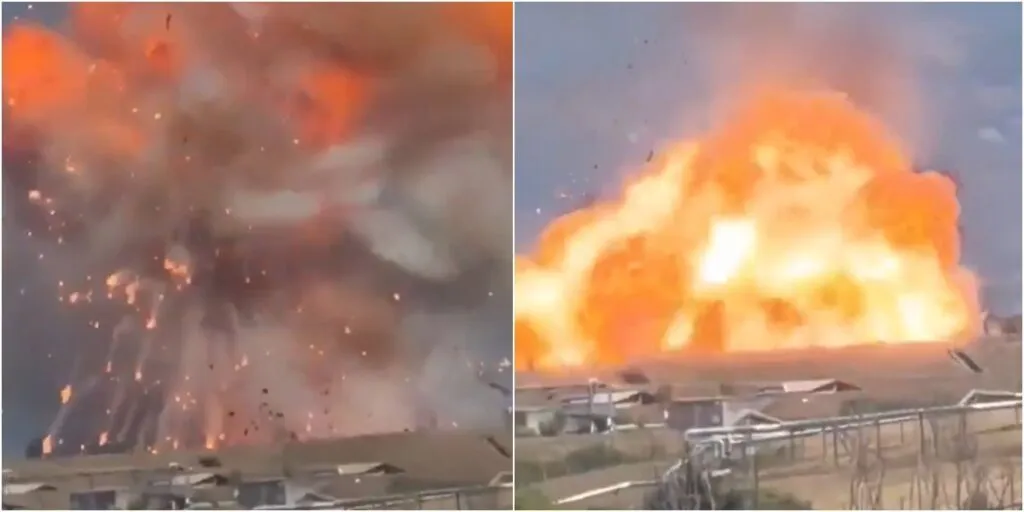
The plant detonated while firefighters were already on site. The defence minister insists it is an internal problem, but prosecutors...
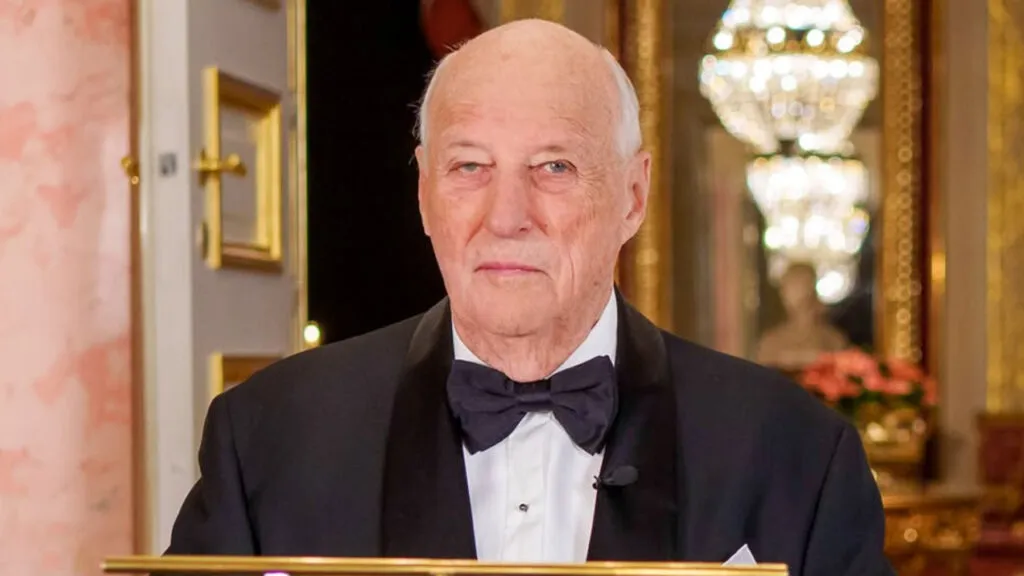
Eighty-nine years old, a blood disease and cortisone that retains fluid. The Norwegian monarchy currently has more people in hospital...

The lowest rating of his career, but the damning detail is elsewhere: 71 percent of Republicans expect the war to...
Vance said goal number one is cheap fuel. Trump contradicted him the same day. When the goal shifts mid-stride, it...
American weapons for Kyiv via Turkish territory, a moratorium on attacks in the Black Sea, and almost a million tonnes...
This site uses cookies - is that okay? Learn more
Be the first to know when Metla launches something new
Leave your email and we will write when there is a new guide or something new on Metla.