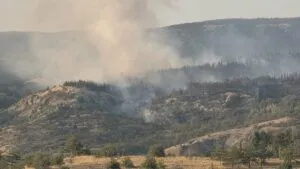
34 fires in 24 hours: three still burning, and the warnings put out nothing
09.09.2026


09.09.2026

09.09.2026
09.09.2026

09.09.2026
09.09.2026

09.09.2026
09.09.2026
08.09.2026
07.09.2026
09.09.2026
08.09.2026

08.09.2026

08.09.2026
08.09.2026

08.09.2026
08.09.2026
07.09.2026
06.09.2026
09.09.2026

09.09.2026

09.09.2026

09.09.2026

09.09.2026
08.09.2026

09.03.2026

27.02.2026

19.02.2026

23.04.2026

23.04.2026

12.04.2026

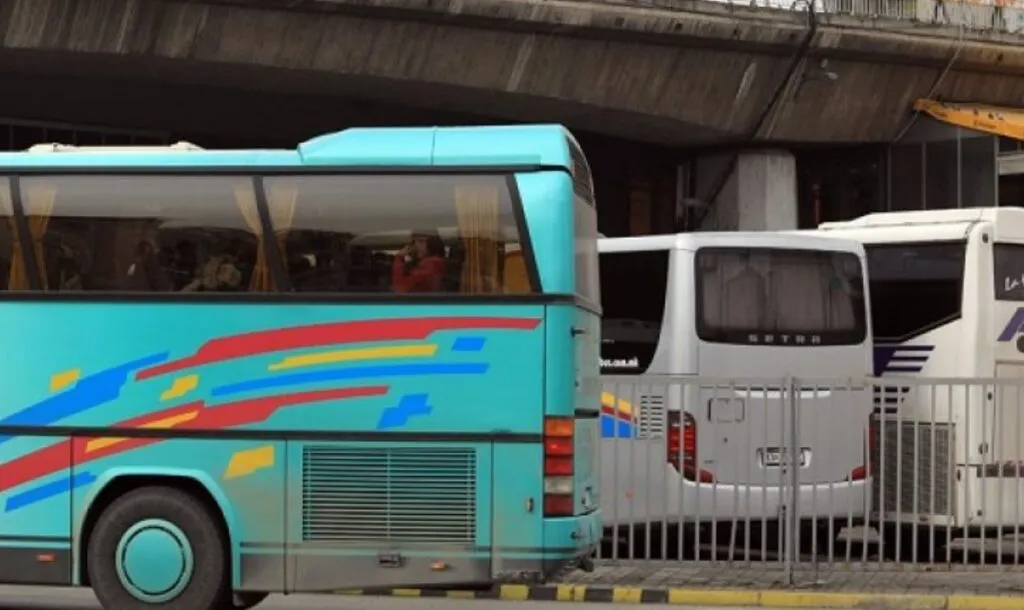
A worker earning 26,000 denars who commutes daily from Tetovo to Skopje has been paying 6,500 denars a month for a bus pass since 1 September.
That is a quarter of the salary, handed over before any bread is bought.
The monthly pass on that route went up from 5,500 to 6,500 denars. On the Skopje - Kumanovo route, from 5,000 to 6,000. For Gostivar, the monthly pass now costs 8,000 denars.
The annual bill
When you multiply the monthly cost by twelve, the numbers look different.
Kumanovo - Skopje: 72,000 denars a year. Tetovo - Skopje: 78,000. Kavadarci - Skopje, where the monthly pass is 7,500 denars: 90,000 denars.
And if someone has no monthly pass and buys two single tickets a day at 250 denars each, over 22 working days the cost reaches 11,000 denars a month. That is 132,000 denars a year, purely to reach the workplace.
Who pays what
Prices differ by route and by operator, and a monthly pass does not exist everywhere.
From Veles the monthly is 5,500 denars, a single 200. From Štip a single is 360, a return 650, and there is no monthly pass. From Strumica one way costs 650 denars, and a return ticket is no longer offered. From Bitola a single is 600, a return 950. From Ohrid a single is 980 denars, a return 1,380 - raised this summer. For Kičevo the price depends on the operator and ranges from 480 to 580 denars one way.
That means a commuter from Štip or Strumica working in Skopje does not even have the option of a monthly pass. They pay the full price every day.
The question the petition asks
A group of citizens and regular commuters has launched a petition "For fair intercity transport prices". The demands are not for a price freeze - they are for an explanation.
They ask which economic parameters the new prices were formed on. Who checks whether they are justified. Who supervises the application of the price lists. And why passengers were not clearly and promptly informed about the date the increase took effect and the reasons for it.
Those are four questions somebody has an obligation to answer. Note that none of them asks for money - they ask only for a rationale. Usually those are precisely the hardest questions to answer.
What happens if no answer comes
The initiative warns of the outcome they want least: people will switch to private cars, or start thinking about moving to Skopje.
The same city pays for both consequences. More cars mean more congestion and more pollution in a basin that already struggles to breathe. And moving away means one more emptied place in Tetovo, Kumanovo or Veles.
Transport to work is not a luxury item in a household budget. When that cost reaches a quarter of the salary, the person is no longer calculating whether to travel - they are calculating whether the job is worth it at all.
The latest 10 news from this category
Konjanovski's report is full of figures - 10 kilometres of streets, 220 parking spaces, 96 million for the cinema. But...
A monthly pass costs 1,850 denars, under 90 denars a day for the round trip. If rail is the fastest...
The emptiest is the Technical Faculty with 269 places, while two of its own programmes filled up in the first...
Local history remembers quietly, with a few bouquets and one speech. State history remembers with a stage and lights. The...
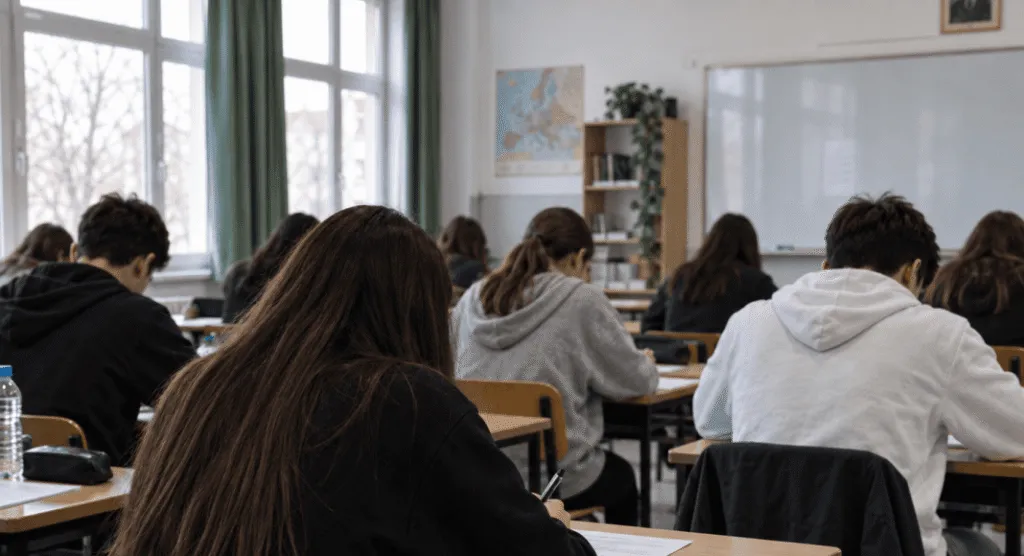
Maths dropped 10 points against 2022, and just 1 percent of pupils reach the top levels against 8 percent across...
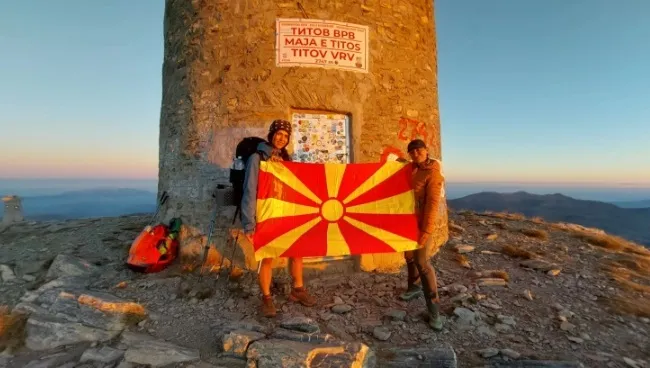
Blagica Vladimirovska and Ema Lazareska climbed 8,400 metres of total ascent with no logistical support. A marking of 35 years...
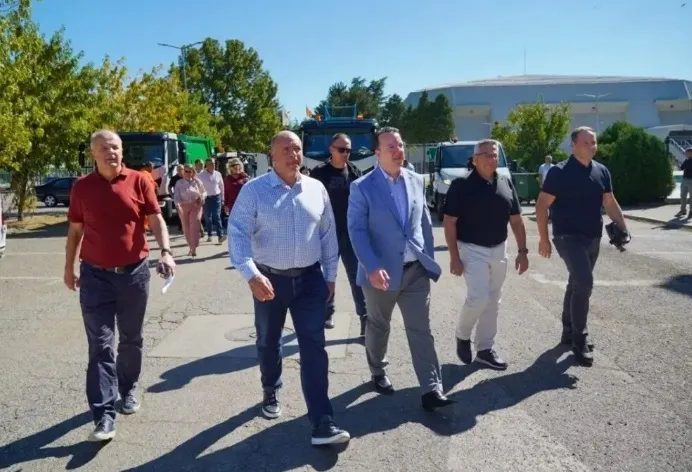
Five new municipal vehicles have arrived in Kumanovo. The utility company that has been broke for decades still waited for...
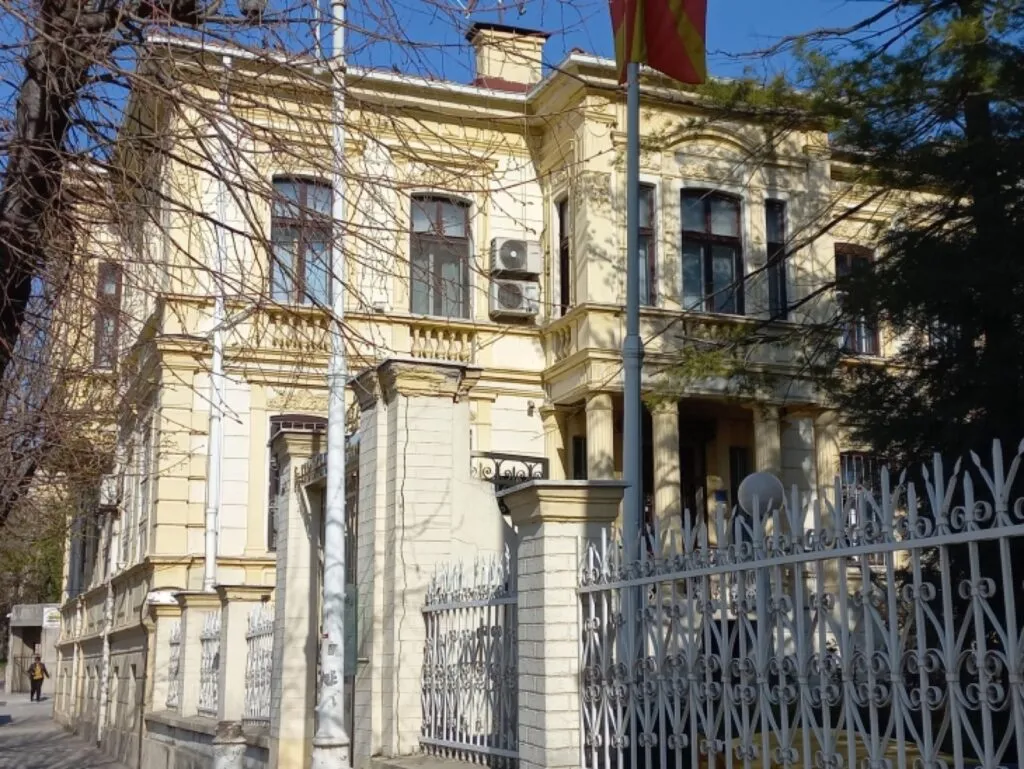
The Technical Faculty has the most free places - 269. Students read the job market better than we care to...
The vehicle came off the road near the village of Beranci. Cars are being let through alternately, freight traffic is...
The question was about the value of the contract for a concert financed from the budget. The journalists' association responded....
This site uses cookies - is that okay? Learn more
Be the first to know when Metla launches something new
Leave your email and we will write when there is a new guide or something new on Metla.