Twenty-one fires in a single day: the record nobody wanted to break
13.08.2026



13.08.2026

13.08.2026

13.08.2026
13.08.2026
12.08.2026
12.08.2026

13.08.2026

13.08.2026

12.08.2026

13.08.2026

13.08.2026
13.08.2026
13.08.2026
12.08.2026

11.08.2026

13.08.2026

13.08.2026

13.08.2026

13.08.2026

13.08.2026

12.08.2026

09.03.2026

27.02.2026

19.02.2026
13.08.2026
12.08.2026
11.08.2026

23.04.2026

23.04.2026

12.04.2026
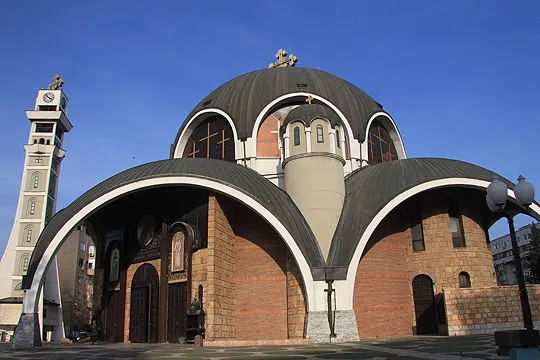
On 12 August 1990, worshippers from across the country and Macedonians living beyond it converged on the centre of Skopje. After almost two decades of construction, the new Cathedral of Saint Clement of Ohrid was to be consecrated. Thirty-six years later, it is one of the city's most recognisable landmarks.
The date was not picked at random. 1990 marked 1,150 years since the birth of Saint Clement of Ohrid, and the cathedral carries precisely his name. The consecration was performed by the then Archbishop of Ohrid and Macedonia, Gavril, concelebrating with members of the Holy Synod and a number of clergy.
The numbers of one building
The foundation stone was laid on 23 April 1972, to a design by architect Slavko Brezoski. The cathedral is of the rotunda type, 36 by 36 metres, composed entirely of domes and arches. The interior covers around 1,000 square metres and holds close to 6,000 worshippers.
The iconostasis is made of oak with floral motifs, 19.5 metres long and 12.5 metres high. The icons are the work of Đorđi Danevski and Spase Spirkovski. Under the central dome hangs a chandelier weighing five tonnes with around 400 lights, and there too stands the archbishop's throne, 3.5 metres tall, with two further two-metre thrones facing it.
Eighteen years from foundation stone to consecration. That is a span in which we cannot finish so much as a junction today - and this is a building with six thousand places under a roof of domes and arches, built at a time when Skopje was still rebuilding after the earthquake.
The award from Budapest
This year the cathedral's facade took first place in the public vote of the Baumit Life Challenge 2026 competition held in Budapest. Recognition handed out by a European audience for a building that rarely makes it onto foreign lists of architectural recommendations.
Skopje has a complicated relationship with its own architecture. The city is packed with buildings put up to make an impression, and holds very few that make one without having to explain why they are there. The cathedral belongs to the second group - it does not ask to be noticed, yet the whole panorama of the city turns around its domes.
Thirty-six years after the consecration, it still stands as what it was meant to be. In Skopje, that is no small thing.
The latest 10 news from this category

Labs showed zero bacteria, and the mayor drank a glass on camera. But the landfill near Rašče has been sitting...
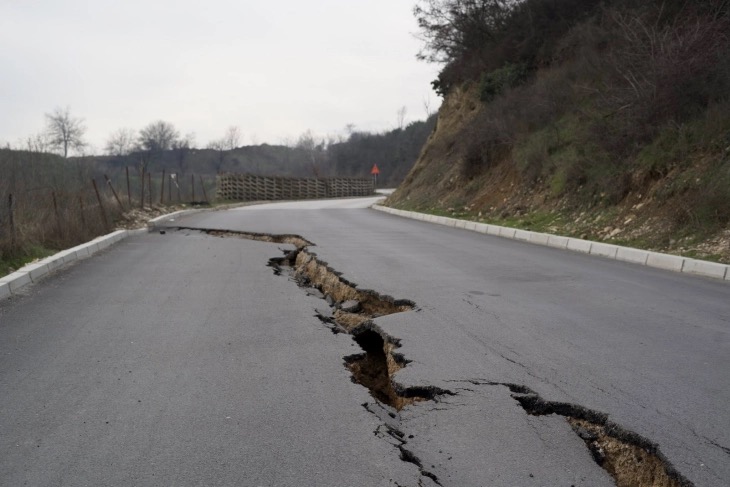
The transport ministry is taking over the landslide after a tender closing on 20 August. The work did not stall...
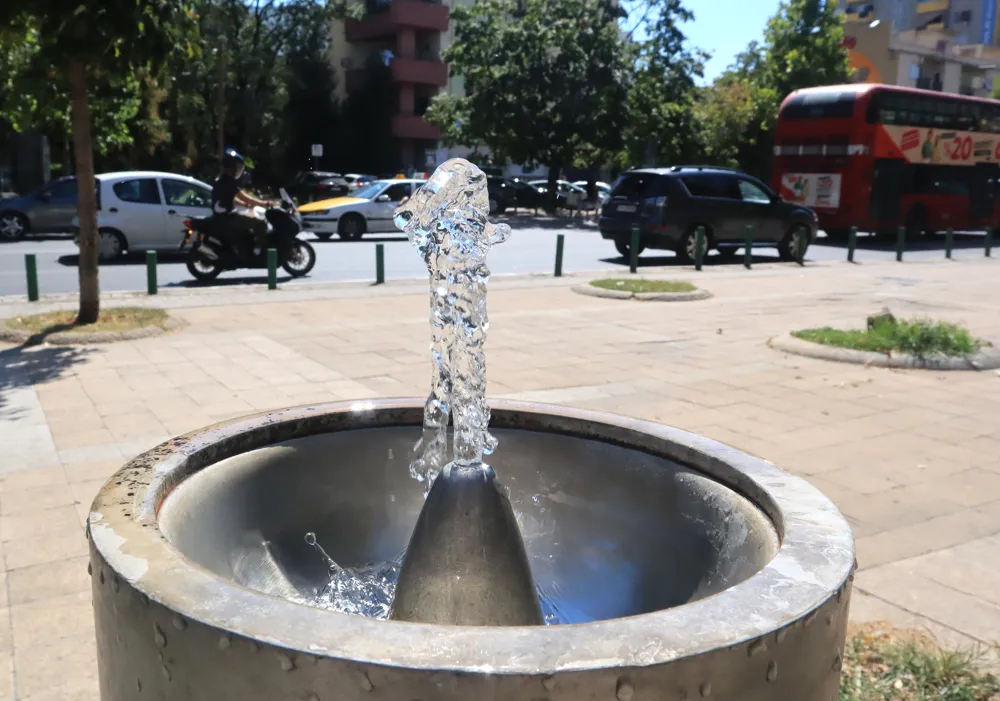
Intestinal infections are rising across the country because of the heat and travel. Yesterday the whole country was talking about...
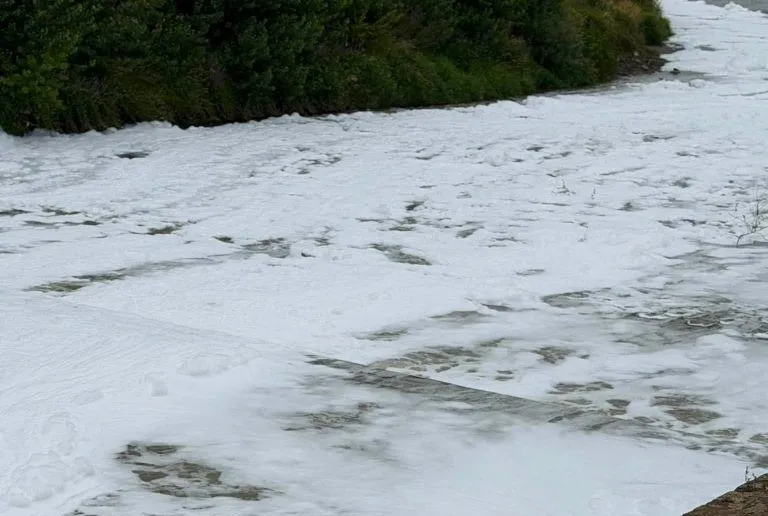
The river turned white with foam, the analyses are nowhere. A message about the water got a press conference, a...
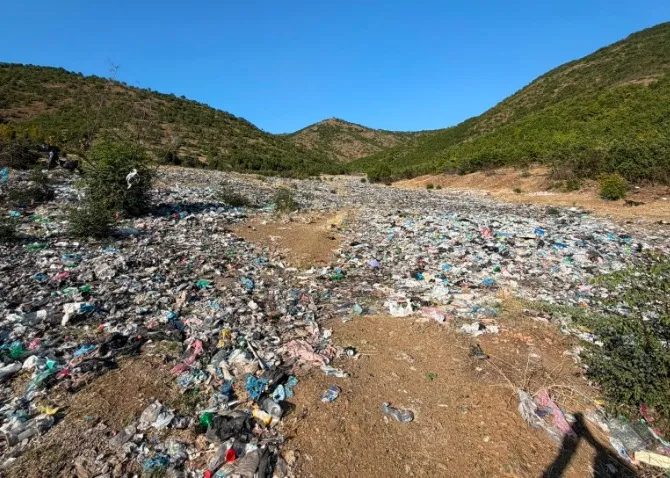
If that chromium reaches water, the water becomes unusable for everything. The landfill has stood for decades, and the mistrust...
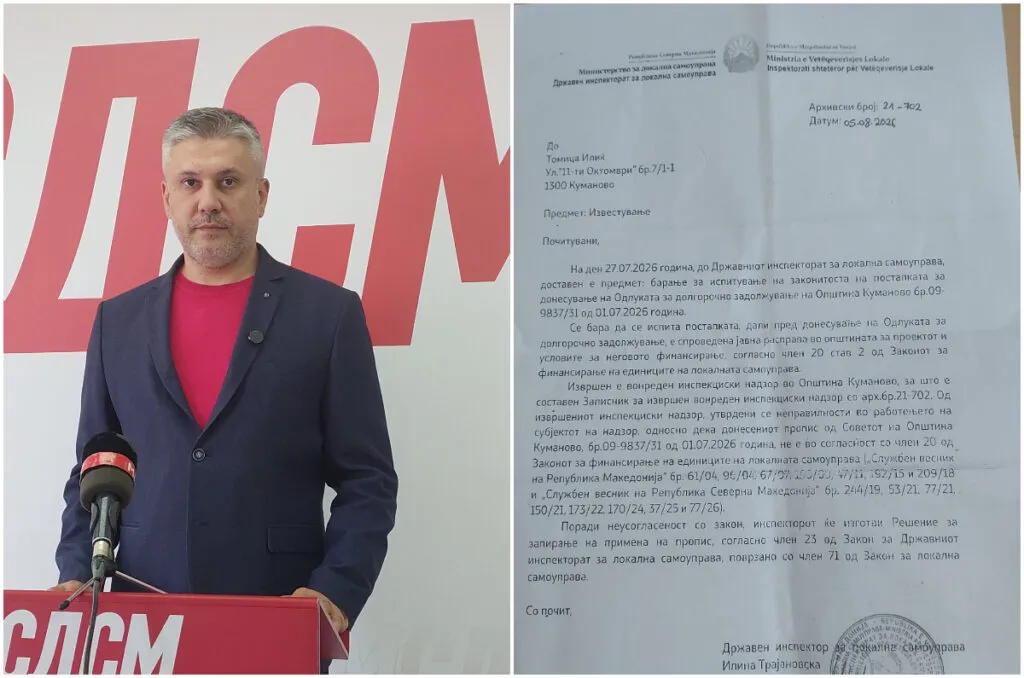
The state inspectorate found no public hearing was held before the decision. The mayor insists the hearing comes later.
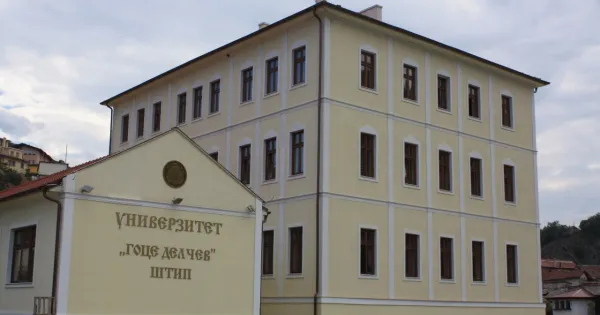
Twelve faculties, three academies and three days for a decision that lasts four years. Medicine and IT are pulling the...

Over twenty events on the lake, a Balkan open-water swimming championship and four concerts. A photograph does not fill hotels...
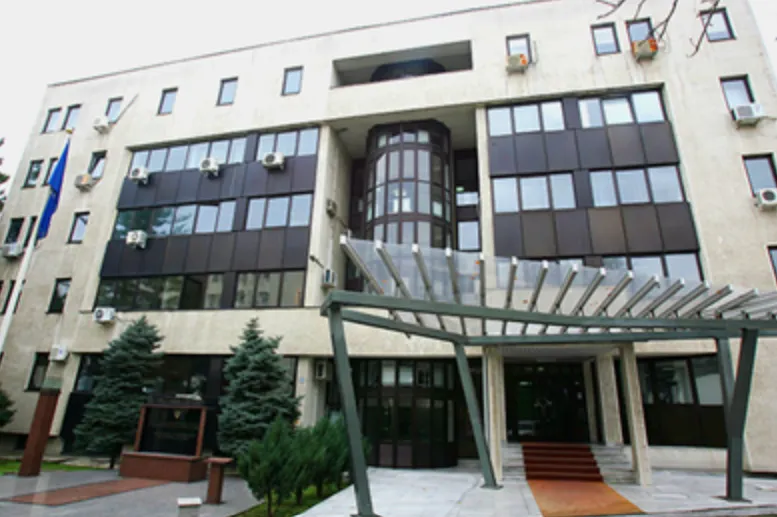
The Fund says the contributions were not paid. The Ministry says they were. Standing between those two claims is a...
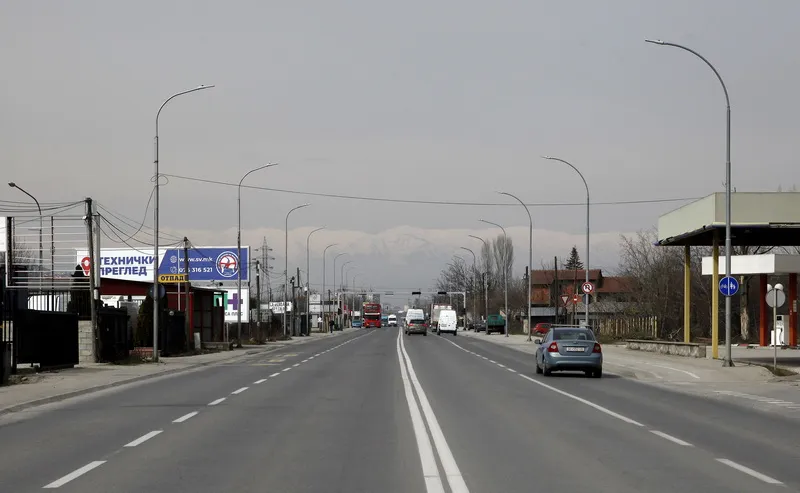
Queues all the way to OHIS, and on site only road signs and a closure. Four mayors later, the 850-metre...
This site uses cookies - is that okay? Learn more
Be the first to know when Metla launches something new
Leave your email and we will write when there is a new guide or something new on Metla.