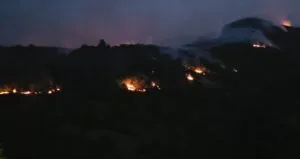
Twenty-one fires in a single day: the record nobody wanted to break
13.08.2026


13.08.2026

13.08.2026

13.08.2026
13.08.2026
12.08.2026
12.08.2026

13.08.2026

13.08.2026

12.08.2026

13.08.2026

13.08.2026

13.08.2026
13.08.2026

12.08.2026

11.08.2026

13.08.2026

13.08.2026

13.08.2026

13.08.2026

13.08.2026
12.08.2026

09.03.2026

27.02.2026

19.02.2026
13.08.2026
12.08.2026
11.08.2026

23.04.2026

23.04.2026

12.04.2026
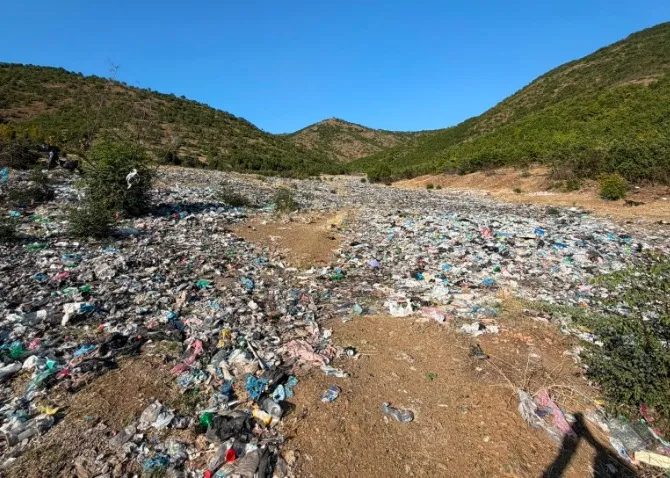
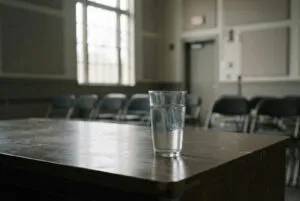
While the mayor was drinking water in front of the cameras to calm the panic, the experts were talking about something else - the abandoned landfill of the former Jugohrom plant in Jegunovce, full of hexavalent chromium, some thirty kilometres from the Rašče spring.
This is not new information, and that is exactly what makes it heavier. The landfill has been sitting there for decades. No laboratory report on Skopje's water changes its condition, because the danger it poses is not measured in today's sample but in what happens if it ever reaches the groundwater flows.
Environmental coordinator Iva Petrovska's formulation is as short as it needs to be: „If that hexavalent chromium reaches water, the water becomes unusable for everything.” Not for drinking. For everything.
Less than one percent of the budget
What makes this story damning is that the solution is known and costed. A hydro engineer points out that the clean-up has to begin before it is too late, and according to estimates cited in expert assessments, the work - sealing it off or building a sarcophagus over the landfill - would cost under one percent of the state budget.
Under one percent. For a risk that, according to those same assessments, concerns the water supply of around one third of the country's population.
Anyone looking for an explanation of why citizens believe a message sent at midnight faster than they believe an institution has the answer right there. This is not naivety. It is habit - for decades people have watched a known, costed and solvable problem sit unsolved, so they conclude that the unknown one is surely sitting there too.
The prosecution is checking, but checking what exactly
The public prosecutor's office has opened checks connected to the events around the Rašče spring and the quality of the water, with the aim of establishing what exactly happened and whether there was any danger to citizens. It has to determine whether this is a real quality problem, a failure in procedure, or information that caused unwarranted alarm.
Those checks come after something that is neither rumour nor panic. In Gostivar, analyses recently showed significant microbiological contamination, a ban was issued on using the city's water for drinking and food preparation, and the prosecution opened an investigation against three people. Several institutions joined that investigation - the police, the Institute of Public Health and the Food and Veterinary Agency.
So the question is not whether water here can be contaminated. It already was, this year, an hour's drive from Skopje.
Yesterday's message was untrue and that has been established. But the mistrust it carried across the city within hours was not invented by that message, nor by the opposition. It was built by a landfill that has spent decades waiting for one percent of the budget.
The latest 10 news from this category
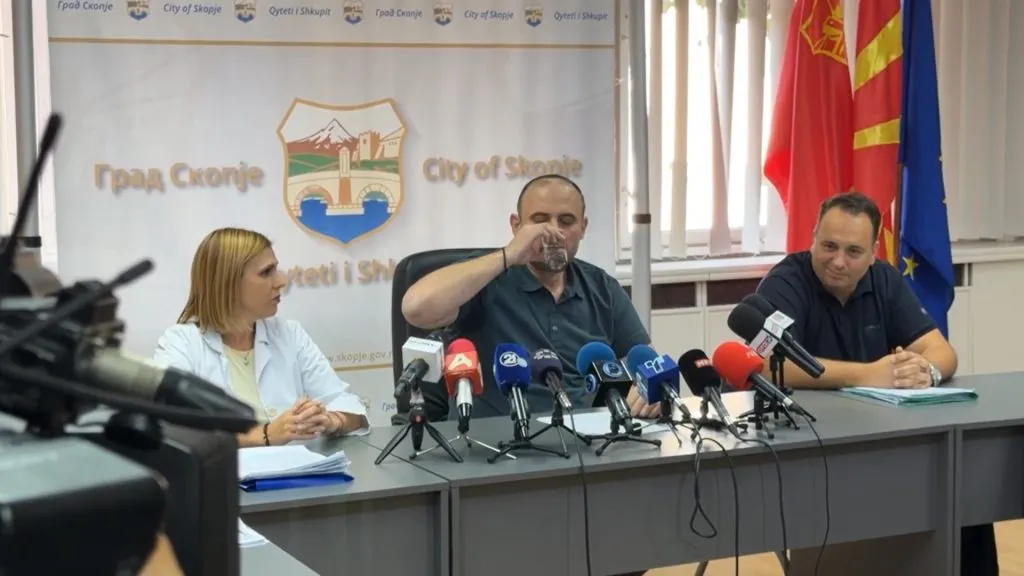
Labs showed zero bacteria, and the mayor drank a glass on camera. But the landfill near Rašče has been sitting...
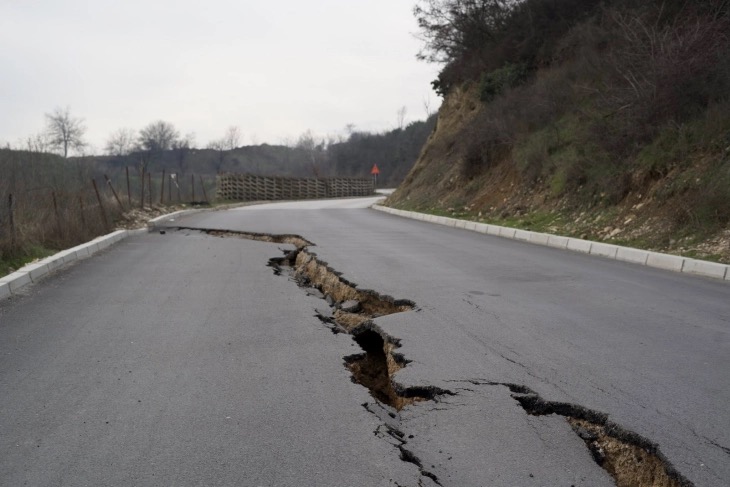
The transport ministry is taking over the landslide after a tender closing on 20 August. The work did not stall...
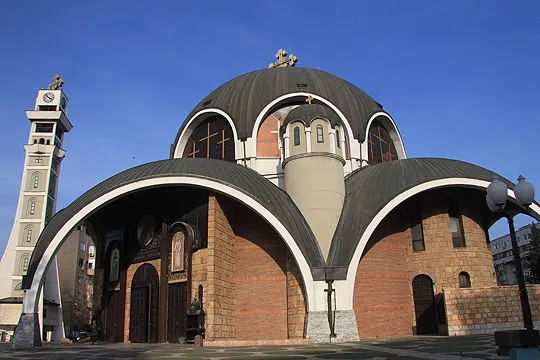
Six thousand places under the domes, a five-tonne chandelier and a facade that took first place in Budapest this year....
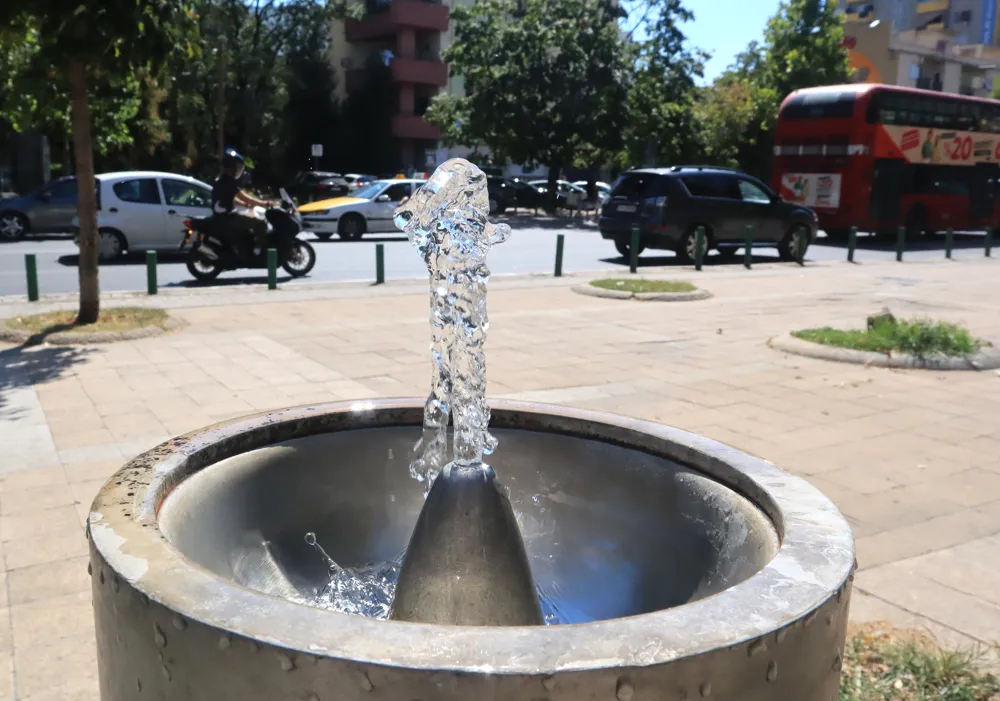
Intestinal infections are rising across the country because of the heat and travel. Yesterday the whole country was talking about...
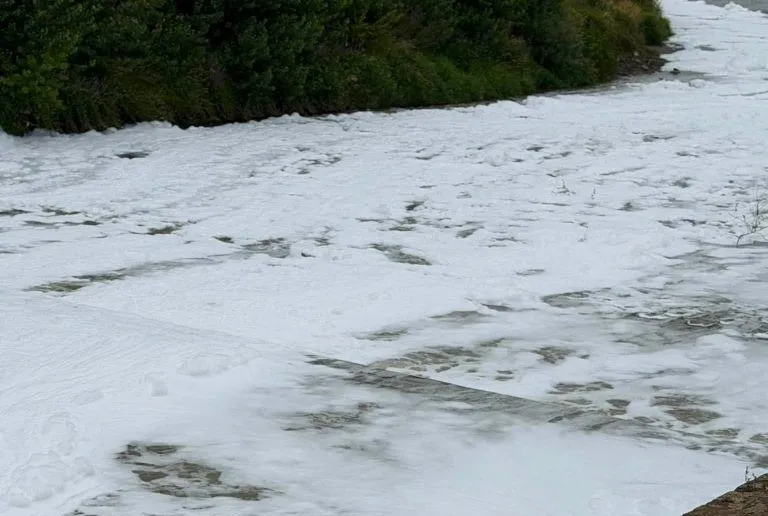
The river turned white with foam, the analyses are nowhere. A message about the water got a press conference, a...
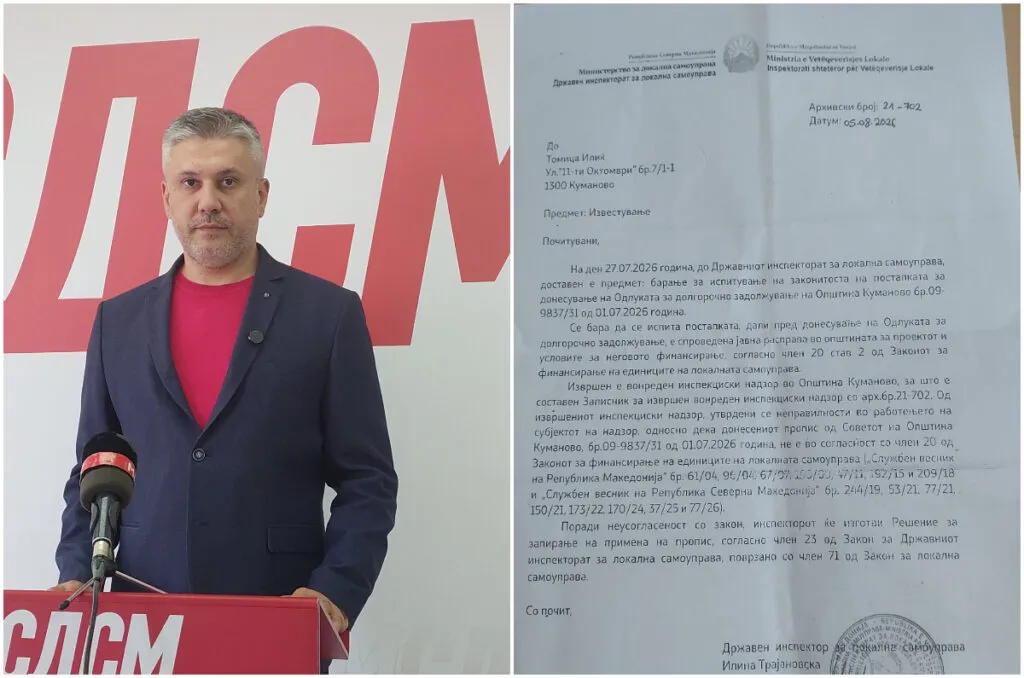
The state inspectorate found no public hearing was held before the decision. The mayor insists the hearing comes later.
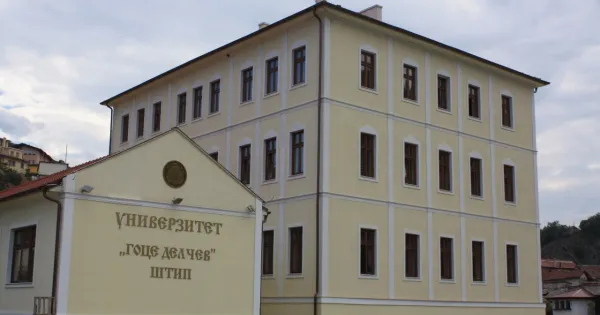
Twelve faculties, three academies and three days for a decision that lasts four years. Medicine and IT are pulling the...

Over twenty events on the lake, a Balkan open-water swimming championship and four concerts. A photograph does not fill hotels...
The Fund says the contributions were not paid. The Ministry says they were. Standing between those two claims is a...
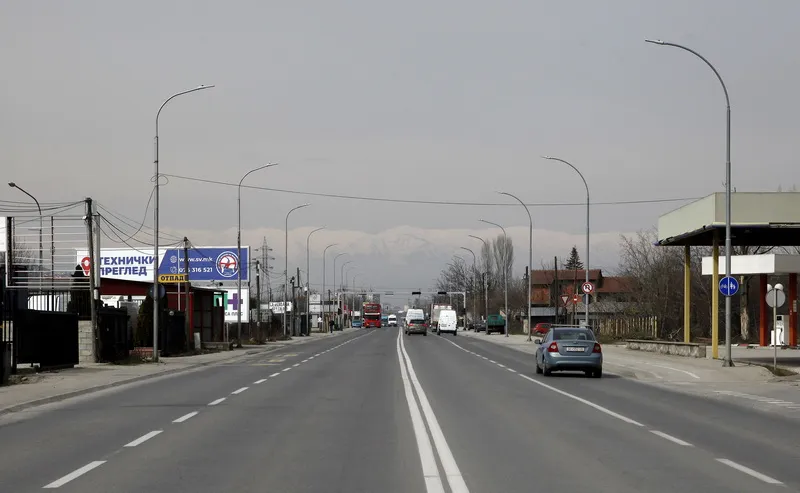
Queues all the way to OHIS, and on site only road signs and a closure. Four mayors later, the 850-metre...
This site uses cookies - is that okay? Learn more
Be the first to know when Metla launches something new
Leave your email and we will write when there is a new guide or something new on Metla.