
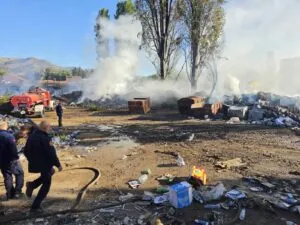
Fire by the railway in Prilep: residents watched black smoke over textile waste, "Komunalec" says - a small part, no danger
04.10.2026


04.10.2026
04.10.2026

04.10.2026

04.10.2026
04.10.2026
04.10.2026
04.10.2026

04.10.2026
04.10.2026
04.10.2026
04.10.2026
03.10.2026

04.10.2026

04.10.2026
04.10.2026
04.10.2026
03.10.2026

02.10.2026
04.10.2026

04.10.2026

04.10.2026
04.10.2026

04.10.2026
03.10.2026

09.03.2026

27.02.2026

19.02.2026
04.10.2026
04.10.2026
03.10.2026
04.10.2026

02.10.2026
22.08.2026

23.04.2026

23.04.2026

12.04.2026

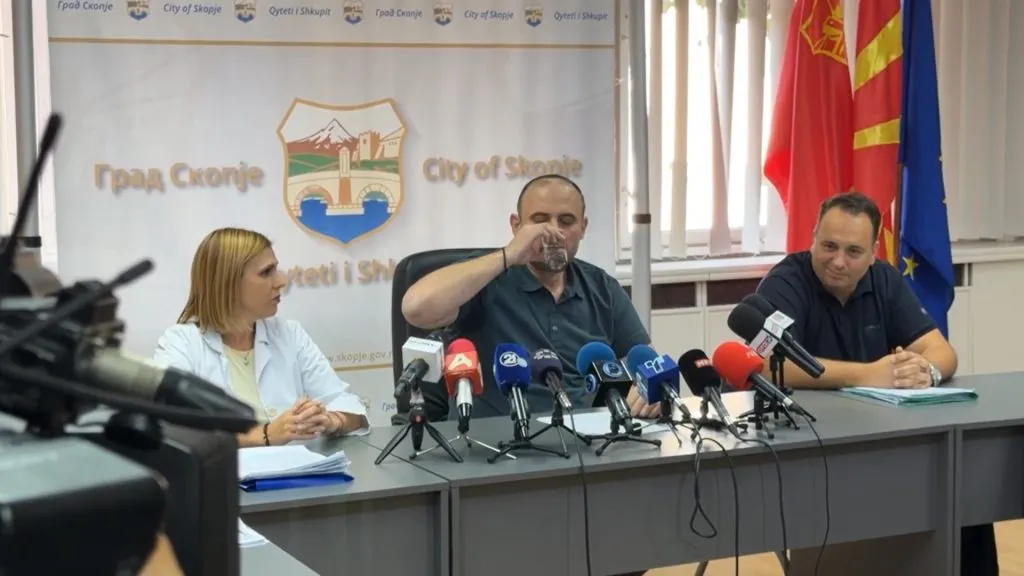
One morning was all it took. A message about alleged E. coli in Skopje's water went around social media, and by midday shops were running out of bottled water, companies were circulating warnings to staff, and the institutions said nothing. When they finally spoke - the health ministry, the Institute of Public Health, the Skopje Centre for Public Health, the Food and Veterinary Agency and the City of Skopje - hours had already gone by.
The Food and Veterinary Agency said it had received no notification from the Skopje public utility about unsatisfactory laboratory results - a legal obligation, and the thing that would have been the basis for banning use of the water. The health ministry's message was even more concrete: not a single registered or hospitalised patient whose condition is linked to drinking contaminated water. The director of the Clinic for Infectious Diseases confirmed it too.
The laboratory figures are public as well. According to a testing report drawn up on 11 August, samples from the water supply system taken at the brewery location meet every prescribed standard. PCR analyses showed zero presence of Enterobacteriaceae and Pseudomonas aeruginosa. The head of the laboratory said a minimum of 20,000 analyses are carried out annually - around 36 a day.
The glass in front of the cameras
Mayor Orce Đorđievski held an emergency press conference, filled a glass of tap water and drank it in front of the cameras. He then said he had information that panic would be spread from certain centres, that all the profiles that spread the disinformation had been compiled and would be handed to the interior ministry, and that this amounted to an attack equal to a terrorist one. He put the blame on the opposition.
A glass of water drunk on camera is good television. What it does not answer is why hours passed between the first message that morning and the first denial. If the lab really does 36 analyses a day, the previous day's report was already sitting in a drawer while people were panic-buying water. A denial with a report number, a date and a result could have gone out in twenty minutes, not in the afternoon.
The landfill nobody disputes
There is one detail that slipped through unnoticed in all the noise. Đorđievski himself admitted the stories started because of a landfill some 30 kilometres from the Rašče spring - and that the landfill has been there for the last thirty years. Today, he said, it is being cleared.
The public prosecutor's office has meanwhile opened a case ex officio to check information about waste contamination in a protected zone near the Rašče springs, with the responsible prosecutor coordinating with the State Environmental Inspectorate.
So the panic was groundless - that has been established and documented in the lab. But the landfill is not imaginary, it has stood there for thirty years, and it is being cleared only after thousands of people lost a night's sleep. If that is the prompt the institutions needed to show up on site, then the disinformation, however damaging, did something thirty years of inspections did not.
The latest 10 news from this category
Extending the old road, water for Gurgurnica, young people who shouldn't leave and municipal companies. One candidate didn't respond to...

Minister Velkovski opened the centre and spoke of a society in which everyone has an equal chance. Capacity is 12...
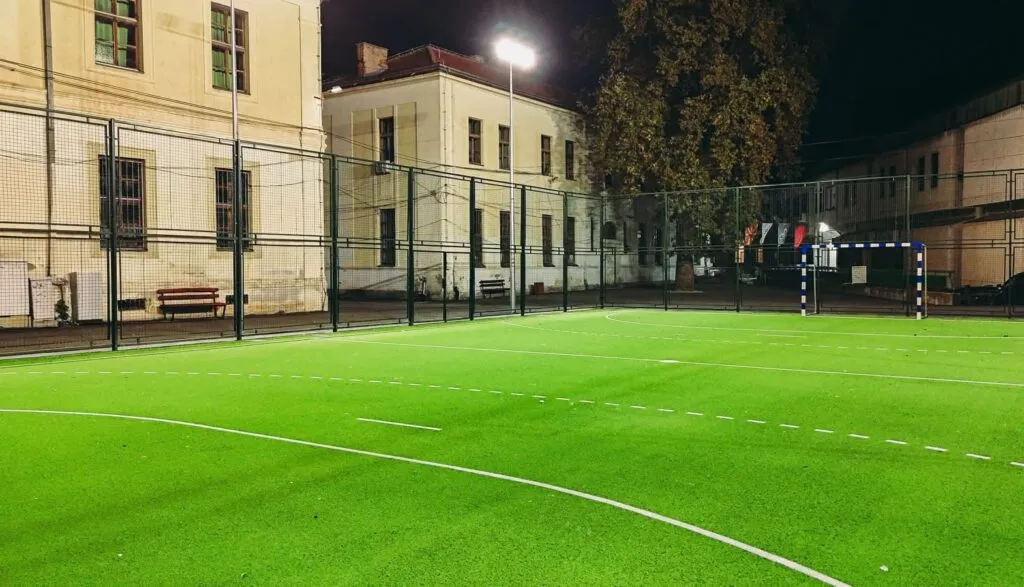
Futsal, handball and basketball, a fence and lighting. The money comes from a government call, and the real test comes...

Just to preserve the purchasing power of the 140 denars, food prices say it should be around 151. Instead, the...
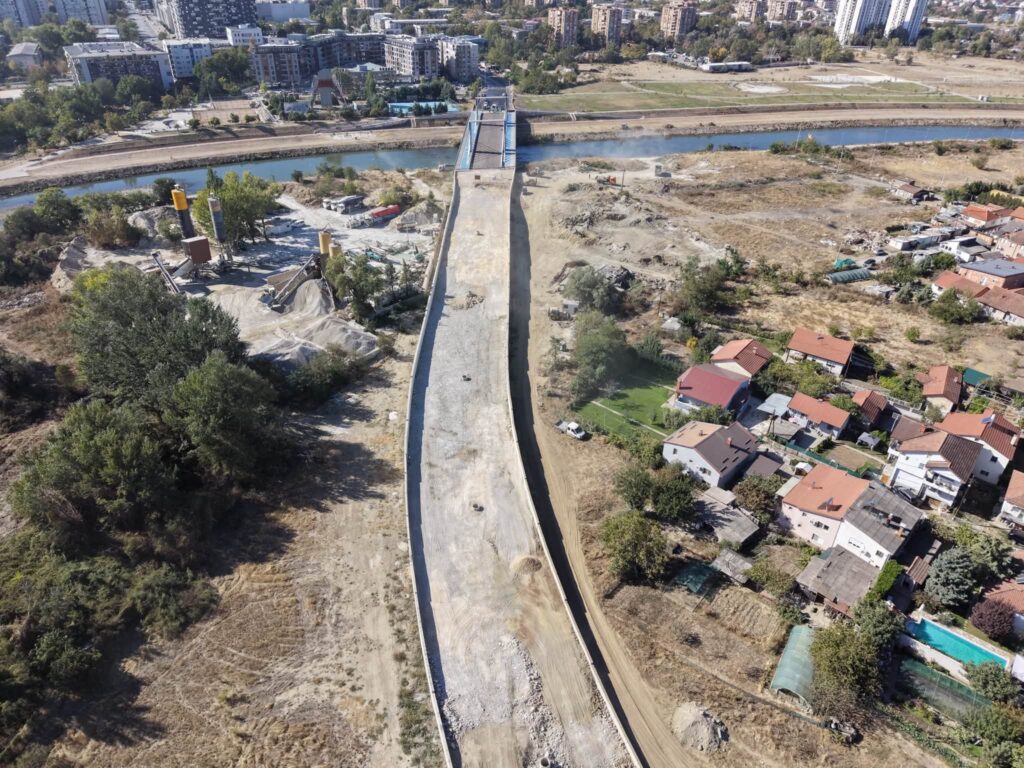
A new link to Zlokukjani, Bardovci and the Industrial Zone, four lanes and 40 street lights. Gjorgjievski pinned the blame...
After the operation at Bit Pazar, where around 500 kilograms of food were seized, the mayor is announcing checks in...
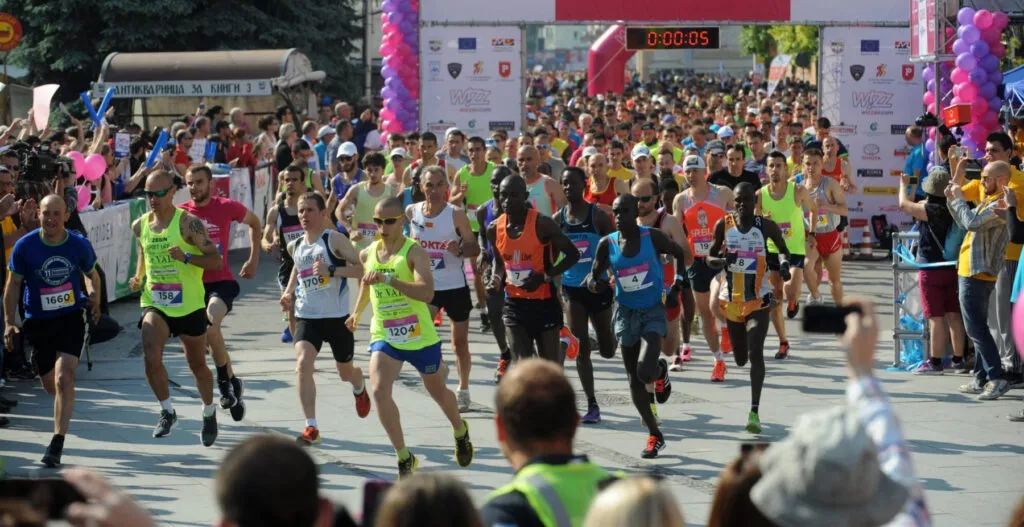
Start at 8 am, finish on Macedonia Square. From 6 am to 2 pm, Rekord, "11 Oktomvri", "Krushevska Republika" and...

Цар Самоил е нераскинлив дел од македонското историско наследство. Неговата држава имала клучни центри во Преспа и Охрид, а Охрид...
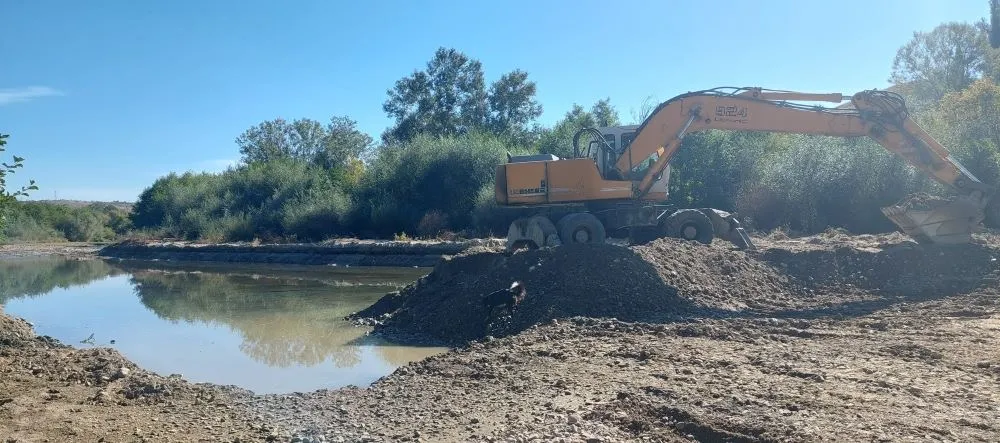
Residents remember 6-7 metre pits and a drowned child from the last round of digging. Now a permit has been...
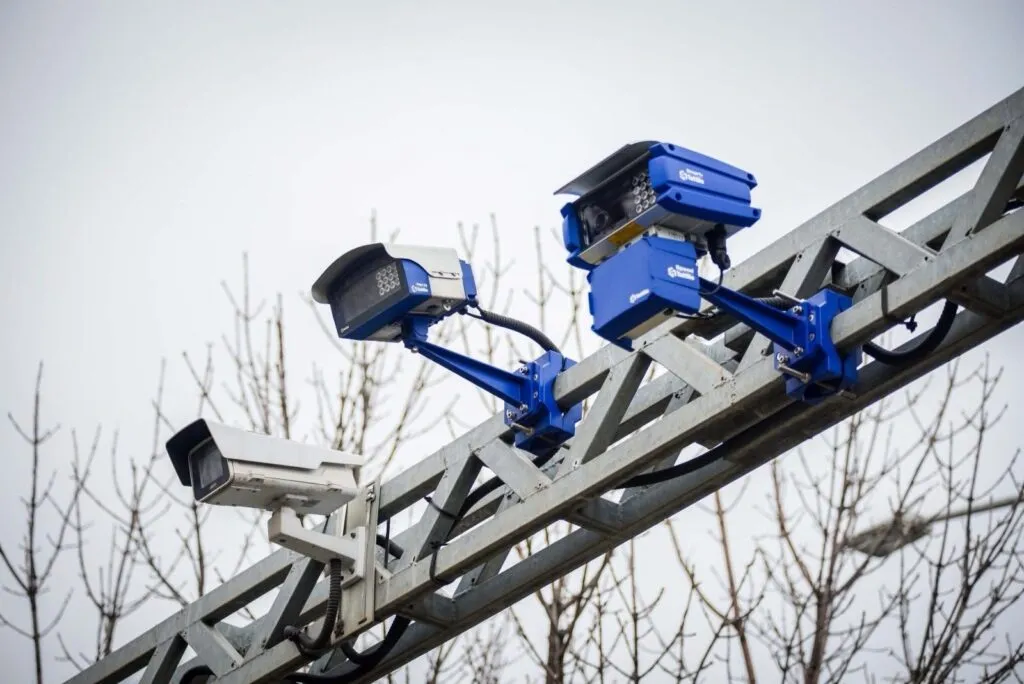
The cameras will count traffic violations, and the Interior Ministry also promises help fighting crime. The project documentation is still...
This site uses cookies - is that okay? Learn more
Be the first to know when Metla launches something new
Leave your email and we will write when there is a new guide or something new on Metla.