

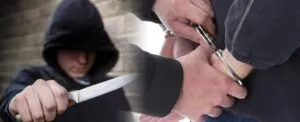
Kratovo man stabs police officer mid-intervention: prosecutors want the 40-year-old detained
15.09.2026


15.09.2026

15.09.2026
15.09.2026
15.09.2026

15.09.2026
15.09.2026

15.09.2026

14.09.2026

13.09.2026

15.09.2026

15.09.2026
14.09.2026
15.09.2026
15.09.2026

15.09.2026

15.09.2026

14.09.2026

13.09.2026

15.09.2026

15.09.2026

15.09.2026

15.09.2026

15.09.2026

14.09.2026

09.03.2026

27.02.2026

19.02.2026

15.09.2026

14.09.2026
14.09.2026

23.04.2026

23.04.2026

12.04.2026

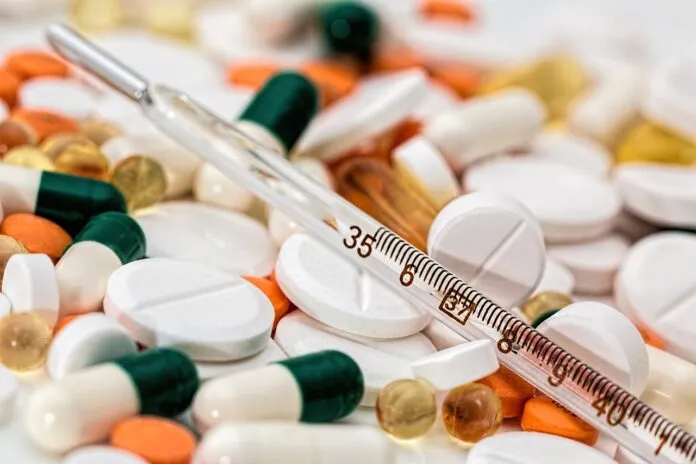
Sixteen children have ended up in the paediatric ward of the Kumanovo General Hospital this year with poisoning. Most often they are children between two and four years old, who drank a medicine, a detergent or a cleaning product.
In the last month alone, six cases were registered in the Kumanovo area. The most recent - a nine-month-old baby from a village near Lipkovo, brought in on suspicion of having swallowed detergent. That one ended well; the child was in good condition and no dangerous substance was found to have been ingested.
Six cases in thirty days, in a single municipality. That is no longer a run of bad luck.
What children reach for most
The head of the paediatric ward, Dr Margica Arsovska, ranks the list by frequency: medicines first - antibiotics, sedatives, heart medication, diabetes medication. Then household products and cleaning agents. Pesticides. And children eating plants.
"Children explore, they want to get to know their surroundings, but sometimes that also means they will try something that can be dangerous," Arsovska says.
In the more serious cases the child can lose consciousness. Certain chemicals cause severe damage to the oesophagus and the stomach.
The mistake adults make, not children
One detail from the paediatricians' advice is worth reading twice: do not pour chemicals into different packaging.
"If, for example, a thinner or paint is poured into another bottle, the child may think it is juice and drink it. We have had such cases too," Arsovska explains.
That is the moment it becomes clear this is not a story about careless children. A two-year-old does not read labels. What they see is a juice bottle, on the table, at the height of their hand. The decision that puts the child in hospital was made by somebody else, a few days earlier, when it was easier to pour thinner into an empty bottle than to keep it in the original one.
If it happens
The two pieces of advice doctors repeat are concrete and easy to remember. First: bring the packaging with you to the doctor - the bottle, the box, the tablet. They need to know which medicine was swallowed, the approximate dose, how much is left and how much time has passed. That directly affects the treatment.
Second: do not induce vomiting on your own. With chemicals and detergents, especially corrosive ones, that damages the body further. The first two hours are decisive - but in hospital, not at home.
Health education for parents, as Arsovska puts it, is key to bringing the number down. But the pattern these cases reveal changes faster with one locked cupboard than with any campaign.
The latest 10 news from this category
Ten years working inside the health system - and she still had to pull strings to be admitted. The clinic...
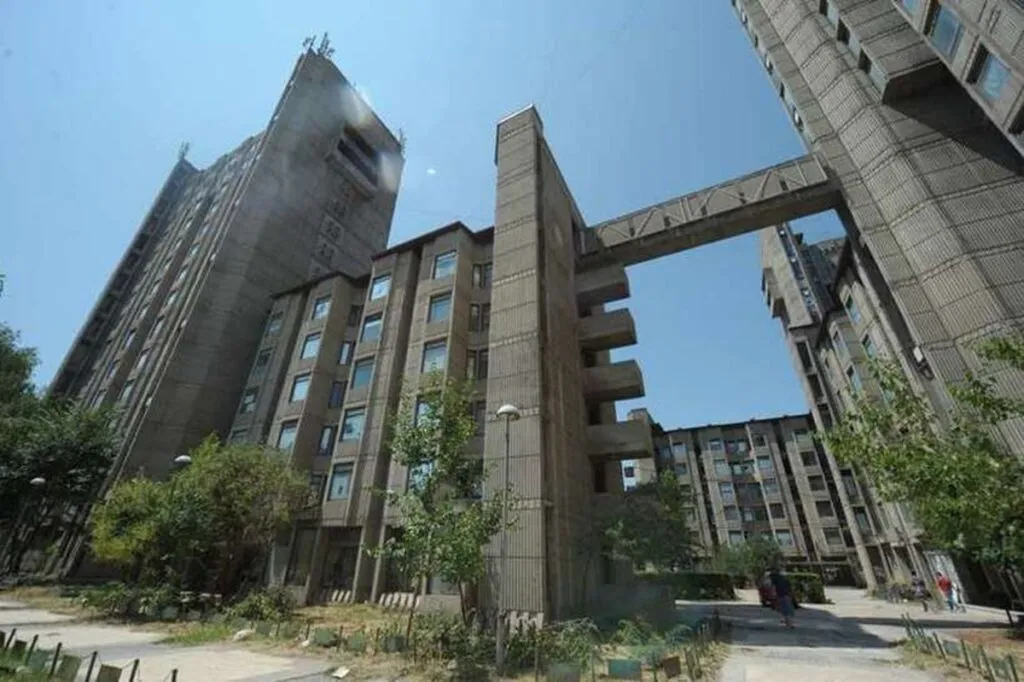
Appeals run from 15 to 25 September. There is not enough space at Goce Delčev, so students go to Stiv...

From 23:00 to 05:00 there is no getting through towards Evzoni. Towards Halkidiki - business as usual. Those heading on...
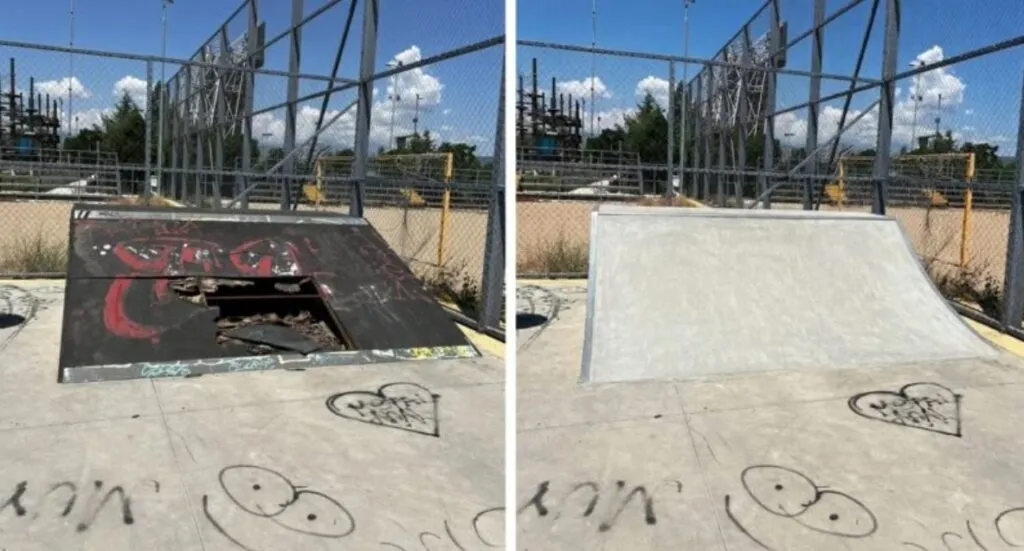
The injuries come from holes in the surface, not from tricks. The reconstruction permit has been issued - the concrete...
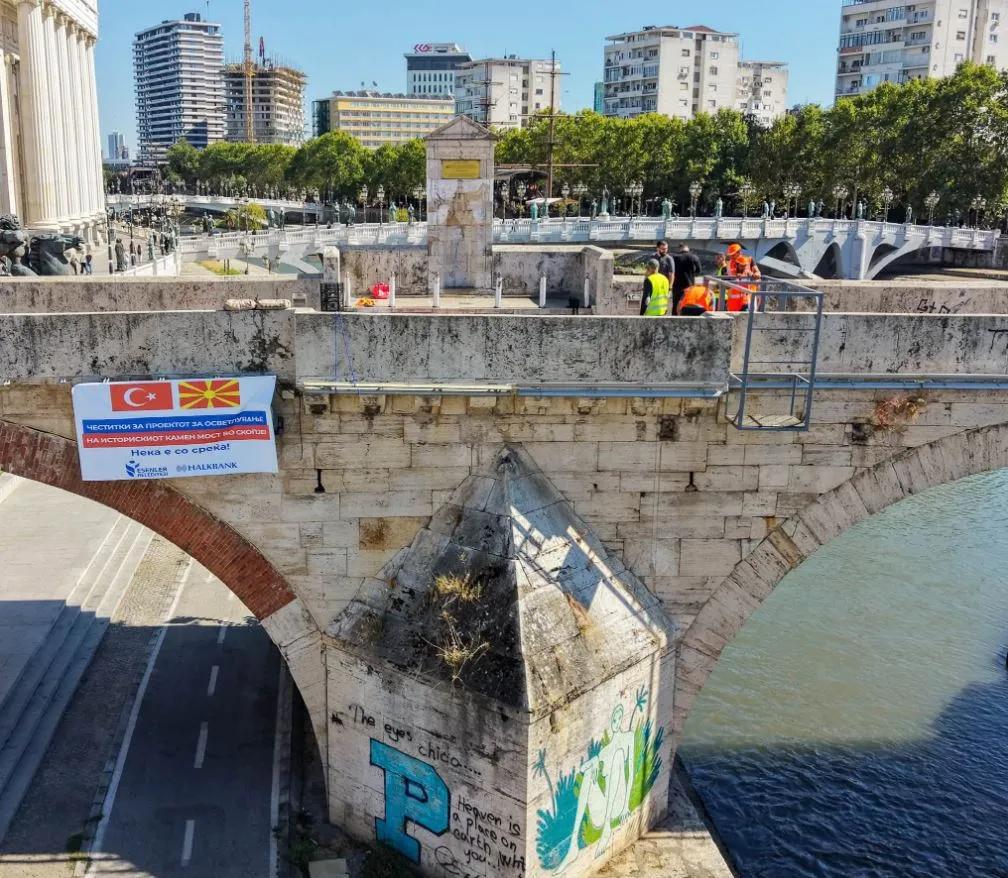
The bridge is closed to pedestrians while the work lasts. The city talks about dignity and future generations - the...
One hour more sleep, one hour less light in the afternoon. The European Parliament backed scrapping this seven years ago...

Seven minutes back to second place over 21 kilometres. But the home national champion finished just 38 seconds behind the...
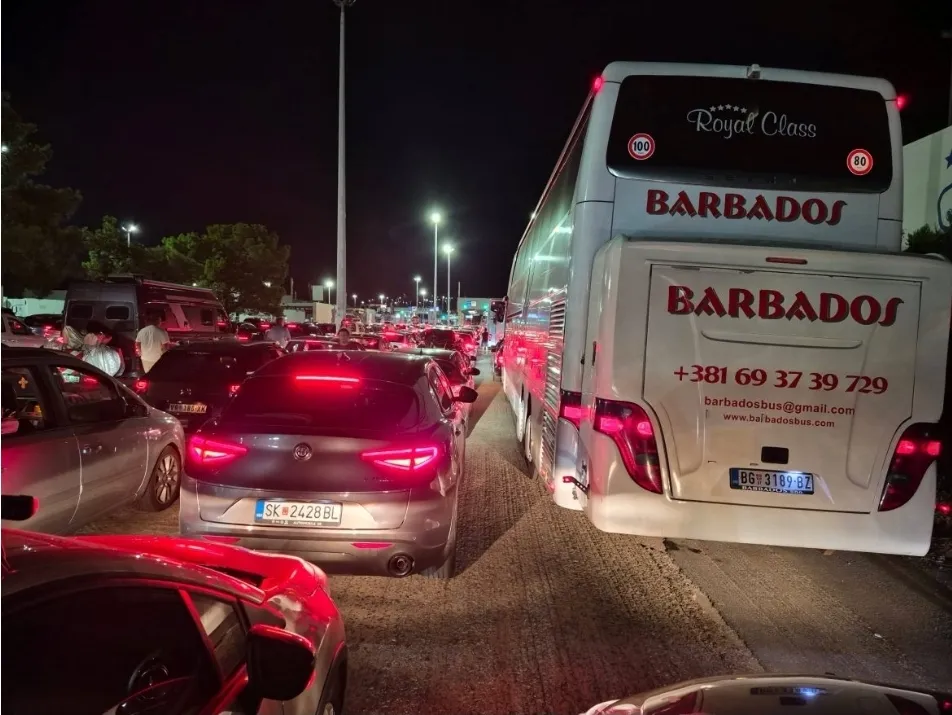
Travellers report three and a half to four hours of queuing on the way in from Greece. The state has...
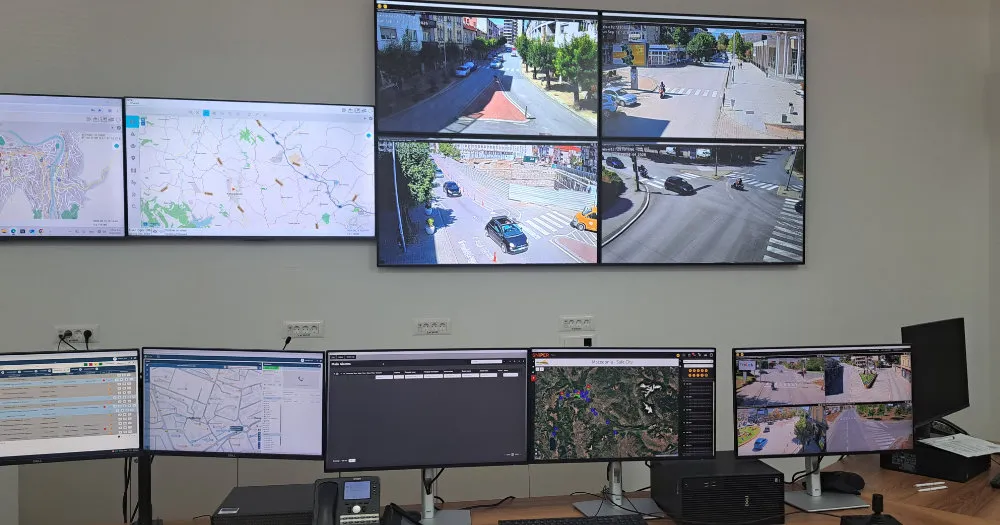
Toshkovski showcased the fines, but the real figure is elsewhere - 96 road deaths last year, 61 this year in...
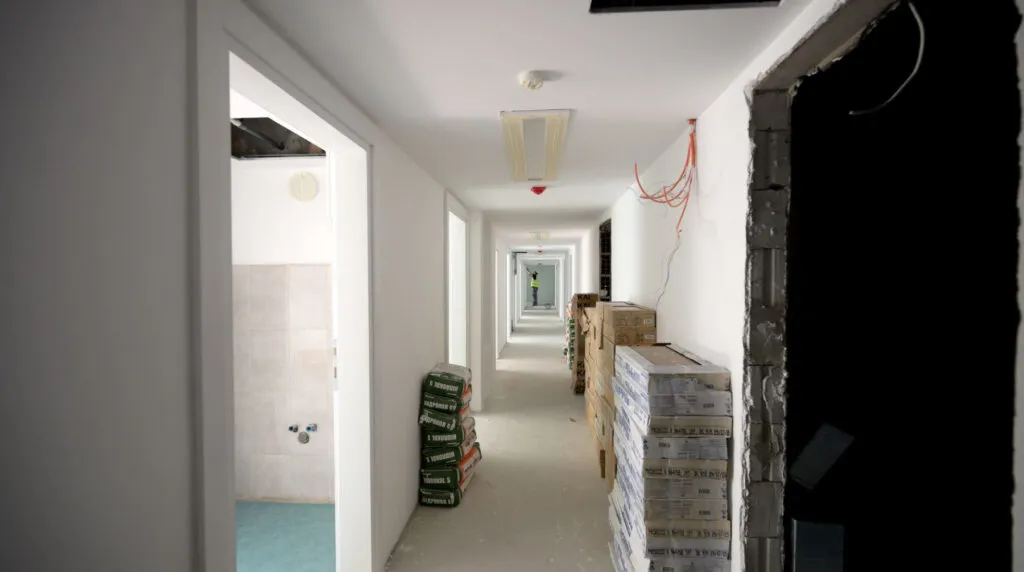
The state paid 120,000 euros purely because the money sat unspent in an account. A dormitory in central Skopje was...
This site uses cookies - is that okay? Learn more
Be the first to know when Metla launches something new
Leave your email and we will write when there is a new guide or something new on Metla.
