Smugglers Dragged a Police Officer With Their Vehicle at Blace: the Second Car Is What Tells You This Wasn't an Accident
14.09.2026


14.09.2026

14.09.2026
14.09.2026
14.09.2026
13.09.2026

12.09.2026

14.09.2026

14.09.2026

13.09.2026
14.09.2026

14.09.2026

14.09.2026

14.09.2026
13.09.2026

12.09.2026

14.09.2026

14.09.2026

14.09.2026

14.09.2026

14.09.2026

13.09.2026

09.03.2026

27.02.2026

19.02.2026

23.04.2026

23.04.2026

12.04.2026

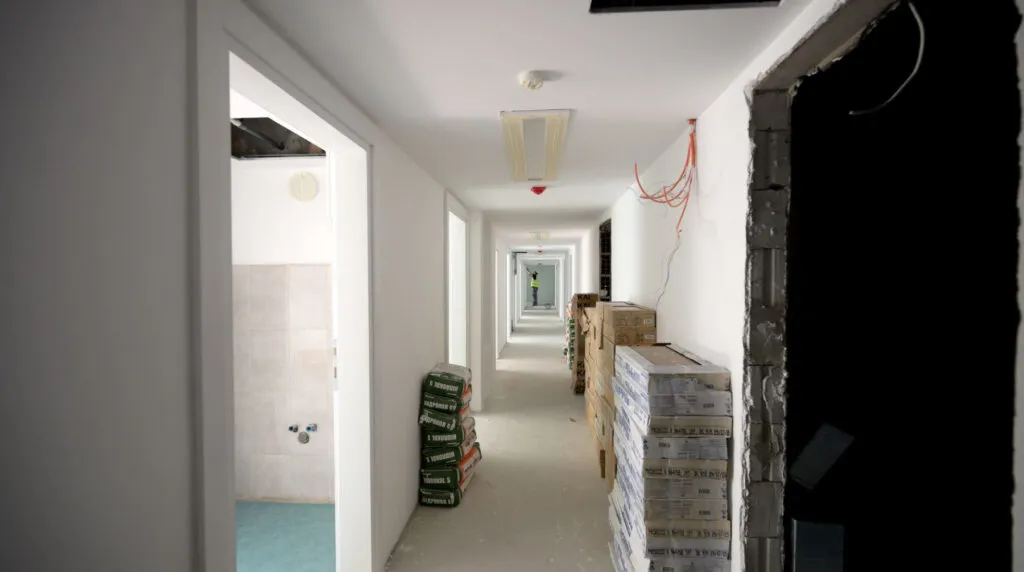
Eighty-five and a half million euros to renovate student dormitories and resource centres. More than five thousand pupils and students are meant to get better conditions. The deadline is December 2031, and the final price is already being flagged as possibly exceeding one hundred million euros.
This money is not a simple budget line. Sixty million euros is a loan from the German development bank KfW - meaning debt that has to be repaid. Twenty-one million euros is a grant from the European Union, and 3.85 million comes from the Ministry of Education and Science. The whole thing is called "Energy-efficient rehabilitation of student dormitories and resource centres".
Seven years for two buildings
The first funds for this purpose were secured back in 2019. Seven years later, two dormitories are finished - "Stiv Naumov" in Avtokomanda, where work is nearly done, and "Kuzman Josifovski-Pitu" in Centar, expected to be completed by the end of the year.
The reasons for the delay are almost cartoonish, but real. Nobody had kept the original documentation from when the buildings were constructed. The cadastre listed hundreds of square metres in places where none exist, and omitted hundreds of square metres in places where they do. Permits came slowly. And because the money sat in an account without being spent, the state paid around 120,000 euros purely for failing to use it on time.
That is the price of incompetence, expressed as a figure. One hundred and twenty thousand euros, spent on nothing, while students lived in buildings from the fifties and sixties.
Heavy fuel oil in central Skopje, until recently
The "Kuzman Josifovski-Pitu" dormitory was heated with mazut - in the centre of Skopje, in a city that chokes every winter. The boiler has now been cleaned and sealed, the building is connected to district heating, and there is a small solar array on the roof. Triple-glazed windows, new insulation and new installations have gone in.
The project is split into three phases and covers nine student dormitories, one pupils' dormitory and six resource centres. The second phase, with seven buildings, is in the final stage of tendering. Four buildings - in Ohrid, Prilep, Shtip and the "Tome Stefanovski Senikj" dormitory in Skopje - will be renovated to a standard close to near-zero energy buildings, with design support from the German Fraunhofer institute.
Estimates say that once all the renovations are complete, annual carbon dioxide emissions will fall by 3,400 tonnes and electricity consumption will drop by around 7,700 megawatt-hours - roughly what 1,300 households in the country use in a year.
All of that sounds good. One question remains, though: renovation also means significantly fewer beds. The dormitories will be better, but fewer students will live in them. In summer they will operate as hostels so they do not become, as it was put, "a bottomless pit".
So - better conditions for fewer people. Who will take care of those who do not get one of those beds, nobody said. And that question will arrive long before 2031.
The latest 10 news from this category

Travellers report three and a half to four hours of queuing on the way in from Greece. The state has...
Toshkovski showcased the fines, but the real figure is elsewhere - 96 road deaths last year, 61 this year in...
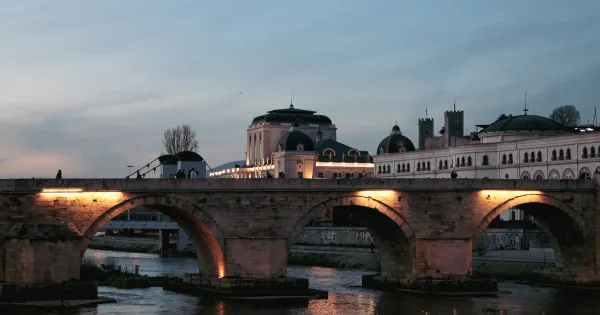
The shutoff starts at nine in the morning, on a working day. The announcement says when it begins but not...
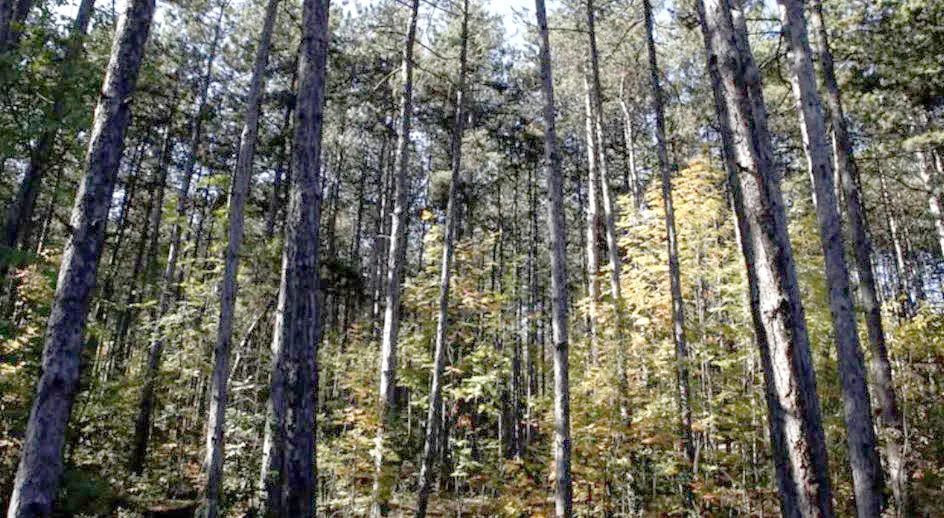
Over 1,500 signatures against clearing forest for dozens of new houses. The council president offered the name of the location...
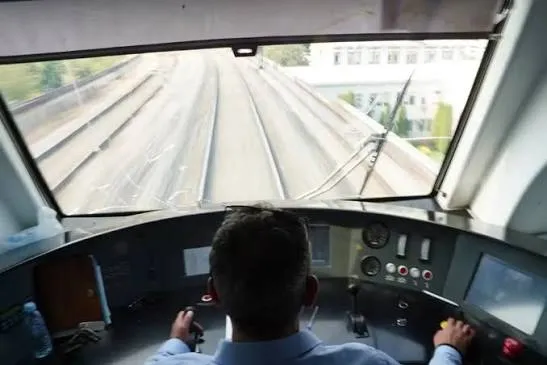
Nikoloski is announcing two new lines and new trains. But what separates infrastructure from a photo with a ribbon is...
Ivanovska recalls why Vodno was forested in the first place. Gerasimovski says the court annulled the old plan and a...

Three Bulgarian ministries, MPs from different parties and flags inside the medical centre. MAEI asks why a check-up in a...
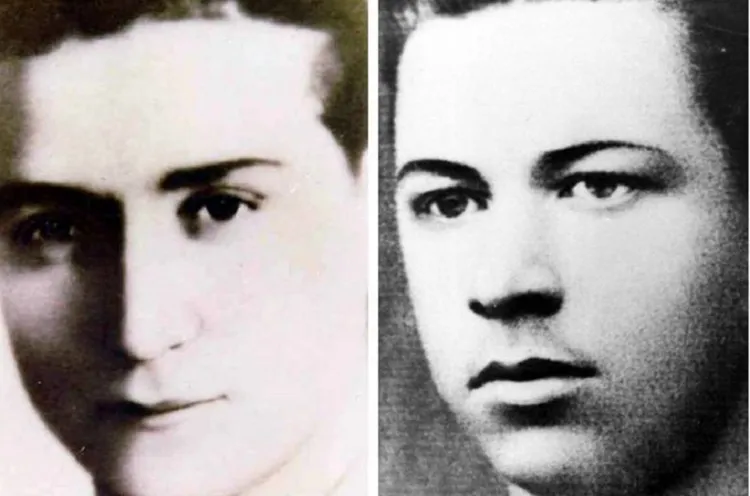
Flowers were laid in Bitola for Stefan Naumov and Dimitar Bogoevski. Behind the anniversary stand two biographies that ended at...
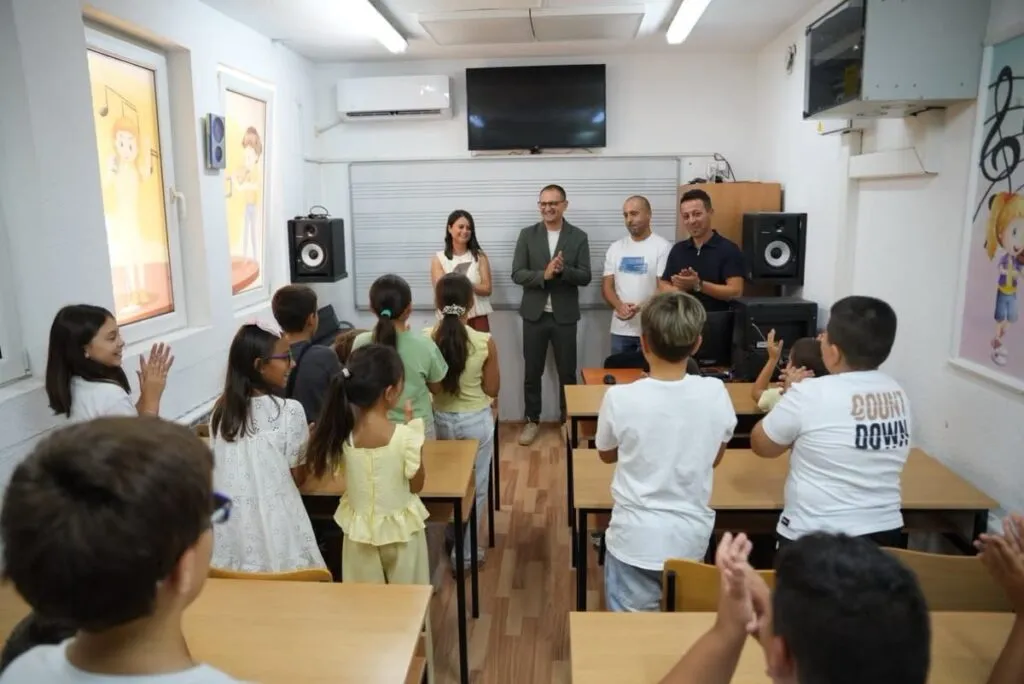
Eighty children do not simply appear out of nowhere. The question no ceremony answers is whether there are enough instruments...
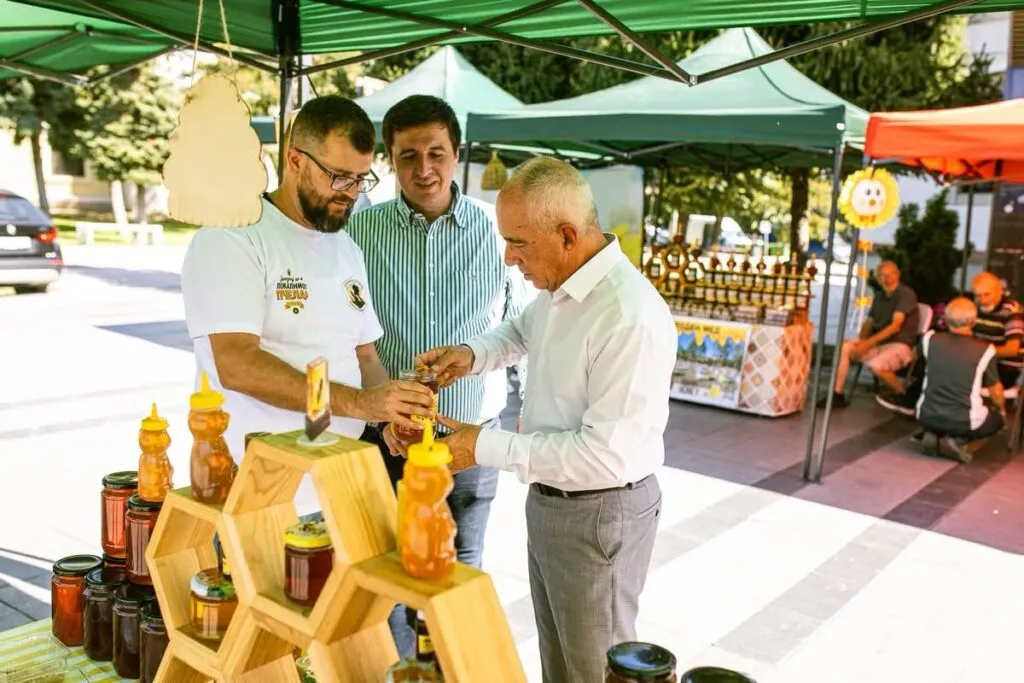
When you buy honey from the man who tells you which village it came from, you bypass the entire trade...
This site uses cookies - is that okay? Learn more
Be the first to know when Metla launches something new
Leave your email and we will write when there is a new guide or something new on Metla.