
Debar woman reported a 3,000-euro burglary at her home - police found she had made it up
14.10.2026


14.10.2026
14.10.2026

14.10.2026

14.10.2026
14.10.2026

14.10.2026

14.10.2026

13.10.2026
13.10.2026

14.10.2026

14.10.2026

13.10.2026

14.10.2026

14.10.2026

14.10.2026

14.10.2026

13.10.2026

12.10.2026

14.10.2026

14.10.2026

14.10.2026

14.10.2026

14.10.2026

14.10.2026
13.10.2026

12.10.2026

10.10.2026

23.04.2026

23.04.2026

12.04.2026


Ohrid and Struga are among the most critical places for child begging in the country, says Ilija Jovanović of the NGO "Gradime idnina" (We Build the Future). According to him, there are currently between 20 and 30 beggars in Ohrid and between 15 and 30 in Struga. Among them are newborns and children aged three to 15.
The children, Jovanović says, are brought in from other towns. "The biggest den is in Ohrid, where they bring them from Tetovo, Gostivar, Struga, Bitola, Resen, Prilep, Veles, Kičevo and Debar. There is an organised scheme," he claims.
An eight-hour working day
The figures the association presents sound like a report from a factory, not from the street. The children spend up to eight hours a day at intersections. One child collects between 3,000 and 5,000 denars a day and gets to keep between 10 and 30 denars. "In the end they also get a beating, and the rest, the bigger sums, end up with their bosses and organisers," Jovanović says.
The gravest of his claims concerns the girls. "There are girls who, according to what we know, are also exploited for sexual services. We have information that apartments were rented for that purpose," he says. These allegations have yet to be confirmed by the competent institutions.
The institutions have been informed
The association says it has informed the police stations in Ohrid, Struga, Kičevo and Dojran and that the Ohrid Interior Affairs Sector is already acting. According to Jovanović, the Ministry of Labour and Social Policy and the Interior Ministry are carrying out a larger operation across the country, town by town.
The association's project has been running for five years. According to their data, the number of children begging across the country has dropped from around 2,000 to around 700. That is progress. But 700 children on the street every day is not a number anyone should dare to call a success.
When a child is found on the street, Jovanović explains, they are first taken to a health facility, then held at a police station for six hours to establish their identity, and then juvenile inspectors and social services take over. The police file criminal complaints and warn the parents, but slow court proceedings are named as the biggest obstacle to a lasting solution.
That is exactly the crux of it. If the scheme is organised - with children brought in from all over western Macedonia, with "bosses" and rented apartments - then this is not a matter for a social worker, but for a prosecutor. A child can be taken off an intersection for a day. An organiser who isn't convicted brings another child tomorrow.
The association proposes day centres and bringing the children into education and the social protection system. But above all, the public deserves an answer to one question: how many organisers of child begging have ever ended up in front of a judge?
The latest 10 news from this category
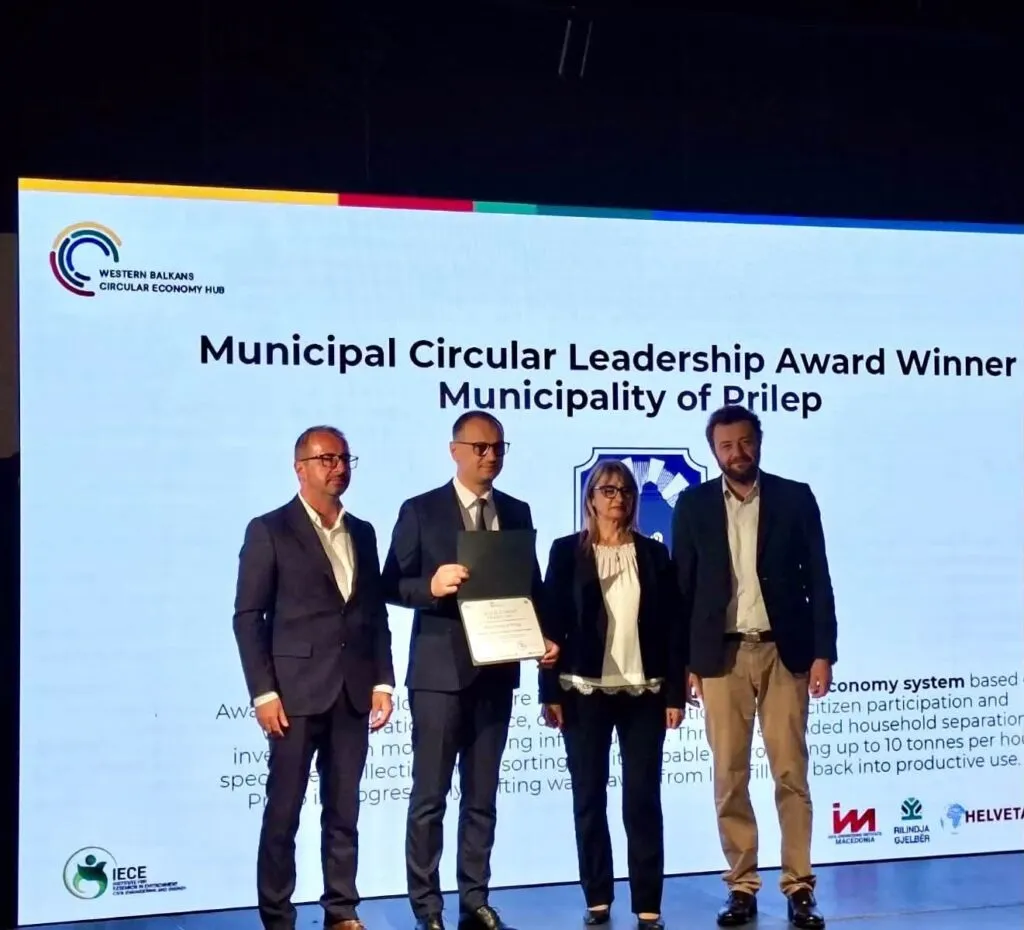
An international jury picked Prilep out of 63 applications from the Western Balkans. The 49% figure sounds great - it...
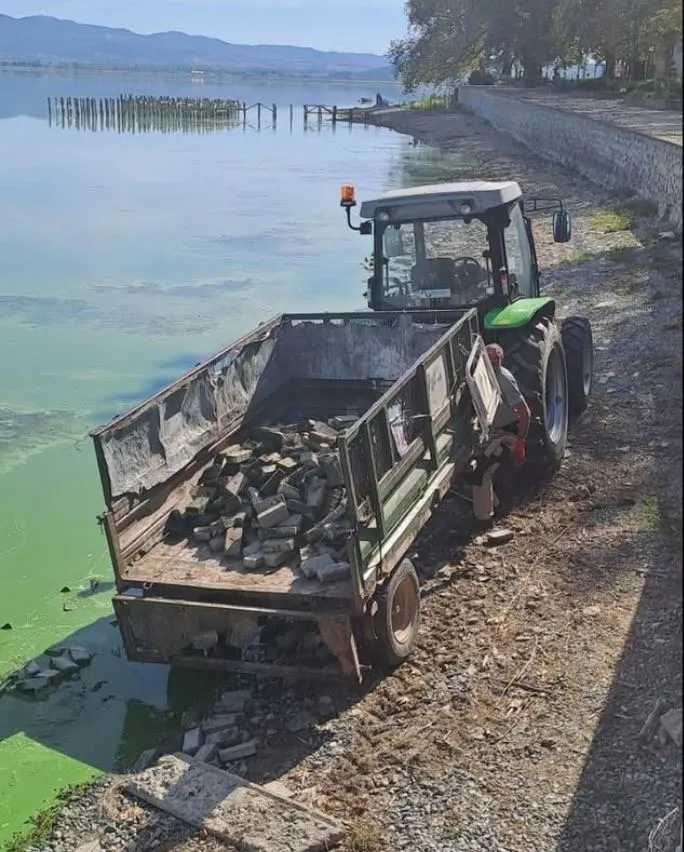
The Municipality of Dojran is using new machinery to clean the shore along the promenade in Star Dojran. The paving...

On October 28, 188 prosecutors will choose Islam Abazi's successor by secret ballot. The programmes are alike - financial investigations,...
30,000 doses are already in the country, and the minister promises a start between October 16 and 25. Citizens who...
ESM greeted the first day of the heating season with leaks, substation faults and outages in several neighbourhoods. And the...
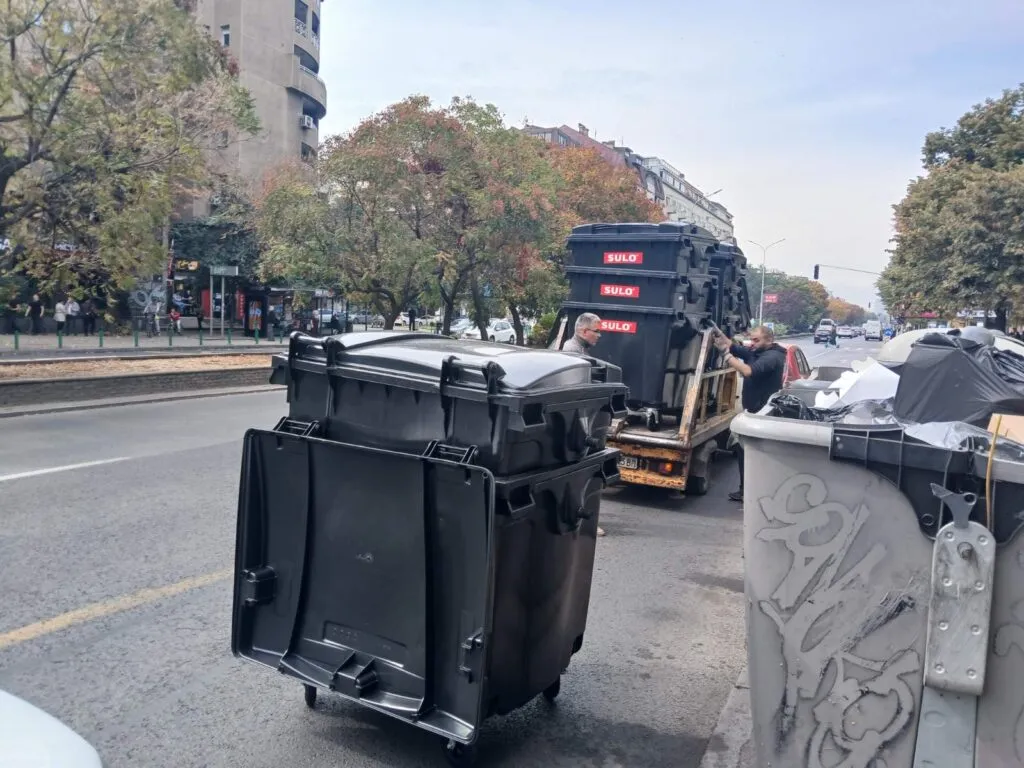
The city has started putting out the new bins, and Skopje residents are asking for something you can't buy through...
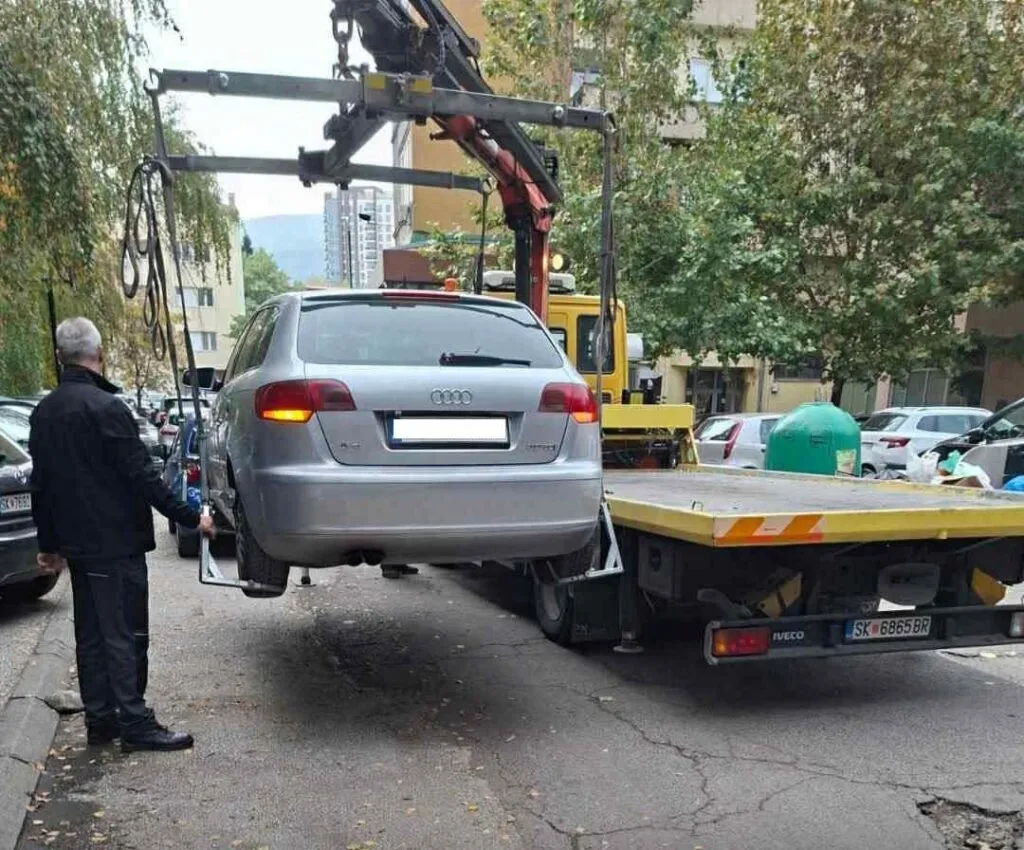
Around 19 cars a day, towed because they were blocking traffic. The municipal parking company says it will keep going...
Both her passports were confiscated a year ago, her name was on the stop list, and the Interior Ministry has...
Residents report burning throats; according to Levica, the crisis centre sends them to the media and the municipality sends them...
A new line via Gradsko, a tunnel under Pletvar and Prilep an hour from Skopje. The vision is lovely, the...
This site uses cookies - is that okay? Learn more
Be the first to know when Metla launches something new
Leave your email and we will write when there is a new guide or something new on Metla.