Debar woman reported a 3,000-euro burglary at her home - police found she had made it up
14.10.2026


14.10.2026
14.10.2026

14.10.2026

14.10.2026
14.10.2026

14.10.2026

14.10.2026

13.10.2026

13.10.2026

14.10.2026

14.10.2026
13.10.2026

14.10.2026

14.10.2026

14.10.2026

14.10.2026

13.10.2026

12.10.2026

14.10.2026

14.10.2026

14.10.2026

14.10.2026
14.10.2026

14.10.2026
13.10.2026

12.10.2026

10.10.2026

23.04.2026

23.04.2026

12.04.2026

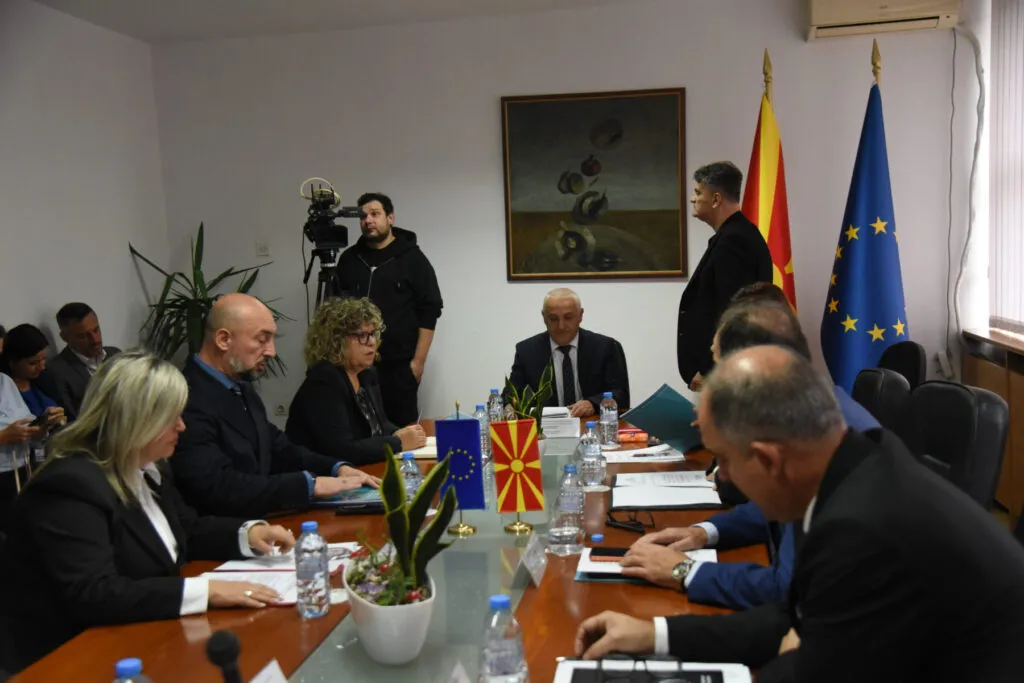
The Public Prosecutor's Office for Prosecuting Organised Crime and Corruption (OJO GOKK) is getting a new head, and for the first time the choice is in the hands of the prosecutors themselves. On October 28, from 8 a.m. to 4 p.m., 188 public prosecutors from across the country will elect Islam Abazi's successor in a secret, direct vote. That is the novelty introduced by the amendments to the Law on the Public Prosecutor's Office.
There are five candidates: Faton Azizi and Iskra Hadzhi-Vasileva from OJO GOKK, Trajche Pelivanov and Jovan Cvetanovski from the Higher Public Prosecutor's Office in Skopje, and Lidija Raichevikj from the Basic Public Prosecutor's Office in Skopje. They presented their programmes before the Council of Public Prosecutors, broadcast live.
The programmes look alike
Azizi, who works in the department for prosecuting high-level corruption and leads the "Botox" and "Additives" cases, wants a stronger investigative centre, new staff for economic crime and digital forensics, and direct access to the databases of the Interior Ministry and the Public Revenue Office. "There is no big or small suspect," he said. Pelivanov, a former prosecutor in the now-defunct Special Prosecutor's Office (SJO) and former deputy head of OJO GOKK, spoke mostly about independence: "A strong prosecution is not the one that is loudly announced, but the one that builds quality investigations that will stand the test in court."
Hadzhi-Vasileva, who is handling the case against judge Gjoko Ristov, proposed four pillars - timeliness, financial investigations, digitalisation and transparency - and more frequent use of plea agreements. Cvetanovski proposed a protocol on when the prosecution will seek detention and when a milder measure, as well as the public release of prosecutorial decisions.
The sharpest performance came from Raichevikj, the only one who didn't submit a programme. Instead of a programme, she said, the prosecution needs expertise and a proactive approach: prosecutors who uncover crime rather than just waiting for police reports. She also spoke openly about the "pathology" of a certain candidate phoning around all of Macedonia to gather votes.
What went unsaid
Everyone promises more financial investigations and a stronger investigative centre. But none of the candidates said how more money and people would be found if the government is against increasing the prosecution offices' budget. Without that answer, the programmes remain wish lists.
No one at the session even asked about the indictment filed against Cvetanovski, which has not yet been reviewed. He says it is no obstacle to his candidacy. State Public Prosecutor Nenad Saveski, for his part, asked each candidate one question, and was particularly interested in whether the programmes carried the prosecution's logo, which he promoted after taking office.
The prosecution meant to go after the most powerful will be run by someone the prosecutors choose themselves. Whether they vote by conscience or by phone call will become clear on October 28 - and after that, in the first big case.
The latest 10 news from this category

Children from all over western Macedonia are brought to Ohrid to beg, claims the association "Gradime idnina", which also speaks...
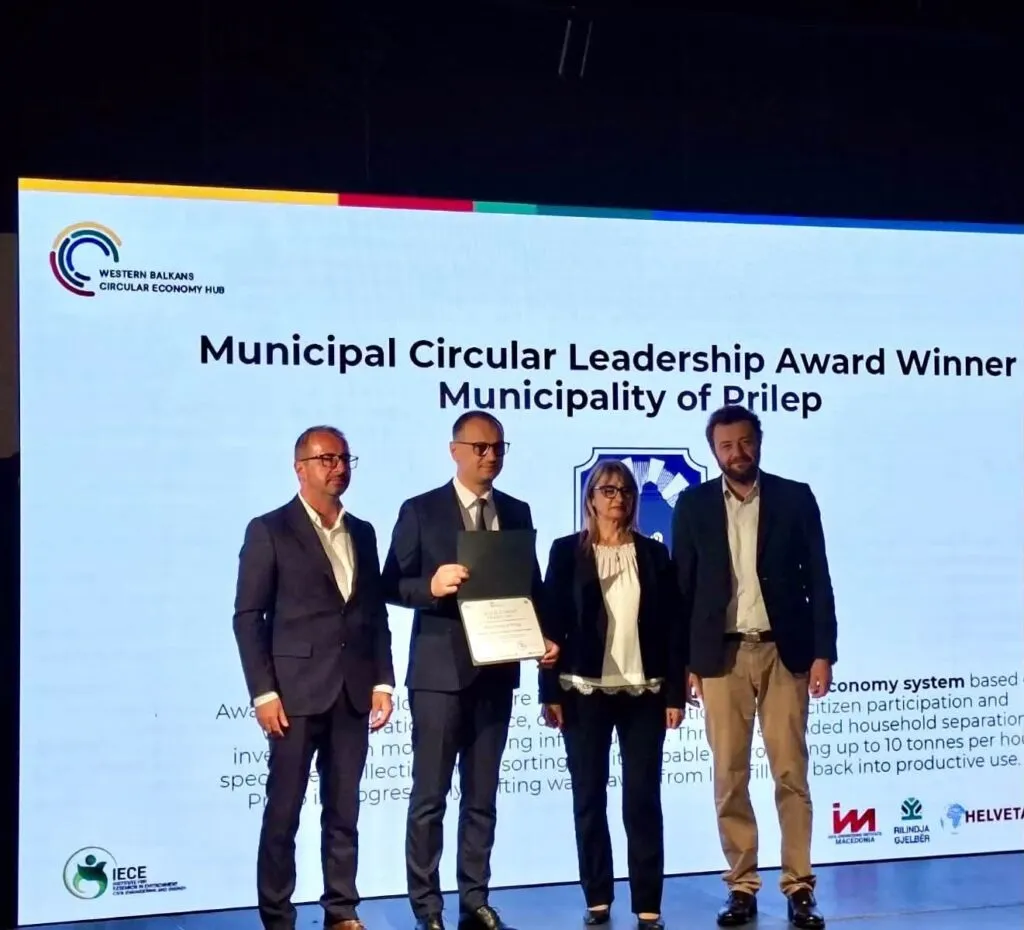
An international jury picked Prilep out of 63 applications from the Western Balkans. The 49% figure sounds great - it...
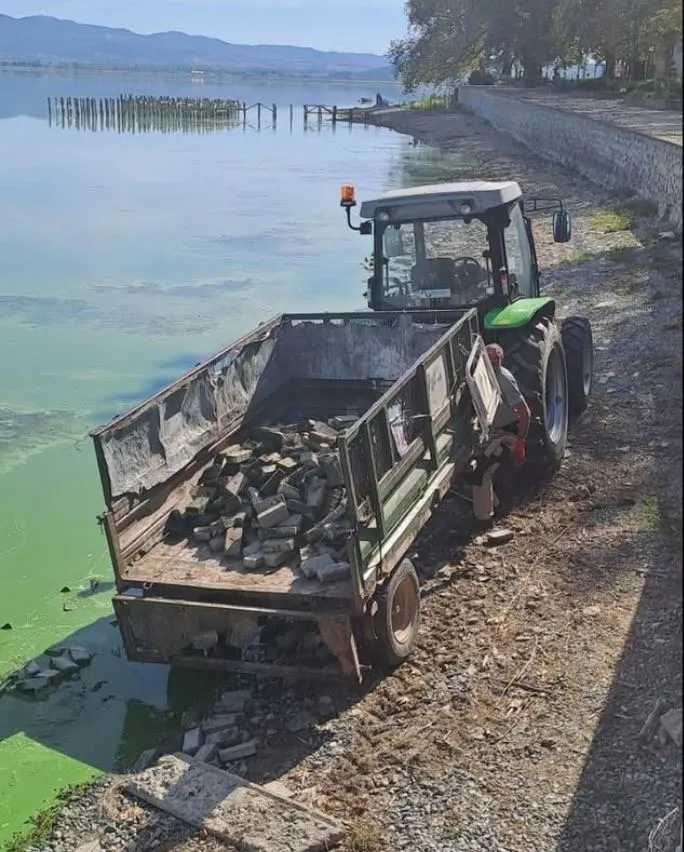
The Municipality of Dojran is using new machinery to clean the shore along the promenade in Star Dojran. The paving...
30,000 doses are already in the country, and the minister promises a start between October 16 and 25. Citizens who...
ESM greeted the first day of the heating season with leaks, substation faults and outages in several neighbourhoods. And the...
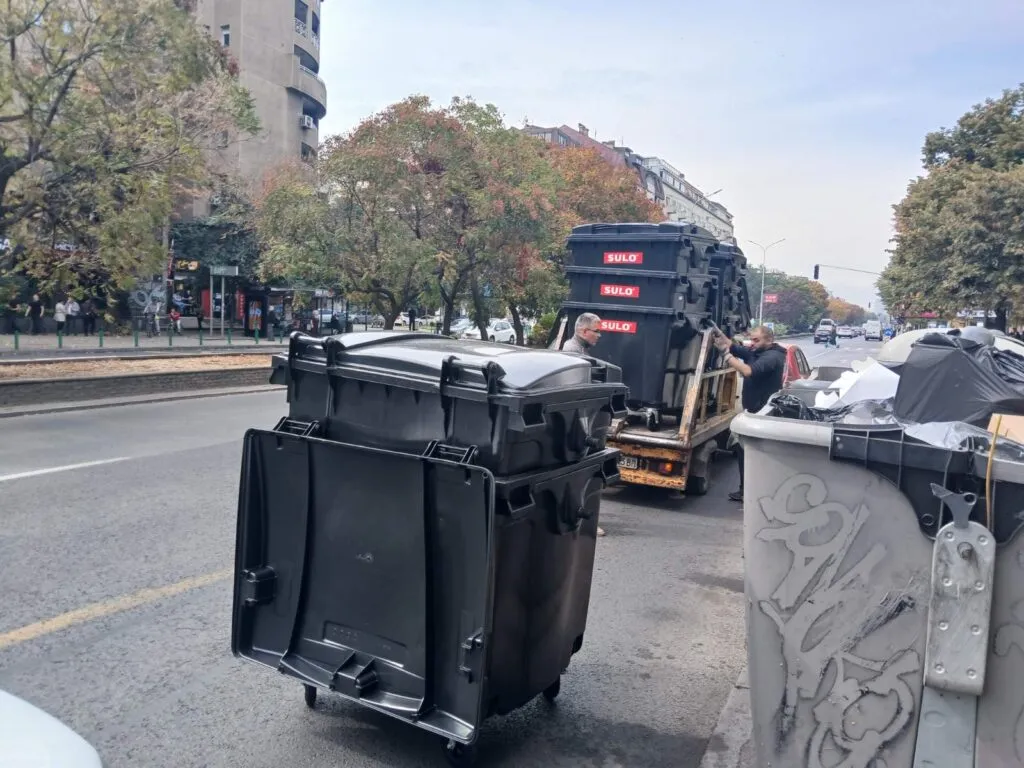
The city has started putting out the new bins, and Skopje residents are asking for something you can't buy through...
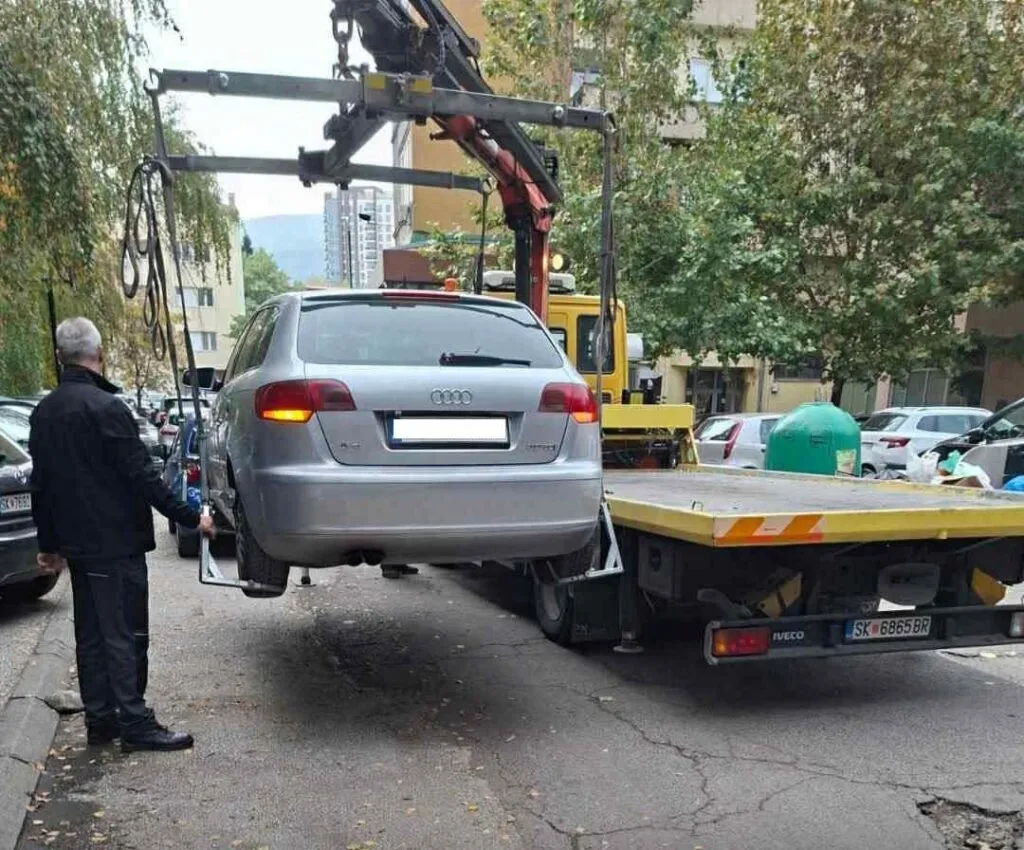
Around 19 cars a day, towed because they were blocking traffic. The municipal parking company says it will keep going...
Both her passports were confiscated a year ago, her name was on the stop list, and the Interior Ministry has...
Residents report burning throats; according to Levica, the crisis centre sends them to the media and the municipality sends them...
A new line via Gradsko, a tunnel under Pletvar and Prilep an hour from Skopje. The vision is lovely, the...
This site uses cookies - is that okay? Learn more
Be the first to know when Metla launches something new
Leave your email and we will write when there is a new guide or something new on Metla.