


Four Injured in Crash With Police Vehicle Near Kicevo: The Statement Says Everything Except Who Is at Fault
28.08.2026


28.08.2026
28.08.2026

28.08.2026

28.08.2026

28.08.2026

28.08.2026
28.08.2026
27.08.2026

26.08.2026
28.08.2026

28.08.2026

27.08.2026

28.08.2026

28.08.2026

28.08.2026

28.08.2026

27.08.2026

26.08.2026

28.08.2026

28.08.2026

28.08.2026

28.08.2026

28.08.2026
27.08.2026

09.03.2026

27.02.2026

19.02.2026

28.08.2026

27.08.2026

26.08.2026

23.04.2026

23.04.2026

12.04.2026
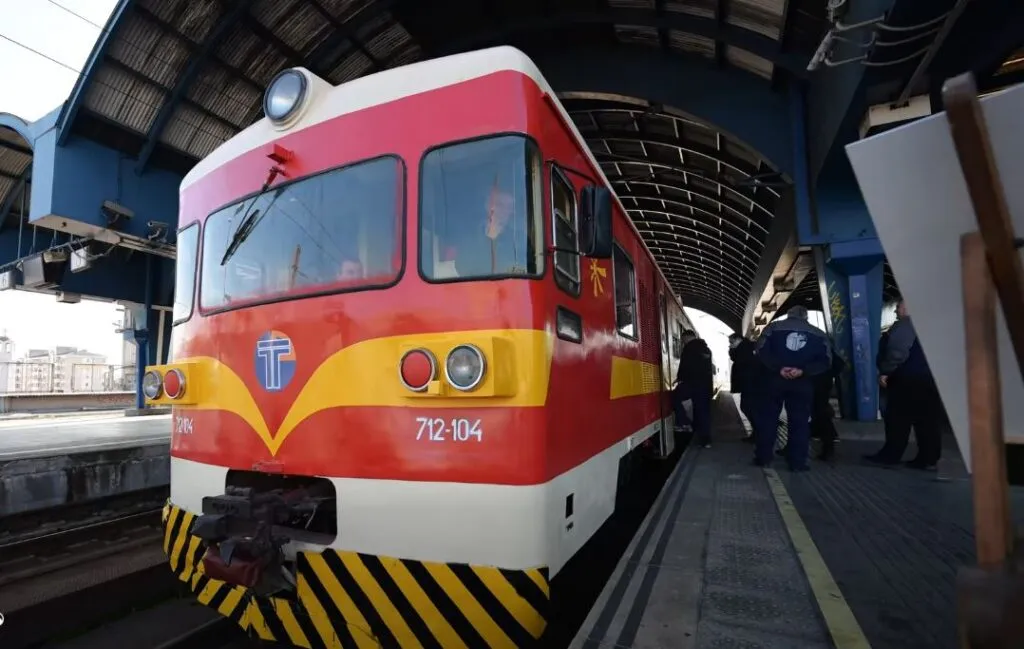
From 1 September there will again be a rail link between Zelenikovo and Skopje. The commuter train will run eight times a day in each direction, and the journey will take between 24 and 28 minutes - which, set against Skopje's morning traffic, sounds close to impossible.
The train from Zelenikovo will stop at Zelenikovo Novo, Oreshani, Jane Sandanski, Drachevo and Lisiche, terminating at Skopje Railway Station. The first departure is at 6:20, followed by 8:30, 12:26, 14:00, 16:25, 18:30, 20:12 and the last at 21:55.
In the other direction, from Skopje Railway Station, the first train leaves at 5:32, then at 7:30, 11:40, 13:20, 15:42, 17:45, 19:12 and the last at 20:56. The timetable runs from 1 September to 31 December 2026.
Whether it gets used will be decided by something else
The line matters to residents of Zelenikovo, Oreshani, Drachevo, Lisiche and the surrounding places who travel to Skopje every day. But whether it is practical does not depend on the train. It depends on whether the timetable lines up with working hours, with schools and with the rest of the city's public transport.
Look at the schedule: the first train reaches Skopje around 6:45, the second around 9. For a shift starting at 8, one arrives too early and the other arrives late. That gap is what decides whether a train becomes daily transport or just a line on paper. How well the railway station connects to city transport is the second question - if it takes another half hour from the station to work, those 24 minutes stop meaning anything.
While Skopje gains, others lose
This news looks different placed in the wider picture. Ten pairs of passenger trains run on Macedonian tracks today - three each from Skopje to Bitola and Veles, and two each to Kumanovo and Gevgelija. Two trains from Skopje toward Veles and one toward Bitola have been scrapped. There are no international trains to Greece, Serbia or Kosovo.
So while the area around Skopje gains eight pairs a day on a short route, citizens of larger towns lose a service they used for decades. That is not an accident of scheduling. It is the consequence of how the railway companies have been run over the past two or three decades.
Eight trains a day to Zelenikovo is good news and deserves to be said as such. The question that remains is why bringing one line back requires scrapping three others first.
The latest 10 news from this category

An infected raven in a Resen park shows the virus is circulating locally. Mosquito spraying started after the bird died,...
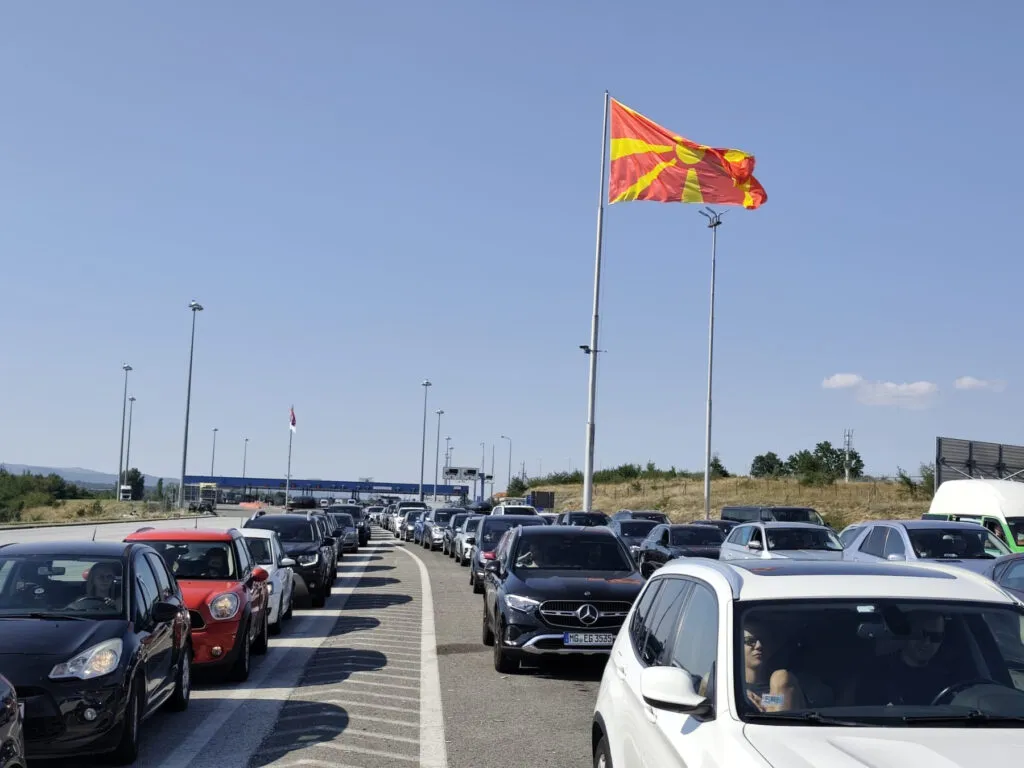
Leaving the country through Bogorodica takes about three quarters of an hour this morning. No delays at the other crossings,...
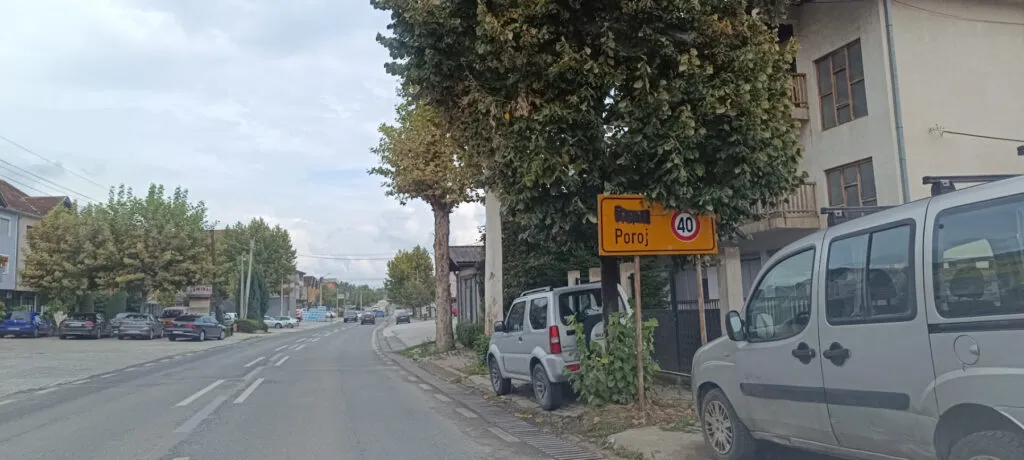
The head of the local community drank the water on camera to contradict the analysis. In Gostivar, daily sampling started...
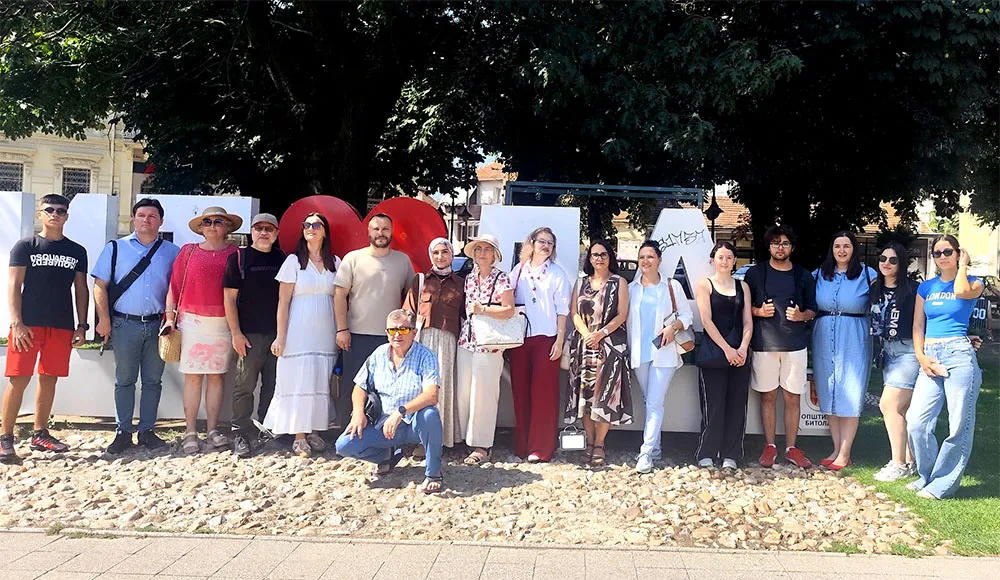
Three days, a little paint and volunteers with brushes. Not a million-euro project with a ribbon-cutting, but an intervention that...

With a hotel designation the investor pays 5 percent of the charge. On the neighbouring plot people already live in...
The local community council quotes the Criminal Code at the culprit itself and buys its own cameras. The institutions got...
Minister Janevska announced the numbers and handed responsibility for the torn textbooks to the schools. The gap between births and...
Hot African air lasts until Sunday, and from Friday sand arrives over the country too. The advice is to avoid...

Five dead, 80 per cent of patients over 60. Aerodrom is under a declared epidemic with four infected and carried...

Cameras read the number plates - a second arrival the same day means parking from 100 denars up. Taxi drivers...
This site uses cookies - is that okay? Learn more
Be the first to know when Metla launches something new
Leave your email and we will write when there is a new guide or something new on Metla.
