
Sixteen Arrests in Twenty-Four Hours, All for Drugs: The Police Are Working - But Where Are All These People Coming From?
20.09.2026


20.09.2026

20.09.2026

20.09.2026
20.09.2026

20.09.2026

20.09.2026

20.09.2026
19.09.2026

18.09.2026

20.09.2026

20.09.2026

19.09.2026

20.09.2026

20.09.2026

20.09.2026

20.09.2026

19.09.2026

18.09.2026

20.09.2026

20.09.2026

20.09.2026
20.09.2026

20.09.2026

20.09.2026

09.03.2026

27.02.2026

19.02.2026

20.09.2026

19.09.2026

18.09.2026

23.04.2026

23.04.2026

12.04.2026


Seven domestic violence reports in twenty-four hours. Four people detained. That is the police tally from one ordinary September night in Macedonia - a night with nothing special about it, no holiday, no trigger.
In Shtip, at 00:45, a 28-year-old was detained. He worked at a hospitality venue, argued with the staff, then attacked his partner - who worked at the same place. He went on to threaten the officer who came to intervene. In a village near Struga, at around 03:50, a 44-year-old was detained after a report that he and another family member had physically assaulted his wife. The same man, according to the police statement, "behaved aggressively toward police officers".
But it is the third case that tells the real story. In Kriva Palanka, on 18 September at 20:20, a 36-year-old was detained for violating a court order barring him from approaching or harassing his ex-wife. The order existed. A court had issued it. And the man physically attacked the woman anyway.
Paper against a fist
That is where the system falls apart - not at the police station. A restraining order is the strongest instrument the state offers a woman before the worst happens. If in practice that instrument amounts to a sheet of paper nobody monitors, then the woman who asked for it - and went through the entire procedure to get it - has a document, not protection.
Who checks whether the order is being respected? Nobody, evidently, except the victim herself - who finds out it has been violated at the moment she is already being hit. Only then do the police get involved, and only then will "appropriate charges follow once the incident is fully documented", the phrase the Interior Ministry uses to close all three cases.
Seven reports in one day works out to roughly 2,500 a year, if this was an average night. That is the number we have. The number we do not have - how many end with an order issued, how many of those orders are broken, and what penalty follows a breach - is the one that would show whether the state merely records violence or actually tries to stop it.
The latest 10 news from this category
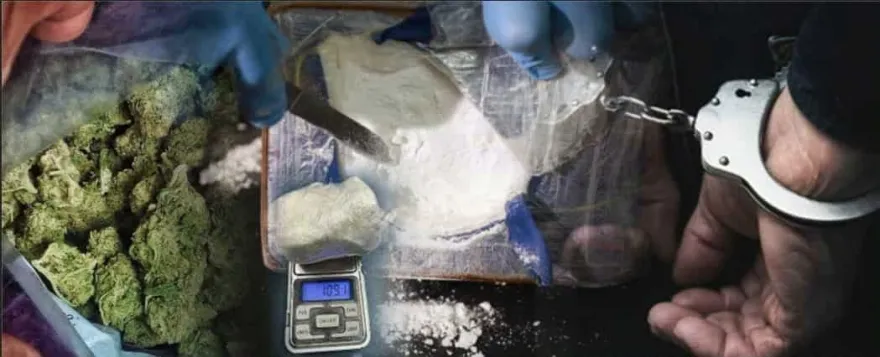
Skopje, Tetovo, Bitola, Prilep, Kumanovo, Ohrid - and five people from four towns in a single car near Berovo. The...

Ten municipalities in a single day. Piled-up waste burning near Resen, a landfill in Novo Selo, stubble near Strumica. This...
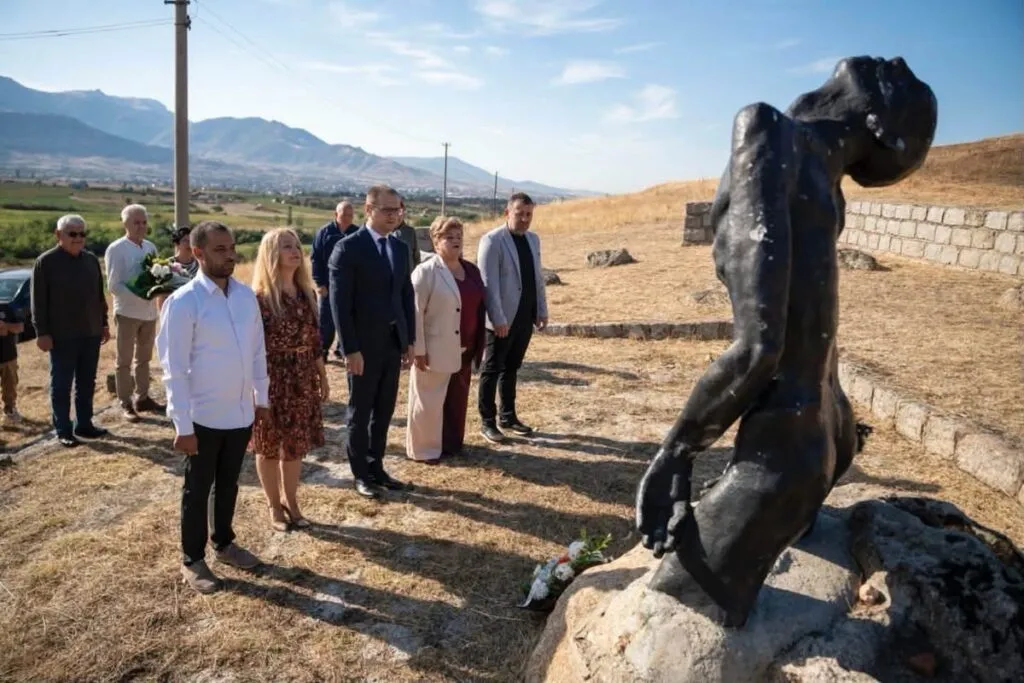
Eighteen people from Prilep killed at Dabnica in 1942. Dejan Prodanoski called for greater care of the memorial - which...
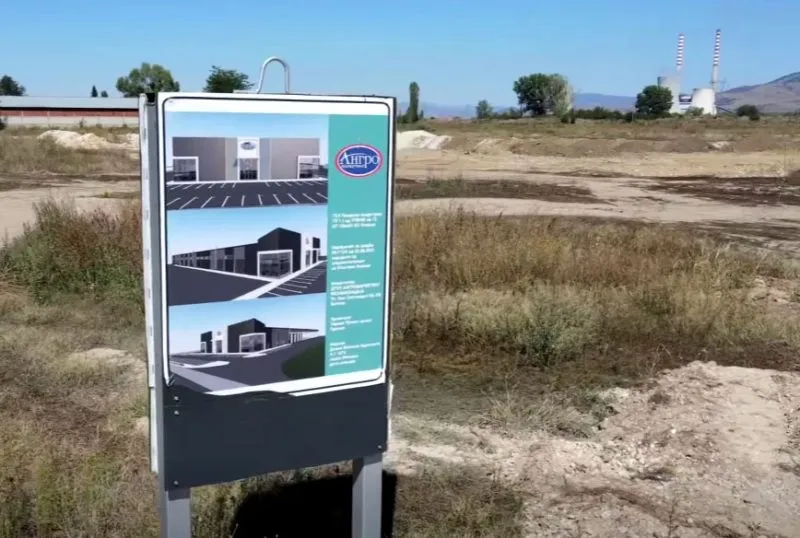
The press release counts 77.5 million denars invested, the mayor announces up to 120 million in total. The number missing...
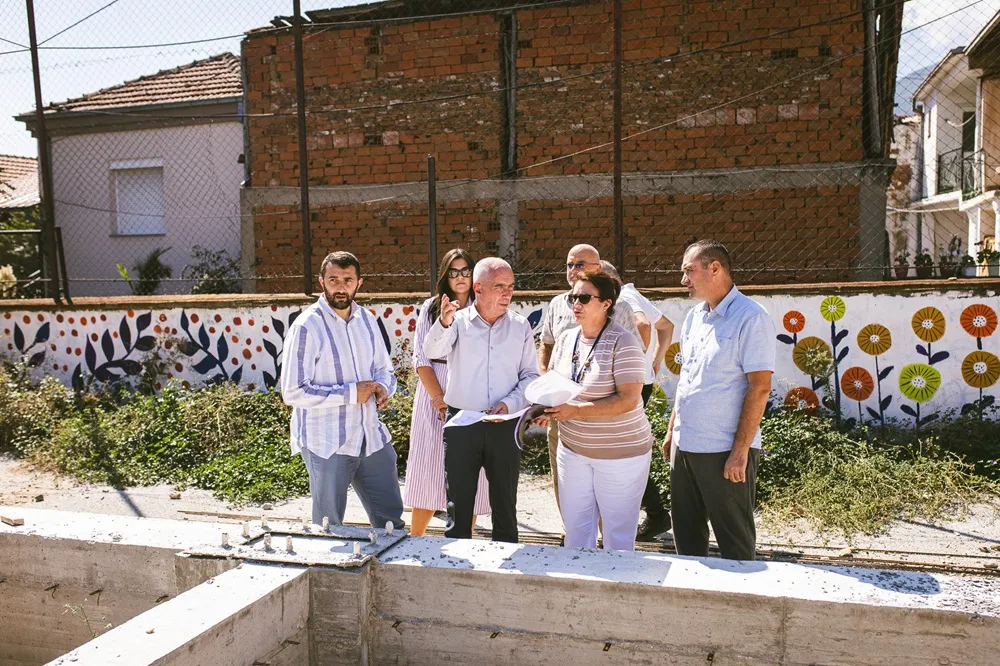
Three schools are getting standard-design halls, a fourth is going up in Bistrica. But the HVAC section had to be...

From Washington, the prime minister asks for a third party at the table so the dispute stops being bilateral. Brussels...

Darko Vasilevski says he was rejected because of his age. But the problem he describes himself is wider - a...

Anima Mundi wants a moratorium and an investigation. The ministry and the inspectorate still have not published how many foreigners...

Gjorgjievski promised a permanent solution to illegal dumping. The best part of the project is the irrigation system running on...

The procurement is 3.12 billion denars for 150 buses, delivered in three tranches over 18 months. The mayor says they...
This site uses cookies - is that okay? Learn more
Be the first to know when Metla launches something new
Leave your email and we will write when there is a new guide or something new on Metla.