
Sixteen Arrests in Twenty-Four Hours, All for Drugs: The Police Are Working - But Where Are All These People Coming From?
20.09.2026


20.09.2026

20.09.2026
20.09.2026
20.09.2026
20.09.2026

20.09.2026

20.09.2026
19.09.2026
18.09.2026

20.09.2026

20.09.2026

19.09.2026

20.09.2026

20.09.2026

20.09.2026

20.09.2026

19.09.2026
18.09.2026

20.09.2026

20.09.2026

20.09.2026
20.09.2026

20.09.2026

20.09.2026

09.03.2026

27.02.2026

19.02.2026

19.09.2026
18.09.2026
17.09.2026

23.04.2026

23.04.2026

12.04.2026

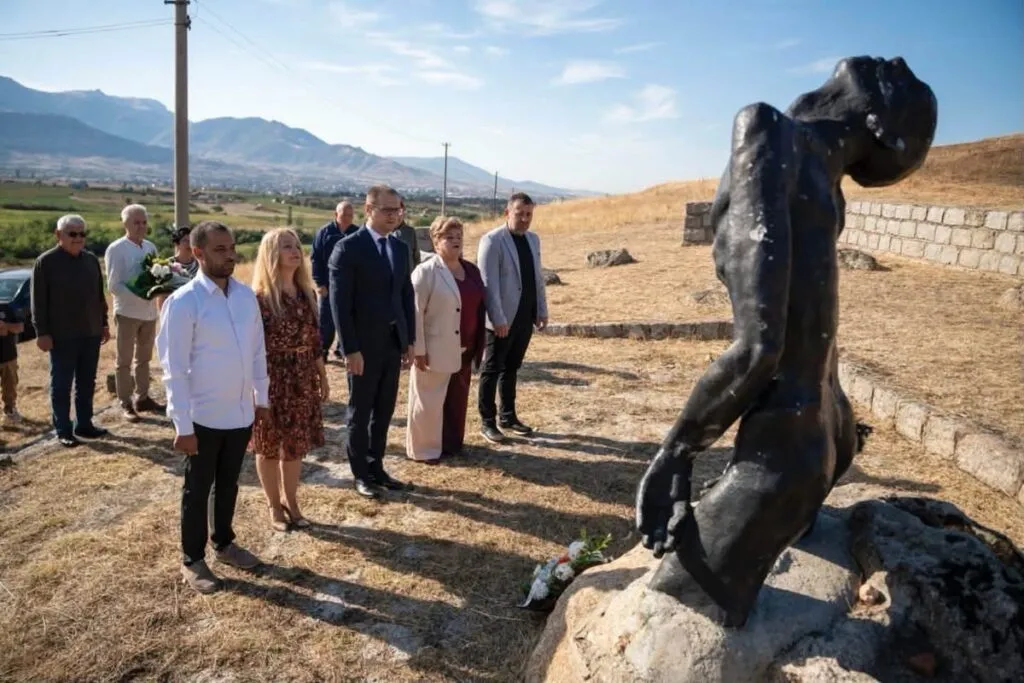
On 19 September 1942, at Dabnica, the Bulgarian fascist occupier killed eighteen residents of Prilep. Among them the national hero Dobre Jovanoski. The same day, in the Prilep barracks, Rampo Levkata was tortured and killed. Eighty-four years later, on the same spot, wreaths and speeches.
The chronology matters because it shows the massacre was not an isolated act. Five days earlier, on 14 September, ten partisans of the First Prilep Partisan Detachment were killed in the battle at Mukos. Dabnica was one of that detachment's bases. After the battle, a large number of the village's residents were arrested and taken to the Prilep barracks. What followed on 19 September was reprisal against civilians for the occupier's losses in combat against an armed unit.
At the commemoration, Prilep mayor Dejan Prodanoski said one sentence that departs from the usual script for such events: "The places where we keep our history must not be turned into rubbish dumps and neglected spaces."
When the mayor states the problem himself
That is an admission, not a message. If the man running the municipality has to publicly call for greater care of the memorial and the ground around it, then the state of that ground is evidently not what it should be. "History is not preserved with words and wreaths alone, but with the relationship we have toward the places that bear witness to it," Prodanoski added.
With that he set the yardstick his own municipality will be judged by. Not by the speech on 19 September, but by what Dabnica looks like on 19 October, and on 19 March, when there are neither cameras nor wreaths. Prodanoski announced that the municipality will continue to insist on greater protection and upkeep - a formulation that leaves room to find out whether "insisting" means a budget line or another statement next year.
Two primary schools in Prilep carry the names of Dobre Jovanoski and Rampo Levkata, and the commemoration coincides with their patron day. The children studying in those buildings know the names from the plaque at the entrance. Whether they also know the place where those men died - and what condition that place is in - is another matter, and it depends on the adults.
The latest 10 news from this category
The press release counts 77.5 million denars invested, the mayor announces up to 120 million in total. The number missing...
Three schools are getting standard-design halls, a fourth is going up in Bistrica. But the HVAC section had to be...

Darko Vasilevski says he was rejected because of his age. But the problem he describes himself is wider - a...

Anima Mundi wants a moratorium and an investigation. The ministry and the inspectorate still have not published how many foreigners...
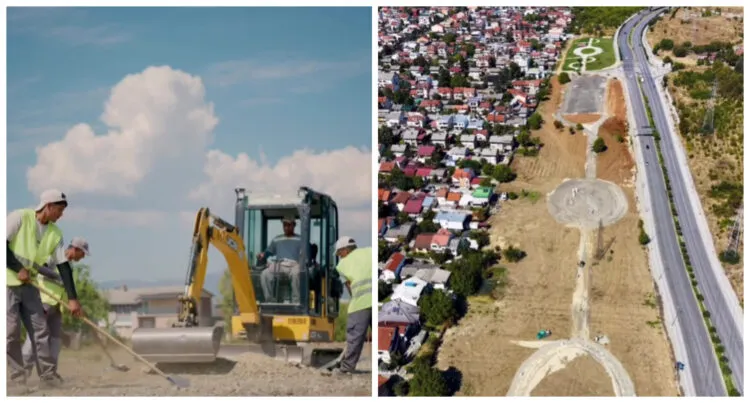
Gjorgjievski promised a permanent solution to illegal dumping. The best part of the project is the irrigation system running on...
The procurement is 3.12 billion denars for 150 buses, delivered in three tranches over 18 months. The mayor says they...
A public forum with oncologists and a woman in her fifth year of fighting the disease. The numbers that never...
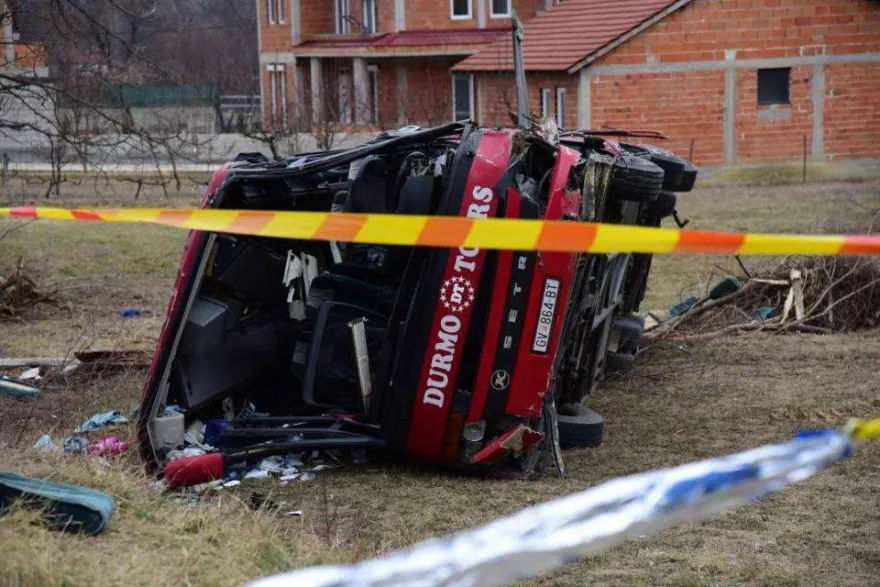
Sixteen dead, 53 years of prison handed down on appeal - and a highest court saying the chain of causation...
The council adopted Konjanovski's initiative. The result: a pupil in Bitola leaves the phone behind, a pupil in the next...
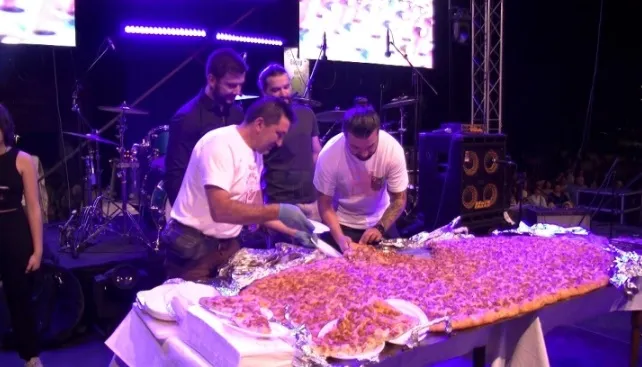
Eighteenth edition, 250 denars a portion, concerts at the stadium. The mayor said the part nobody usually says out loud...
This site uses cookies - is that okay? Learn more
Be the first to know when Metla launches something new
Leave your email and we will write when there is a new guide or something new on Metla.