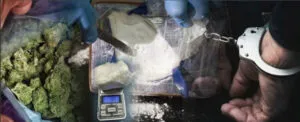
Sixteen Arrests in Twenty-Four Hours, All for Drugs: The Police Are Working - But Where Are All These People Coming From?
20.09.2026


20.09.2026

20.09.2026

20.09.2026
20.09.2026
20.09.2026

20.09.2026

20.09.2026
19.09.2026
18.09.2026

20.09.2026
20.09.2026
19.09.2026

20.09.2026

20.09.2026

20.09.2026

20.09.2026

19.09.2026
18.09.2026
20.09.2026

20.09.2026

20.09.2026
20.09.2026

20.09.2026

20.09.2026

09.03.2026

27.02.2026

19.02.2026
20.09.2026
19.09.2026
18.09.2026

23.04.2026

23.04.2026

12.04.2026

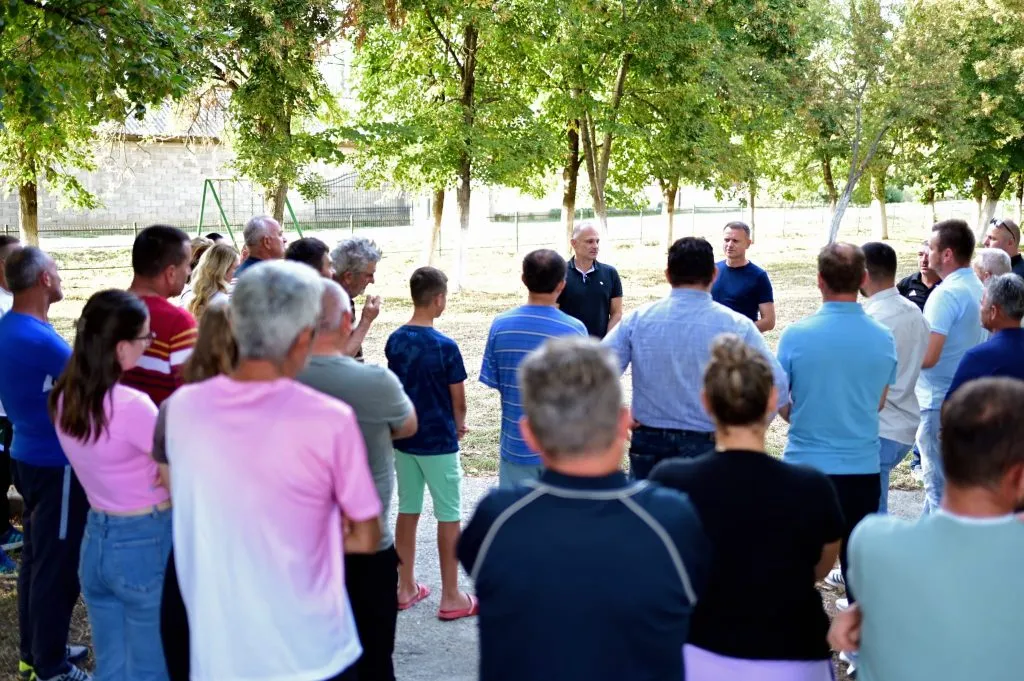
Seventeen denars a kilo. That is what peppers fetch in Obrshani and Debreshte, while part of the crop rots unsold. SDSM leader Venko Filipche has proposed an intervention purchase with a guaranteed price of 30 denars a kilo and compensation for the destroyed crop.
The gap between those two numbers is almost double. The question neither side in this argument answers is why the market price is so low - whether because there is overproduction, because the processing plants are shut, or because the buyers know the grower has nowhere else to take produce that spoils within days.
"Farmers are asking for help, asking for a solution and asking for someone to listen to them. The government is ignoring them," Filipche said, adding that SDSM is ready to submit a draft law in parliament.
Two versions of the same harvest
The government tells the story differently. Agriculture minister Borche Serafimovski announced this week that more than 54 million kilos of grapes had already been taken up by domestic wineries or placed on foreign markets - which is a figure about grapes, not peppers.
And there is the quiet problem. The opposition is talking about peppers and tobacco, the government answers with a grape number. Both sides are telling the truth, but about different crops, and in that mismatch nobody answers the concrete question: how many tonnes of peppers have been purchased so far, and at what price.
The list of problems Filipche cites does not concern one crop alone - grapes, milk, wheat, early vegetables, tobacco, all with the same pattern: trouble finding a buyer, a squeezed price, and subsidies unpaid or reduced. In Debreshte, the opposition says, tobacco growers lost their crop entirely to the summer storms.
An intervention purchase is a tool that exists precisely for situations like this, and it was not invented by one party - it has been used before, by different governments. But it is also the most expensive possible answer: the state pays the price difference for a product the market rejected. If that repeats every season, for every crop, then the intervention is not a solution but an annual expense.
The real measure of how seriously the problem is taken will only be visible in parliament. A draft law submitted by the opposition in September has a precisely determined fate if the majority does not want to open it - and that will show whether this is a solution or a position taken in front of voters in farming municipalities.
The latest 10 news from this category
State statistics office data for 2024: 3,280 foreign affiliates, 105 thousand employees, close to three billion euros in value. Four...

The DFC is paying for feasibility work and a resource assessment. Mickoski claims the reserves exceed those of the world's...

Nearly a million vehicles will get money without a single application being filed. The previous government froze prices, this one...

A new federal body, an official already being called the AI czar, and one condition for applying - a high...

Diogo Almeida helped build ChatGPT, then concluded the whole industry is optimising for the wrong thing. His new model does...

Porsche, Alaska Airlines and J.B. Hunt are not buying startups - they are commissioning them. When innovation moves inside the...

No living actor can give 75 interviews at once - which is exactly why the number was the advertisement. But...

The State Statistical Office published the figure nobody wants to comment on: what the other 95 percent of companies in...
The 90/180 rule is being solved country by country. Meanwhile the European market offers wages to staff that we train...
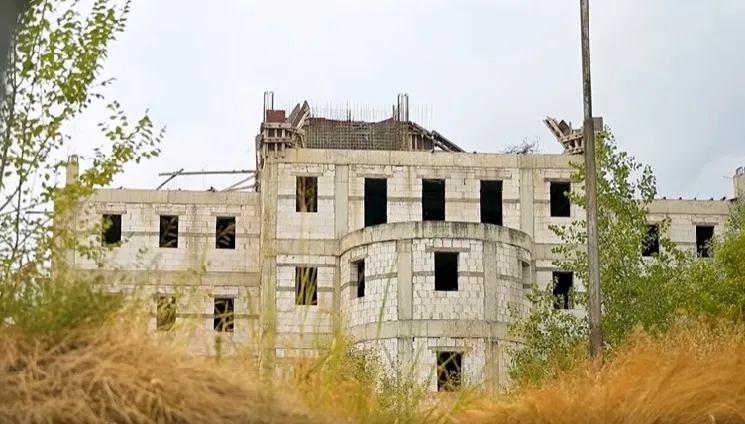
The concrete has stood unfinished since 2015. The Spanish grant pays for the preparation - the remaining 35 and a...
This site uses cookies - is that okay? Learn more
Be the first to know when Metla launches something new
Leave your email and we will write when there is a new guide or something new on Metla.