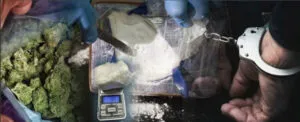
Sixteen Arrests in Twenty-Four Hours, All for Drugs: The Police Are Working - But Where Are All These People Coming From?
20.09.2026


20.09.2026

20.09.2026
20.09.2026
20.09.2026
20.09.2026
20.09.2026
20.09.2026
19.09.2026
18.09.2026

20.09.2026

20.09.2026

19.09.2026

20.09.2026

20.09.2026

20.09.2026

20.09.2026
19.09.2026
18.09.2026

20.09.2026

20.09.2026

20.09.2026
20.09.2026

20.09.2026

20.09.2026

09.03.2026

27.02.2026

19.02.2026
20.09.2026
19.09.2026
18.09.2026

23.04.2026

23.04.2026

12.04.2026

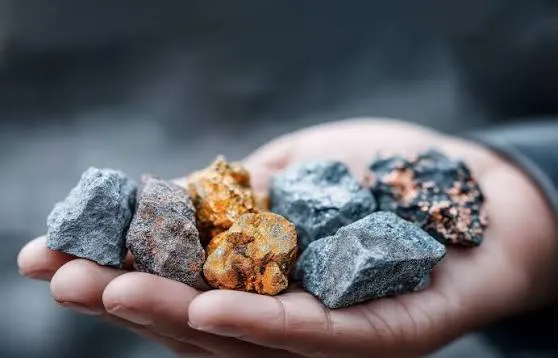
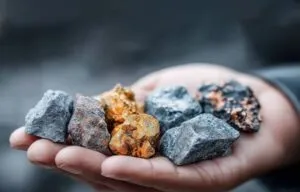
The US International Development Finance Corporation (DFC) has committed 5 million dollars to the Krstov Dol project near Kriva Palanka - an antimony deposit. It is the DFC's first institutional investment in Macedonia and its first antimony-related investment anywhere.
The project development agreement was signed on 7 April with the company Pela Global Limited, to revive the mine and its processing facilities. The Americans openly tie the project to efforts to diversify the global antimony supply and reduce dependence on China.
What five million actually buys
This is the detail that slipped into the background in most of the coverage. The five million dollars is not financing for a mine. It is earmarked for the project development phase: an updated mineral resource assessment, feasibility studies, engineering analyses, cost estimates and operational planning.
In other words - this is money to establish whether it is worth digging at all. The second phase, the construction and commercial extraction itself, depends on the results of those studies, on financial viability, on permits and on environmental procedures. None of that has been decided yet.
Prime minister Hristijan Mickoski, who announced the news from Washington, framed it differently: "This is only the beginning." He added that antimony is a critical and rare mineral, most commonly used in the defence industry, and that completing the project could raise the country's importance and its citizens' wealth.
The claim with no number
Then came the sentence that demands attention. According to initial reports, the prime minister said, the reserves are "far larger than the combined reserves of today's first and second largest sellers in the world".
That is an enormous claim - and it was made without a single number. No tonnage, no estimated concentration, no name of the report that says it. This is precisely why the DFC is paying for a new mineral resource assessment: because the confirmed reserves have yet to be established. Until that happens, the accurate phrasing is "significant potential", not "the largest reserves in the world".
Antimony genuinely is on the American critical minerals list - it is used in alloys, lead-acid batteries, fire-resistant materials, semiconductors and armour materials. Global production is concentrated in a handful of countries, which is exactly why a new deposit anywhere carries geopolitical weight, not just commercial weight.
But the weight for a resident of Kriva Palanka is measured by something else: on what terms the extraction will happen, how much revenue the state will receive, how many people will be employed and on what wages, whether the processing will be done here or the ore exported raw, and what environmental standards will apply. Not one of those questions has been answered, and not one of them is settled by five million dollars for studies.
The difference between a mining project that leaves something behind and one that leaves a hole is made by what is agreed before the digging starts, not by what is promised while it goes on. Today, for Krstov Dol, the only thing agreed is that somebody will check whether there is anything to dig. Everything else is still a statement.
The latest 10 news from this category
State statistics office data for 2024: 3,280 foreign affiliates, 105 thousand employees, close to three billion euros in value. Four...
In Obrshani and Debreshte the crop is rotting unsold. One question nobody answers - how many tonnes of peppers have...
Nearly a million vehicles will get money without a single application being filed. The previous government froze prices, this one...
A new federal body, an official already being called the AI czar, and one condition for applying - a high...
Diogo Almeida helped build ChatGPT, then concluded the whole industry is optimising for the wrong thing. His new model does...
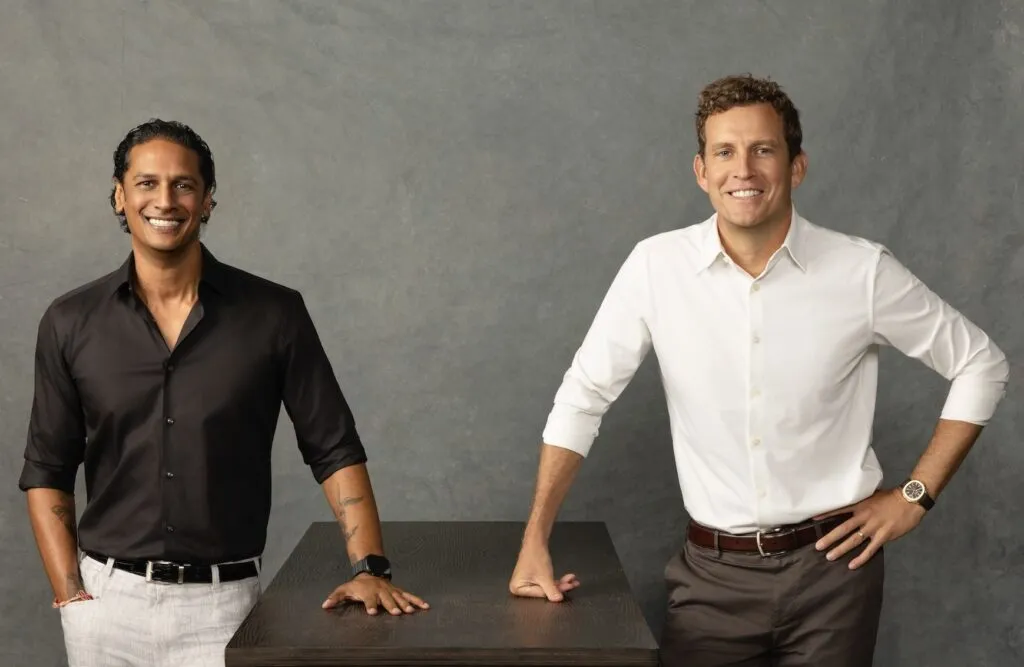
Porsche, Alaska Airlines and J.B. Hunt are not buying startups - they are commissioning them. When innovation moves inside the...
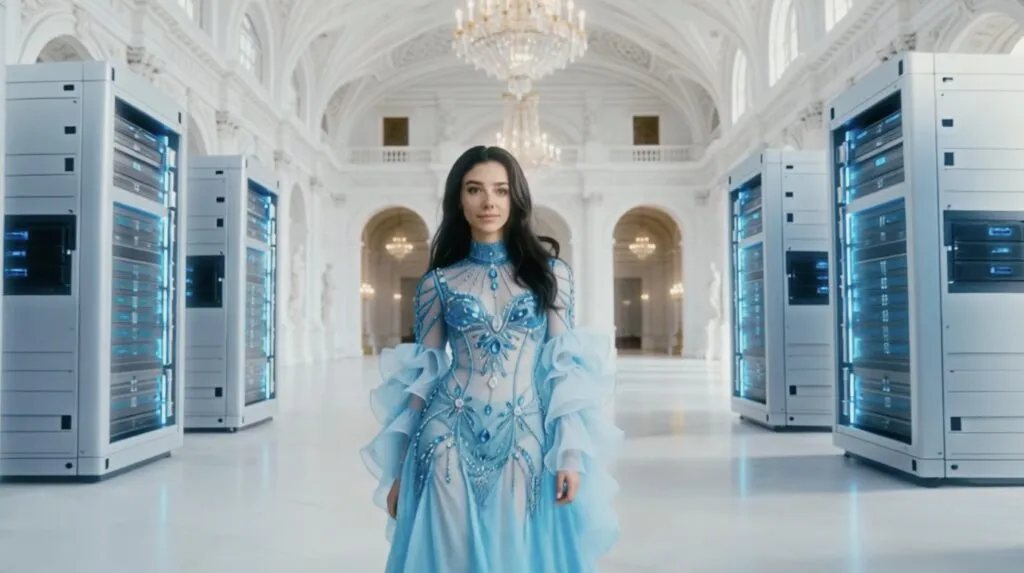
No living actor can give 75 interviews at once - which is exactly why the number was the advertisement. But...

The State Statistical Office published the figure nobody wants to comment on: what the other 95 percent of companies in...
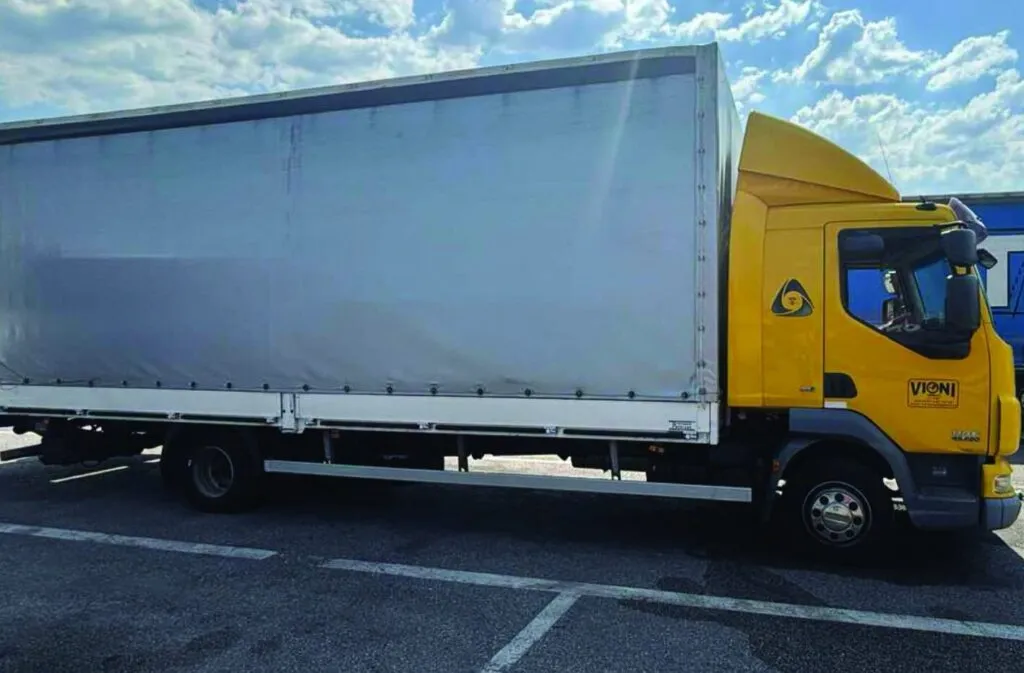
The 90/180 rule is being solved country by country. Meanwhile the European market offers wages to staff that we train...
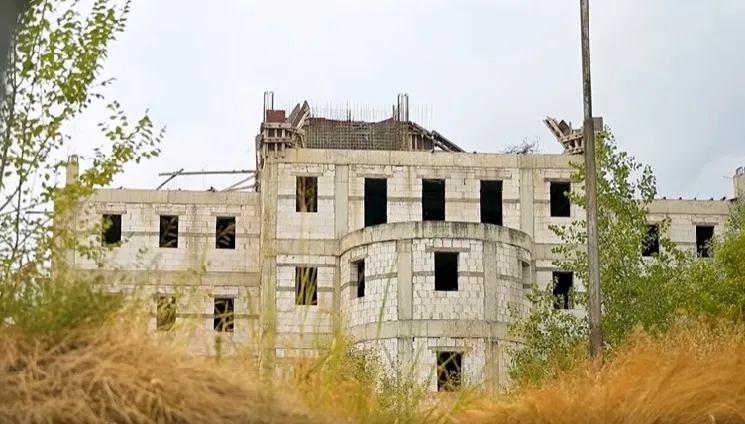
The concrete has stood unfinished since 2015. The Spanish grant pays for the preparation - the remaining 35 and a...
This site uses cookies - is that okay? Learn more
Be the first to know when Metla launches something new
Leave your email and we will write when there is a new guide or something new on Metla.