
Two Schoolyard Assaults Reported in a Single Day: the Police Promised Measures, the Education System Said Nothing
19.09.2026


19.09.2026

19.09.2026
19.09.2026

19.09.2026
19.09.2026
19.09.2026
19.09.2026
18.09.2026

17.09.2026

19.09.2026

19.09.2026
18.09.2026

19.09.2026

19.09.2026

19.09.2026

19.09.2026
18.09.2026
17.09.2026

19.09.2026

19.09.2026

19.09.2026
19.09.2026

19.09.2026
18.09.2026

09.03.2026

27.02.2026

19.02.2026
19.09.2026

18.09.2026
17.09.2026

23.04.2026

23.04.2026

12.04.2026

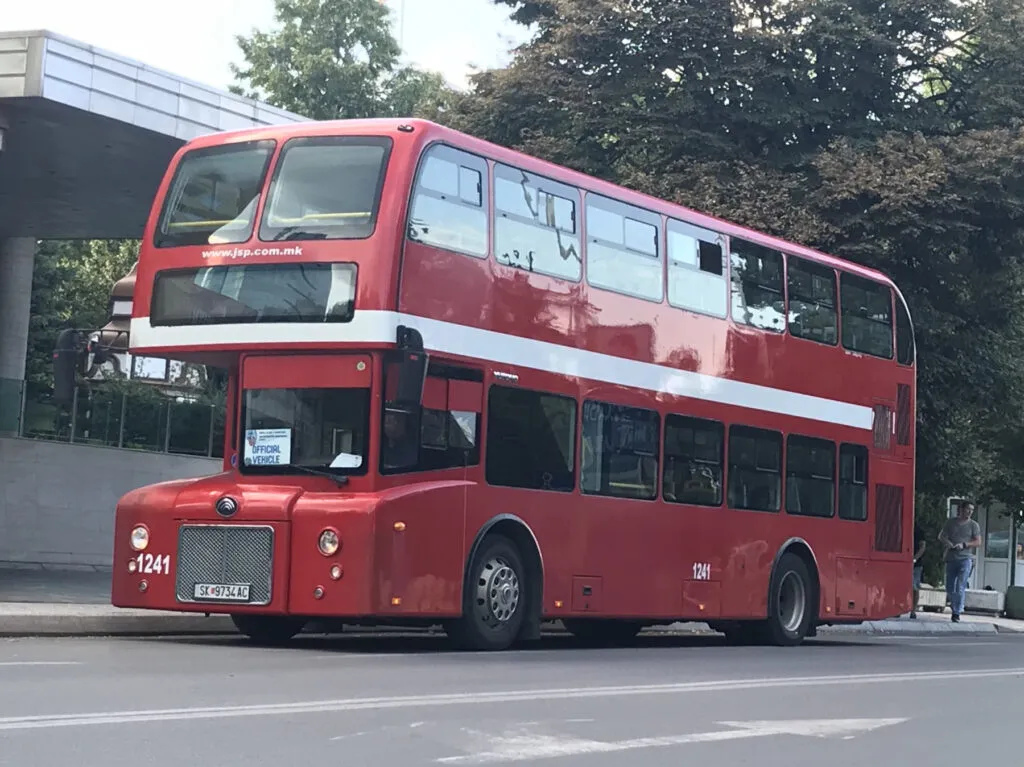
A hundred electric buses, a tender for a BRT line launched by the European Bank for Reconstruction and Development, more than 520 parking spaces by the Clinical Centre, and an underpass at "Limak" that is supposed to open by 2028 or in early 2029. The City of Skopje is driving four projects at once. Whether anyone is driving them as a single system is the only question that matters.
The buses
The state procurement covers 150 electric buses - 100 for Skopje and 50 for other municipalities - along with 75 chargers. The tender went to a consortium led by "Ikarus Elektrik". The first delivery is expected in about a month.
Infrastructure work is under way, with chargers planned at Gjorče Petrov and Avtokomanda, which requires reinforcing the electricity grid. Mayor Orce Gjorgievski said the delivery deadlines demand that the infrastructure be prepared in parallel - which, translated, means the buses may arrive before there is anywhere to charge them.
The BRT
On 16 September the EBRD launched a pre-qualification tender for the first BRT line, covering infrastructure, the depot and the vehicles. Applications close on 2 November. The investment is estimated at 70 million euros for both lines. Gjorgievski announced changes to the design to preserve the greenery in the central reservation, with construction due to start in late spring.
The "Limak" underpass
The first phase down to Kisela Voda was finished in 90 days. The tunnel is structurally complete; lighting, fire-safety systems and asphalt are still to come. "The first phase from Kisela Voda took 90 days, now we are working on phase two. The deadline for connecting Kisela Voda with the Limak entrance is next year, then we move to the final phase," Gjorgievski said. The full road is meant to open by 2028, or at the latest in early 2029.
The debt and everything else
Gjorgievski claims that after 11 months in office, out of an inherited debt of nearly 300 million euros, the City of Skopje now owes nobody anything, and that public enterprises have cumulatively cut their debt to around 60 million euros. At JSP Skopje and "Komunalna higiena", he says, half a million euros each was saved on fuel over six months.
Delivery of 3,300 new waste containers starts in 7 to 10 days. In a single month, fines worth around 300,000 euros were issued. The Vodno cable car is being refurbished by "Doppelmayr", with an expected reopening by the end of November. A new Luna Park is planned by the end of 2027. For the "Drisla" landfill, projections point to more than 200 million euros - possibly through a public-private partnership.
Why a list is not a system
Each of these projects makes sense on its own. Together they only work if the buses get their chargers on time, if the frequency is high enough that people actually leave the car at home, and if the parking spaces are tied to a parking policy that pushes people toward public transport instead of substituting for it.
If not, Skopje ends up with a hundred new buses standing still, a BRT lane with barely anything running along it, and 520 parking spaces that simply move the cars from one street to another. The difference between four projects and one system is coordination - and coordination is exactly what never goes into a tender.
The latest 10 news from this category
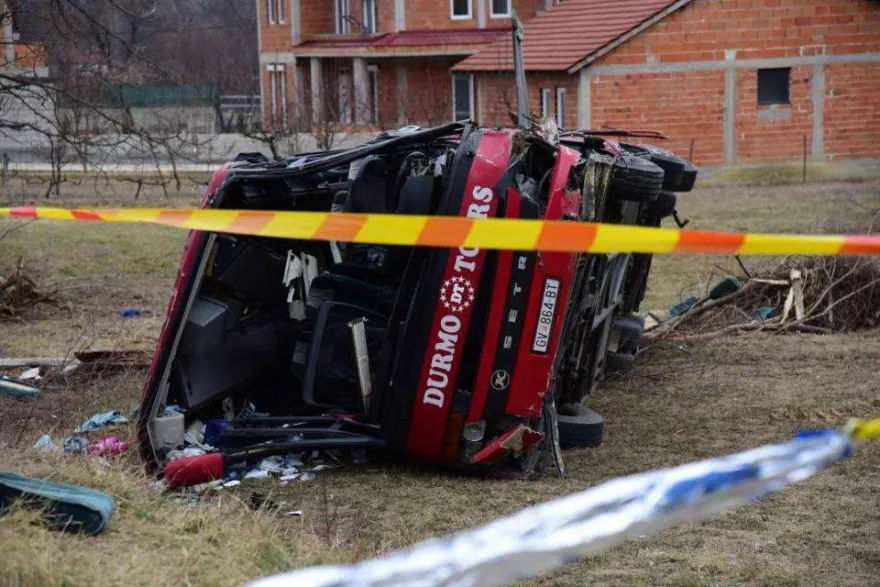
Sixteen dead, 53 years of prison handed down on appeal - and a highest court saying the chain of causation...
The council adopted Konjanovski's initiative. The result: a pupil in Bitola leaves the phone behind, a pupil in the next...

Eighteenth edition, 250 denars a portion, concerts at the stadium. The mayor said the part nobody usually says out loud...
An elective nobody is obliged to take, pulled while the ministry monitors comments on social media. One side demands her...
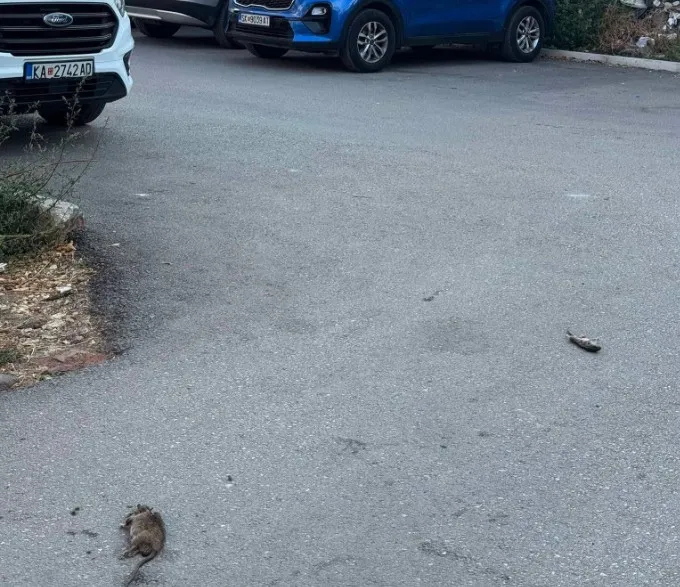
An emergency operation on Monday, after a residents' initiative published photos taken on 17 September. When a measure is called...

Rič, Popčevo, Belotino and Veljusa left without drinking water after an emergency inspection. The two findings travel together, and that...
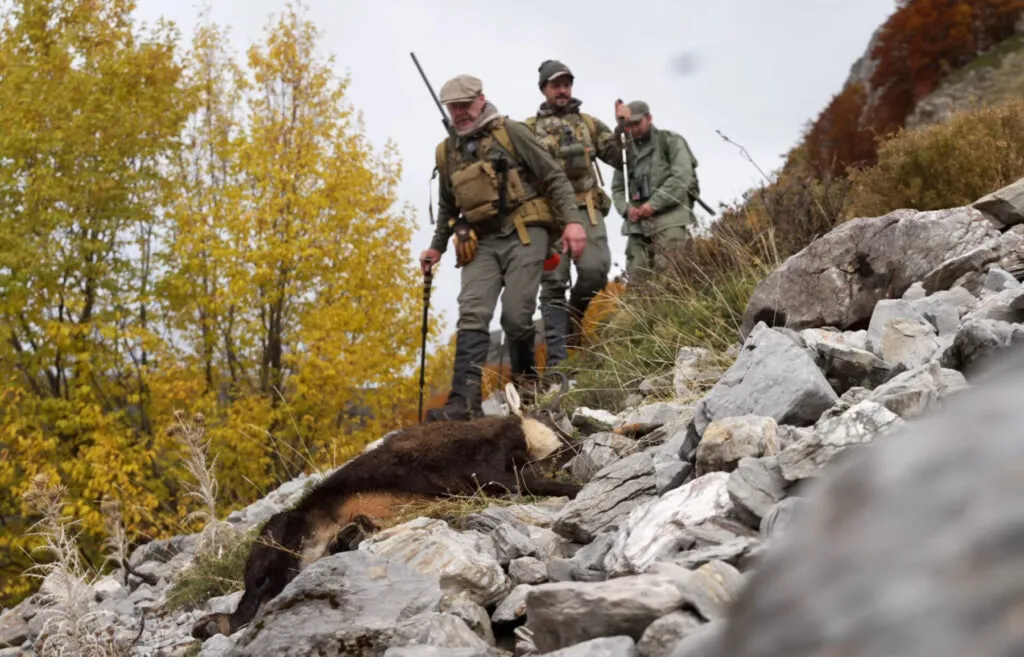
The Balkan chamois is strictly protected under the Bern Convention. The hunting is legal because Mavrovo has been waiting more...
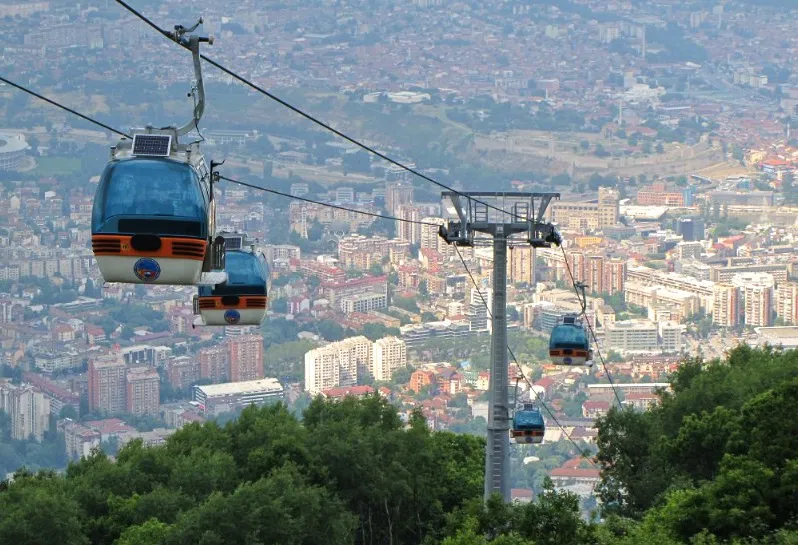
Three of the four sensors were not working, the cables were worn beyond the safety minimum. A state inspection last...
Stefkovski is introducing this after Mucunski. The Constitution applies to the whole country, yet the rule is being made municipality...
If the full deadline is used, the document arrives in autumn 2027. Realistically, the first paid parking space is not...
This site uses cookies - is that okay? Learn more
Be the first to know when Metla launches something new
Leave your email and we will write when there is a new guide or something new on Metla.