Sixteen Arrests in Twenty-Four Hours, All for Drugs: The Police Are Working - But Where Are All These People Coming From?
20.09.2026


20.09.2026

20.09.2026
20.09.2026
20.09.2026
20.09.2026

20.09.2026
20.09.2026
19.09.2026
18.09.2026

20.09.2026

20.09.2026

19.09.2026

20.09.2026

20.09.2026

20.09.2026

20.09.2026
19.09.2026
18.09.2026
20.09.2026

20.09.2026
20.09.2026
20.09.2026

20.09.2026

20.09.2026

09.03.2026

27.02.2026

19.02.2026
20.09.2026
19.09.2026

18.09.2026

23.04.2026

23.04.2026

12.04.2026

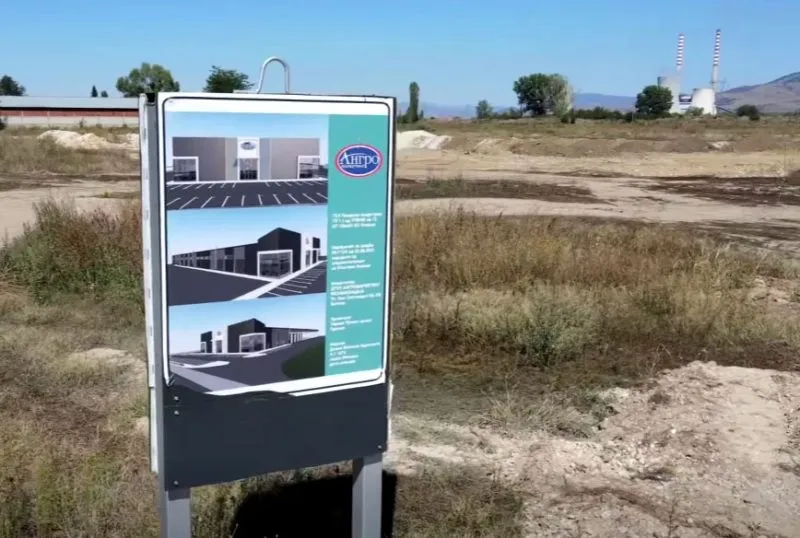
Novaci has issued a list of projects that sounds impressive read all at once: 26 million denars for water supply and sewerage in the industrial zone, around 50 million for the internal streets, lighting on Industriska Street 3. A total of roughly 77.5 million denars invested in the zone. Plus a treatment plant in Dobromiri for 31 million, an irrigation system for around 90 million - and that last one, unlike the others, is an EU grant through the IPA programme.
But here is the first detail worth noticing. While some statements speak of 77.5 million reached in the industrial zone, mayor Stevche Stevanovski describes the same zone as "the largest infrastructure project in the history of the Municipality of Novaci, with a total investment of up to 120 million denars". The gap between what has been spent and what has been announced is about 42 million denars. That is not a contradiction - one figure is delivered, the other is a plan. The problem is that both numbers travel through the public without anyone naming the difference.
The two factories
The result, according to the statement, is that two companies that bought construction plots have received permits and begun building. Two. For 77.5 million denars of infrastructure, so far two building sites - and not a single operating plant.
That does not have to mean failure. An industrial zone with complete infrastructure is a precondition for investment, not an investment in itself, and the effect is measured in years, not months. But that is exactly why the sentence the mayor keeps repeating - "new factories, new companies and new jobs" - remains a promise in the future tense. The number missing from the entire statement is the only one a resident of Novaci actually cares about: how many people have been employed so far.
The rest of the list is the urban and social routine every municipality performs: a new street-sweeping machine, a grab tipper, a lifting truck, bins for waste separation. 1,100 saplings planted along the sports and recreation trail and another 130 maples in the industrial zone. A paved road to the Nativity of the Holy Mother of God monastery and a tiled plateau in front of the monastery hall, around 20 million denars in total.
The subsidies for young people are the most concrete part: a one-off 10,000 denars for first-graders, 6,000 each for pupils from second to ninth grade, tablets for fourth grade, 12,000 denars for students enrolling in their first year at a state university, and subsidised driving licences for anyone under 26. That is money that reaches households directly, and it does not take years to see the effect.
The question that remains is why this entire list is published as a party statement rather than a municipal report with a delivery table. When a budget-funded project is presented through a party, the line between what the municipality did and what somebody is promising stops being visible - and that line is precisely what the voter needs to see.
The latest 10 news from this category
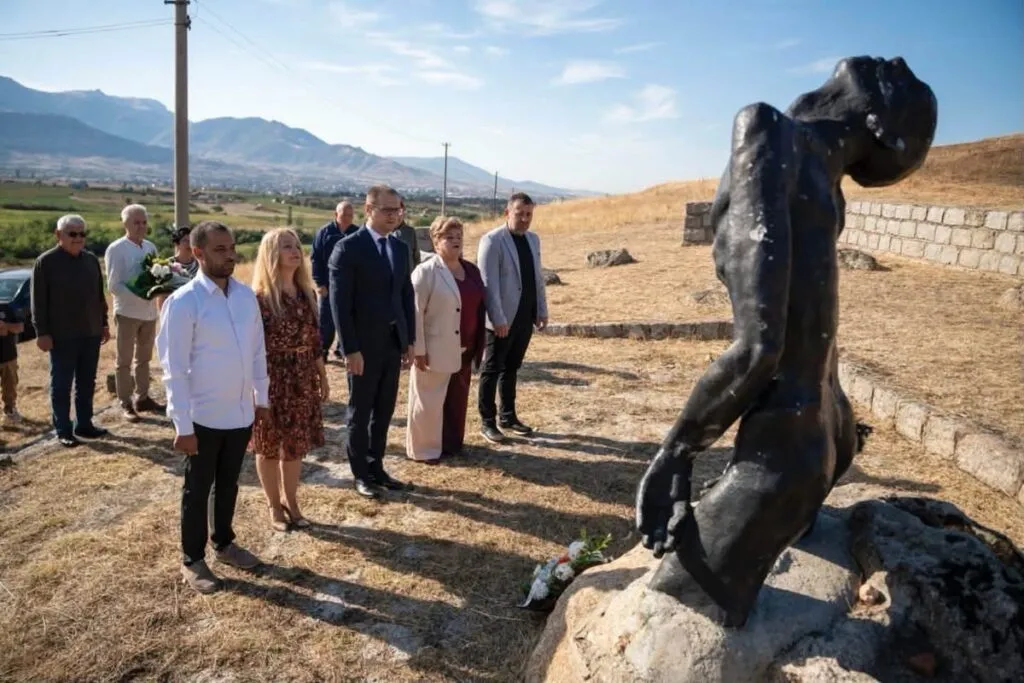
Eighteen people from Prilep killed at Dabnica in 1942. Dejan Prodanoski called for greater care of the memorial - which...
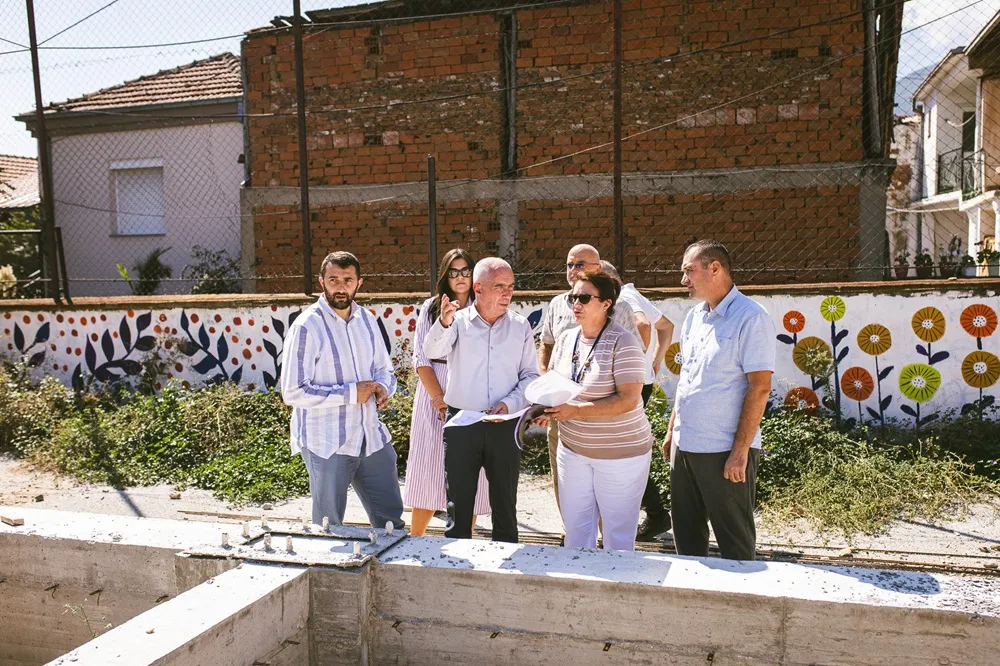
Three schools are getting standard-design halls, a fourth is going up in Bistrica. But the HVAC section had to be...
Darko Vasilevski says he was rejected because of his age. But the problem he describes himself is wider - a...
Anima Mundi wants a moratorium and an investigation. The ministry and the inspectorate still have not published how many foreigners...
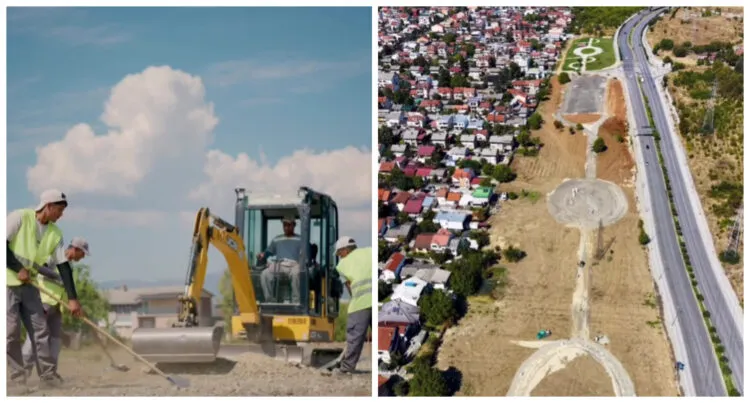
Gjorgjievski promised a permanent solution to illegal dumping. The best part of the project is the irrigation system running on...
The procurement is 3.12 billion denars for 150 buses, delivered in three tranches over 18 months. The mayor says they...
A public forum with oncologists and a woman in her fifth year of fighting the disease. The numbers that never...
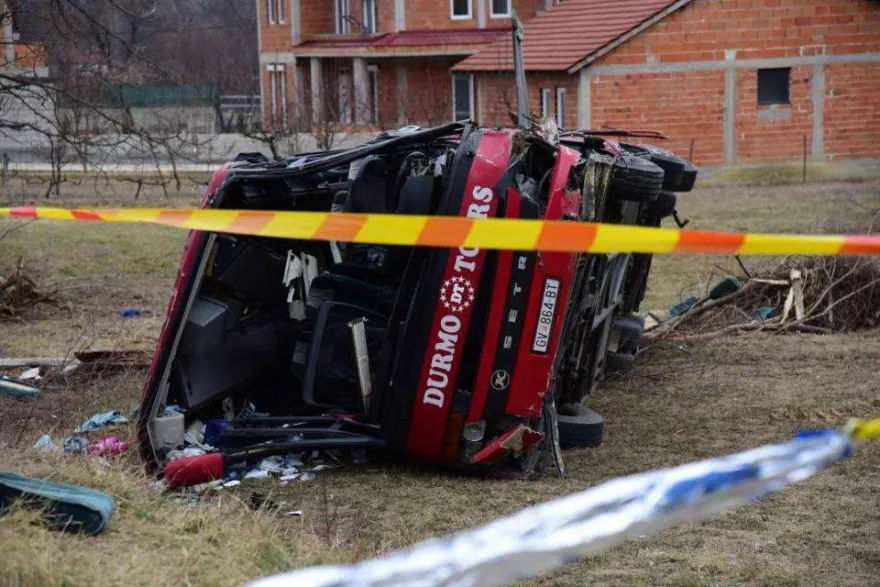
Sixteen dead, 53 years of prison handed down on appeal - and a highest court saying the chain of causation...
The council adopted Konjanovski's initiative. The result: a pupil in Bitola leaves the phone behind, a pupil in the next...
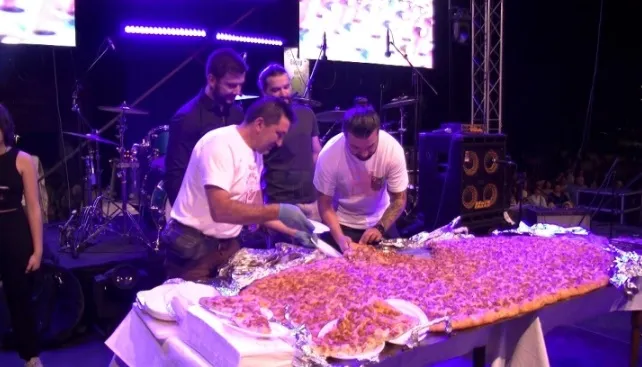
Eighteenth edition, 250 denars a portion, concerts at the stadium. The mayor said the part nobody usually says out loud...
This site uses cookies - is that okay? Learn more
Be the first to know when Metla launches something new
Leave your email and we will write when there is a new guide or something new on Metla.