
Sixteen Arrests in Twenty-Four Hours, All for Drugs: The Police Are Working - But Where Are All These People Coming From?
20.09.2026


20.09.2026

20.09.2026

20.09.2026
20.09.2026

20.09.2026

20.09.2026

20.09.2026

19.09.2026

18.09.2026

20.09.2026

20.09.2026

19.09.2026

20.09.2026

20.09.2026

20.09.2026

20.09.2026

19.09.2026

18.09.2026

20.09.2026

20.09.2026

20.09.2026

20.09.2026

20.09.2026

20.09.2026

09.03.2026

27.02.2026

19.02.2026

20.09.2026

19.09.2026

18.09.2026

23.04.2026

23.04.2026

12.04.2026

Out of every hundred companies in the Macedonian business sector, fewer than five are under foreign control. Those fewer than five generate more than a third of all gross value added in the sector.
The figures come from the State Statistical Office, for 2024. There were 3,280 domestic enterprises under foreign control operating in the country. That is 4.7 percent of enterprises in the business sector. They employ 24.2 percent of the workforce - almost one in four - and they create 37 percent of gross value added.
Translated into absolute numbers: around 105 thousand employees and roughly 184 billion denars of value added, which is close to three billion euros. The entire business sector that same year had 434,645 people engaged and 497 billion denars of value added.
Thirty-two against five
The clearest measure of the gap is not in the percentages but in the average. The average foreign affiliate in Macedonia employs around 32 people. The average domestic enterprise - around five. That is not a difference in how hard anyone works; it is a difference in capital, in market access and in the ability to survive a stretch without profit.
Where exactly that value is created is the second useful question. Mostly in manufacturing - 35.3 percent of foreign affiliates' value added comes from it, with 381 companies and over 51 thousand employees. Then information and communications with 16.7 percent, and wholesale and retail trade with 11.5 percent. So this is not an economy of import counters - the bulk of the value is created in production.
As for where the capital comes from, there is barely a question. European entities control 92.8 percent of foreign affiliates. European Union member states control 44.6 percent of them, but those companies employ 62.8 percent of everyone working in foreign affiliates and produce 61.9 percent of their value. Austria leads with 17.4 percent of value added, followed by the Netherlands with 11, Germany with 9.7 and the United Kingdom with nine percent. Four countries - nearly half the value.
That is a figure with political weight, not just statistical weight. Macedonia has spent years debating its relationship with the EU as a question of identity and procedure. The statistics office numbers show that economically the link already exists, completely, and that it is asymmetric in favour of the other side of the table.
One caveat the statistical office itself raises deserves repeating. The number of registered foreign affiliates for 2024 is considerably higher than in previous years, but that is the result of an improved data source rather than a wave of new investment. Direct comparison with earlier years, the office says, should be made carefully.
The real question remains, and it is not whether there should be foreign capital. There is, in manufacturing, and it creates jobs. The question is why the domestic enterprise stays stuck at an average of five employees - and what the state has done to change that, beyond counting somebody else's numbers.
The latest 10 news from this category
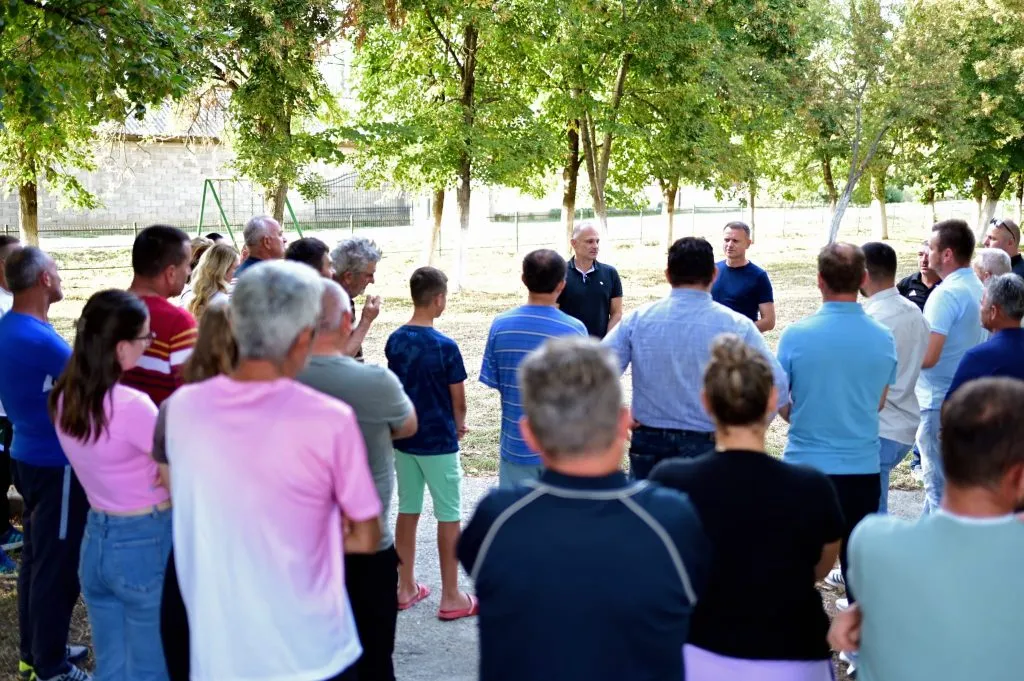
In Obrshani and Debreshte the crop is rotting unsold. One question nobody answers - how many tonnes of peppers have...

The DFC is paying for feasibility work and a resource assessment. Mickoski claims the reserves exceed those of the world's...

Nearly a million vehicles will get money without a single application being filed. The previous government froze prices, this one...

A new federal body, an official already being called the AI czar, and one condition for applying - a high...

Diogo Almeida helped build ChatGPT, then concluded the whole industry is optimising for the wrong thing. His new model does...

Porsche, Alaska Airlines and J.B. Hunt are not buying startups - they are commissioning them. When innovation moves inside the...

No living actor can give 75 interviews at once - which is exactly why the number was the advertisement. But...

The State Statistical Office published the figure nobody wants to comment on: what the other 95 percent of companies in...
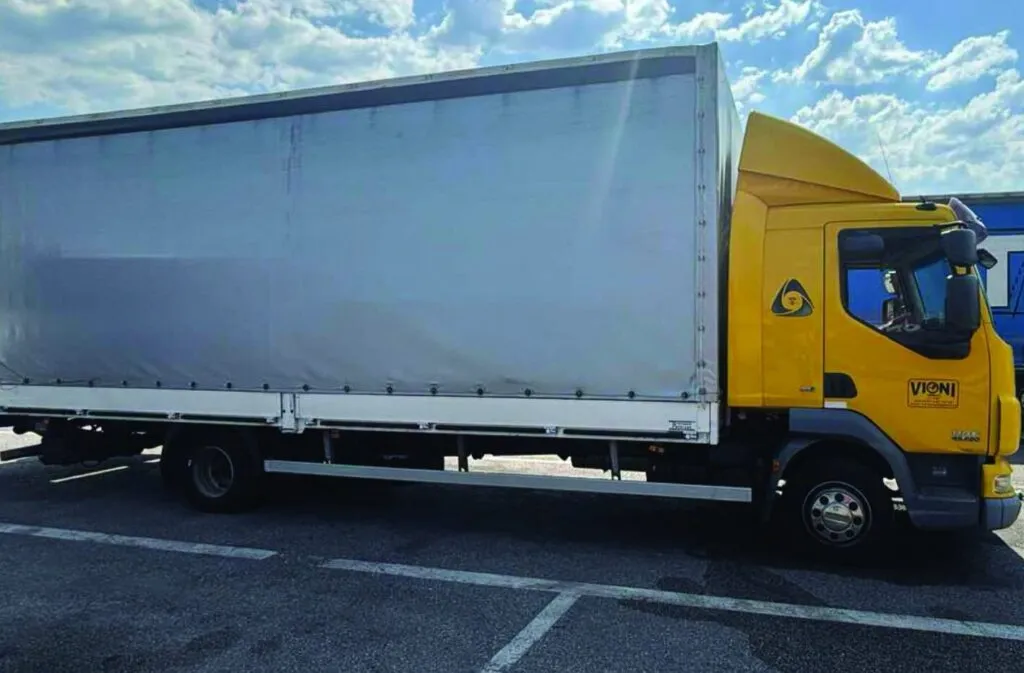
The 90/180 rule is being solved country by country. Meanwhile the European market offers wages to staff that we train...

The concrete has stood unfinished since 2015. The Spanish grant pays for the preparation - the remaining 35 and a...
This site uses cookies - is that okay? Learn more
Be the first to know when Metla launches something new
Leave your email and we will write when there is a new guide or something new on Metla.