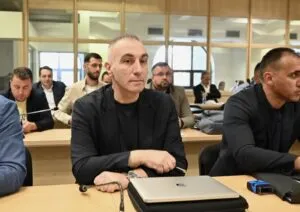
The "Lottery" Trial: 231 Pieces of Evidence, and So Far Not a Single Message Between Grubi and Bajrami
24.09.2026


24.09.2026
24.09.2026
24.09.2026
24.09.2026
24.09.2026
24.09.2026
24.09.2026
23.09.2026
22.09.2026

24.09.2026

24.09.2026

23.09.2026

24.09.2026

24.09.2026

24.09.2026
24.09.2026
23.09.2026
22.09.2026
24.09.2026

24.09.2026
24.09.2026

24.09.2026

23.09.2026

23.09.2026

09.03.2026

27.02.2026

19.02.2026
24.09.2026

23.09.2026
22.09.2026

23.04.2026

23.04.2026

12.04.2026


When Europe has to resolve a crisis in which over sixty people died in a single day, and Italy suspends Schengen with Spain, the question of who holds the phone line to Rabat is not a matter of protocol. Ursula von der Leyen entrusted that to Dubravka Šuica, the European commissioner for the Mediterranean - a politician from Dubrovnik, from this part of the world of ours.
„Dubravka Šuica is in contact with her Moroccan counterpart. I am convinced our close partnership with Morocco will help achieve concrete results“, von der Leyen announced. In parallel, home affairs commissioner Magnus Brunner is coordinating operational support, including assistance from Frontex.
Šuica has held the Mediterranean portfolio since December 2024. It covers the Union's relations with its southern neighbours - Morocco among them - partnerships, security cooperation and the external dimension of migration policy. In other words: precisely this crisis, and nobody else in the Commission sits closer to it.
A Balkan biography at the European summit
The road here starts in 1990, with joining the HDZ, continues through the mayoralty of Dubrovnik and then the European Parliament. In 2019 she became a candidate for vice-president of the European Commission responsible for democracy and demography, then vice-president of the European People's Party, and finally commissioner for the Mediterranean.
The road is not without shadows. Croatian media have for years written about assets worth over five million euros, about disputed public spending - including a renovation remembered as „the golden toilet“ - about the construction of a golf course on Srđ and about a break-in at the family home. Her political style is also remembered for the line: „Nobody can be a bigger Croat than me and my colleagues from the HDZ.“
That is a sentence anyone in the Balkans recognises, regardless of which side of the border they heard it on. Around here it is called patriotism when our man uses it and nationalism when somebody else's does.
What this means for the region
The most interesting part is not the biography but the job. The Mediterranean portfolio also covers external migration policy - the same logic by which the Union negotiates borders, returns and „partnerships“ with third countries. The Balkans are not Morocco, but the Balkan route knows the same procedure: Brussels pays, the neighbour guards, and when the neighbour takes offence, the border happens to open.
Will a politician from the region at Europe's top table see it differently from her predecessors? Or is the post stronger than the biography, and in the end the same template applies? The answer will not come from Brussels statements, but from what happens at the Ceuta border the next time Rabat wants something.
The latest 10 news from this category
The European average is 26.3 years, the Finnish one is 21. And they are not students - more than half...
The first police investigation found no irregularities. The second established unlawful and disproportionate force. The difference was made by footage...

The domestic regulator found the irregularities first, and then the story stopped. It took crossing a border for the same...
Two million people stood against twenty-seven states and the text never came out. A reminder that EU membership does not...
A lorry stopped in the hard shoulder with a breakdown, a car with five passengers and one impact in the...
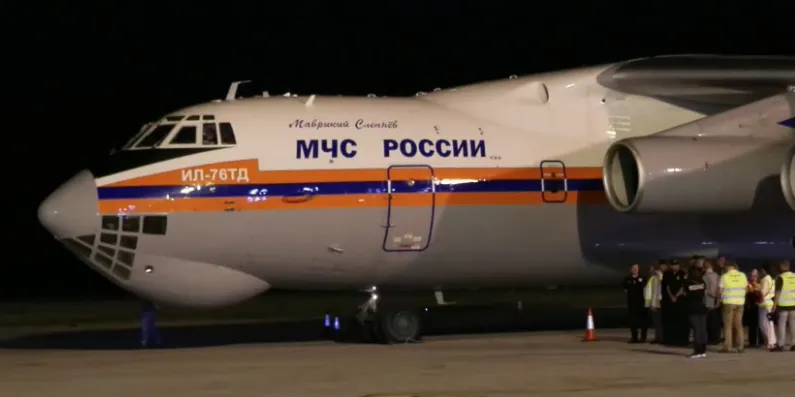
Forty-two tonnes of water per flight and one well-organised welcome on the runway in Niš. The fire in the Deliblato...
Seven times since 2015, and one trip ended less than two months before the invasion of Ukraine. SOVA says it...
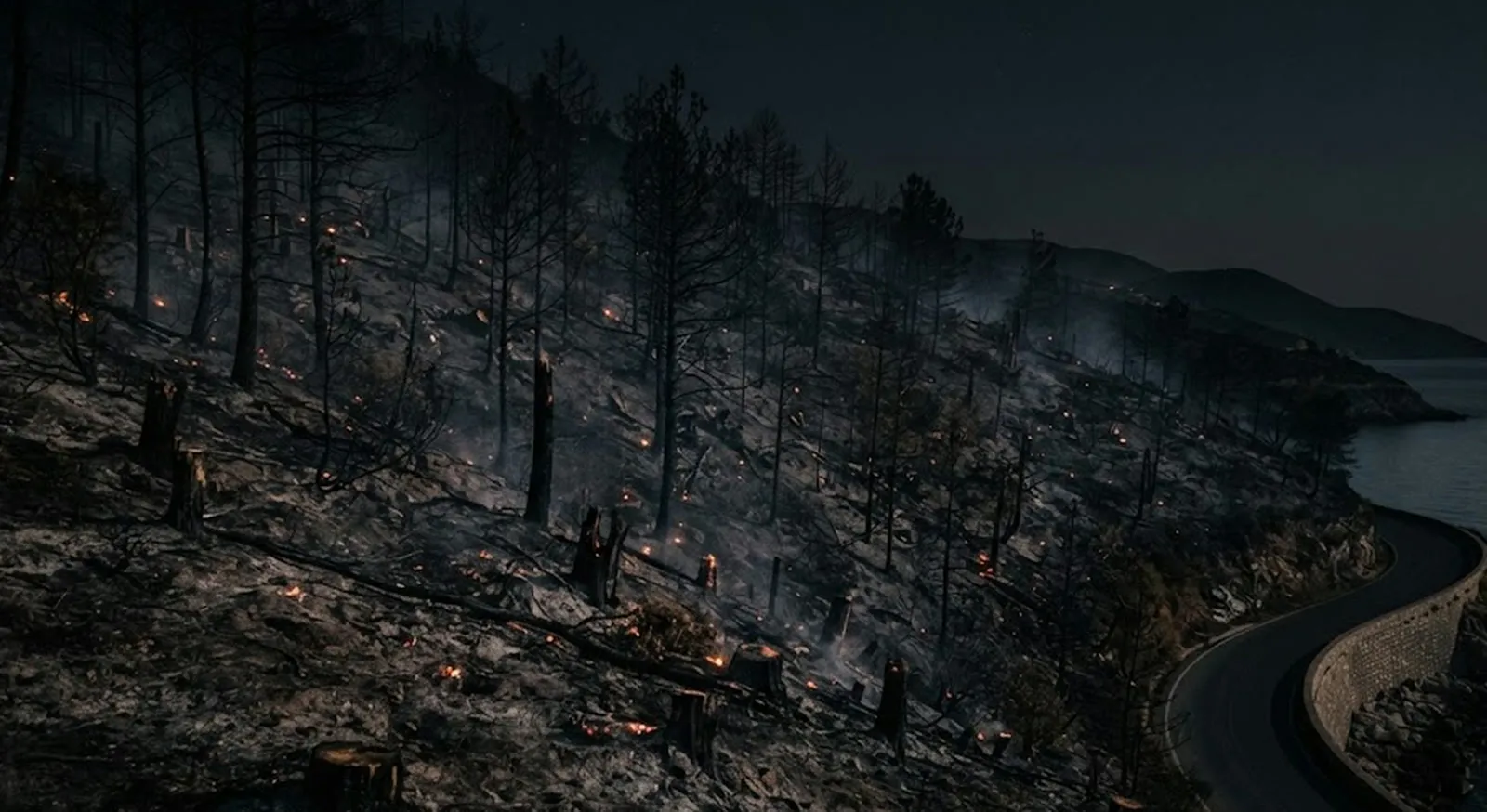
194 people evacuated by boat, 36 injured, one body found in the burnt area. Mobile phones in the zone stayed...
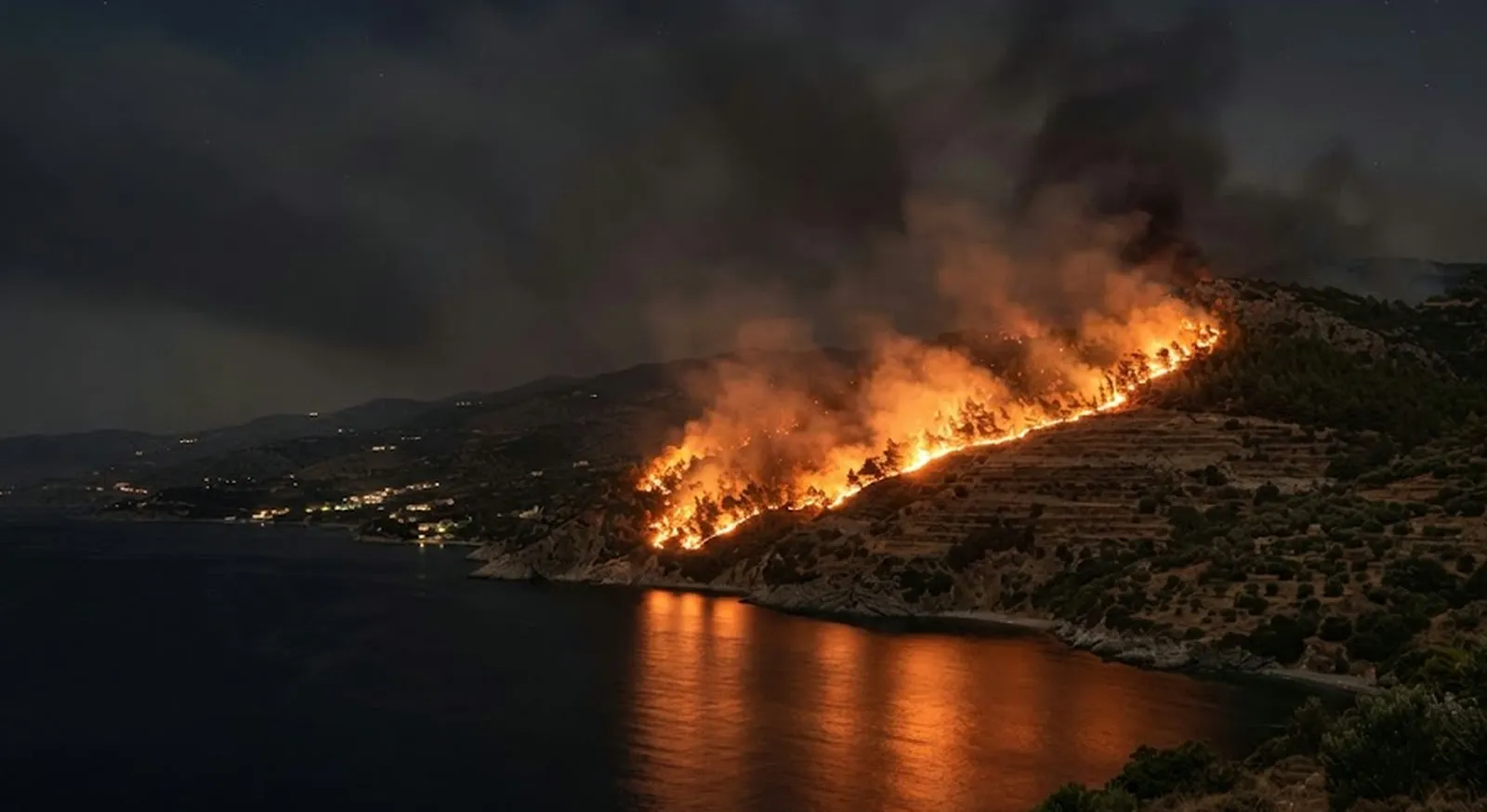
Driven by a strong night wind, the flames covered the distance from Mimice to Omiš in two hours. The question...
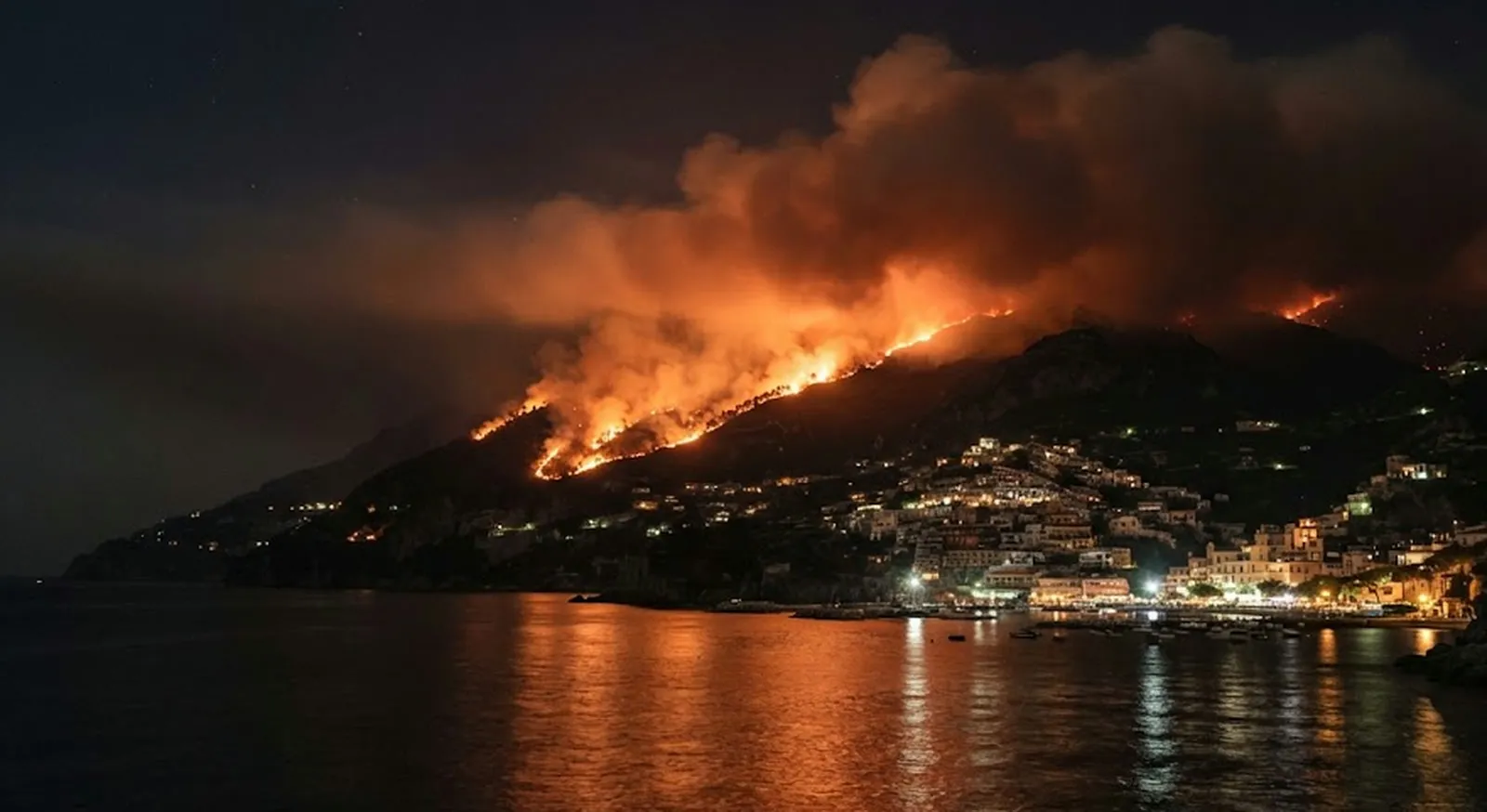
The flames reached fifty metres from the centre and people fled by boat because the coastal road was shut. A...
This site uses cookies - is that okay? Learn more
Be the first to know when Metla launches something new
Leave your email and we will write when there is a new guide or something new on Metla.