
Two Reports in One Day: an 80-Year-Old Beaten in Her Own Yard in Tearce, an 82-Year-Old from Veles Detained for Years of Beating His Wife
22.08.2026


22.08.2026

22.08.2026
22.08.2026
22.08.2026
22.08.2026
22.08.2026
22.08.2026
22.08.2026
21.08.2026

22.08.2026

22.08.2026

21.08.2026

22.08.2026

22.08.2026

22.08.2026

22.08.2026

21.08.2026

20.08.2026

22.08.2026

22.08.2026

22.08.2026

22.08.2026

22.08.2026

21.08.2026

09.03.2026

27.02.2026

19.02.2026

22.08.2026
21.08.2026
20.08.2026

23.04.2026

23.04.2026

12.04.2026
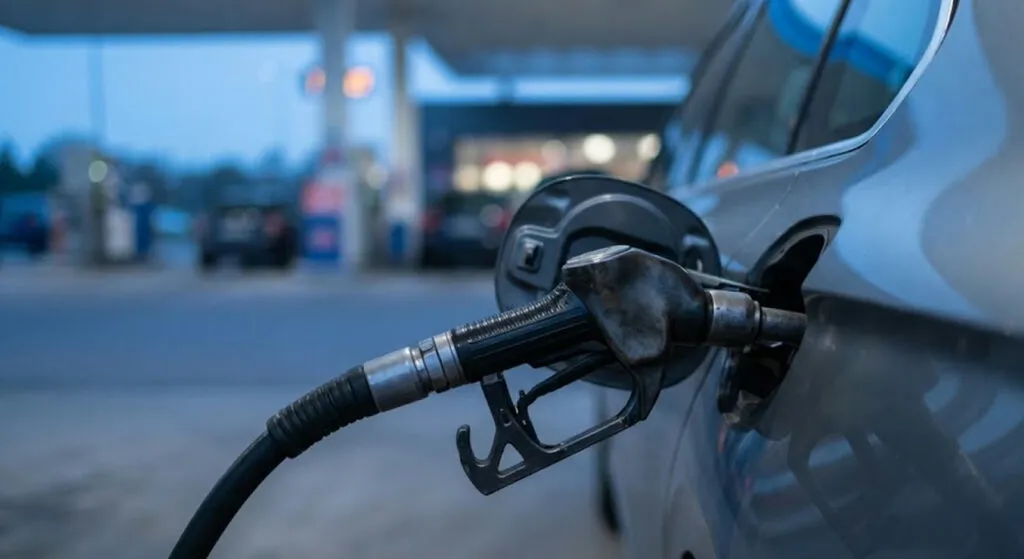
Fuel in the European Union was 16.9 percent more expensive in July than in the same month last year. This is not an estimate from some analyst with a microphone in front of them - these are Eurostat figures, published in black and white.
And the headline number is less interesting than where it hit hardest. The largest annual increase was recorded in Romania - 24.2 percent. Next come Germany and Lithuania with 22.9 percent each, and right behind them Bulgaria with 22.2 percent. The Netherlands 22, Finland 20.5. Look at that list again: two of the four biggest jumps happened among our immediate neighbours in the Balkans.
Of the Union's 27 member states, fuel is more expensive than a year ago in 25 of them. Prices fell slightly only in Hungary - by 0.1 percent, which is a statistical zero. The smallest increases are in Sweden at 1.2 and Ireland at 3.2 percent. Malta does not move at all, because there the state has regulated fuel prices since 2020. One country decided the price of fuel was too important to leave to the market, and since then there have been no surprises at the pump.
The month that changed direction
If the annual figure looks to you like a slow trend, the monthly one shows something else. In July, diesel in the EU rose 4.3 percent and petrol 4.7 percent - immediately after June, when diesel was 6.4 percent cheaper and petrol 4.2 percent cheaper than in May. So in June prices fall and everyone breathes out, and in July they climb back a month's worth.
Between June and July diesel rose in 17 countries of the Union. Most in Poland - 13.4 percent, Germany 12.7 and Greece 12.1 percent. For petrol the picture is split: increases in 14 countries, decreases in 12. The biggest jumps are again led by Poland at 17.2 percent, then Germany at 11 and Spain at 7.1 percent.
Greece being in the top three for diesel increases is a figure worth holding on to a few seconds longer. That is the country everyone from this region drives through on the way to the sea, and the country where many fill up on the way back because it used to be worth it. Does that calculation look the same in July as it did in June?
Who paid the bill for a political decision
The background to all this is no mystery. The energy break between the Union and Russia over the war in Ukraine is the main driver of instability and rising energy prices in Europe. That is a political decision taken in Brussels, with all its arguments, and that decision has a price which shows up every month in Eurostat's tables.
Moscow uses this rhetorically with pleasure. Russian President Vladimir Putin has repeatedly warned Brussels that abandoning Russian energy would in the long run turn Europe into the economic zone with the most expensive energy in the world, and that European industry would be hit hardest. That is his thesis, spoken by a side with a direct interest in sounding exactly like that - but Eurostat's numbers are not his.
This is the part where a wise sentence about how Europe will endure is usually expected. Instead, just one question: when a political decision is paid for by drivers in Romania at 24 percent and in Bulgaria at 22 percent, how long do those numbers stay economics, and when do they become politics?
The latest 10 news from this category
Serbia 945 euros, Croatia 1,500, Slovenia 1,630. Once the percentages are converted into euros, the conversation about growth ends quickly.
Borrowing is growing faster than saving. In a country where wages are falling, 119 billion in housing loans does not...
Part of Europe's industrial growth is being pulled by defence spending and precautionary stockpiling. Today that counts as an order,...

The same company paid 5.7 million for the same violation in 2019 and promised to stop it. Seven years later...
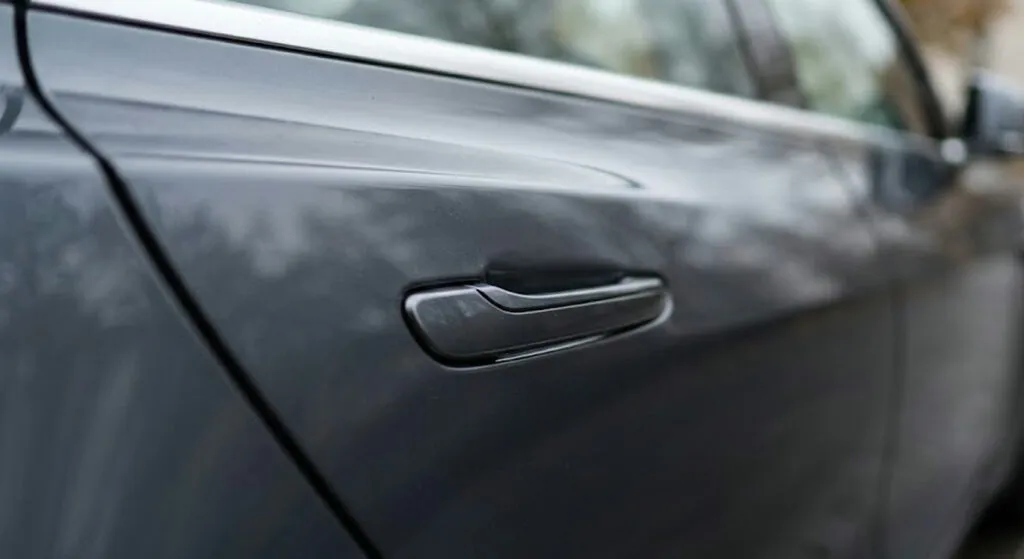
Eleven manufacturers in China are recalling vehicles because the manual emergency handle is hidden where nobody looks for it. The...

The company was not seeking investment - the board met, messages started flying and two days later it was worth...
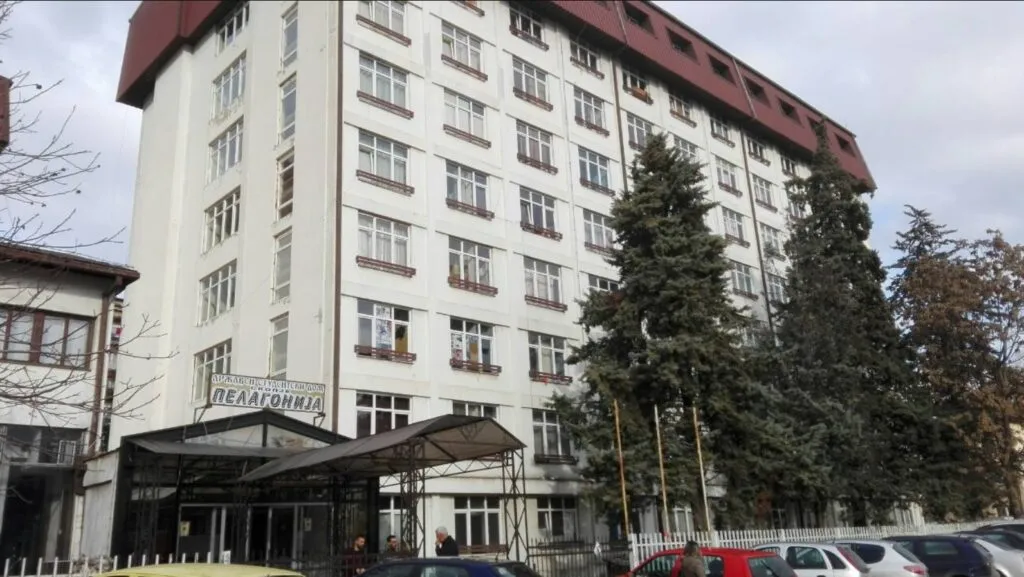
The State Audit Office counted 21 million denars of equipment missing from the books, 250 mattresses that do not fit...
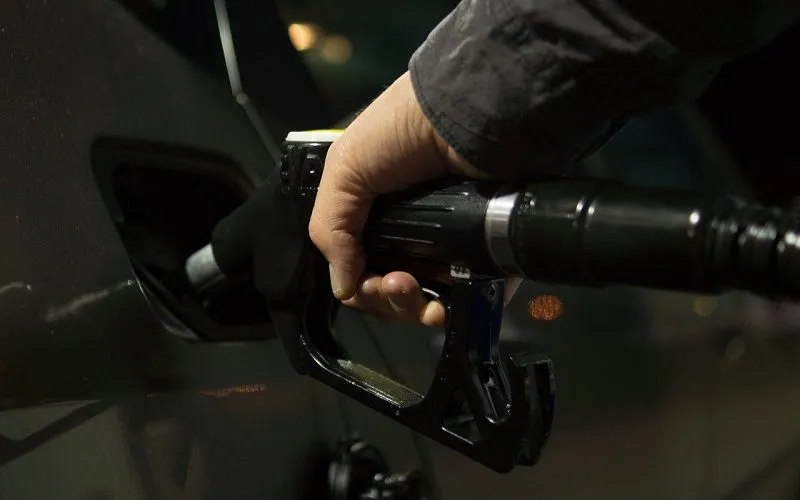
Eurosuper rose by 4.5 denars, diesel by 6.5. The excise duty has already been cut, VAT is off the table...
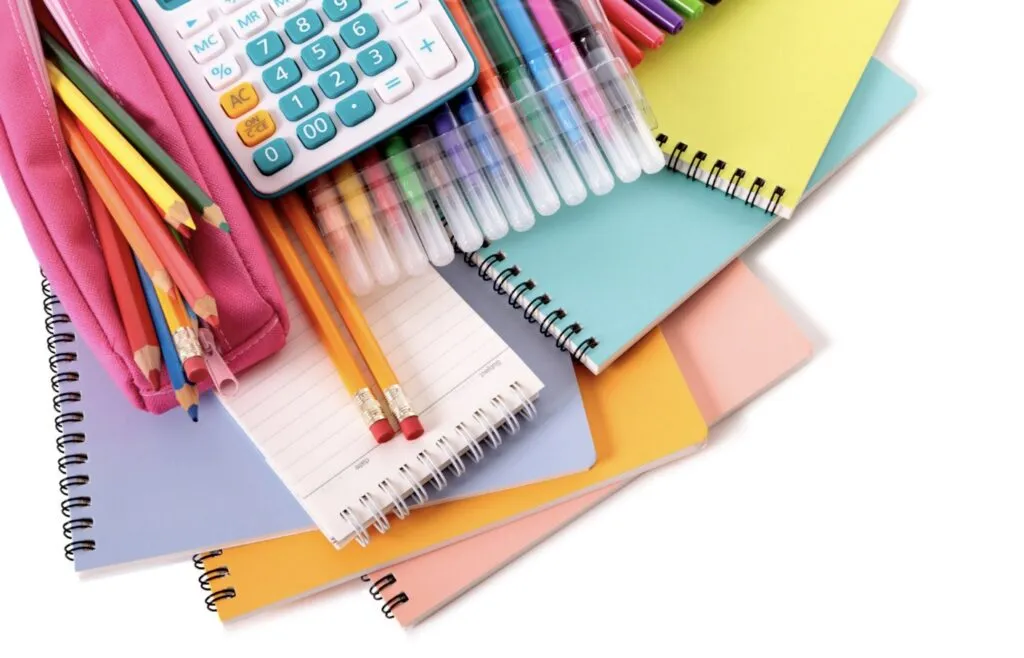
The government decides on Tuesday about capping margins on school supplies. The measure runs until 15 September. The bills run...

Every third page published after ChatGPT carries traces of having been assembled by a machine. On government and university addresses...
This site uses cookies - is that okay? Learn more
Be the first to know when Metla launches something new
Leave your email and we will write when there is a new guide or something new on Metla.