

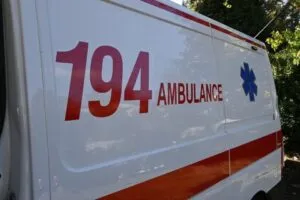
Studeničani: 35-year-old dies after being electrocuted while washing his car with a pressure washer
18.09.2026


18.09.2026
18.09.2026

18.09.2026
18.09.2026
18.09.2026
18.09.2026
18.09.2026
17.09.2026
16.09.2026
18.09.2026
18.09.2026
17.09.2026
18.09.2026
18.09.2026

18.09.2026
18.09.2026
17.09.2026
16.09.2026
18.09.2026

18.09.2026
18.09.2026

18.09.2026
17.09.2026

17.09.2026

09.03.2026

27.02.2026

19.02.2026
18.09.2026
17.09.2026
16.09.2026

23.04.2026

23.04.2026

12.04.2026

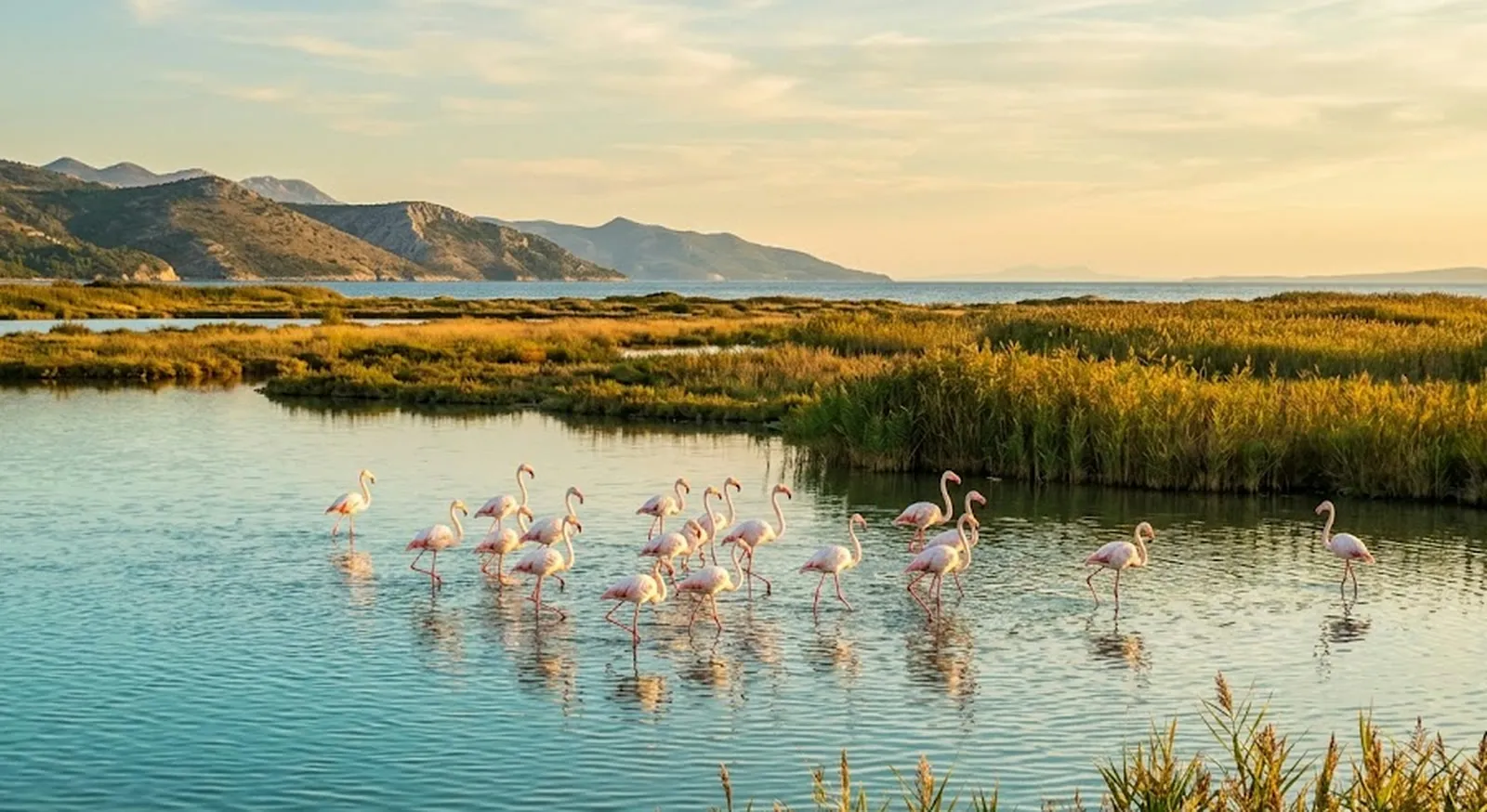
In a small village in northwestern Albania, around 200 demonstrators tore down the metal fence and barbed wire around the construction site of a luxury resort on 13 June. They chanted "Revolution" as they pulled away the barriers next to the police. The story sounds local - until you see who is behind the project: the firm Affinity Partners, linked to Jared Kushner, the son-in-law of Donald Trump.
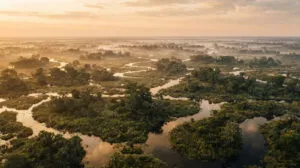
Residents of the village of Rrjoll claim the land was seized from 200 families. "The protests will not stop until the residents of Rrjoll are compensated," one of the owners said. The protest took its name from the flamingos that live in the protected natural area where the resort is planned - near the islands of Zvernec and Sazan on the Adriatic coast. Hence the name "flamingo revolution".
But behind the environmental story lies something far bigger for Albania's future. The European Commission has warned the country that the project directly endangers the standards for EU membership - protection of the environment, bird habitats and wildlife. Brussels is demanding that Albania reverse the amendments to its protected-areas laws and repeal the strategic-investment law that made the project possible. A Commission spokesman said the country must "fully align with European environmental legislation", and that "without delay".
And here is the picture the whole Balkans know well. On one side, foreign capital tied to a powerful American family, with laws tailored precisely so the project goes through. On the other, people who say their land was taken, and a natural world with no one to defend it but the villagers and a few flamingos. Albania stands at an old Balkan crossroads - whether to open the door to the big investor, or to heed Brussels, whose membership it has dreamed of for decades. The question every country in the region sooner or later faces: how much does a single "yes" cost when the EU's door is the very same door you are pushing on too?
The latest 10 news from this category
The call was about damaged furniture on a terrace. Armin Dzutovic died three days later. The internal investigation found first...
Four KLA leaders received 81 years in prison, and Albania's parliament immediately adopted a declaration calling the verdict unjust. The...
The court established responsibility for 96 killed, 303 tortured and 385 unlawfully detained. The prosecution asked for 45 years. Serbia...
Thaci and Krasniqi got 25 years each, Veseli 18, Selimi 13. The court established 385 unlawfully detained, 303 tortured and...
"If it is acceptable to the participants" - that is the entire offer. What gets negotiated is the format, not...
Thousands walked from the Rectorate to the electoral commission, and the signatures had to be queued for all weekend because...
Thousands of people under a digital clock and a banner asking for them to be found innocent. On Wednesday The...
The ruling list sailed through without a single problem, the student list was left waiting in line. Nobody banned anything...
The same firm that supplied ammunition to Ukraine for years is burning for the second time in a month. Seven...
A third attempt in three years, but this time the signatures came from the government benches too. Six MPs from...
This site uses cookies - is that okay? Learn more
Be the first to know when Metla launches something new
Leave your email and we will write when there is a new guide or something new on Metla.
