
Debar woman reported a 3,000-euro burglary at her home - police found she had made it up
14.10.2026


14.10.2026

14.10.2026

14.10.2026

14.10.2026
14.10.2026
14.10.2026

14.10.2026

13.10.2026
13.10.2026

14.10.2026

14.10.2026

13.10.2026

14.10.2026

14.10.2026

14.10.2026

14.10.2026

13.10.2026

12.10.2026

14.10.2026

14.10.2026

14.10.2026

14.10.2026
14.10.2026

14.10.2026
13.10.2026

12.10.2026

10.10.2026

23.04.2026

23.04.2026

12.04.2026

The heating season in Skopje began on October 13, two days before the official date, because the Hydrometeorological Service's forecast of an average daily temperature of 12 degrees met the conditions for switching on early. ESM started up the district heating systems. Part of the city, however, spent the first day with cold radiators.
Around 170 buildings were left without heating. On the list are the primary schools "Kiril i Metodij", "Dimo Hadzhi Dimov", "Kole Nedelkovski" and "Blazhe Koneski", the Faculty of Technology and the Faculty of Civil Engineering, the "Temjanushka", "Park" and "Mimoza" kindergartens, the Infectious Diseases Clinic, the City Hospital, the Psychiatric Hospital and the "Jane Sandanski" and "Idadija" polyclinics. The most common causes: leaks in the heating installation, substation faults, power cut off to the substations, or crews being unable to get access.
On top of that, because of increased water losses in the distribution network, ESM registered a temporary interruption of supply for some customers in the municipalities of Centar, Kisela Voda and Aerodrom and in the Avtokomanda neighbourhood in Gazi Baba.
The warning was public
Before this season too, ESM urged customers to check their radiators and installations in time. But when the list of cold buildings includes hospitals and kindergartens, the question isn't only for residents. Who checked the installations and substations in public buildings before the first cold day?
Warmer will be pricier
The bills will be higher. New heat energy prices, following the Energy Regulatory Commission's decision of July 27, have applied since August 1 and bring an average increase of 5.96% for ESM Distribution customers. According to published calculations, for a flat of around 60 square metres that is roughly 140 denars more a month, and the seasonal heating cost for such a flat is estimated at around 30,000 denars.
In October and the first half of November, supply depends on the outside temperature: a radiator that is warm in the morning won't necessarily be warm in the afternoon, and that is a regulated regime, not a fault. But for around 170 buildings on the first day, the problem wasn't the regime. It was the installation.
The latest 10 news from this category

Children from all over western Macedonia are brought to Ohrid to beg, claims the association "Gradime idnina", which also speaks...

An international jury picked Prilep out of 63 applications from the Western Balkans. The 49% figure sounds great - it...
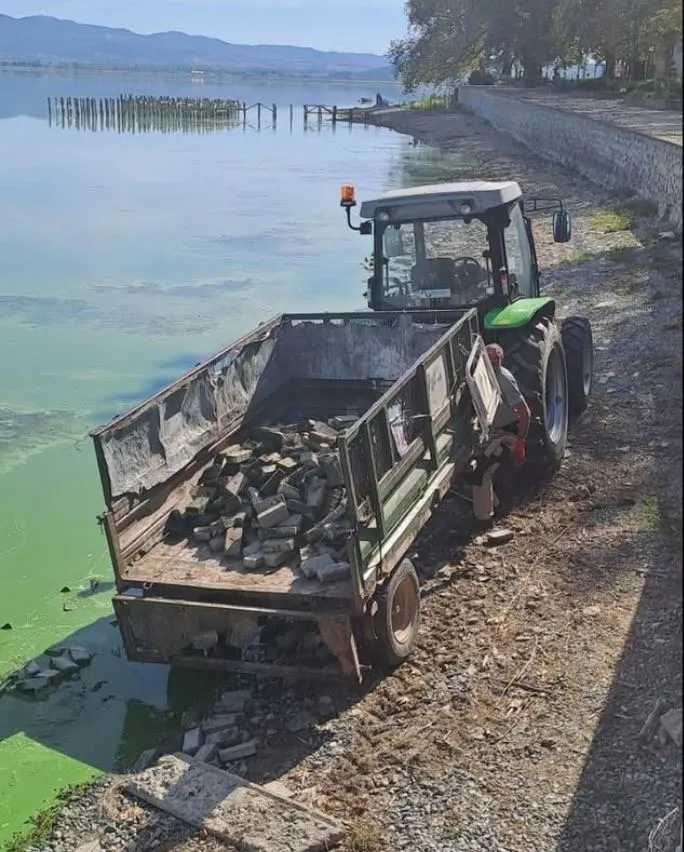
The Municipality of Dojran is using new machinery to clean the shore along the promenade in Star Dojran. The paving...

On October 28, 188 prosecutors will choose Islam Abazi's successor by secret ballot. The programmes are alike - financial investigations,...
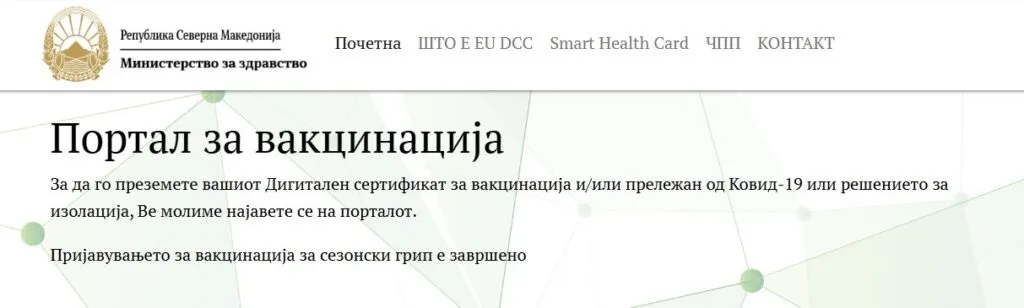
30,000 doses are already in the country, and the minister promises a start between October 16 and 25. Citizens who...
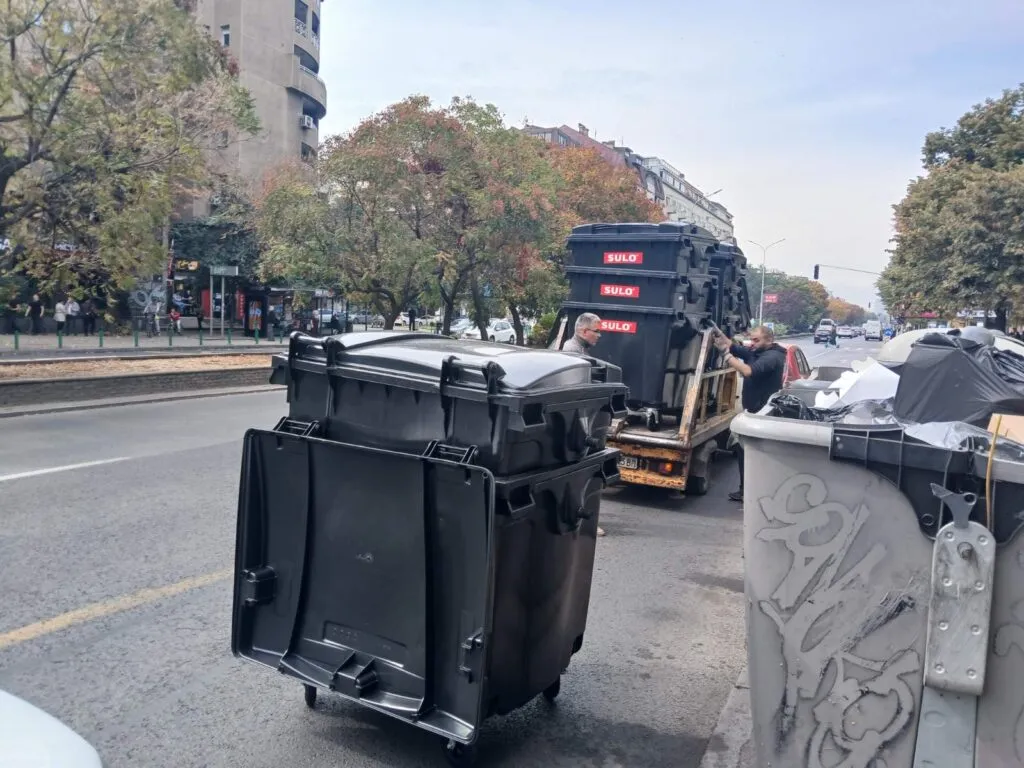
The city has started putting out the new bins, and Skopje residents are asking for something you can't buy through...
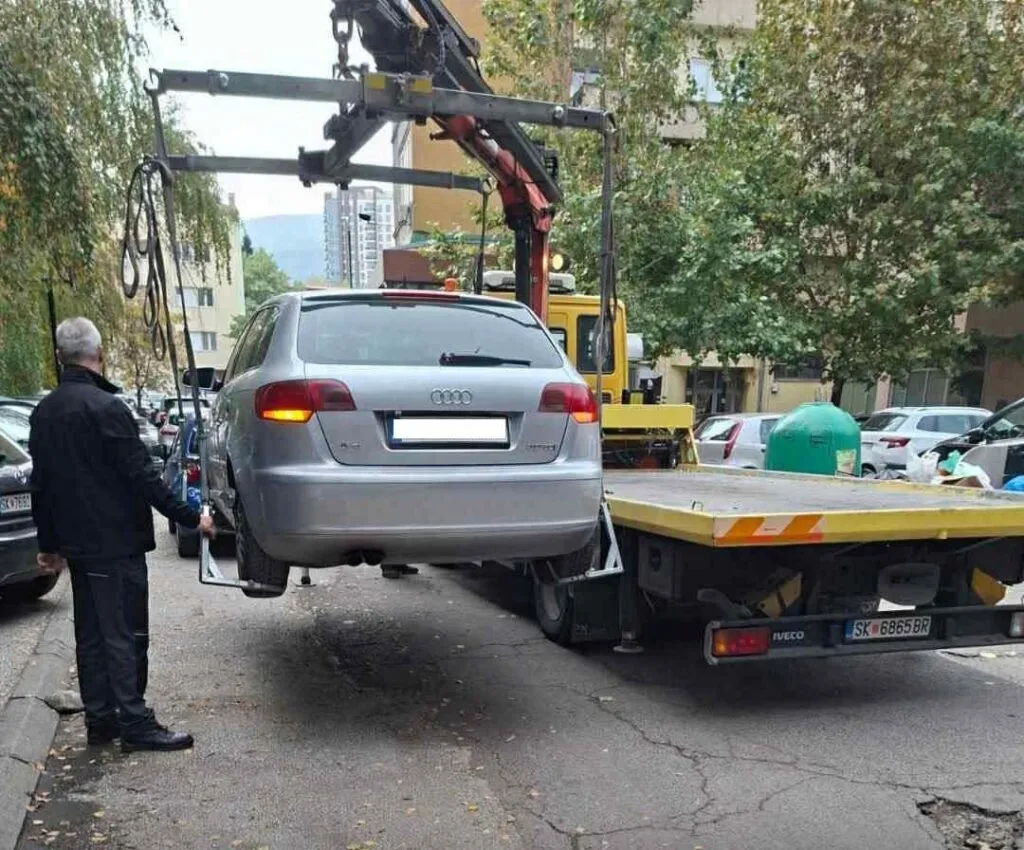
Around 19 cars a day, towed because they were blocking traffic. The municipal parking company says it will keep going...
Both her passports were confiscated a year ago, her name was on the stop list, and the Interior Ministry has...
Residents report burning throats; according to Levica, the crisis centre sends them to the media and the municipality sends them...
A new line via Gradsko, a tunnel under Pletvar and Prilep an hour from Skopje. The vision is lovely, the...
This site uses cookies - is that okay? Learn more
Be the first to know when Metla launches something new
Leave your email and we will write when there is a new guide or something new on Metla.