
Debar woman reported a 3,000-euro burglary at her home - police found she had made it up
14.10.2026


14.10.2026

14.10.2026

14.10.2026

14.10.2026

14.10.2026

14.10.2026

14.10.2026

13.10.2026

13.10.2026

14.10.2026

14.10.2026

13.10.2026

14.10.2026

14.10.2026

14.10.2026

14.10.2026

13.10.2026

12.10.2026

14.10.2026

14.10.2026

14.10.2026

14.10.2026

14.10.2026

14.10.2026
13.10.2026

12.10.2026

10.10.2026

23.04.2026

23.04.2026

12.04.2026

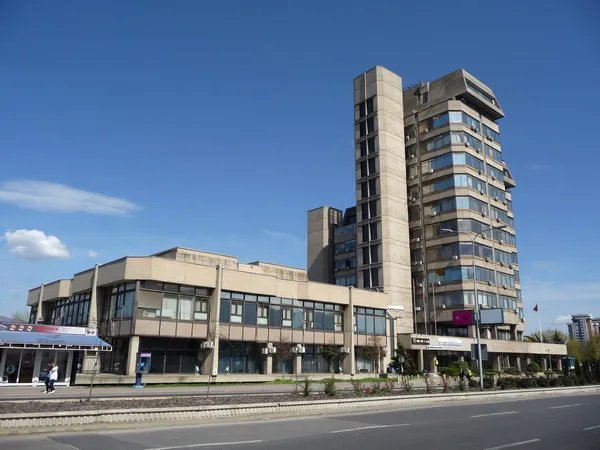
From December 1, 2026, anyone buying a second or any further flat on credit will have at most 25 years to pay it off, instead of the current 30. The National Bank is also lowering the permitted ratio between a borrower's monthly debt repayments and monthly income. For a first home the term stays at up to 30 years, and the minimum down payment at 10%, as it has been since December last year.
Governor Trajko Slaveski says flats and houses should first and foremost be places to live, and only then an investment. According to the National Bank, first-home loans now make up around 25% of all approved housing loans, and the Skopje flat price index shows a slowdown: annual growth in the third quarter was 10.3%, after 13.4% in the second and 16.6% in the first quarter.
What 10% really means
The first-home measure looks like relief, and at the start it really is. But the calculation shows the other side too. For a 100,000-euro flat, over a 30-year term with an illustrative fixed interest rate of 3%, a buyer putting down 10% needs to save 15,000 euros less up front than one putting down 25%. In return, they take a bigger loan and over 30 years pay around 7,800 euros more in interest, not counting fees, insurance and other costs.
So the measure doesn't make the flat cheaper. It shifts the weight from today's savings to future instalments. For a young family that has been paying rent for years and can't put together 25,000 euros, it may still be the only road to a home of their own. It just isn't a gift.
A second flat isn't always a luxury
The stricter rules for second flats are aimed at investors. But they will also hit families whose flat has become too small, because the family has grown or the children have grown up, and who want a bigger flat while keeping the first one. A shorter term means a higher monthly instalment, and a stricter ratio means the bank will require a higher income to approve the loan. On the other hand, a shorter term also means less interest overall.
The National Bank can tighten lending, but the price per square metre is set by sellers and developers. If growth of 10.3% in a year counts as "stabilisation", the question is - stabilisation for whom: for the market, or for the wage that has to catch up with it?
The latest 10 news from this category
The average Macedonian net wage is around 789 euros. Reaching 1,000 euros by 2028 takes growth of around 27%, and...

The Energy Regulatory Commission left petrol and diesel at their current prices. The explanation lies with the dollar, which rose...
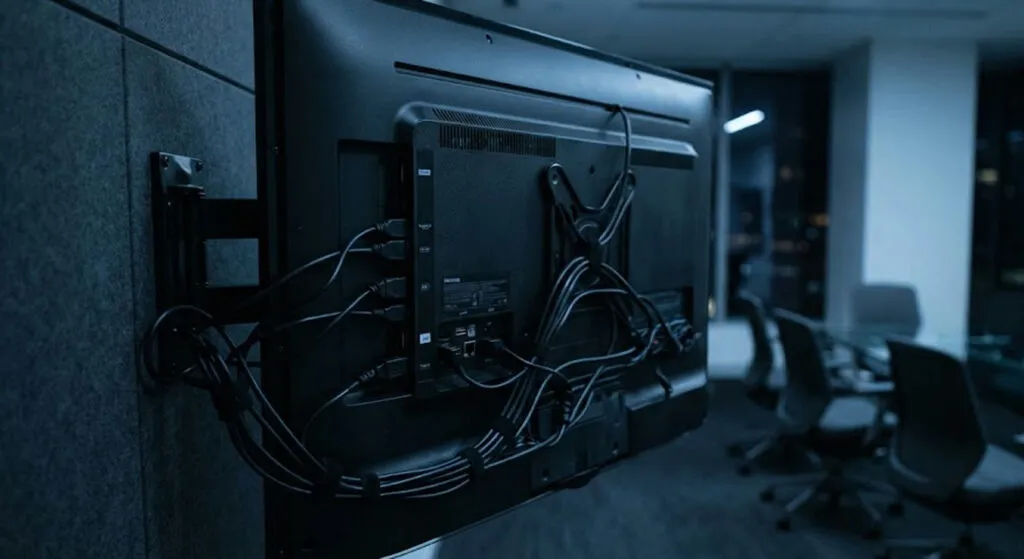
A hidden device in a USB port behind a TV, in OpenAI's leadership meeting room. The FBI director talks about...

Five years ago Bumble was valued at 14 billion dollars on the stock market; today it sells for 1.3 billion....

Instead of the algorithm guessing, now you write to it what you want to see. Every such sentence is also...
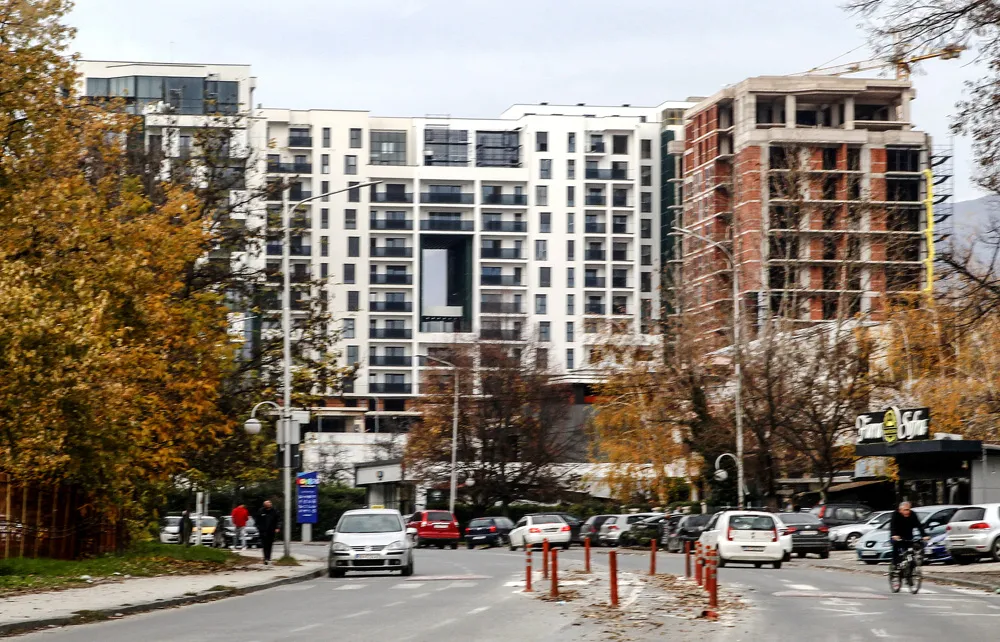
At this rate, a 300-euro rent becomes 327.60 euros, and flat prices in Skopje are climbing even faster. There's construction...

The ministry puts a family of four at 58,475 denars a month, the unions at 68,675. One number measures what...
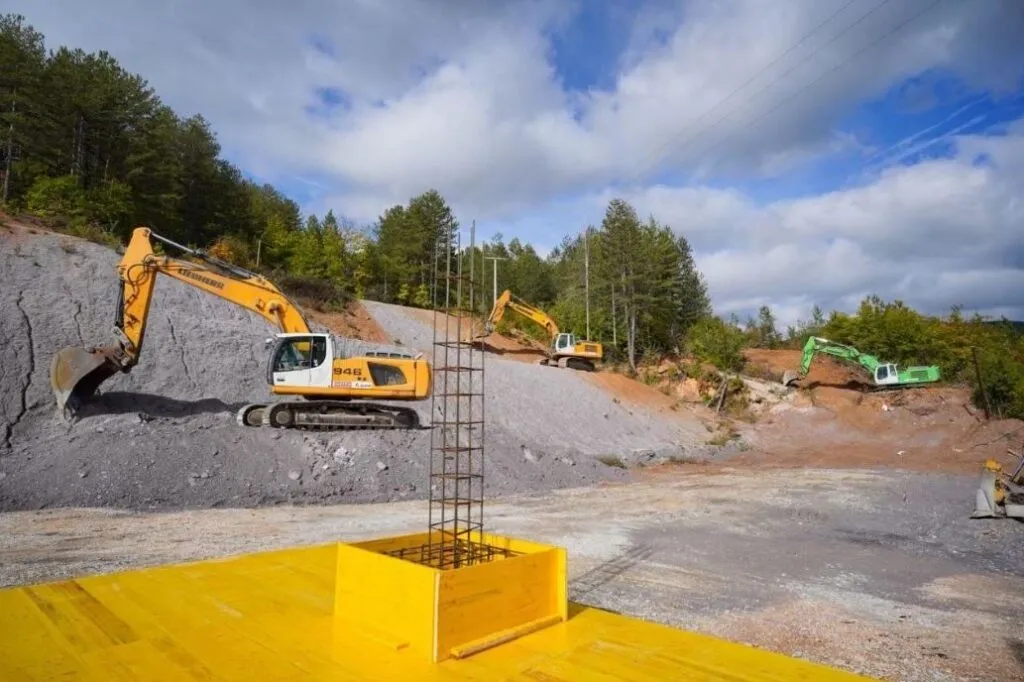
A 119-million-euro loan, a 20-million grant, five bridges and a tunnel. Skopje to Ohrid in under an hour and a...

Problems people worked on for entire careers, solved by a model nobody outside the company has seen. Some are already...

Meta's new models, according to the company's own tests, are on a par with the competition's leading models. But the...
This site uses cookies - is that okay? Learn more
Be the first to know when Metla launches something new
Leave your email and we will write when there is a new guide or something new on Metla.