Debar woman reported a 3,000-euro burglary at her home - police found she had made it up
14.10.2026


14.10.2026

14.10.2026

14.10.2026

14.10.2026

14.10.2026
14.10.2026

14.10.2026

13.10.2026
13.10.2026

14.10.2026

14.10.2026

13.10.2026

14.10.2026

14.10.2026

14.10.2026

14.10.2026

13.10.2026

12.10.2026

14.10.2026

14.10.2026

14.10.2026

14.10.2026

14.10.2026

14.10.2026
13.10.2026

12.10.2026

10.10.2026

23.04.2026

23.04.2026

12.04.2026


At the October 11 commemoration in Kumanovo, Prime Minister Hristijan Mickoski set a new goal: an average wage of 1,000 euros by the end of his term, in 2028. It sounds ambitious. Until you look across the border.
According to the State Statistical Office, the average net wage in Macedonia in July 2026 was 48,499 denars, or around 789 euros. That is nominal growth of 7.1% in a year, and 4.7% in real terms. In Montenegro, according to its statistics office MONSTAT, the average net wage in August was 1,040 euros. The difference is around 251 euros a month, or more than 3,000 euros a year.
Our target is their minimum wage
At the bottom end of the pay scale, the contrast is even sharper. The Montenegrin government has announced its "euro model", under which from January 2027 the minimum net wage will be 1,000 euros for jobs requiring primary education, 1,250 euros for secondary and 1,400 euros for higher education. For now that is an announcement whose effects are still to be measured. But Macedonia is talking about an average of 1,000 euros in 2028, while Montenegro plans for that to be its lowest minimum wage in 2027. Macedonia's minimum wage today is 26,046 denars, around 423 euros.
The maths is not on the promise's side. For the average wage to get from 789 to 1,000 euros, it needs to grow by around 27% in nominal terms. If it keeps growing at 7.1% a year, in two years it will reach around 905 euros. The rest will take more than statistical inertia.
The shopping basket runs faster
Economist Branimir Jovanović of the Vienna Institute for International Economic Studies points out that, according to the trade union, the minimum monthly cost of survival for a family of four in September was around 69,000 denars, while the minimum wage is around 26,000 denars. A family with two minimum wages is 17,000 denars short every month. Two years ago, he says, the basket was around 60,000 denars, the minimum wage around 22,500, and the gap 15,000. "That gap has grown by 2,000 denars over these two years," Jovanović says.
In its latest report on Macedonia, "Avoiding the Middle-Income Trap", the World Bank notes that over the past decade Albania, Serbia and Montenegro narrowed their income gap with the EU average by 7 to 10 percentage points, and Macedonia by only 4, reaching around 42% of the EU's average GDP per capita in 2024.
The 1,000-euro target isn't bad in itself. The problem is that in the region it is no longer a target, but a starting point. Which is why it was met with mockery on social media: most citizens earn less than the average, so even the current 789 euros is something they only ever see in the statistics.
The latest 10 news from this category
On a 100,000-euro flat, a 10% down payment instead of 25% means 15,000 euros less up front, but around 7,800...
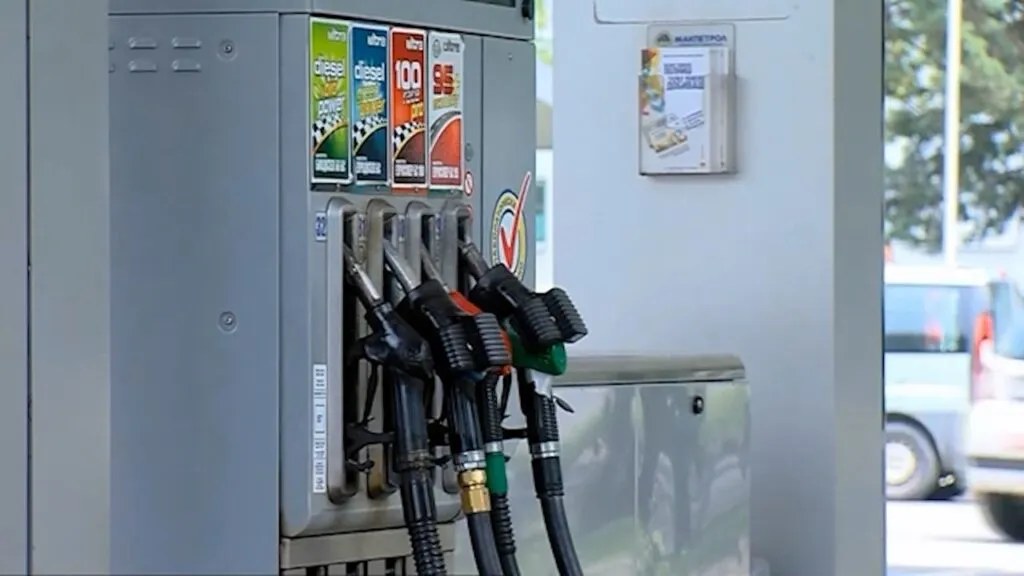
The Energy Regulatory Commission left petrol and diesel at their current prices. The explanation lies with the dollar, which rose...
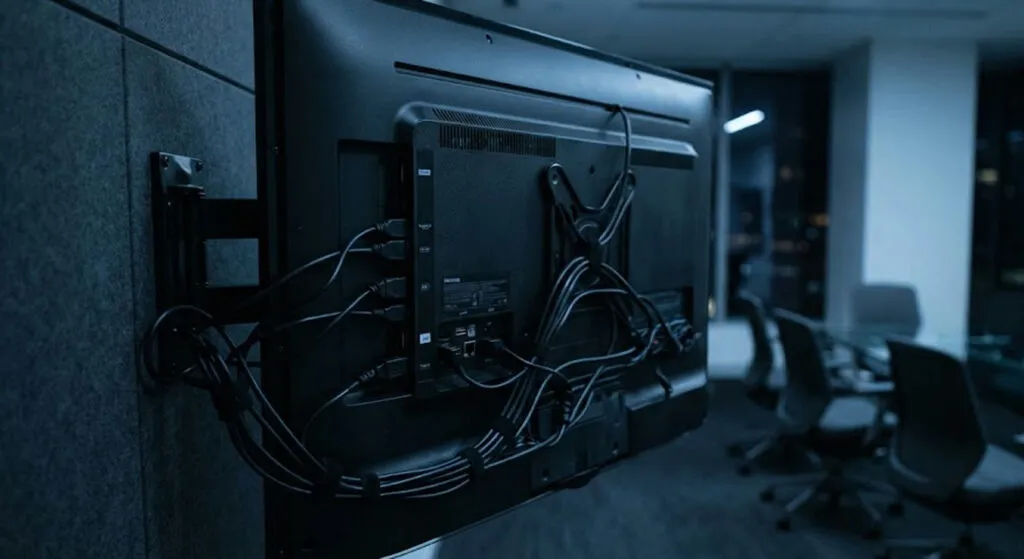
A hidden device in a USB port behind a TV, in OpenAI's leadership meeting room. The FBI director talks about...

Five years ago Bumble was valued at 14 billion dollars on the stock market; today it sells for 1.3 billion....
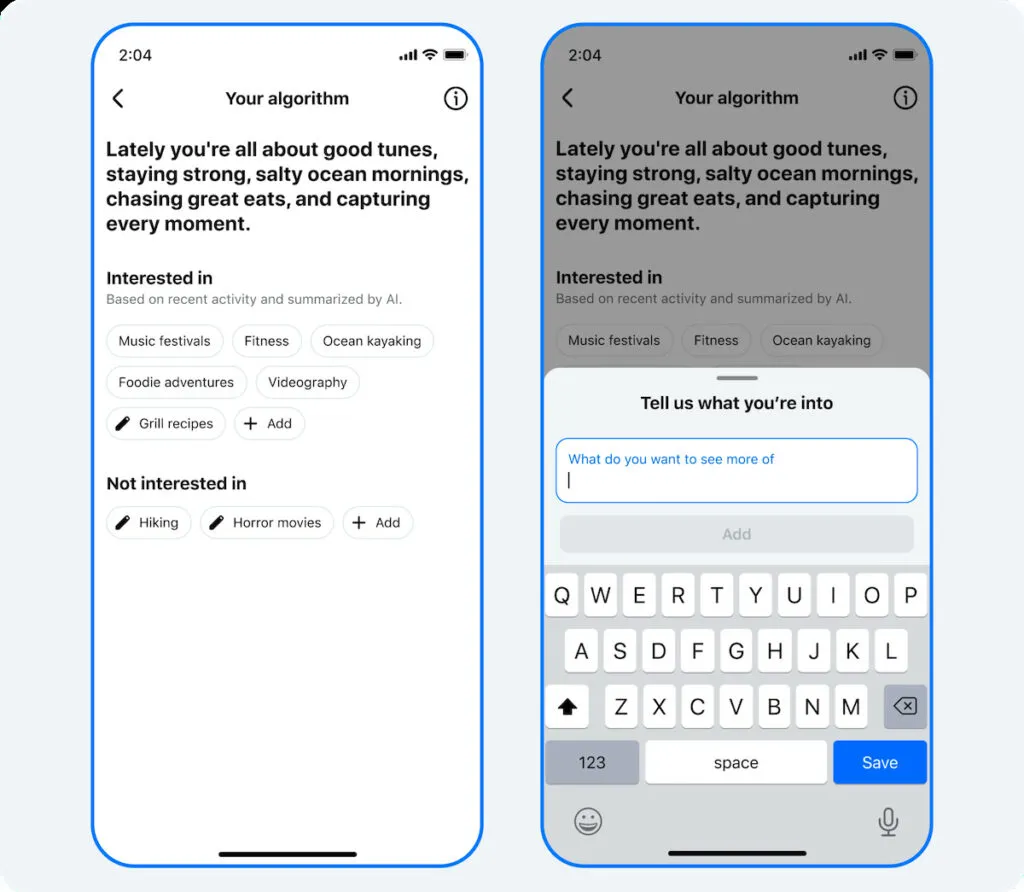
Instead of the algorithm guessing, now you write to it what you want to see. Every such sentence is also...
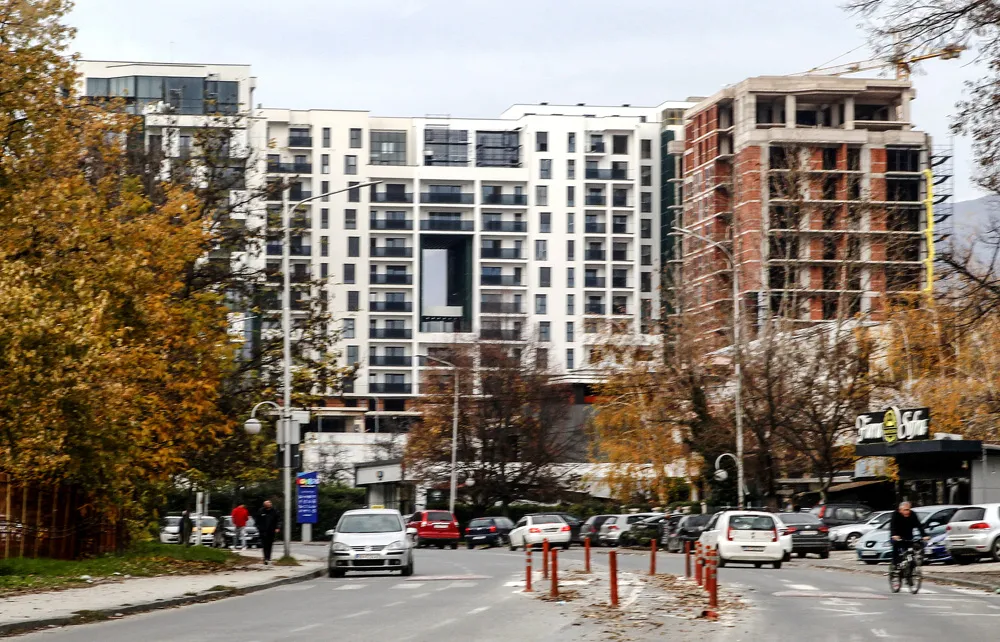
At this rate, a 300-euro rent becomes 327.60 euros, and flat prices in Skopje are climbing even faster. There's construction...
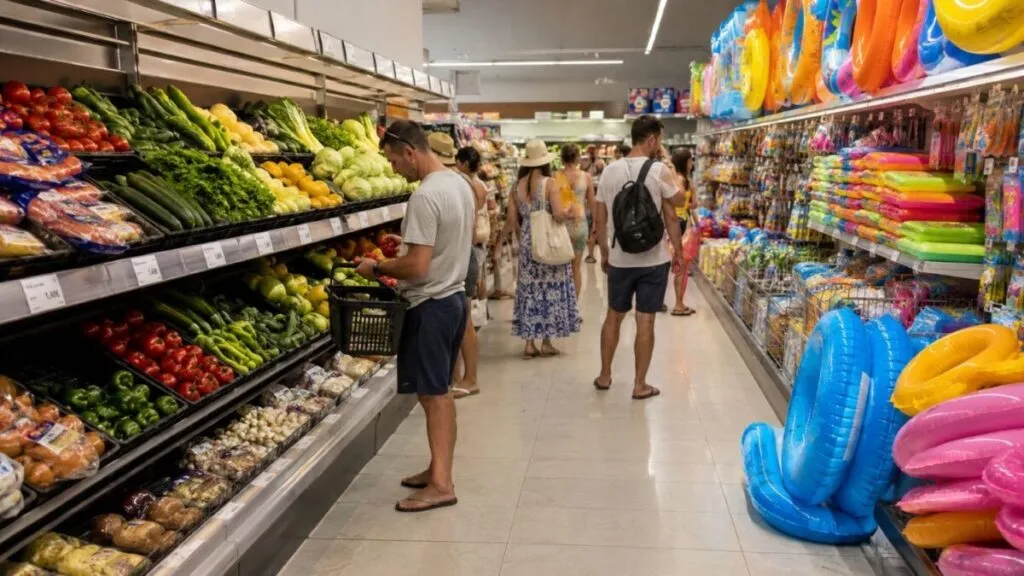
The ministry puts a family of four at 58,475 denars a month, the unions at 68,675. One number measures what...
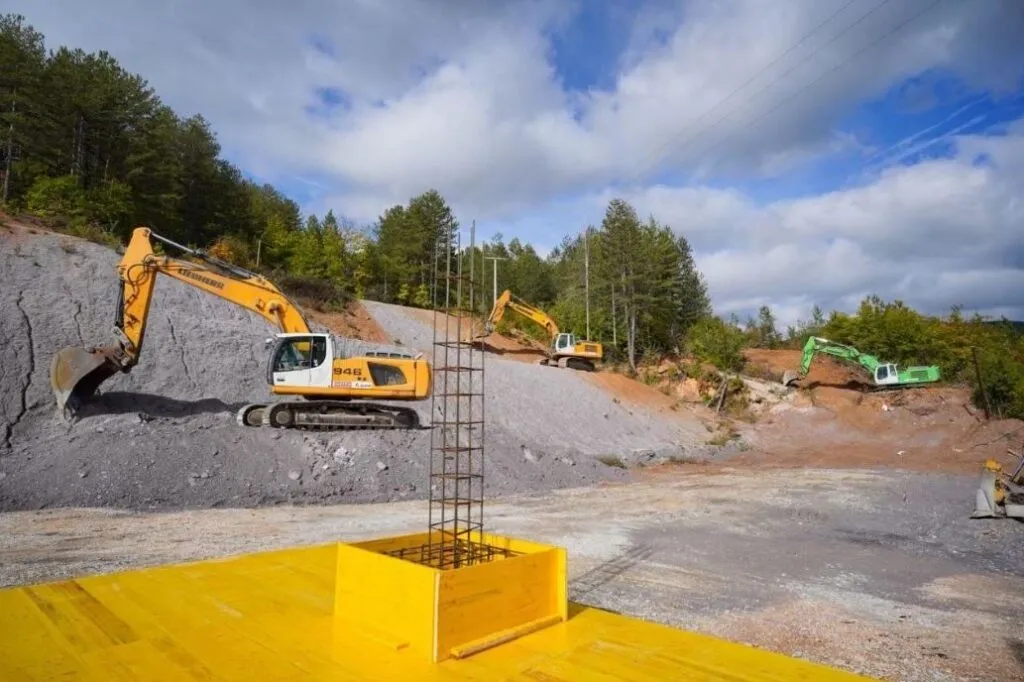
A 119-million-euro loan, a 20-million grant, five bridges and a tunnel. Skopje to Ohrid in under an hour and a...

Problems people worked on for entire careers, solved by a model nobody outside the company has seen. Some are already...
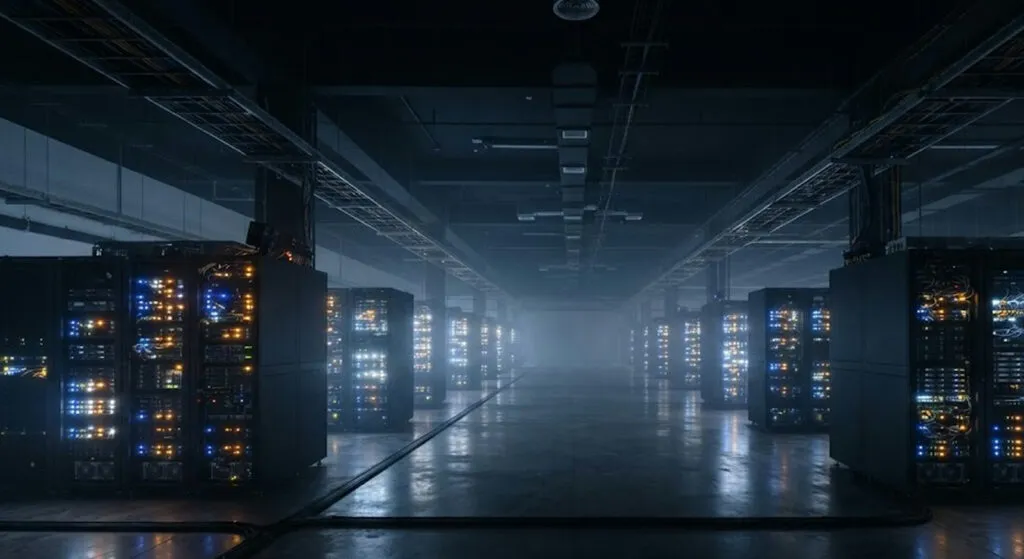
Meta's new models, according to the company's own tests, are on a par with the competition's leading models. But the...
This site uses cookies - is that okay? Learn more
Be the first to know when Metla launches something new
Leave your email and we will write when there is a new guide or something new on Metla.