Five Tonnes of Cannabis Straight Through Customs: A Medical Licence as Cover, at Least Five Runs
18.08.2026


18.08.2026
18.08.2026
18.08.2026

18.08.2026

18.08.2026

18.08.2026
18.08.2026

17.08.2026
16.08.2026
18.08.2026

18.08.2026

17.08.2026

18.08.2026

18.08.2026

18.08.2026
18.08.2026

17.08.2026

16.08.2026

18.08.2026

18.08.2026

18.08.2026

18.08.2026
17.08.2026
17.08.2026

09.03.2026

27.02.2026

19.02.2026
18.08.2026
17.08.2026
16.08.2026

23.04.2026

23.04.2026

12.04.2026
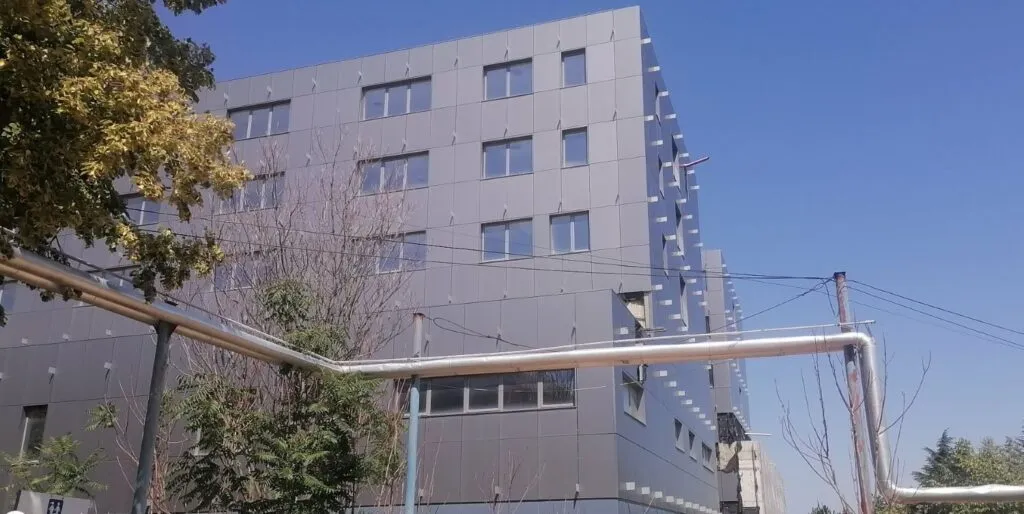
Health Minister Saso Klekovski announced that the clinical hospitals in Stip, Tetovo and Kicevo will be financed by a loan from the World Bank and the European Investment Bank. The Finance Ministry judged that offer more favourable - a longer repayment period and a grant component.
That is news. And it is news worth holding onto for one sentence longer: until yesterday the same hospitals were being planned through the „government to government” agreement with the United Kingdom, signed more than a year ago.
So: a year and change of an arrangement - and a change in where the money comes from. With no explanation of what was not working with the previous one.
Four prime ministers, three caretakers, eight ministers
The chronology of the Stip hospital is the best argument for reading this announcement carefully. The foundation stone was laid on 3 March 2016. The announcement then was 56 million euros and a working building within two to three years.
Since then, four prime ministers, three caretaker prime ministers and eight health ministers have come and gone. Not one of those ministers held the post for longer than a year. The building has been erected to shell stage, with the facade partly installed, no completed interior infrastructure - and no construction activity.
The new plan foresees 109 million euros to finish it. Double the original estimate, for a building standing empty.
How it stalled: bankruptcy, dispute, pandemic
For the first two years the work moved. The Greek company „Interakt”, with main subcontractor GP „Beton”, brought the building to shell stage and started interior installations. Then came disagreements between investor and contractor, terminated contracts, court and out-of-court proceedings.
When „Beton” went into bankruptcy, work stopped not only on the hospital but also on the FINKI building and the final section of „Skopje 2014”. Then came 2020, and the modular hospitals took all the attention. The Stip hospital dropped to second place and stayed there.
What is actually being announced now
Klekovski says the shell in Stip is closed with most of the installations in place, but that a fresh survey of completed works has been requested - because nothing has been done on site for a long time, so it needs checking whether anything has been damaged or stolen. The project itself, dating from 2013, will also be revised.
The tender for the first phase, he says, will be issued very soon. The project has two stages - first the new building, then demolition of part of the old ones and an extension for the diagnostics wing. One old building will be preserved for palliative care.
The Tetovo project is at an advanced stage. Kicevo has a different problem: the building already started is too large for the municipality's needs because of demographic change, so an alternative location is being considered on Defence Ministry land, at the old barracks at the entrance to the town.
„St. Erazmo” - another contract terminated in 2017
Klekovski also announced a public call for the reconstruction of the „St. Erazmo” hospital in Ohrid, where the contract was terminated in 2017 and there has been no activity since. Nine years.
The minister says his priority is finishing quickly the projects closest to completion, rather than long-term and uncertain investments. On the new Clinical Centre in Skopje - one has to be aware of both the financial and the organisational aspects.
That is a sensible approach and it deserves saying. The problem is that each of the previous eight ministers had their own sensible approach. What was missing was not the plans, but time in office - and the continuity that disappears with every reshuffle.
The latest 10 news from this category
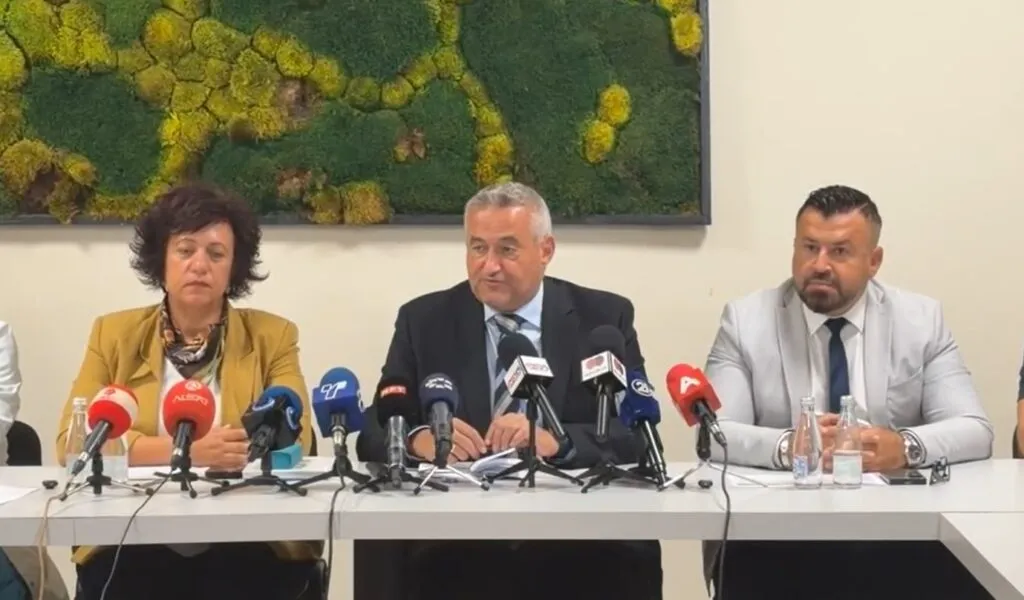
35 confirmed cases, six critical, the youngest hospitalised patient is 25. The inspectorate is checking whether municipalities actually sprayed the...
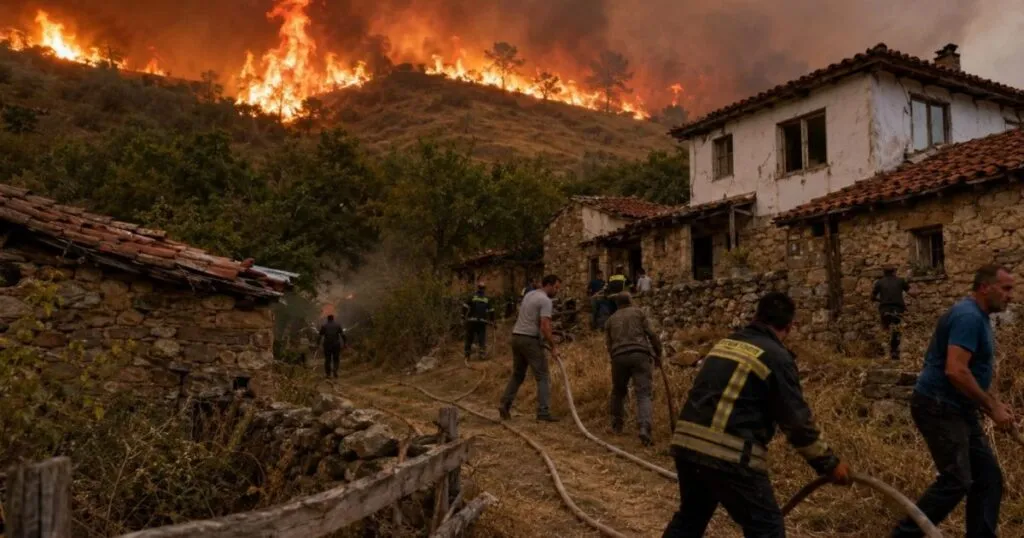
22 fires in a single day, seven still burning. Where three firefighting aircraft flew, the fire was broken. Where there...
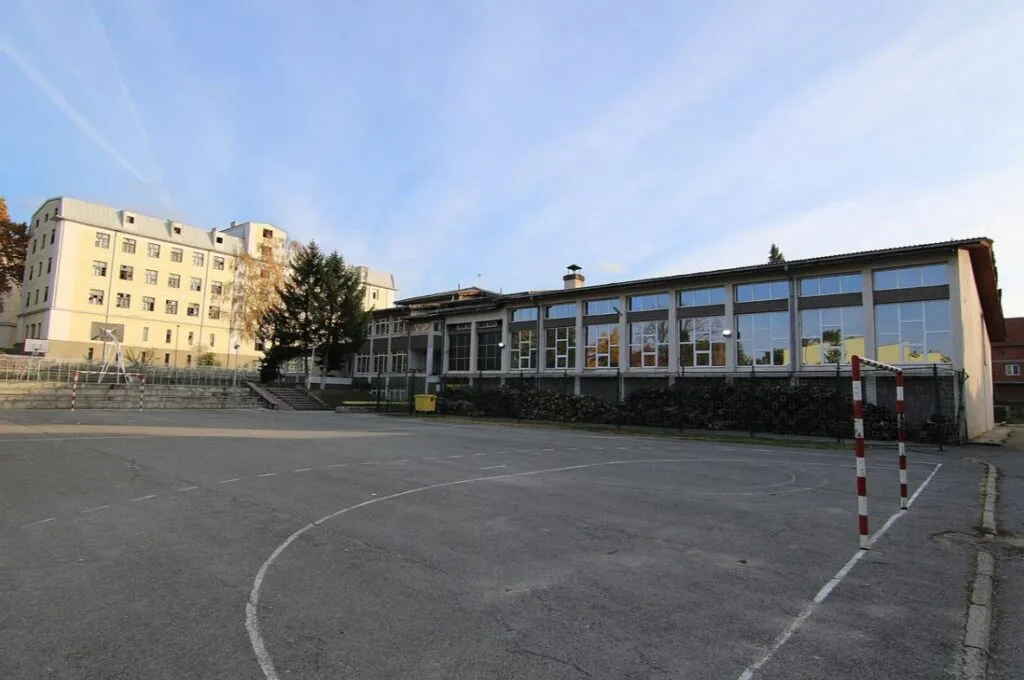
Two schools from September, two more in 2027/2028. Single-shift teaching does not hinge on a decision but on a construction...
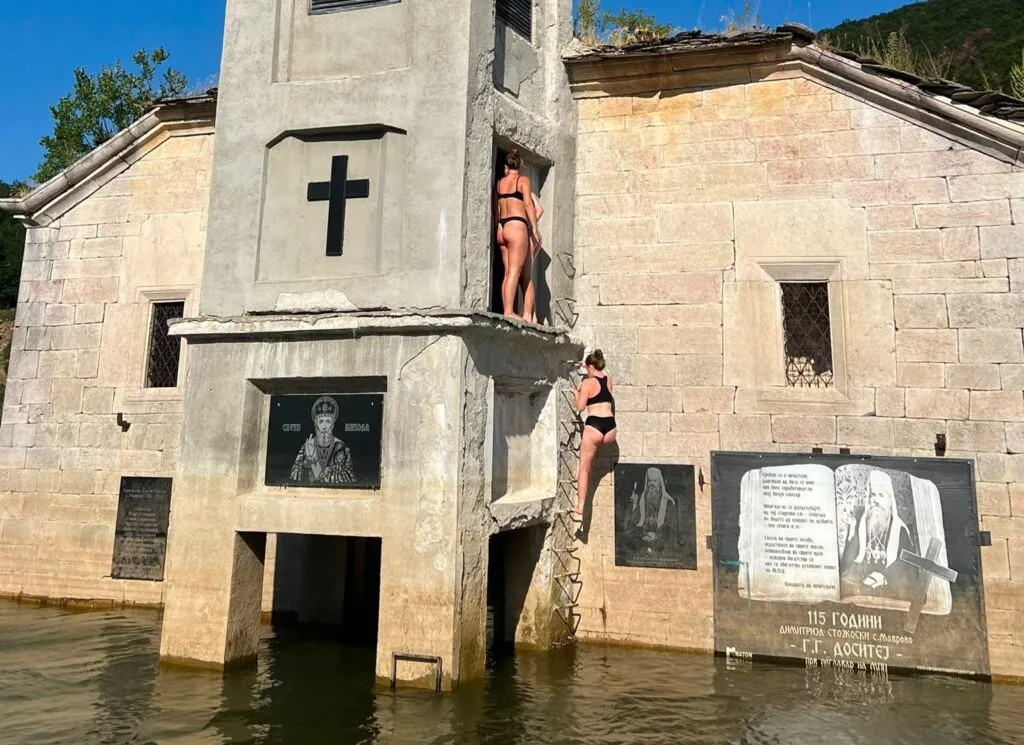
The walls are already structurally compromised after decades in water. Citizens are asking for signs and patrols, not a fence....
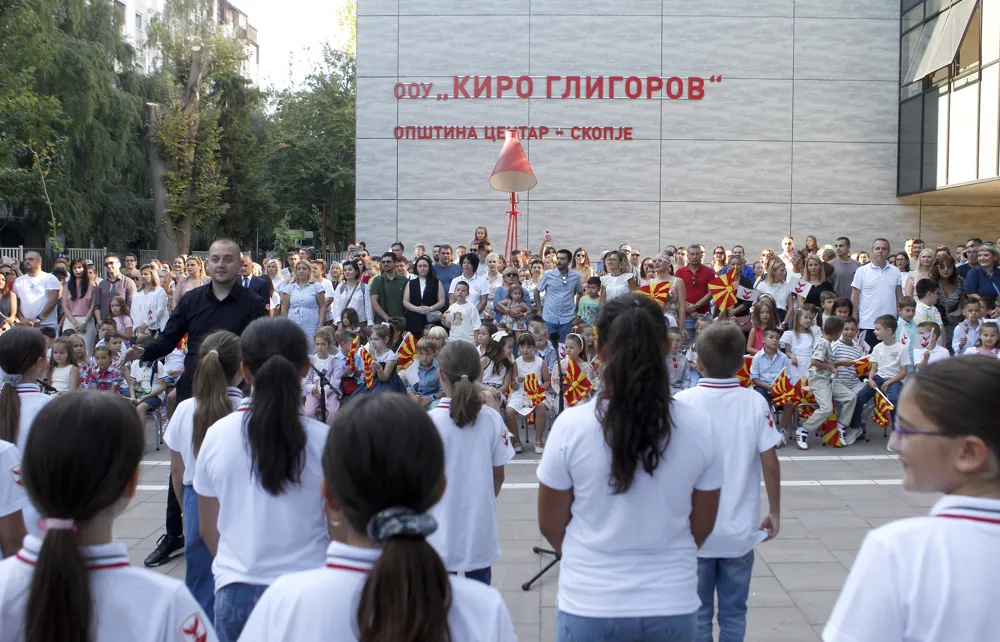
Five cotton items per pupil and a backpack for every first-grader. The difference between a market T-shirt and a branded...
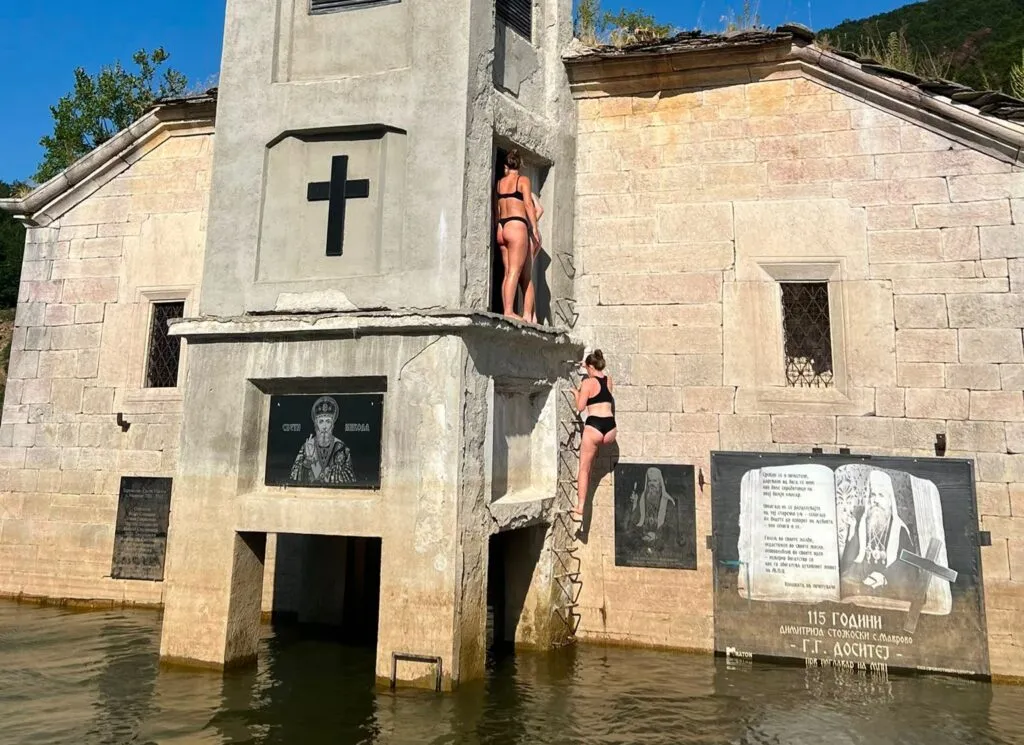
The Church of St. Nicholas is on every promotional brochure for Mavrovo, and apparently never had a single sign explaining...
A man with both shins broken above Malo Ezero was carried off terrain no vehicle can reach. The system worked...
Fifty million denars, applause on site and a figure of 1,200 building sites across the country. Only the second number...
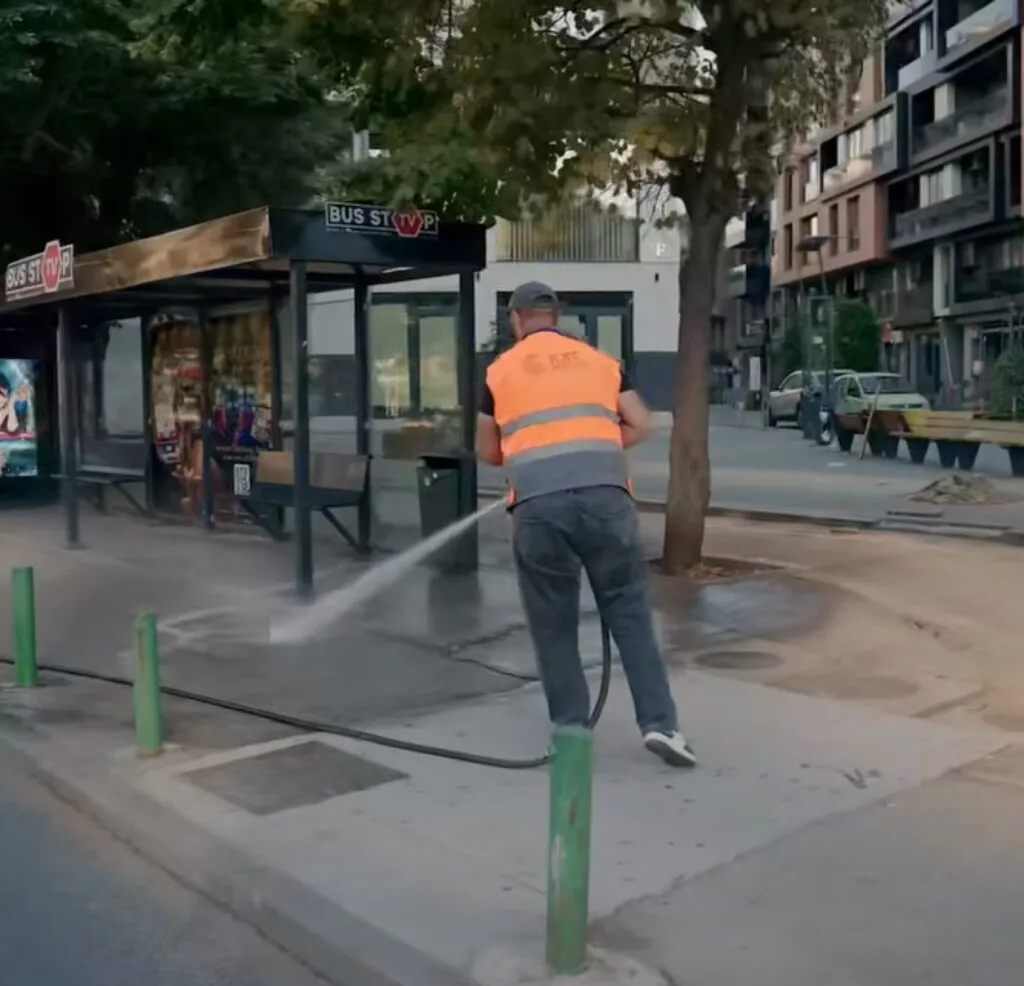
„A clean city is not created by a single operation,” Gjorgjievski wrote - and with that he set the test...
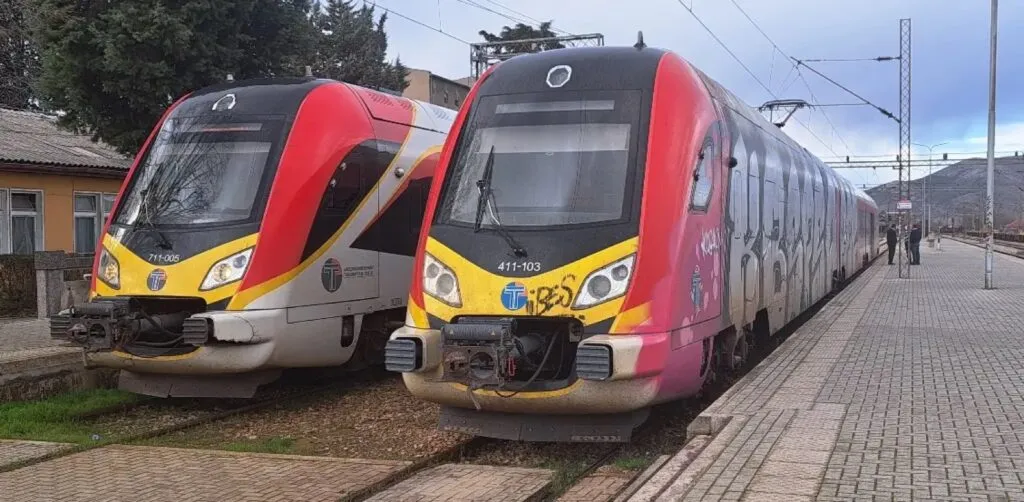
The train sounds its horn instead of having a barrier, the signs are barely visible, and a bend hides everything...
This site uses cookies - is that okay? Learn more
Be the first to know when Metla launches something new
Leave your email and we will write when there is a new guide or something new on Metla.