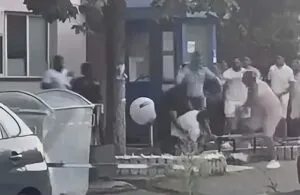
Six Men Brawled Outside the Police Station in Kočani: Now They'll Also Check What the Officers Were Doing
17.08.2026


17.08.2026
17.08.2026

17.08.2026

17.08.2026

17.08.2026

17.08.2026
17.08.2026
16.08.2026
15.08.2026

17.08.2026

17.08.2026
16.08.2026

17.08.2026

17.08.2026

17.08.2026

17.08.2026

16.08.2026

15.08.2026

17.08.2026

17.08.2026

17.08.2026
17.08.2026

17.08.2026
16.08.2026

09.03.2026

27.02.2026

19.02.2026
16.08.2026
15.08.2026
14.08.2026

23.04.2026

23.04.2026

12.04.2026
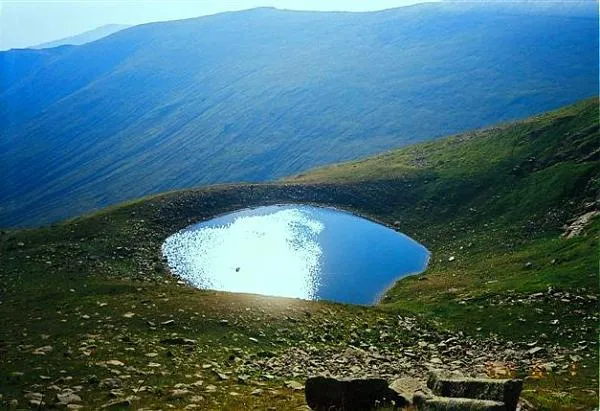
At 12:04, the 112 emergency number received a report of an injured person on inaccessible terrain above Malo Ezero, below the antennas on Pelister. The man had fractures in both shins, he was conscious, but he was bleeding whenever he was moved.
From that moment to the moment a doctor stood beside him, roughly an hour and a half passed.
How it unfolded
Immediately after the report came in, the regional crisis management centre in Bitola notified every relevant service: the emergency medical service, the Bitola police department, the Protection and Rescue Directorate, the territorial fire unit and the Pelister National Park. A Protection and Rescue crew from Bitola set off towards the injured man, while a National Park crew moved in at the same time.
At 13:45 the two crews met at a spot known as Lovečka Kuća, where a doctor from the Bitola emergency service treated the injured man. He was then transported to the Pelister info centre and from there, with an emergency medical crew, to the clinical hospital in Bitola. By off-road vehicle, because nothing else gets up there.
The Crisis Management Centre coordinated the intervention and stayed in contact with all services until the transport was fully complete.
What worked here
This is worth saying plainly, because it is said so rarely: this is a case where the system worked. A call to 112, coordination, two crews sent in from two directions, a meeting at an agreed point, a doctor on the ground, transport to hospital. No improvisation, no waiting.
Pelister is not a gentle hill with a marked walking trail - Malo Ezero sits below the summit, the ground is rock, and between the info centre and the accident site there is nothing resembling a road. A man with both shins broken in a place like that cannot get down on his own, and he cannot be carried quickly either.
The question that remains is not about this operation but the next one: how many such crews does the country have, and across how many parks and mountains can they be at once? Because not one of these rescuers is up there as a full-time mountain rescuer - they are people assigned to other duties who, at 12:04, started walking uphill.
When an operation succeeds, the worst thing we can do is conclude the problem is solved.
The latest 10 news from this category
The Church of St. Nicholas is on every promotional brochure for Mavrovo, and apparently never had a single sign explaining...
Fifty million denars, applause on site and a figure of 1,200 building sites across the country. Only the second number...
„A clean city is not created by a single operation,” Gjorgjievski wrote - and with that he set the test...
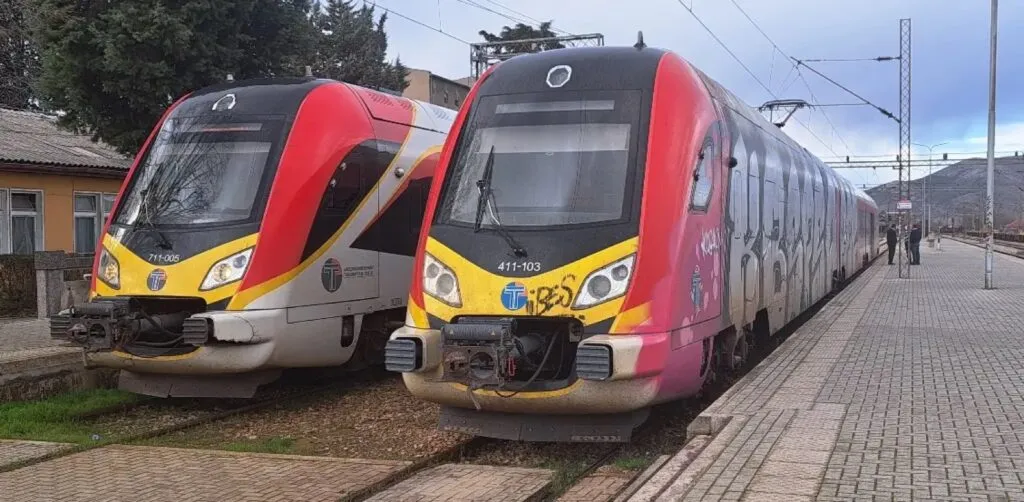
The train sounds its horn instead of having a barrier, the signs are barely visible, and a bend hides everything...
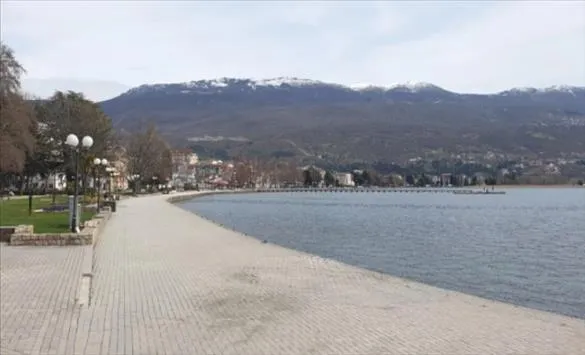
If an endemic species has to be topped up from outside for decades, something is consuming it faster than it...
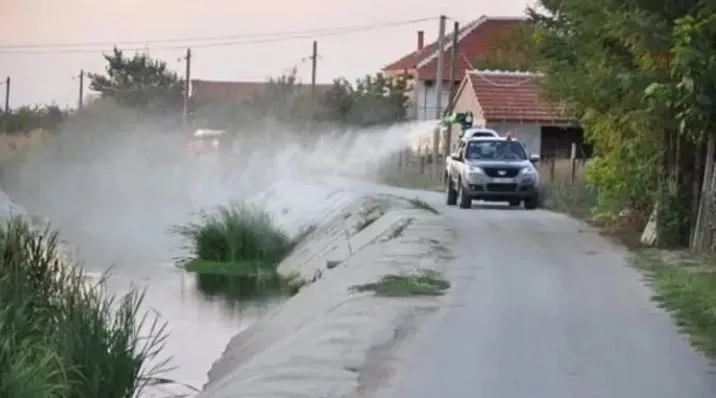
The treatment runs after midnight, with a product that does not tell a mosquito from a bee. The notice to...
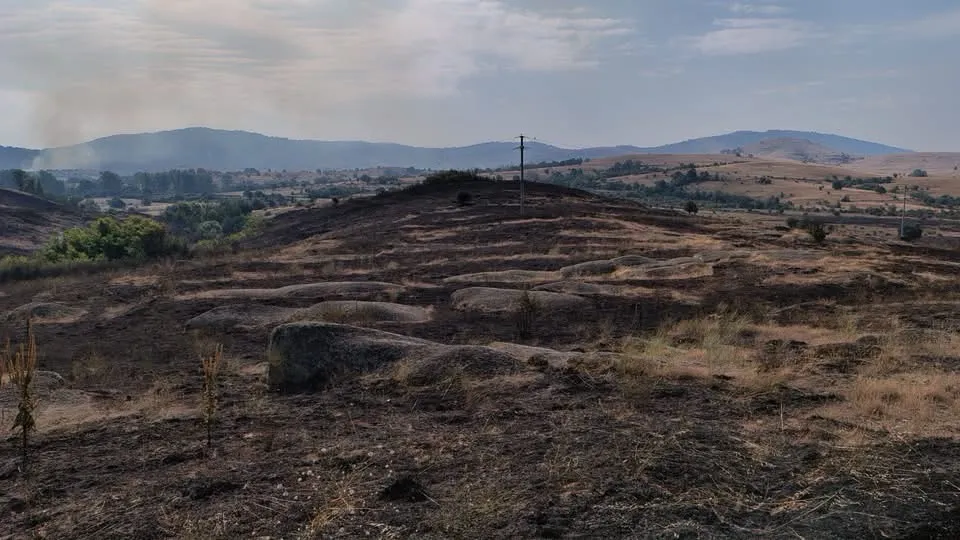
Makovo, Graeshnica, Kukurechani, Gneotino, Ivanjevci, Novoselani, Loznani. Firefighters worked 33 hours straight, and in Makovo the smoke is over ground...
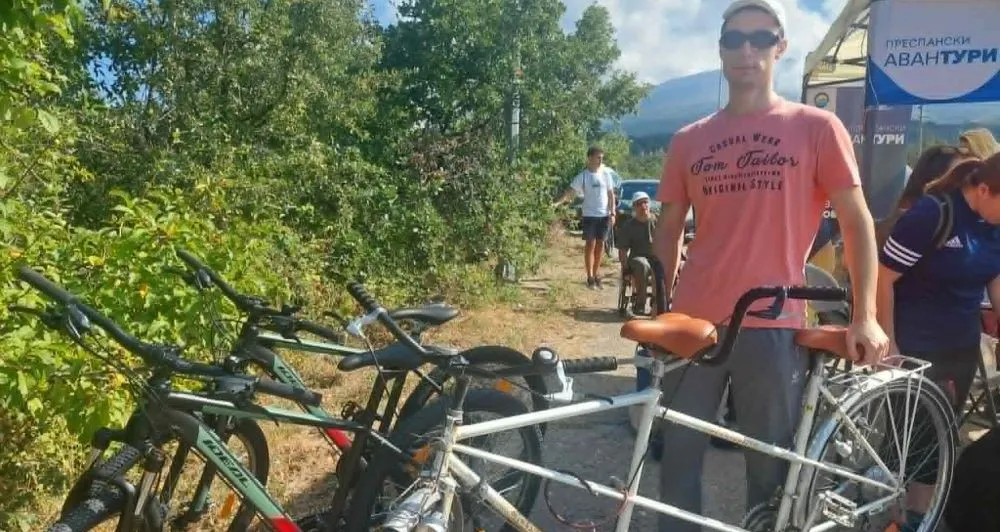
Five or six people in Skopje ride tandem bikes brought in from abroad, and spare parts are hunted down the...
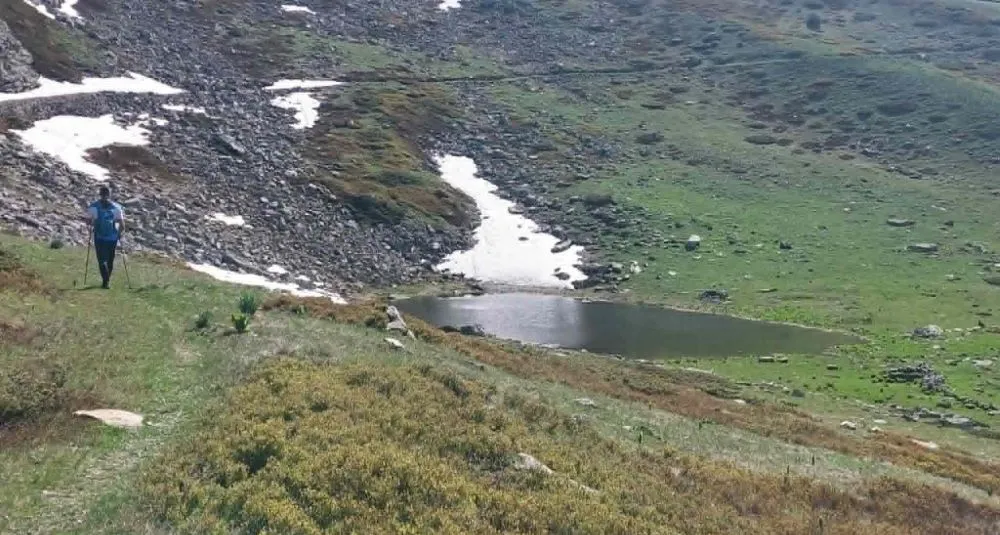
Rangers and police located them at 2,000 metres, inside the strict protection zone. The park director says: there are no...
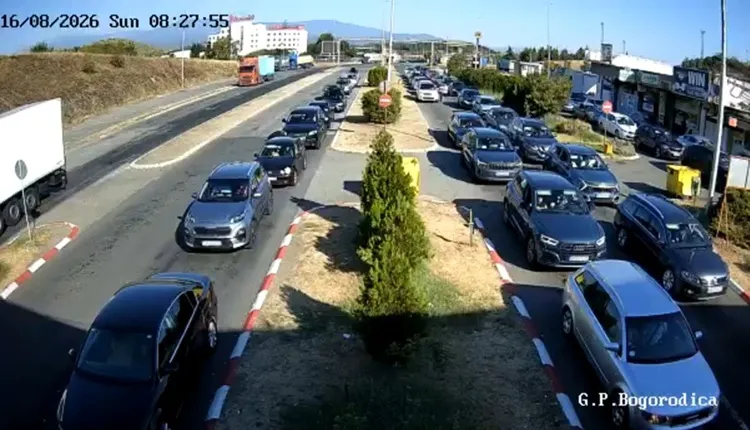
Of all the border crossings in the country, exactly one produces an hour-long wait - the exit toward Greece. The...
This site uses cookies - is that okay? Learn more
Be the first to know when Metla launches something new
Leave your email and we will write when there is a new guide or something new on Metla.