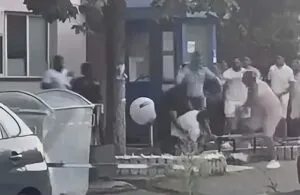
Six Men Brawled Outside the Police Station in Kočani: Now They'll Also Check What the Officers Were Doing
17.08.2026


17.08.2026
17.08.2026
17.08.2026

17.08.2026

17.08.2026
17.08.2026
17.08.2026
16.08.2026
15.08.2026

17.08.2026

17.08.2026

16.08.2026

17.08.2026

17.08.2026
17.08.2026

17.08.2026

16.08.2026
15.08.2026

17.08.2026

17.08.2026

17.08.2026
17.08.2026

17.08.2026
16.08.2026

09.03.2026

27.02.2026

19.02.2026
16.08.2026
15.08.2026
14.08.2026

23.04.2026

23.04.2026

12.04.2026
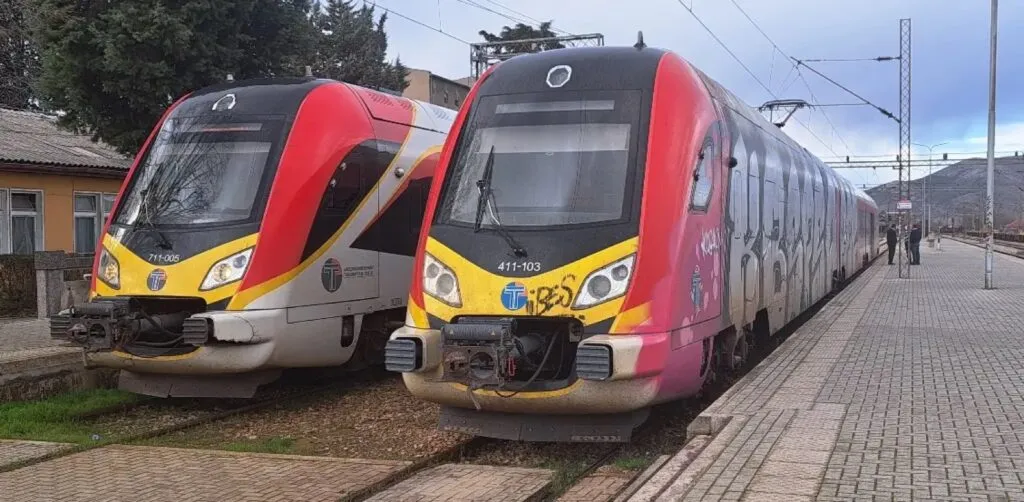
Between the village of Lojane and Tabanovce, where the railway line cuts across the regional road, there is no barrier. The train passes several times a day and sounds its horn to prevent an accident. That is the entire protection - a horn and the hope that the driver hears it in time.
The two signals placed beside the tracks are so outdated that drivers can barely spot them. And a wide bend on the approach keeps the train invisible until it is close.
What the residents say
Residents of Lojane say there have been several accidents at this critical point over the years and they keep asking for modern signalling with a proper barrier, especially since the crossing sits just a few metres from the Tabanovce railway station.
„It bothers us as residents, but others too, not just us - especially the people of Lojane, because everyone passes through here. There is no barrier! Sometimes you can barely see the signs!” says one of them.
Another describes the most ordinary way infrastructure disappears: „Whatever they install does not last a week and then it is gone.”
Some residents say they look after the road and the signage in the area themselves: „There were no signs, and there were a lot of potholes down there, so we residents filled them in ourselves. They dug up the asphalt for a cable by the railway and never repaired it, so we put the cement in ourselves. They did nothing - we residents did it on our own initiative, like many other things. We clean the road ourselves.”
The village has around 2,000 inhabitants.
The answer that explains the whole situation
The public enterprise Railways - Infrastructure says that until the design for a full reconstruction of that railway section is produced, no barrier is planned for this crossing.
The reasoning is the crucial part: according to them, railway engineers did not categorise the crossing as a critical infrastructure point, given that there is no heavy traffic of vehicles or pedestrians there. The enterprise urges people to respect the existing signalling, which it considers sufficient for safe crossing. In the longer term, they say, barriers could possibly be installed.
So the criterion is traffic volume. Not visibility, not the bend, not the proximity of a station - but how many vehicles pass.
By that logic, a crossing used by fewer people is automatically safer. That holds only if an accident is measured by the number of people exposed, rather than by the consequence for whoever happens to be on the tracks that day.
„Longer term” and „possibly” in the same answer mean there is no barrier in the plan. The residents who put the cement in the potholes themselves probably understand that better than anyone.
The latest 10 news from this category
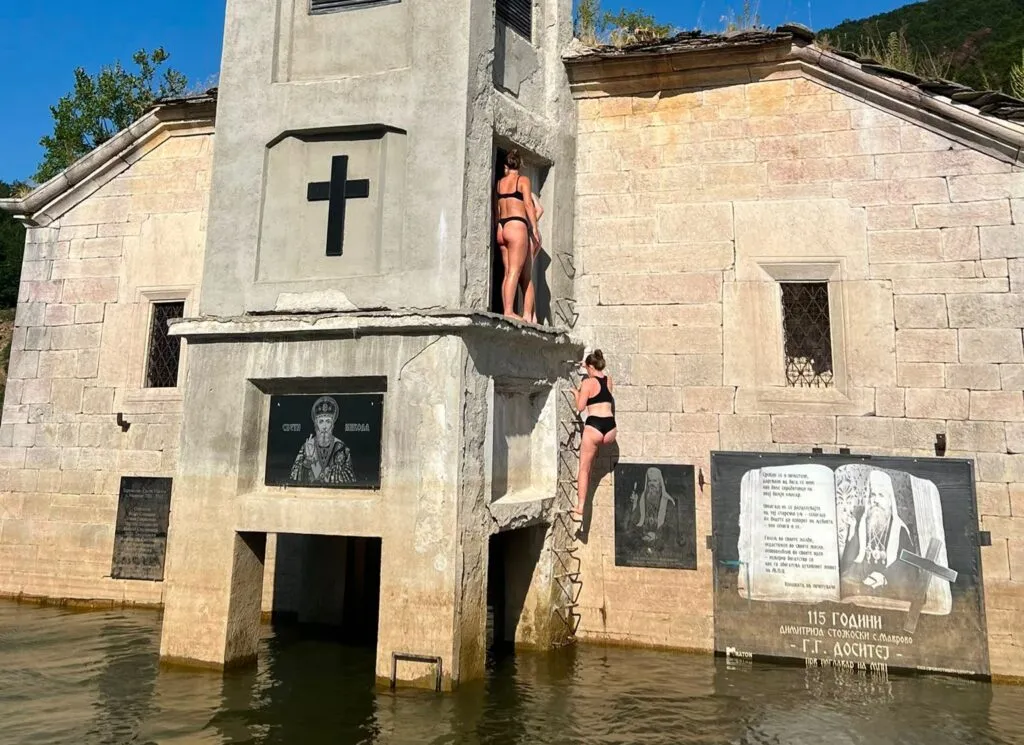
The Church of St. Nicholas is on every promotional brochure for Mavrovo, and apparently never had a single sign explaining...
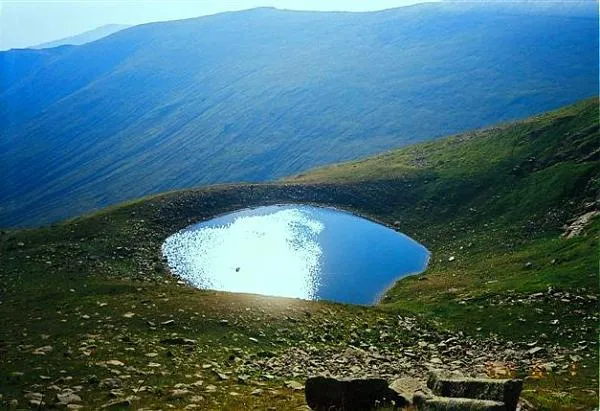
A man with both shins broken above Malo Ezero was carried off terrain no vehicle can reach. The system worked...
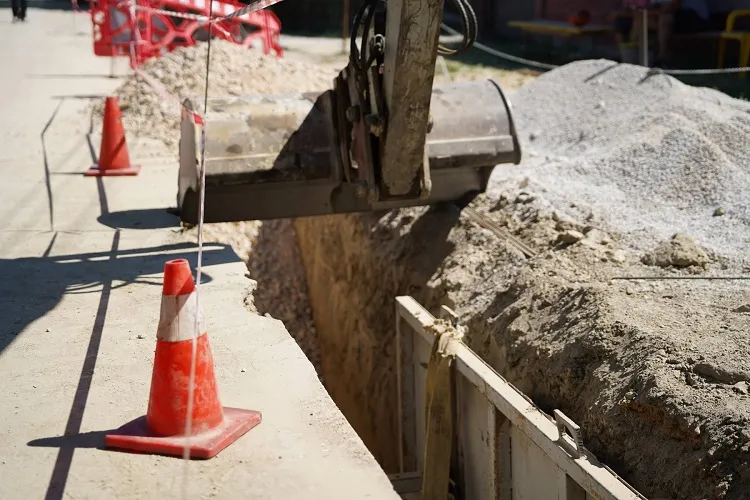
Fifty million denars, applause on site and a figure of 1,200 building sites across the country. Only the second number...
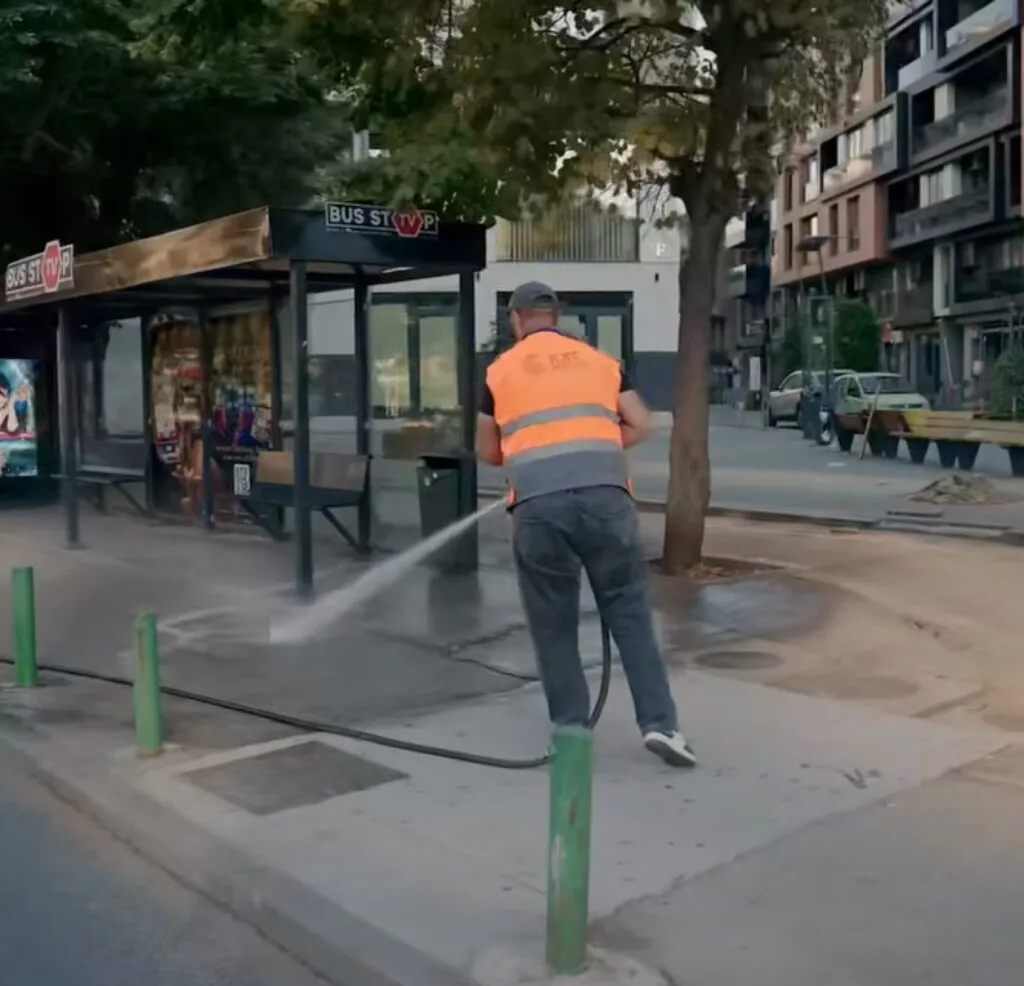
„A clean city is not created by a single operation,” Gjorgjievski wrote - and with that he set the test...
If an endemic species has to be topped up from outside for decades, something is consuming it faster than it...
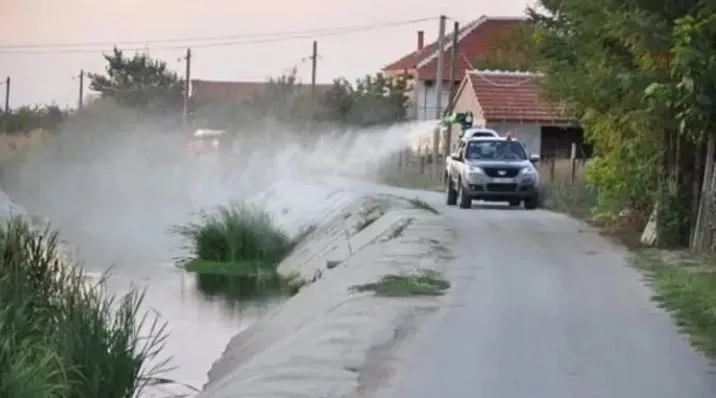
The treatment runs after midnight, with a product that does not tell a mosquito from a bee. The notice to...
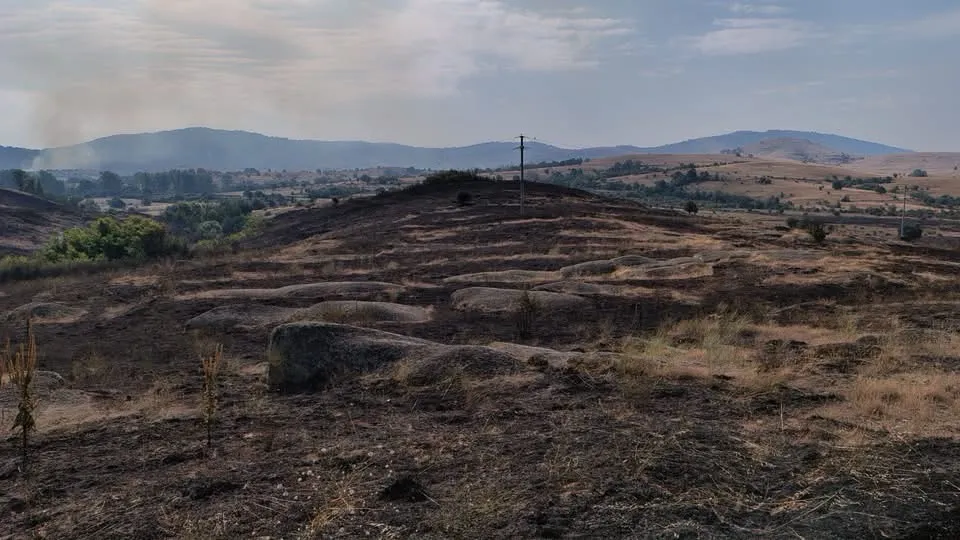
Makovo, Graeshnica, Kukurechani, Gneotino, Ivanjevci, Novoselani, Loznani. Firefighters worked 33 hours straight, and in Makovo the smoke is over ground...
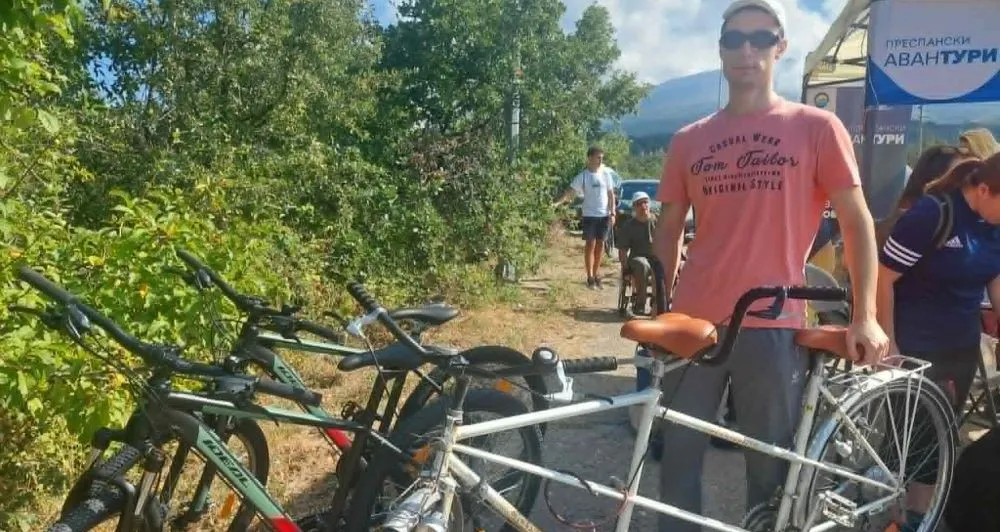
Five or six people in Skopje ride tandem bikes brought in from abroad, and spare parts are hunted down the...
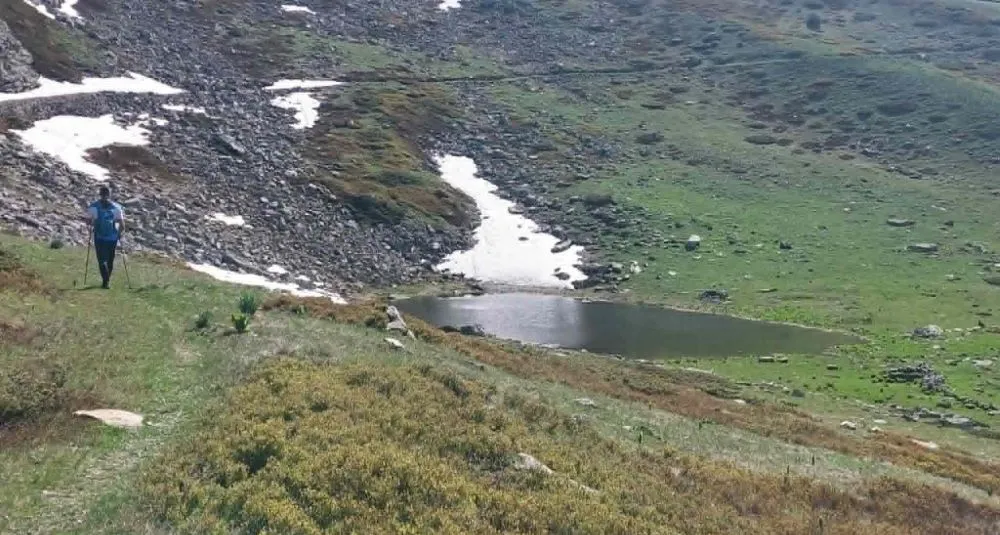
Rangers and police located them at 2,000 metres, inside the strict protection zone. The park director says: there are no...
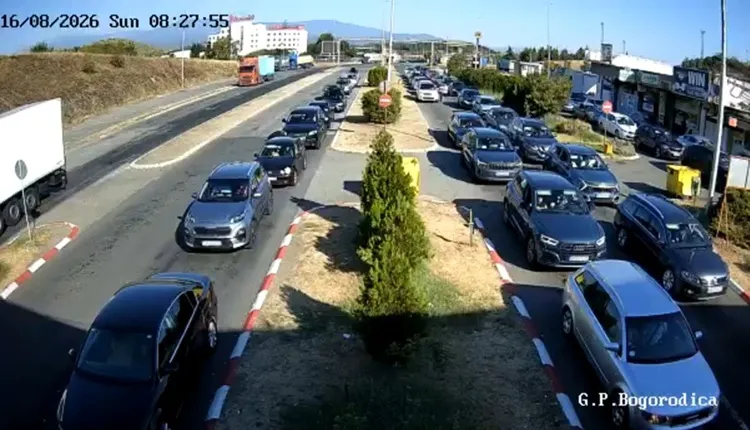
Of all the border crossings in the country, exactly one produces an hour-long wait - the exit toward Greece. The...
This site uses cookies - is that okay? Learn more
Be the first to know when Metla launches something new
Leave your email and we will write when there is a new guide or something new on Metla.