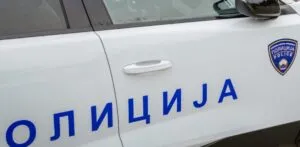
The Young Men From Saraj Say They Were Beaten After Being Subdued, the Union Claims They Tried to Run Police Over: The Interior Ministry Is Still Just Investigating
11.10.2026


11.10.2026
11.10.2026
11.10.2026
11.10.2026
11.10.2026
11.10.2026

11.10.2026

11.10.2026

11.10.2026

11.10.2026

11.10.2026
10.10.2026

11.10.2026

11.10.2026

11.10.2026

11.10.2026
10.10.2026

09.10.2026

11.10.2026

11.10.2026

11.10.2026

11.10.2026

11.10.2026

10.10.2026
11.10.2026
11.10.2026
09.10.2026
10.10.2026

08.10.2026
06.10.2026

23.04.2026

23.04.2026

12.04.2026

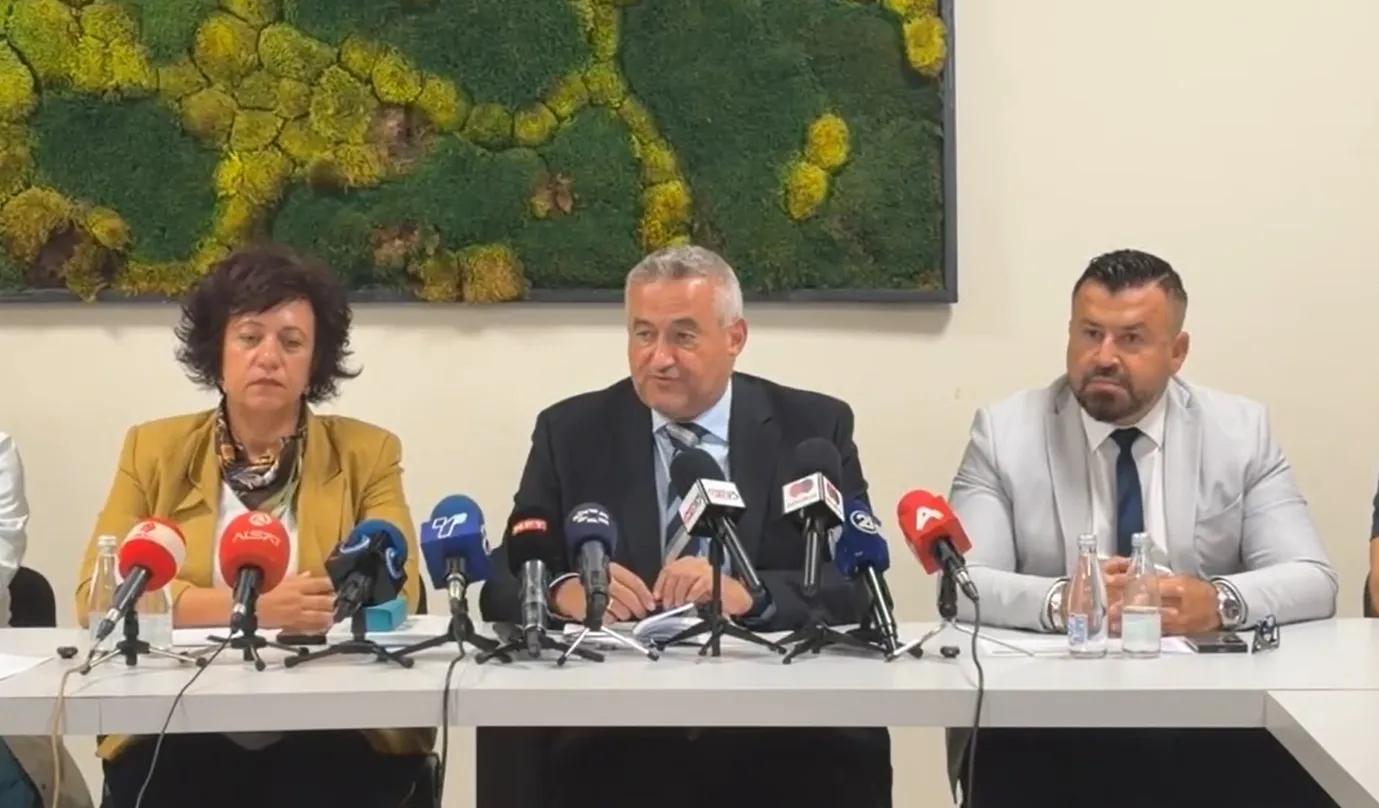
Another patient with West Nile fever died over the weekend - a 61-year-old with serious underlying conditions. That brings the death toll to three. Thirty-five cases are laboratory-confirmed, three more are being diagnosed, and six patients are in critical condition in intensive care.
Fadil Cana, director of the Clinic for Infectious Diseases, said something more important than the numbers: the age line is shifting. The six critical patients are over 60, but the youngest hospitalised patient with the neuroinvasive form is 25, and in stable condition.
One percent, but that percent hurts
About one percent of those infected develop the neuroinvasive form. The symptoms are high fever, severe headache, stiff neck, disorientation, confusion. The rest go through it without symptoms or with a mild presentation - which means the real number of infections is higher than 35, it is just that nobody gets tested when they have no reason to.
Health Minister Saso Klekovski pointed out that Athens is currently among the most active areas in Europe, with 81 registered cases of the neuroinvasive form and nine deaths. Cases have already appeared in the border areas with Macedonia. The mosquito does not ask for a passport.
From 40 tests a year to eight a day
Here is the figure that shows how unprepared the system was. In recent years, around 40 analyses were carried out annually. Now between four and eight are done - daily. A final diagnosis requires two independent tests.
Capacity, in other words, was scaled up after the disease arrived. Whether it could have been done earlier is a rhetorical question every summer.
The pools, the satellites, and an appeal nobody will follow
Klekovski said satellite and cartographic imagery had picked up numerous pools and other bodies of water in the settlements where the epidemic has been declared. Hence the appeal - for citizens to reduce standing water, including recreational pools.
„In conditions of high temperatures it is hard to expect people to empty their pools, but we must appeal for maximum caution”, the minister said. The sentence admits its own limit: in a week when temperatures pass 40 degrees, asking people to empty a pool is shouting into the void.
The epidemic in Skopje was declared on 12 August in Kisela Voda, Gazi Baba, Aerodrom, Butel and Ilinden, with particular emphasis on Dracevo, Przino, Dolno Lisice, Kadino and Jurumleri.
Where the patient lives is not where they got infected
Klekovski stressed a distinction that media maps usually erase. Incubation lasts three to 14 days, so every patient goes through an epidemiological survey - did they travel, where did they move around. There are people with urban addresses who most likely caught it at a weekend house.
That means the measures have to go where the likely place of infection is, not where the person's ID card says they live. The State Health and Sanitary Inspectorate has already carried out an extraordinary check on how the spraying reports were implemented across every municipality in the Skopje region. The results are yet to be announced.
That is the sentence worth remembering. Spraying is an obligation municipalities pay for every year, with a written report to back it. If the check shows that somewhere it was not carried out the way the paper says, then this summer will not only be a public health story - it will be an inspection story.
The latest 10 news from this category
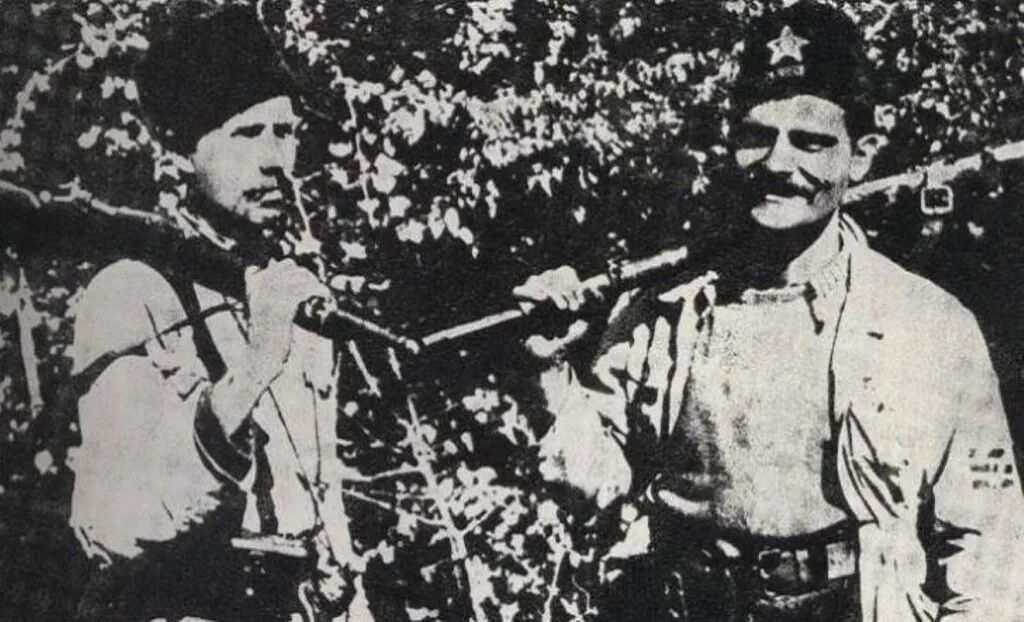
Sixteen partisans in three groups attacked the Bulgarian occupation police station and the prison in Prilep and marked the start...
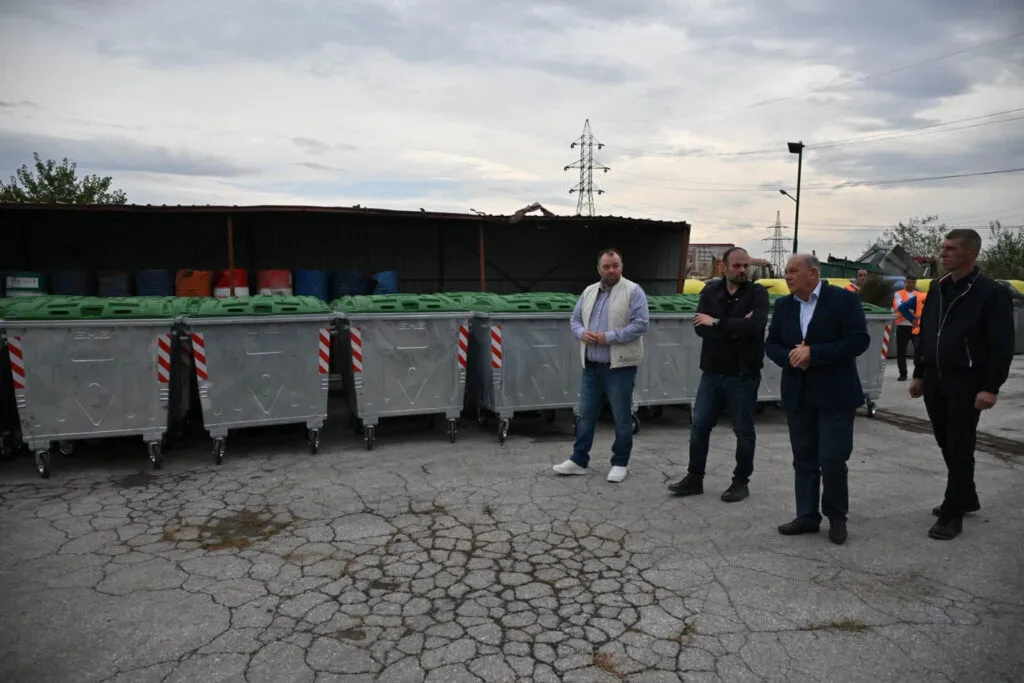
The new 1,100-liter bins are meant to replace the big ones, for which the utility had only one working truck...
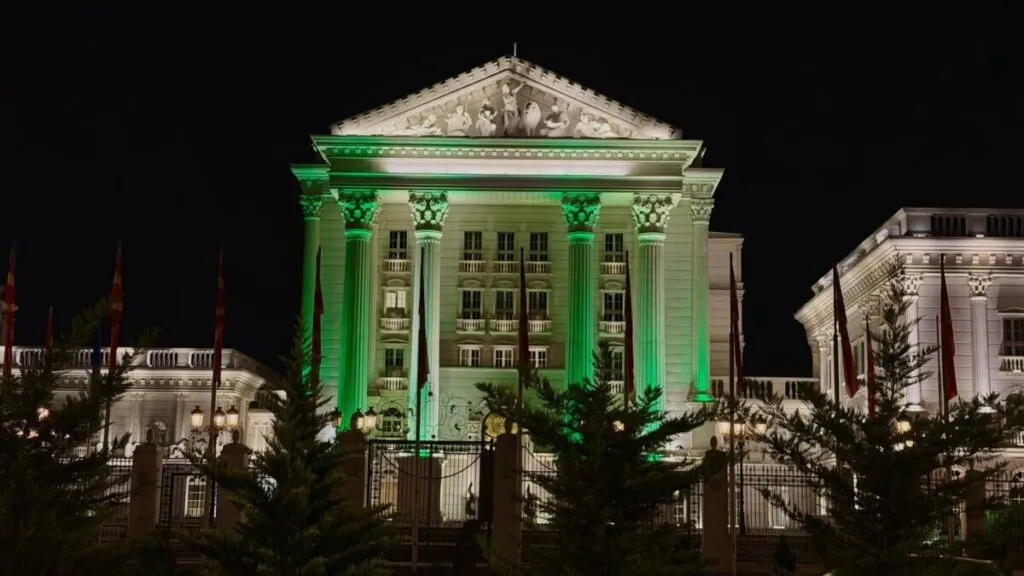
Facades across Macedonia glowed green for European Organ Donation Day. The minister said the most important sentence: say your decision...
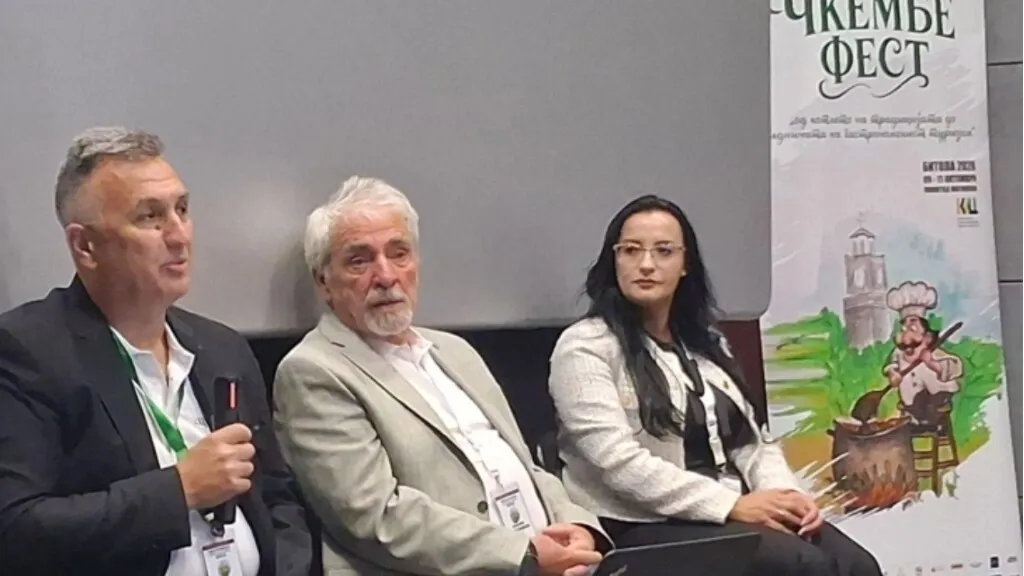
Bitola finally got a festival for the dish that earned its people the nickname "chkembari". The restaurant "Korzo" took the...
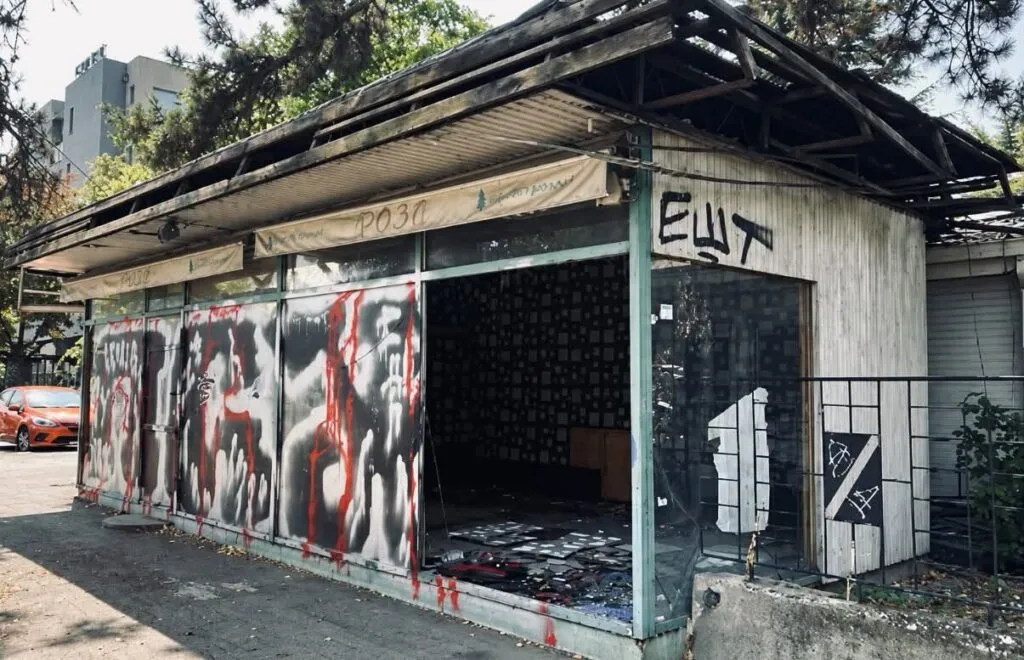
Skopje is bringing back the city flower shops by the "Lotus" fountain and the Ministry of Economy. Good that someone...
Grading and gravel so the road to Jamište is passable "again". When the news is that a road can be...
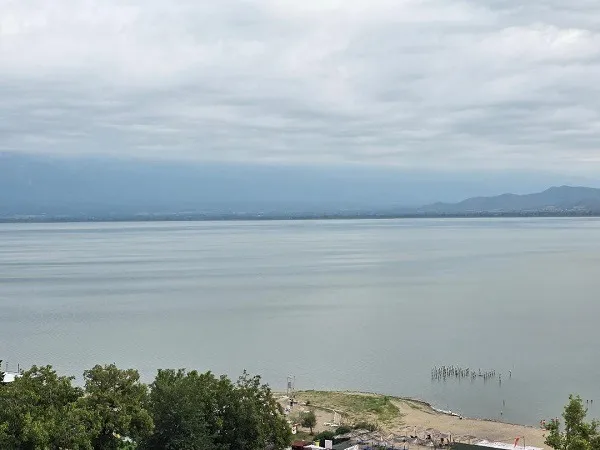
The fifty or so centimetres the lake won back last winter, the dry summer took away. The rescue system is...
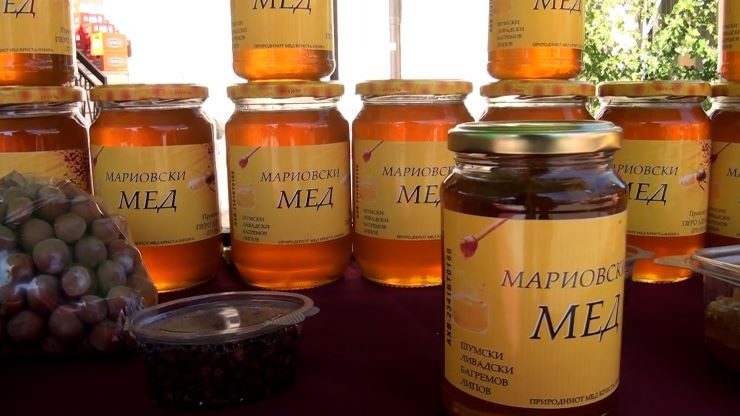
Eight beekeepers have won the right to the "Mariovo honey" label. Who will check on them and how much they...
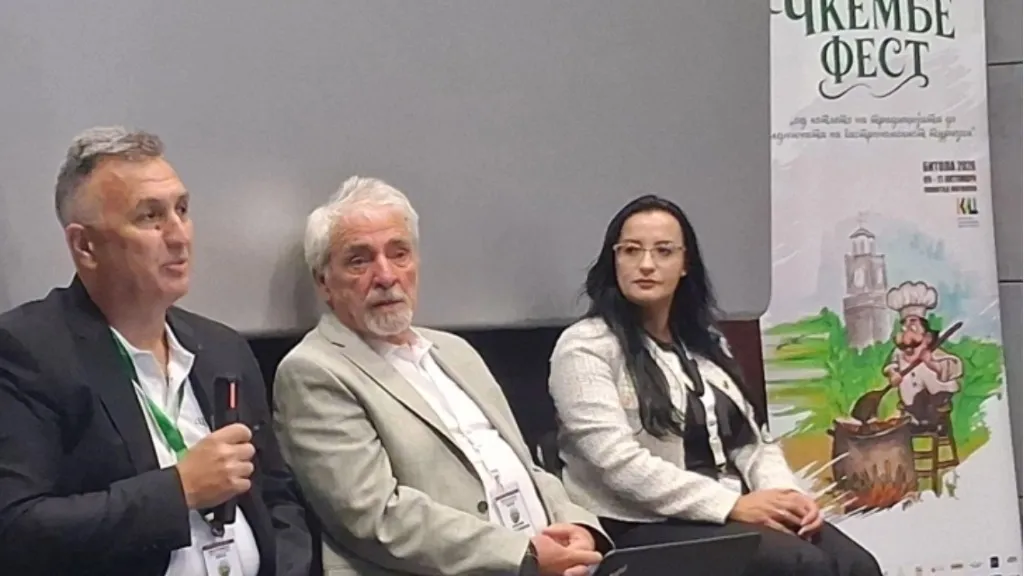
Ten teams from Macedonia, Turkey and Hungary are competing for the tastiest tripe soup. The city whose nickname comes from...
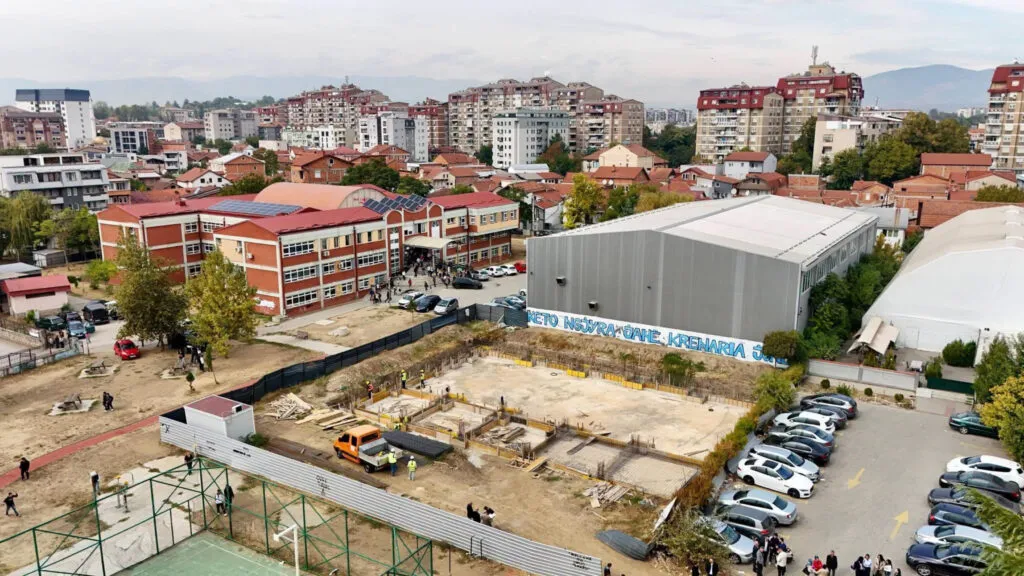
The pool at the "7 Mart" school is in its final phase and is a genuine gain for the children....
This site uses cookies - is that okay? Learn more
Be the first to know when Metla launches something new
Leave your email and we will write when there is a new guide or something new on Metla.