


Someone Threw Flammable Liquid at a Shop in Central Skopje - and 17 Hours Passed Before Anyone Reported It
30.08.2026


30.08.2026

30.08.2026

30.08.2026

30.08.2026

30.08.2026

30.08.2026

30.08.2026

29.08.2026

28.08.2026

30.08.2026

30.08.2026

29.08.2026

30.08.2026

30.08.2026

30.08.2026

30.08.2026

29.08.2026

28.08.2026

30.08.2026

30.08.2026

30.08.2026

30.08.2026

30.08.2026

29.08.2026

09.03.2026

27.02.2026

19.02.2026

29.08.2026

28.08.2026

27.08.2026

23.04.2026

23.04.2026

12.04.2026
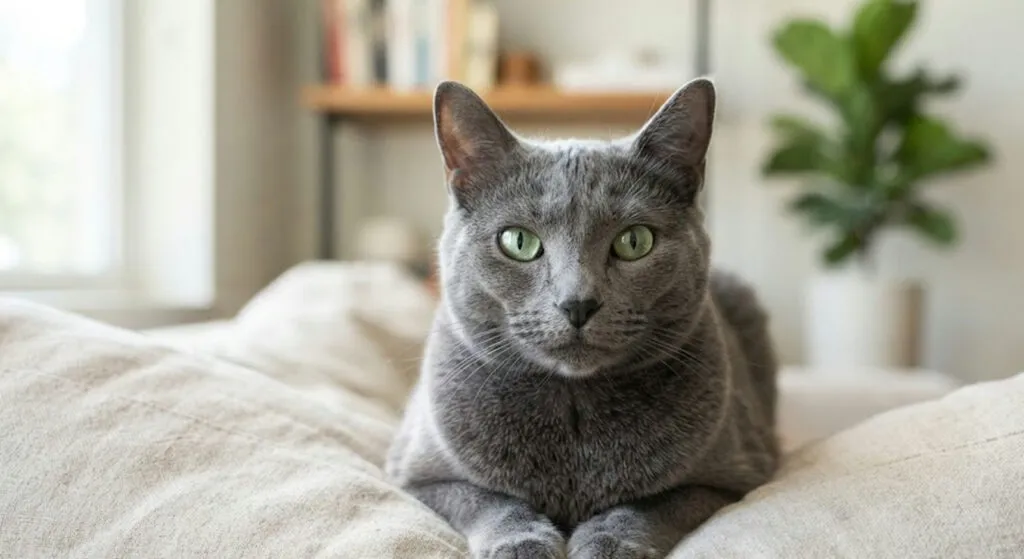
Half of Spaniards do not know there are cats considered hypoallergenic. That figure comes from Sanicat's first Feline Barometer, and it is interesting not for the number itself but for what sits behind it: an entire industry lives off the idea that if you pay more for a particular breed, the allergy will pass you by.
The American Academy of Allergy, Asthma and Immunology says otherwise. All cats produce allergens. There are no truly hypoallergenic breeds. Full stop.
It is not the fur, it is the saliva
This is the part most people get wrong. We say "I'm allergic to cat hair", and the problem is not there at all. The main culprit is Fel d 1 - a protein present above all in the animal's saliva and skin.
When a cat grooms itself, and it does that dozens of times a day, that protein ends up on the skin and on the fur. From there the tiny particles pass into the air, stay suspended or settle on sofas, carpets, clothes. The allergens are also present in urine and other secretions. That is why a sensitive person can get sneezing, a blocked nose, watering eyes, a cough, even difficulty breathing, especially with asthma.
In other words: you are not buying a breed, you are buying a quantity of protein. And that quantity varies from cat to cat, not only from breed to breed.
The only test worth anything
Breed on its own cannot predict how a given person will react. That is why Sanicat's recommendation is not a list of breeds but something far more boring and far more accurate: spend a longer stretch of time with the specific cat before deciding to take it home. Not one afternoon's stroking in a pet shop. Time.
If the reactions are serious or respiratory symptoms appear, the first step is not any breed - it is an allergist. That is the sentence that makes nobody any money, which is why you hear it least often.
The house carries responsibility too
Specialists advise keeping the cat out of the bedroom, washing hands after every contact, cleaning often and using HEPA filters. Sanicat adds one more detail few people take into account - litter tray hygiene. Litter that controls urine well, produces little dust and is not perfumed.
So the three things that realistically determine tolerability are: the specific animal, the sensitivity of the specific person, and how disciplined the upkeep of the space is. Not one of the three is solved by the price in a listing.
And Jennifer Aniston?
The story started with her because the actress, a well-known animal lover who has lived with dogs for years, is allergic to cats. Asked whether she is more of a dog person, she replied: "Sorry, cats, I'm a dog person" - and immediately clarified that the reason is the allergy.
That is a situation far more common than it looks, and it does not automatically have to mean giving up. But it equally does not mean there is a breed that will solve the problem for you.
The latest 10 news from this category

Four ingredients and one rule that tolerates not a single step of delay. If the tomato is good, you need...
The one thing in the entire health industry that nobody sells you - which is exactly why you rarely hear...

From the same courgette you get spaghetti, lasagne, cannelloni and ravioli. Overcooked, it is none of those things - it...

The pace is set by whoever walks slowest, and the break counts as part of the route. The question is...
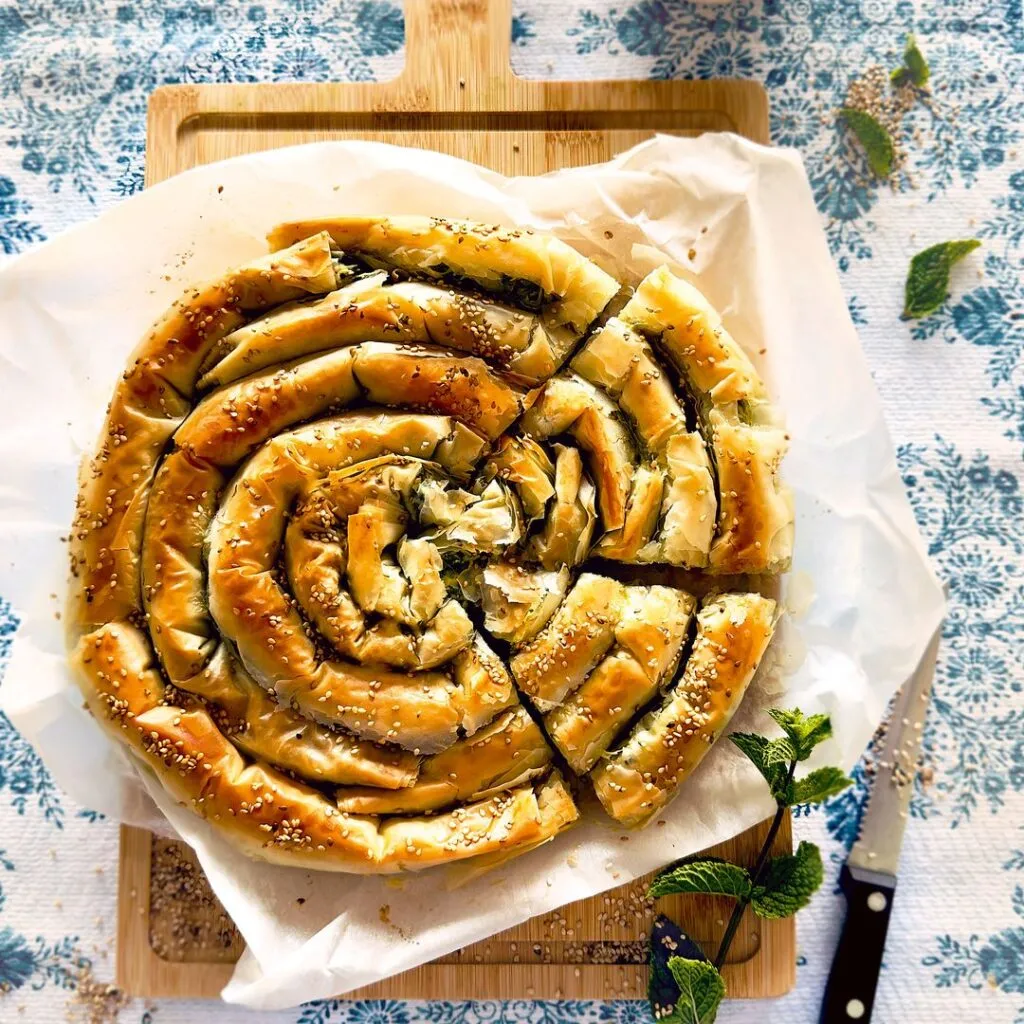
Greek cooking here gets reduced to two headlines. That is like presenting Macedonia with ajvar alone - and the point...
Training does not cover the debt from a sleepless night; it adds a risk of injury instead. The whole list...

Banderas bought the place he used to go out to at sixteen, and it was there he demonstrated the rice....

Rice and pasta last 48 hours, and they can be contaminated without a single visible sign. Smell is not a...

International Ramen Day is 25 August, and the dish itself came about because there was nothing else. The broth simmers...

It does not have to hurt badly for there to be a problem. A physiotherapist explains why people spend years...
This site uses cookies - is that okay? Learn more
Be the first to know when Metla launches something new
Leave your email and we will write when there is a new guide or something new on Metla.
