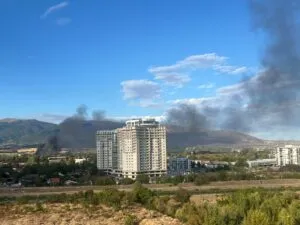
Black Smoke Over Skopje: A Paint and Varnish Warehouse Burned Inside the Old Steelworks
23.09.2026


23.09.2026
23.09.2026
23.09.2026

23.09.2026
23.09.2026
23.09.2026

23.09.2026
22.09.2026

21.09.2026

23.09.2026
23.09.2026

22.09.2026

23.09.2026

23.09.2026

23.09.2026

23.09.2026

22.09.2026

21.09.2026

23.09.2026

23.09.2026

23.09.2026

23.09.2026

23.09.2026

23.09.2026

09.03.2026

27.02.2026

19.02.2026
23.09.2026

22.09.2026

21.09.2026

23.04.2026

23.04.2026

12.04.2026

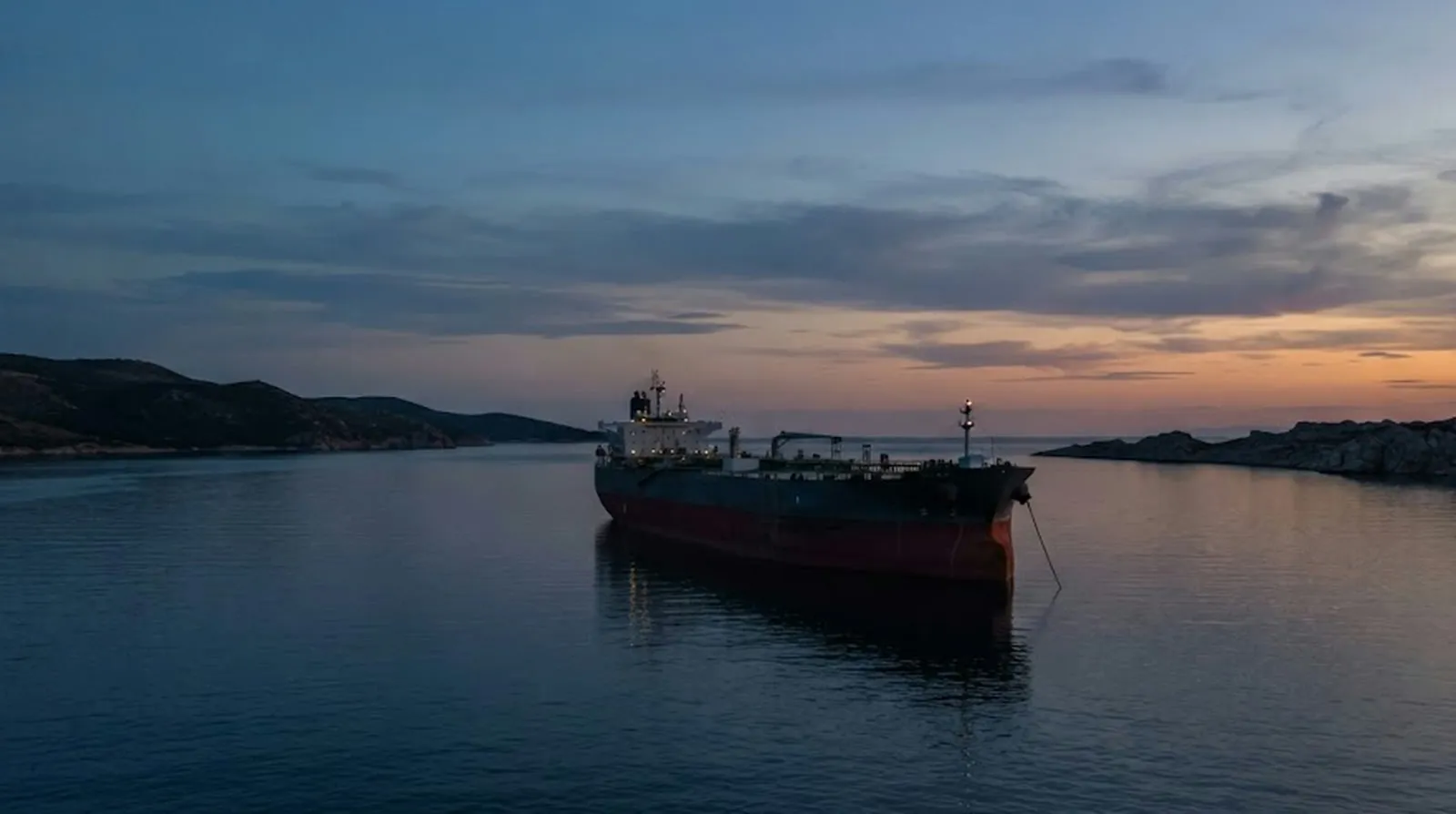
Iran will not open the Strait of Hormuz until Washington changes its behaviour and meets six demands. The list was announced by Mohammad Bagher Zolghadr, secretary of Iran's Supreme National Security Council, and it was not written for a negotiating table. It was written to be read as a condition.
First: an end to threats against the supreme leader. Second: a permanent halt to American military operations against Iran and its allies in the region. Third: withdrawal of the US naval and air forces involved in what Tehran calls a blockade. Fourth: compensation for the damage from the recent clashes. Fifth: the lifting of American sanctions. Sixth: the release of frozen Iranian assets.
Zolghadr claims the demands are the will of the Iranian people and points to gatherings across the country over the previous six days. He says the council will not abandon them in war or in negotiations.
The agreement that stayed on paper
There was a memorandum from 18 June, brokered by Pakistan and Qatar, meant to stop the active fighting and open wider political talks. The logic was simple: Iran opens Hormuz, the US lifts the naval blockade.
The memorandum was not implemented. Each side accuses the other of breaking it. With that, the strait went from being a trade crossing to Tehran's main instrument in its dealings with Washington.
Look at the demands again. Sanctions, frozen assets, troop withdrawal, compensation - those are not conditions for opening a sea route. That is the entire unsettled account between Iran and the United States, packed into one list and tied to one strait.
A significant share of the world's oil exports passes through Hormuz. When that share stops moving, the price does not wait for diplomacy. And that is why Tehran is in no hurry - time works for whoever holds the tap, not for whoever is waiting for it to open.
The Balkans know this scene by heart. When the big players quarrel over something everybody needs, the people who decided nothing feel the change first. Will it reach us this time before the talks end - or after?
The latest 10 news from this category
Two presidents, the same podium, a few hours apart and two contradictory realities. Macron did not argue about signatures -...

The mechanism he describes - decision before evidence, evidence retrofitted to the decision - is real, and Iraq proved it....

Peter Magyar compared it to a club that puts you in the team without asking, then tells you to bring...
Washington, Copenhagen and Nuuk are signing off on a military presence on an island of 56,000 people - and the...
Phones in Krāslava rang by themselves, the fighters took off, and what exactly triggered the alert - nobody is saying....
In Mecklenburg the CDU finished on 4.9 percent and, for the first time in the history of the Federal Republic,...
Tisza took 16 years of power off Fidesz and won 141 of 199 parliamentary seats. Orbán now says Brussels is...
With 75 percent of protocols counted, the governing party leads in 208 of the 225 single-mandate districts. A parliament of...
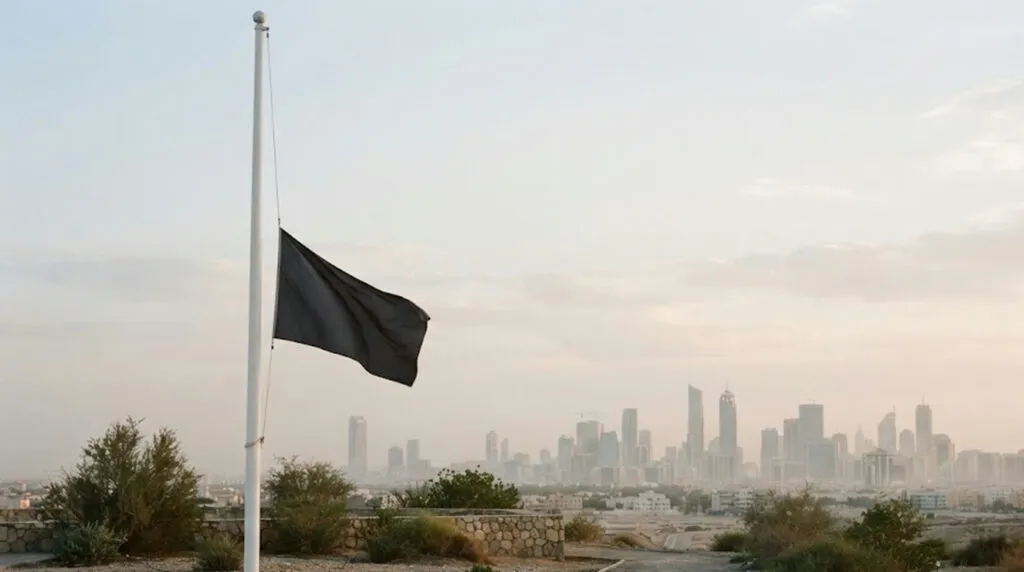
He never sat on the throne, and the emirate is lowering its flags for ten days. Sometimes the surname says...

Three options on the table in Washington - military pressure, economic strangulation or a deal - and the president frames...
This site uses cookies - is that okay? Learn more
Be the first to know when Metla launches something new
Leave your email and we will write when there is a new guide or something new on Metla.