"That's not my job": the trial of the 13 Puls police officers restarted from scratch, and witnesses describe help being refused
22.09.2026


22.09.2026
22.09.2026

22.09.2026
22.09.2026
22.09.2026
22.09.2026

22.09.2026

21.09.2026

20.09.2026

22.09.2026
22.09.2026

21.09.2026
22.09.2026

22.09.2026
22.09.2026

22.09.2026

21.09.2026

20.09.2026

22.09.2026

22.09.2026

22.09.2026
22.09.2026

22.09.2026

22.09.2026

09.03.2026

27.02.2026

19.02.2026
22.09.2026

21.09.2026

21.09.2026

23.04.2026

23.04.2026

12.04.2026

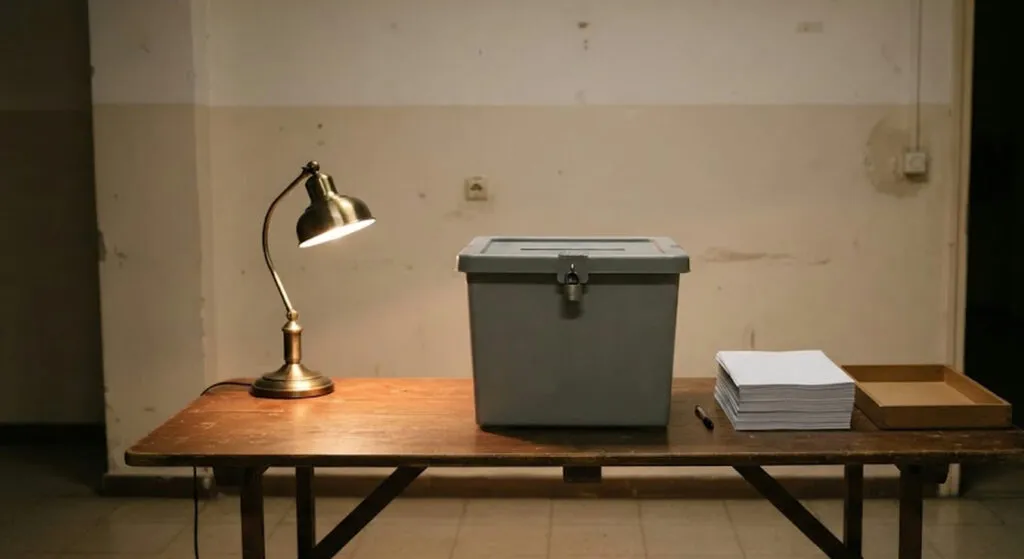
The ballots in Russia are still being counted, but the story was told long before the first box was opened. With 75.31 percent of protocols processed, United Russia holds 57.48 percent of the vote for the State Duma. The Communist Party is second on 14.03 percent, behind it the Liberal Democratic Party on 8.75, New People on 8.01, and A Just Russia barely clinging above the threshold with 5.01 percent.
That is a figure that looks like a result and is in fact a confirmation. Five parties enter parliament, and four of them have spent years voting the way they are expected to. Opposition in the Russian parliament exists as furniture - it is needed so you can see the room is full.
The second half of the electoral system is more interesting. Out of 225 single-mandate districts, United Russia candidates lead in 208. The Communists, A Just Russia and independent candidates lead in four each, the LDPR in two, and Rodina in one. Half the Duma is allocated proportionally by party list, the other half is won district by district - and that is exactly where a majority stops being a majority and becomes a monopoly.
Voting ran for three days, from 18 to 20 September, with electronic voting in part of the country. Turnout, according to preliminary figures, passed 55 percent. The Central Election Commission announced that final results will not be published before 25 September, so the percentages and the distribution of seats can theoretically still change.
Theoretically. Nobody in Moscow is waiting for 25 September to find out who holds the Duma. Election night in countries of this type does not exist to reveal the winner, but to measure by how much they will win - and whether that number is convincing enough for the outside world while modest enough not to look drawn on.
The Balkans knows this scene by heart. A parliament of five parties that sounds like pluralism, an election commission counting slowly and calmly, and a result that surprises nobody because everybody knew it in advance. The difference is in the size of the state, not in the logic of the process.
The question that remains is not who won the Duma. The question is what a parliament without the power to say "no" even means - and how long a state can wage a war alongside an institution that exists only to confirm a decision taken somewhere else.
The latest 10 news from this category
Washington, Copenhagen and Nuuk are signing off on a military presence on an island of 56,000 people - and the...
Phones in Krāslava rang by themselves, the fighters took off, and what exactly triggered the alert - nobody is saying....
In Mecklenburg the CDU finished on 4.9 percent and, for the first time in the history of the Federal Republic,...
Tisza took 16 years of power off Fidesz and won 141 of 199 parliamentary seats. Orbán now says Brussels is...
He never sat on the throne, and the emirate is lowering its flags for ten days. Sometimes the surname says...
Three options on the table in Washington - military pressure, economic strangulation or a deal - and the president frames...
The party of Adenauer and Kohl slid to the electoral threshold in Mecklenburg, the AfD is already demanding the chancellor's...
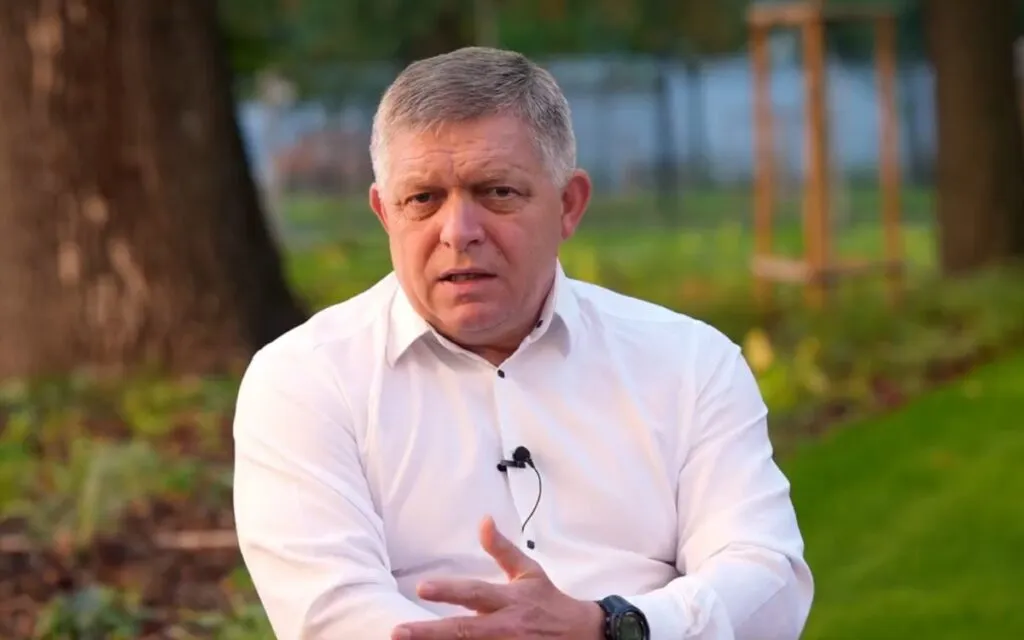
Two prime ministers in the same Union, the same month, completely opposite diagnoses of who is provoking whom. There is...
A broken aircraft in a field usually ends up in a police note. This one ended up with federal investigators,...

Beijing will easily find another supplier. The harder question is what Washington is actually testing: whether private Chinese companies will...
This site uses cookies - is that okay? Learn more
Be the first to know when Metla launches something new
Leave your email and we will write when there is a new guide or something new on Metla.