


The OLVX stolen-password market led to Golema Rečica: the Interior Ministry celebrates the operation but stays silent on whether there are Macedonian victims
16.10.2026


16.10.2026

16.10.2026

16.10.2026

16.10.2026

16.10.2026

16.10.2026

16.10.2026

15.10.2026

15.10.2026

16.10.2026

16.10.2026

15.10.2026

16.10.2026

16.10.2026

16.10.2026

16.10.2026

15.10.2026

14.10.2026

16.10.2026

16.10.2026

16.10.2026

16.10.2026

16.10.2026

16.10.2026

16.10.2026

15.10.2026

14.10.2026
15.10.2026

13.10.2026

12.10.2026

23.04.2026

23.04.2026

12.04.2026

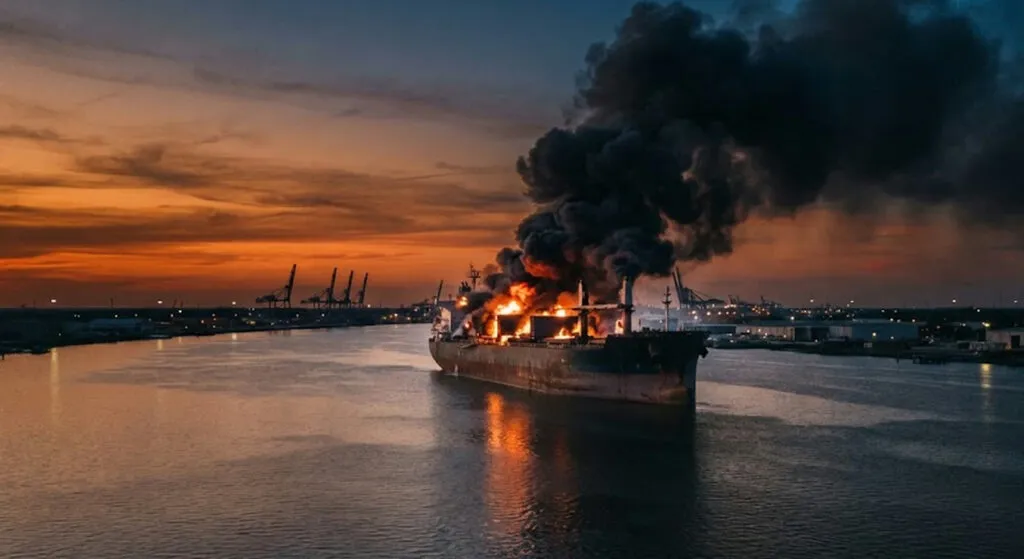
Overnight, Russia again pressed on with strikes on Ukrainian ports and on the ships bringing cargo to Ukraine. This time the target was Izmail - a port in the Odesa region, on the Ukrainian part of the Danube delta, literally across the water from Romania.
According to published information, port infrastructure used for unloading and storing military cargo was hit, as well as dual-use goods intended for Ukrainian forces. Two cargo ships carrying military supplies towards Odesa were hit while sailing in the Black Sea.
The choice of target isn't accidental. Since the Black Sea ports were blockaded, the main flow of cargo for the Ukrainian army has been rerouted through the Odesa region and the Ukrainian part of the Danube delta - towards the border with Romania. Every strike on Izmail is, in other words, a strike on a route that ends on NATO's doorstep.
And that doorstep has been shaking more and more often in recent days. Russian drones hit the Orlivka international border crossing on the Ukrainian-Romanian border on the Danube: the building caught fire and the ferry line was temporarily suspended. A cargo ship caught fire and sank after being hit in the Black Sea, near the Romanian coast. The Mayaky road bridge, which links the region to the ports in the delta, was hit as well.
The numbers sound like a war chronicle from another century: five merchant ships were struck in nine days off the coasts of NATO members, three of which sank. Off the Bulgarian coast two cargo ships were attacked by drones - one sank, and all 15 crew members were evacuated from the other, Bulgarian Prime Minister Rumen Radev said.
Moscow claims it is targeting military cargo for the Ukrainian army. Kyiv accuses it of attacking merchant ships and border infrastructure. But when a ship goes down off the Romanian or Bulgarian coast, the difference between "military" and "civilian" cargo means little to the people who live on that coast. How much longer will this war be seen as somebody else's business, when its waves are already reaching two EU and NATO members in our own neighbourhood?
For centuries the Danube was a trade route between Central Europe and the Black Sea. Today it is the main artery supplying a country at war - and that is exactly why it has become a target. For Romania and Bulgaria, this stopped being news from the front a long time ago. It's news from their own shore.
The latest 10 news from this category

While Trump strikes a diesel deal with Moscow, Kyiv has been left without US ballistic missile warnings. What is an...
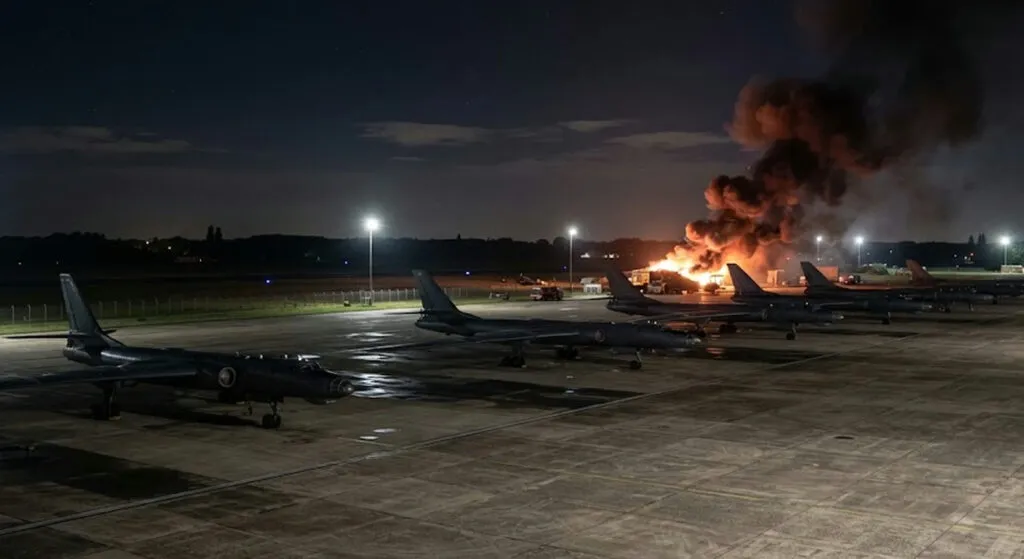
Kyiv claims six bombers hit, satellite image analysts count at least four. One thing is certain: a Ukrainian coastal missile...
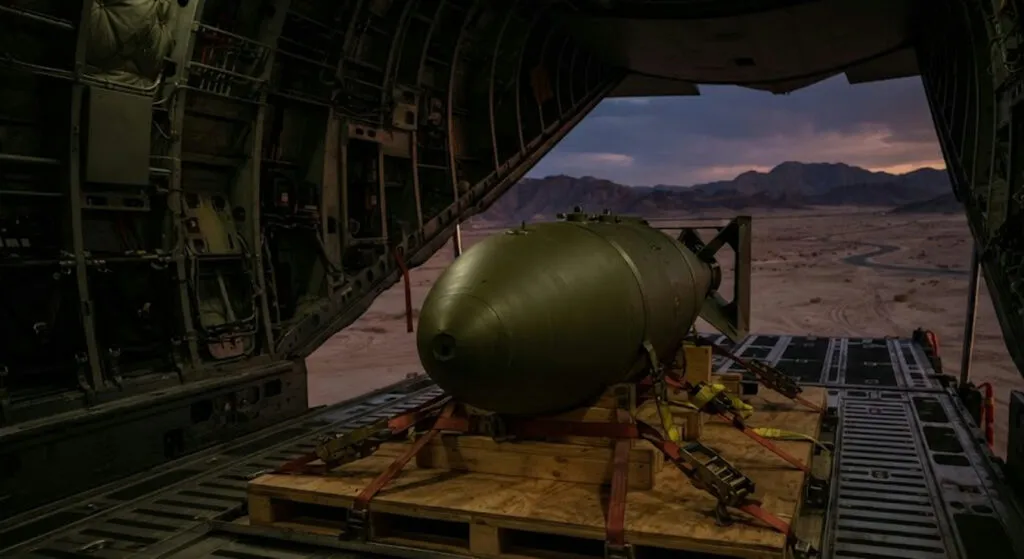
America's biggest non-nuclear bomb is in the plans for Iran, but even the sources doubt it can reach nuclear facilities...

One overnight restriction, and medium-range drone strikes ground to a halt. The Balkans learned long ago that an ally and...
For the second night running Ukrainian drones are flying toward the Russian capital, and passengers from Hurghada and Istanbul are...
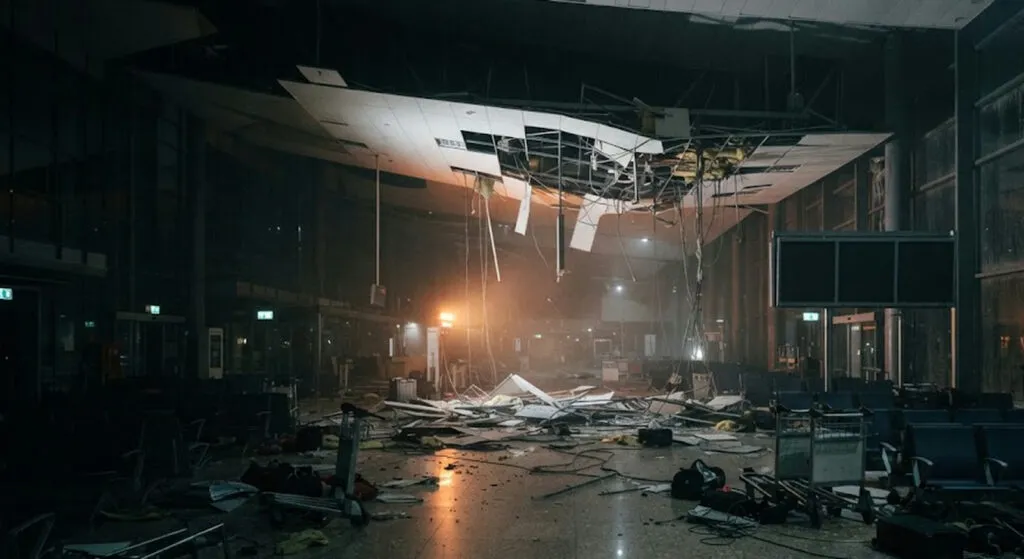
A trillion dollars of investment promised to America, and in return - military advisers. The crown prince who wanted to...
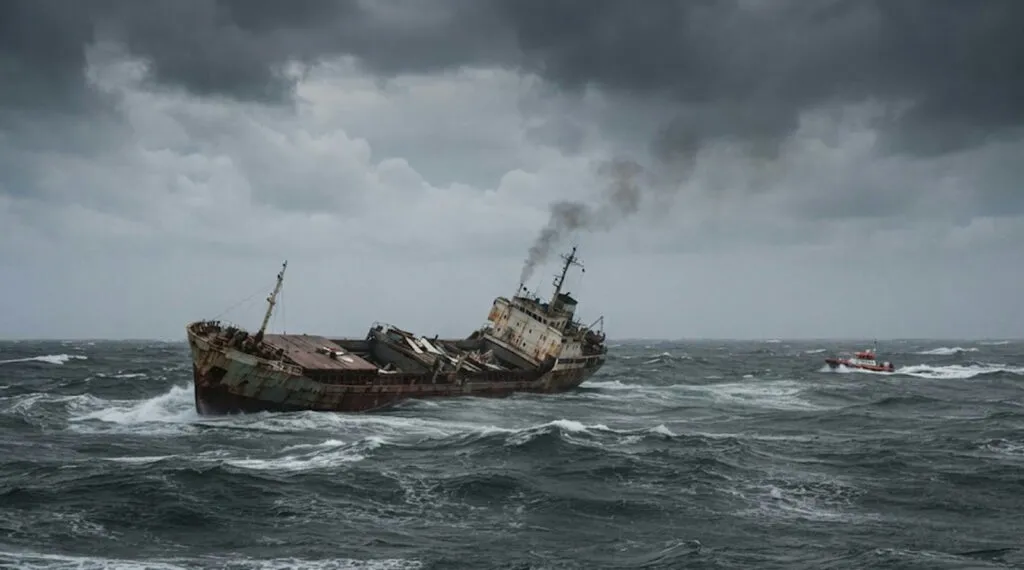
Two cargo ships hit, one on the seabed, sailors still missing - and all of it in the waters of...
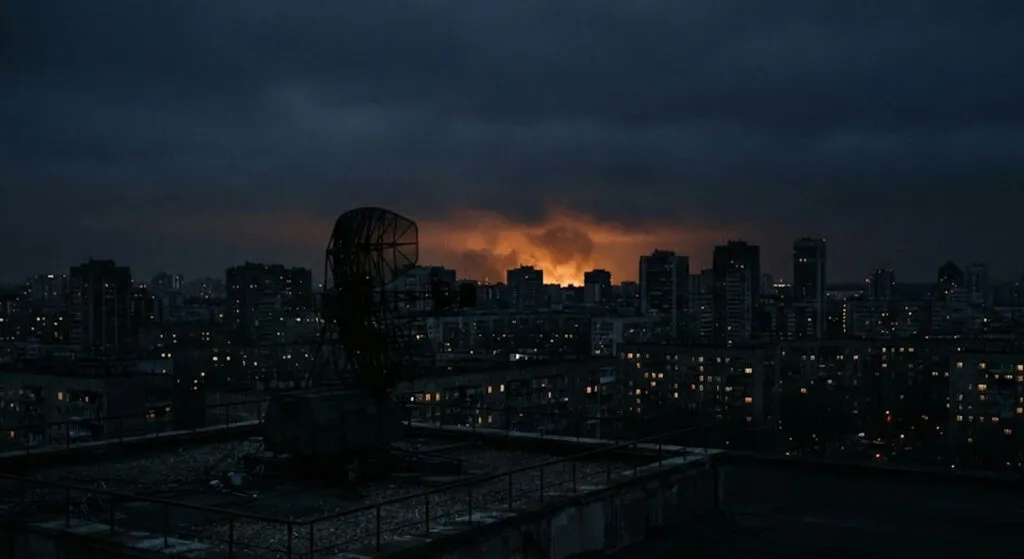
The Ukrainian military admits it knew nothing about the launch - radar only picked up the missiles over the city....
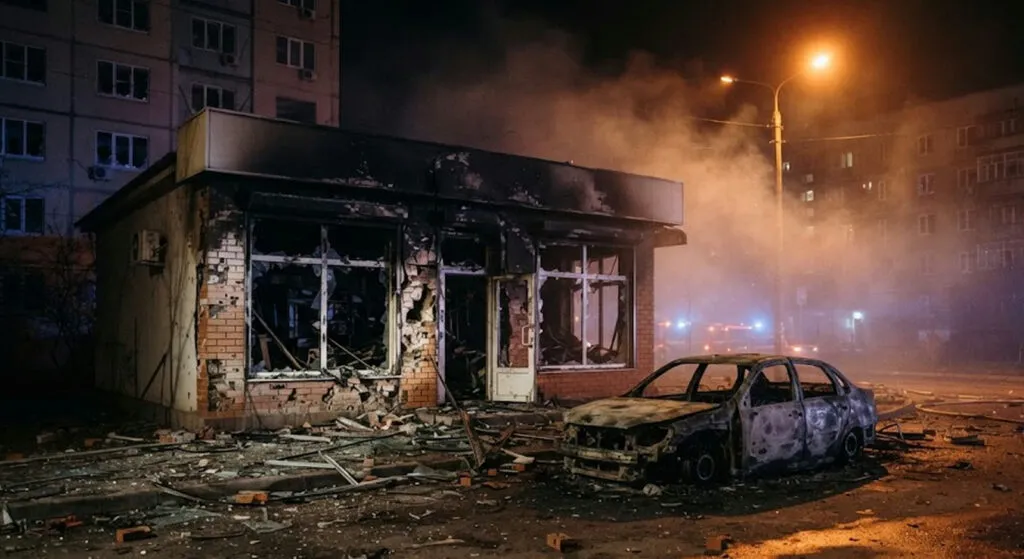
Hours after Trump announced an energy ceasefire, at least six people were killed in Kharkiv and Ivano-Frankivsk. Kyiv learned of...

The Americans are calling Kyiv and several European capitals: if strikes on Russian refineries continue, the weapons and intelligence stop,...
This site uses cookies - is that okay? Learn more
Be the first to know when Metla launches something new
Leave your email and we will write when there is a new guide or something new on Metla.


