Debar woman reported a 3,000-euro burglary at her home - police found she had made it up
14.10.2026


14.10.2026

14.10.2026

14.10.2026

14.10.2026

14.10.2026
14.10.2026

14.10.2026

13.10.2026
13.10.2026

14.10.2026

14.10.2026

13.10.2026

14.10.2026

14.10.2026

14.10.2026

14.10.2026

13.10.2026

12.10.2026

14.10.2026

14.10.2026

14.10.2026

14.10.2026

14.10.2026

14.10.2026
13.10.2026

12.10.2026

10.10.2026

23.04.2026

23.04.2026

12.04.2026

Saudi Crown Prince Mohammed bin Salman began 2026 with a smile - with a warm welcome from Donald Trump at the White House. Even when the war with Iran broke out, the kingdom seemed to be standing firm: oil kept flowing through a pipeline that bypasses the blocked Strait of Hormuz. Today Houthi missiles from Yemen are falling on Riyadh, and the prince, according to officials familiar with the matter, is moving from bunker to bunker.
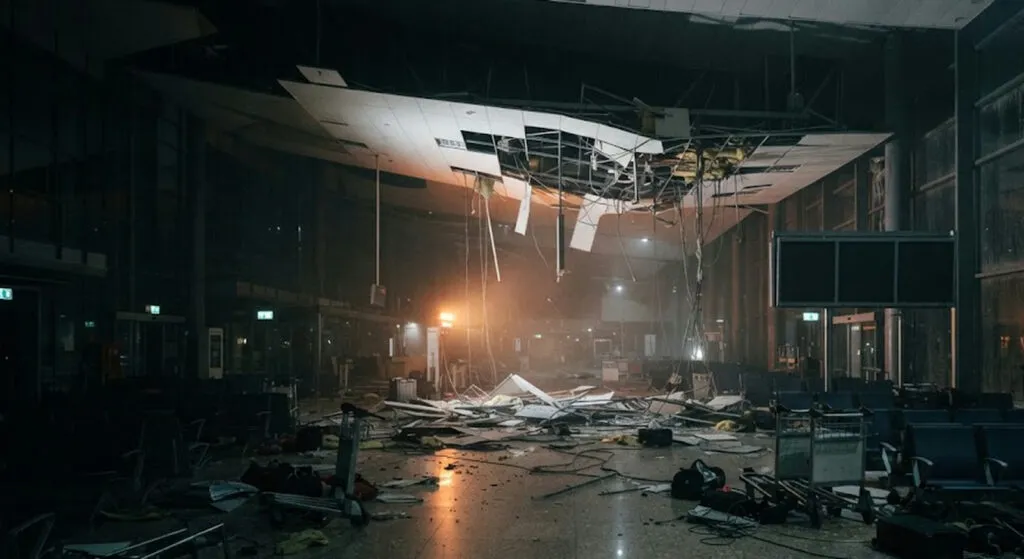
On Saturday, at least one Houthi missile hit Riyadh's international airport. At least 13 people were killed, and hundreds were injured, many of them seriously. It is the deadliest single attack on the US or its allies in the Gulf since the clashes linked to the war against Iran began. Two terminals were hit, roofs partly collapsed, and on Sunday another missile started a fire at Terminal 4 and killed one more person.
A war 800 kilometres from the front
Riyadh is more than 800 kilometres from the territory the Houthis control, but parts of the city already look like a war zone. On Thursday, debris from an intercepted ballistic missile fell on a kindergarten and a medical complex. Employees in the financial district, pupils at international schools and diplomats were ordered to evacuate or go to shelters.
The Houthi spokesman repeated that Saudi airports remain targets. Saudi officials, for their part, admit something much more uncomfortable - they are running out of interceptors to defend against the next attacks. As recently as this summer they were assuring journalists that the situation was under control. Since then, airports, energy facilities, the main east-west pipeline and refineries have been hit.
The megaprojects are shaking
The war hits directly at the plan to make tourism one of the pillars of the economy. The big international investment conference scheduled for the end of the month is also in question. Foreign investment fell in the first two quarters and is far below the targets the prince set for 2030, and the non-oil part of the economy - precisely the part that was supposed to free the country from its dependence on oil - shrank in the second quarter compared with the first. The finance ministry now expects GDP to fall by 3.6 percent in 2026.
In January the kingdom gave up hosting the 2029 Asian Winter Games, and it still hasn't secured financing for Expo 2030 or the 2034 World Cup. Even the ambition to make Saudi Arabia a hub for artificial intelligence is risky, since data centres are becoming targets.
A trillion dollars in promises, only advisers in return
Bin Salman promised Trump around a trillion dollars of investment in the US. Washington is so far refusing to send military aid - only military advisers have been sent. Over the weekend, Trump said the US is in contact with the Houthis, but also that it might join Saudi strikes on the group. "What they did is very bad," he said. The kingdom has asked its military ally Pakistan for help, is searching the world for air defence systems and is trying to recruit foreign fighters for its allies in Yemen.
Kristian Coates Ulrichsen, a Persian Gulf expert at Rice University's Baker Institute, says the Saudi leader doesn't have many good options: "Any military response carries the risk of being dragged deeper into an asymmetric conflict in which the Houthis have shown they can inflict significant and symbolic damage."
Bin Salman took Saudi Arabia into Yemen's civil war in 2015, and the truce with the Houthis only came in 2022. In August the Houthis launched an offensive on the coast of the Bab el-Mandeb strait, the kingdom sent no air support to its Yemeni allies, and the strategic city of Mocha fell. The 41-year-old prince was last seen in public a week ago, donating blood as part of a national campaign.
If a trillion dollars of promised investment buys only military advisers, what can smaller allies expect when things get tough for them?
The latest 10 news from this category
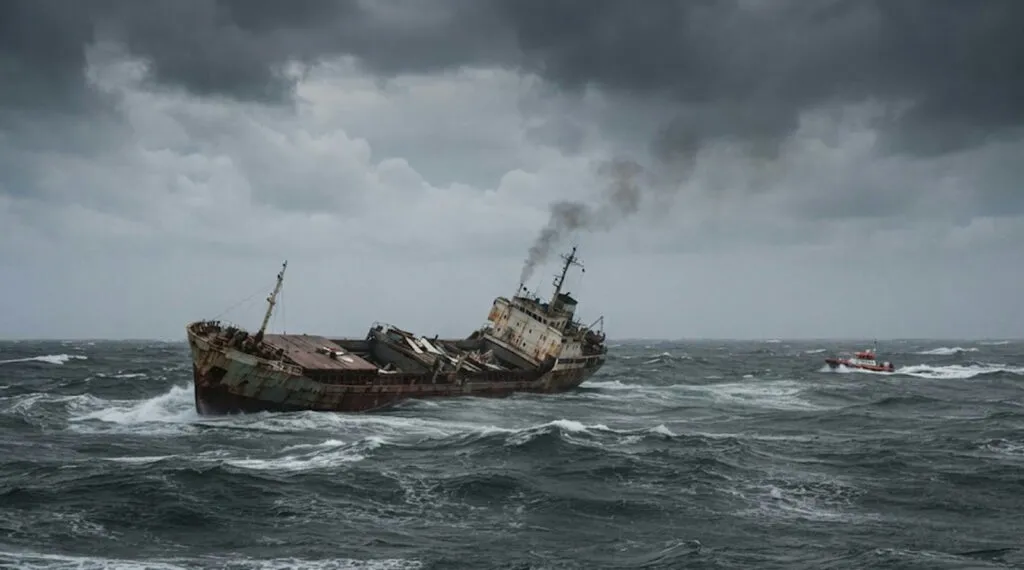
Two cargo ships hit, one on the seabed, sailors still missing - and all of it in the waters of...
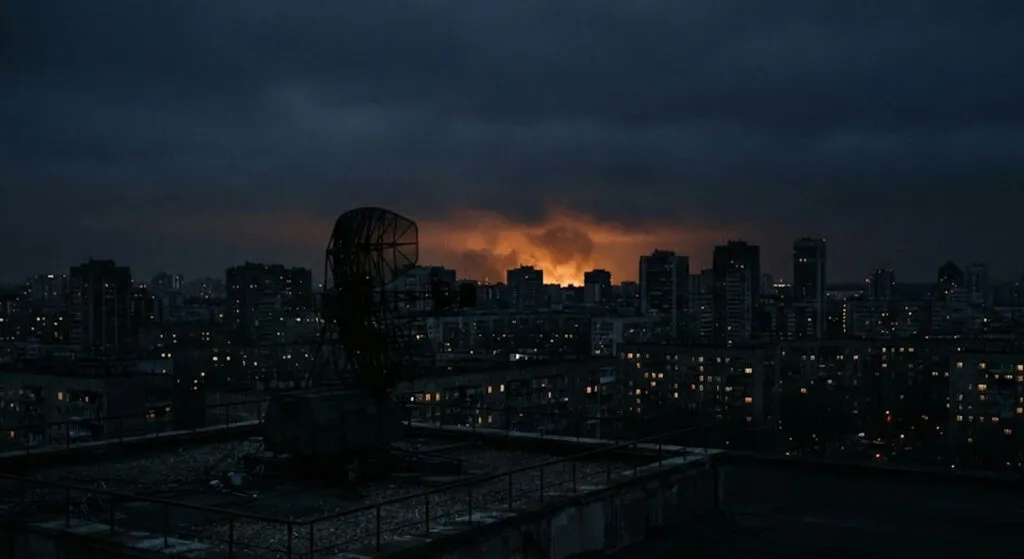
The Ukrainian military admits it knew nothing about the launch - radar only picked up the missiles over the city....
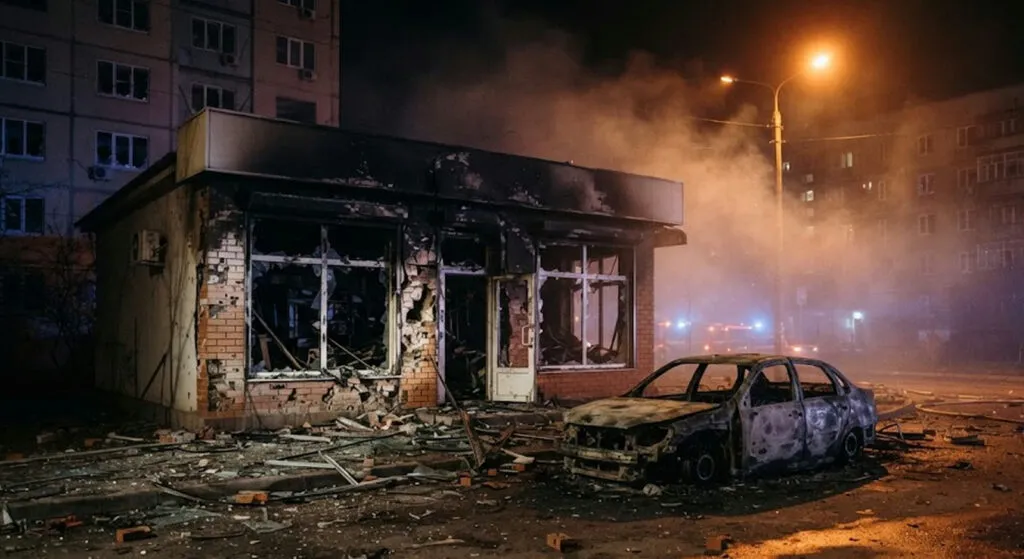
Hours after Trump announced an energy ceasefire, at least six people were killed in Kharkiv and Ivano-Frankivsk. Kyiv learned of...
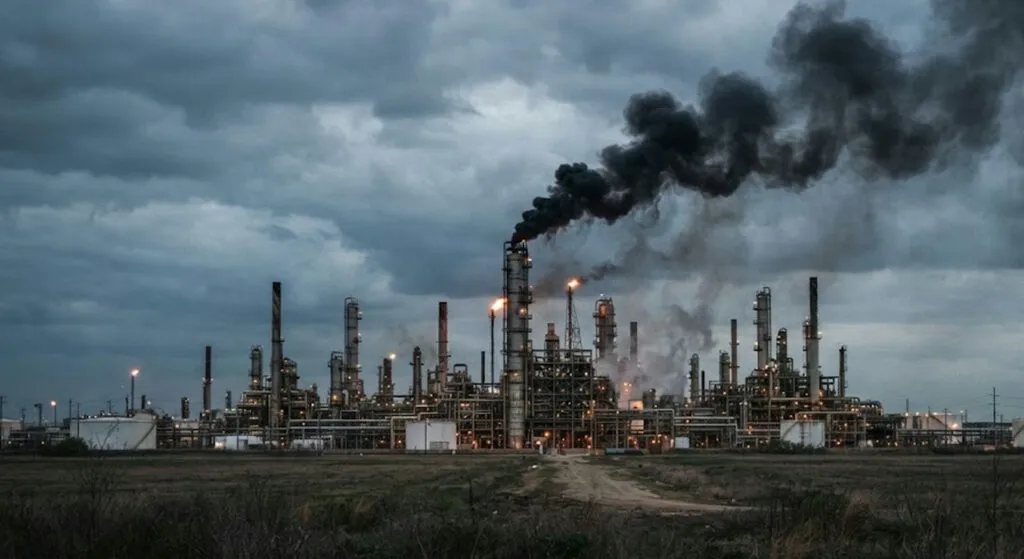
The Americans are calling Kyiv and several European capitals: if strikes on Russian refineries continue, the weapons and intelligence stop,...
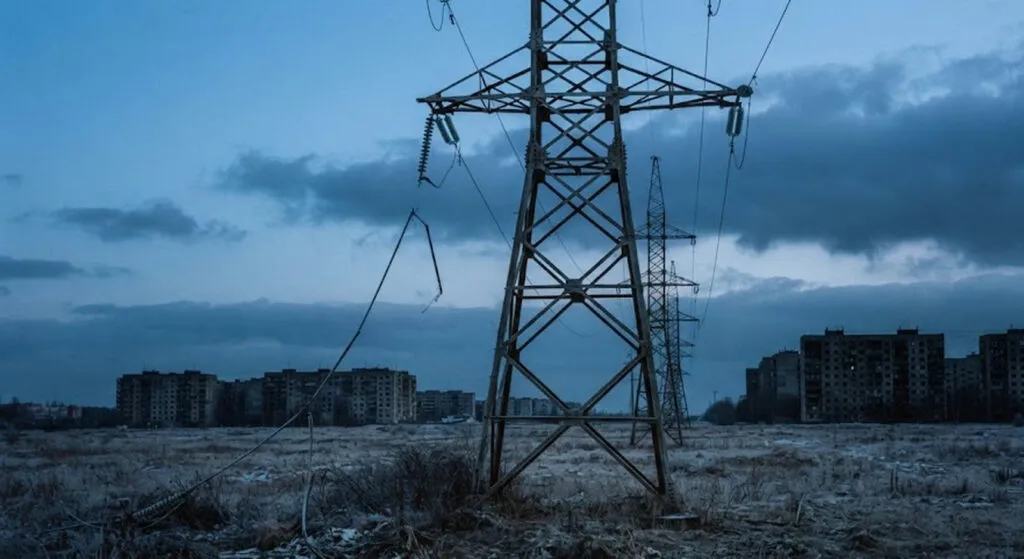
A ceasefire announced on social media, without a word from the Kremlin, while the pressure goes only towards Kyiv. The...
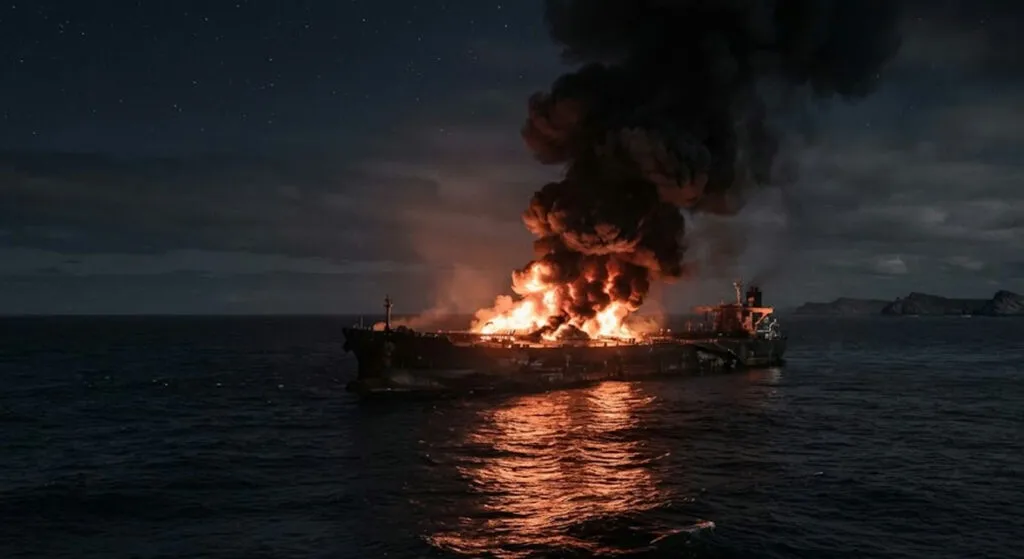
Iran claims the tanker only has itself to blame for sailing an "unauthorised route". Hormuz is no longer a sea...
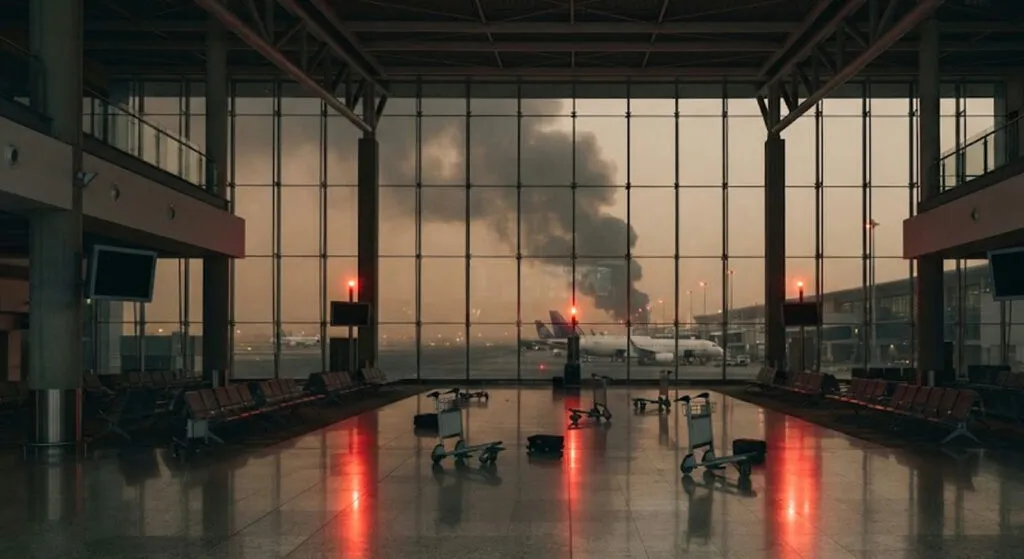
Almost 300 canceled flights and dozens injured in the Saudi capital. The war in Yemen stopped being local long ago,...
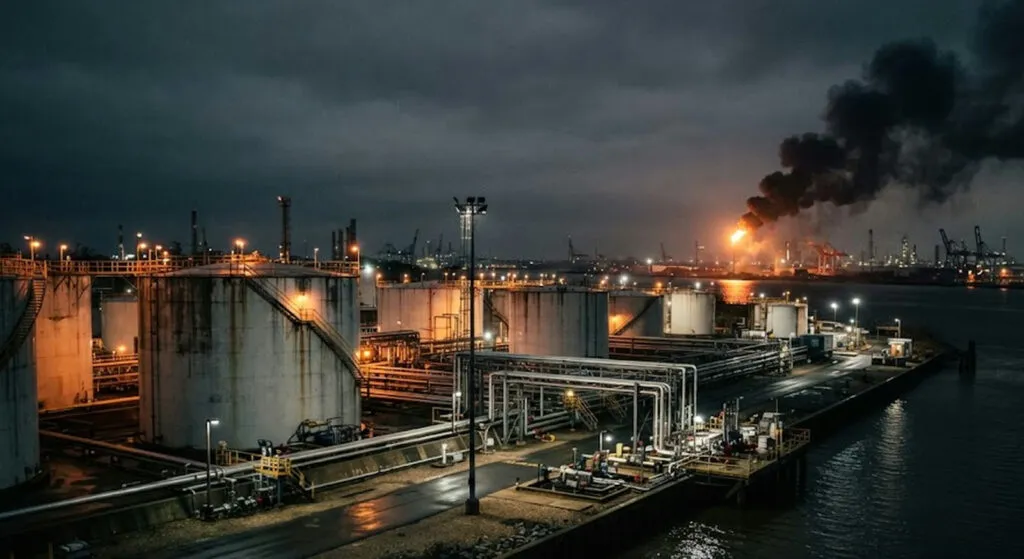
Washington eased sanctions on Russian diesel without Kyiv being informed, and Ukrainian drones answered the very night after the deal....

Kyiv's mayor is advising residents who have somewhere to go to leave before winter, the metro stopped, and a taxi...
The planes of Russia's top leadership circled over Moscow, and one ended up in St. Petersburg because of Ukrainian drones....
This site uses cookies - is that okay? Learn more
Be the first to know when Metla launches something new
Leave your email and we will write when there is a new guide or something new on Metla.