

The OLVX stolen-password market led to Golema Rečica: the Interior Ministry celebrates the operation but stays silent on whether there are Macedonian victims
16.10.2026


16.10.2026

16.10.2026

16.10.2026

16.10.2026

16.10.2026

16.10.2026

16.10.2026

15.10.2026

15.10.2026

16.10.2026

16.10.2026

15.10.2026

16.10.2026

16.10.2026

16.10.2026

16.10.2026

15.10.2026

14.10.2026

16.10.2026

16.10.2026

16.10.2026

16.10.2026

16.10.2026

16.10.2026

16.10.2026

15.10.2026

14.10.2026
15.10.2026

13.10.2026

12.10.2026

23.04.2026

23.04.2026

12.04.2026

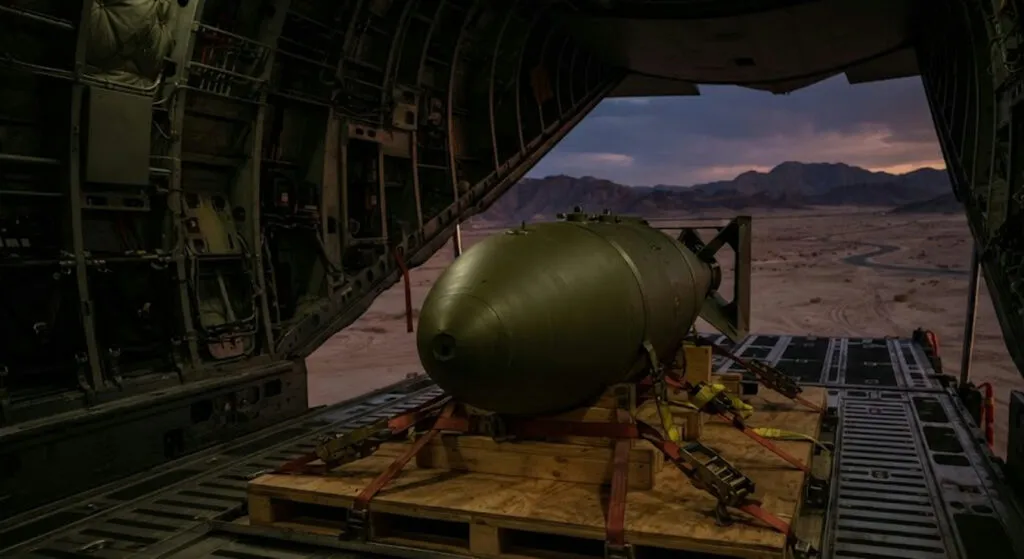
The US military has drawn up new plans for strikes on Iran that include the possible use of the so-called "mother of all bombs" - against Iranian energy infrastructure and nuclear facilities. That would be the option if President Donald Trump orders a resumption of combat operations, CNN reported, citing several US officials.
The weapon in question is the GBU-43/B, the largest non-nuclear bomb in the American arsenal. Using it in the conflict with Iran would be a significant escalation, CNN says. The bomb is GPS-guided and can destroy an area the size of nine city blocks.
The biggest bomb, but maybe not deep enough
This is where Washington's problem starts. According to several sources familiar with internal military discussions, there are doubts about how effective this bomb would actually be in achieving Trump's strategic goals or changing the balance of power in the war. The sources say it most likely can't penetrate deep enough below the surface to destroy nuclear facilities believed to be protected by layers of granite.
In other words, America's biggest hammer may not reach what scares Washington most. One unnamed US official explained that in planning, the military prepares a whole range of options for decision-makers, from the toughest to the milder ones. Targets that require a heavier blow, including those deep underground, require bigger bombs - and the GBU-43/B is the biggest of them.
Strike, declare victory, pull out
According to one source, Trump has ordered the military to prepare additional plans for strikes on Iranian targets covering "a significant part of the energy infrastructure". The plans stated that the attack would take place before US forces withdraw from Central Command's (CENTCOM) area of responsibility. That suggests a scenario in which the administration carries out further strikes, declares victory and quickly pulls out all its forces.
The timetable is even clearer. Trump has said the US won't attack Iran before the 3 November midterms, and according to the Wall Street Journal, he rejected an Iranian proposal for a seven-day ceasefire and privately told aides he expects the bombing to resume after the elections. A war on a schedule tailored to the electoral calendar - that's a scene the Balkans knows better than it would like.
While Washington plans, Moscow delivers
Meanwhile, Bloomberg reported, citing Western officials, that Russia has begun delivering large quantities of missiles to Iran. Despite eight months of American and Israeli strikes, Tehran has kept its capacity to produce ballistic missiles and drones, and has used the ceasefire to replenish its arsenal.
If both reports are true, the picture is simple: one side is restocking its arsenal, while the other is looking for a bomb that may not reach its target. So who is actually buying time - Washington or Tehran?
The latest 10 news from this category

While Trump strikes a diesel deal with Moscow, Kyiv has been left without US ballistic missile warnings. What is an...

The port of Izmail is being targeted, two cargo ships were hit on their way to Odesa, and five merchant...
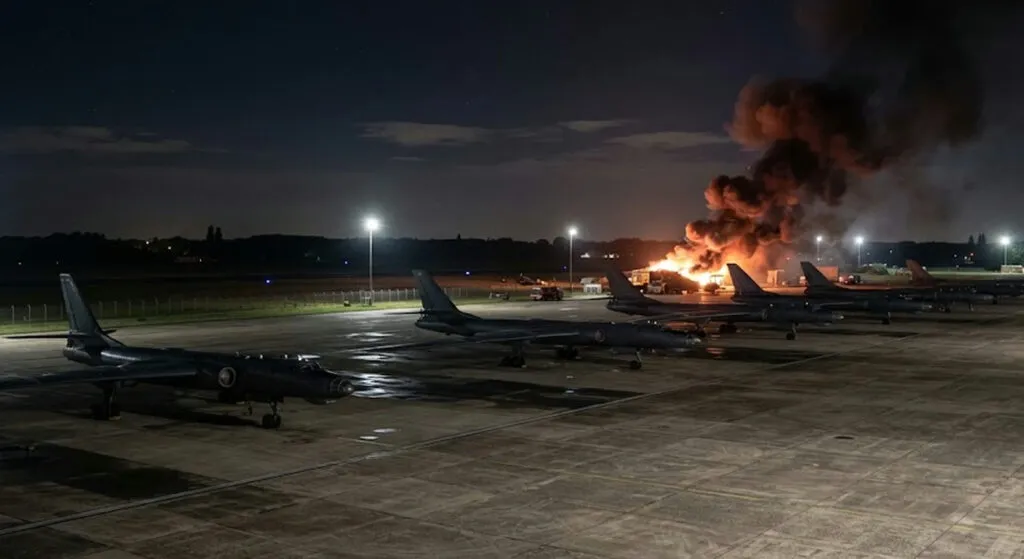
Kyiv claims six bombers hit, satellite image analysts count at least four. One thing is certain: a Ukrainian coastal missile...

One overnight restriction, and medium-range drone strikes ground to a halt. The Balkans learned long ago that an ally and...

For the second night running Ukrainian drones are flying toward the Russian capital, and passengers from Hurghada and Istanbul are...
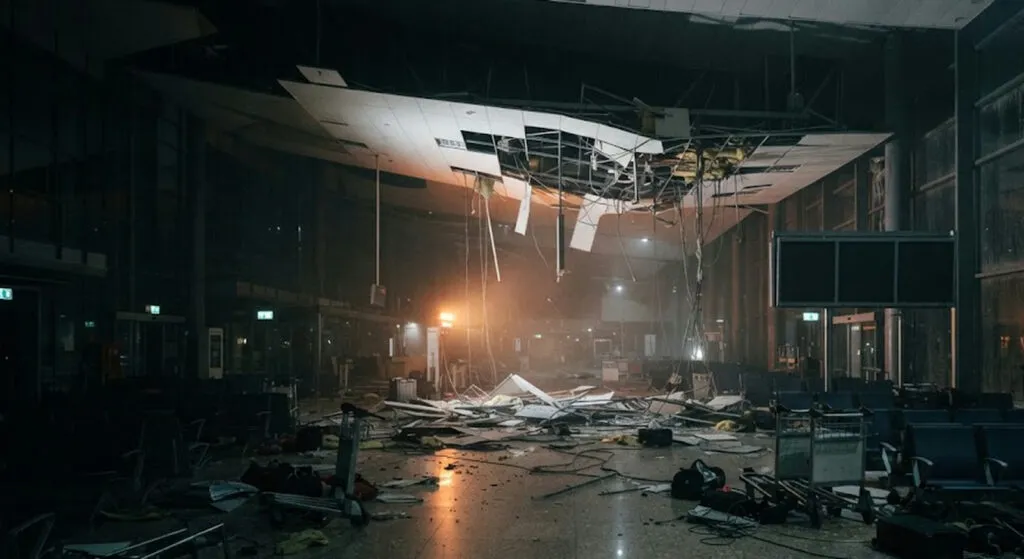
A trillion dollars of investment promised to America, and in return - military advisers. The crown prince who wanted to...
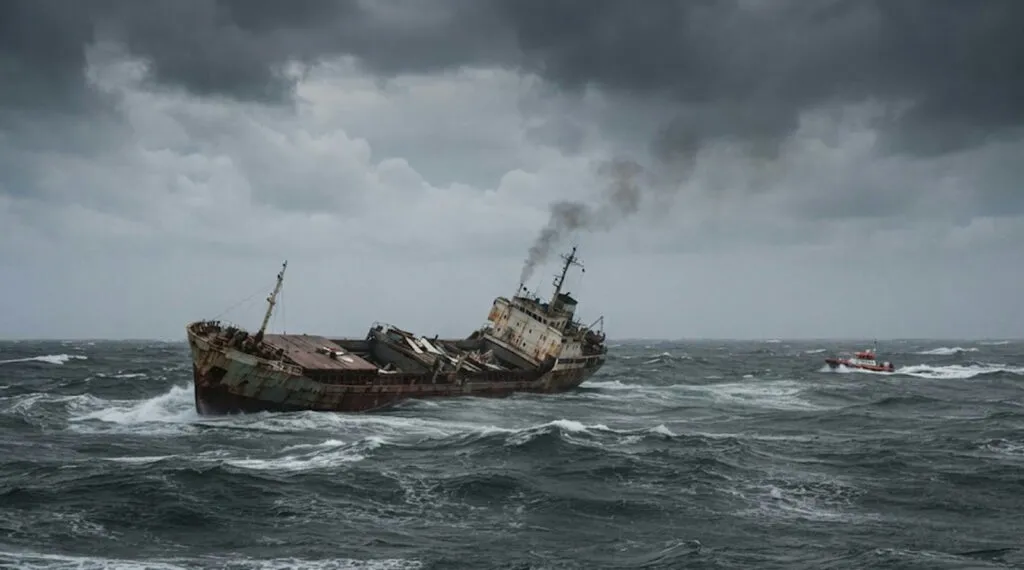
Two cargo ships hit, one on the seabed, sailors still missing - and all of it in the waters of...
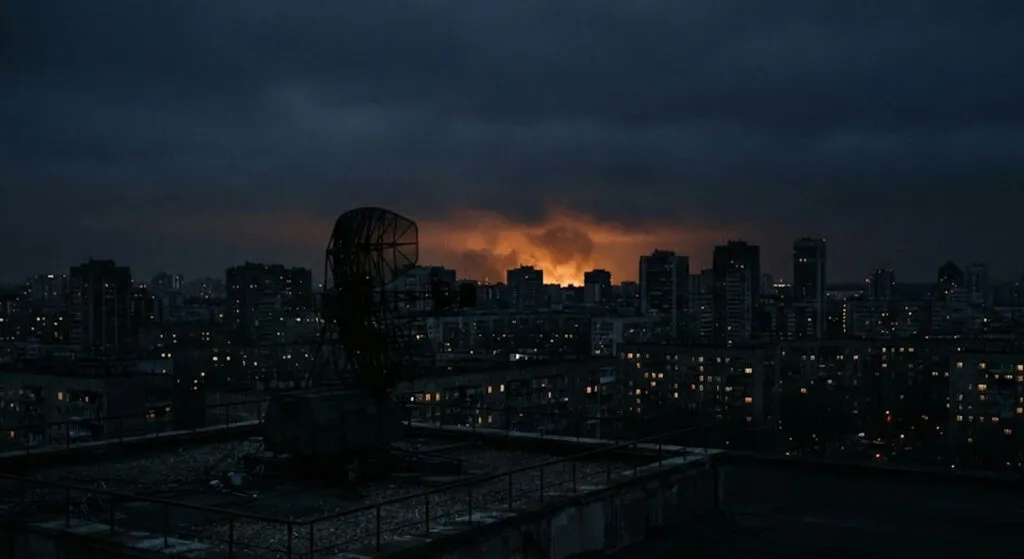
The Ukrainian military admits it knew nothing about the launch - radar only picked up the missiles over the city....
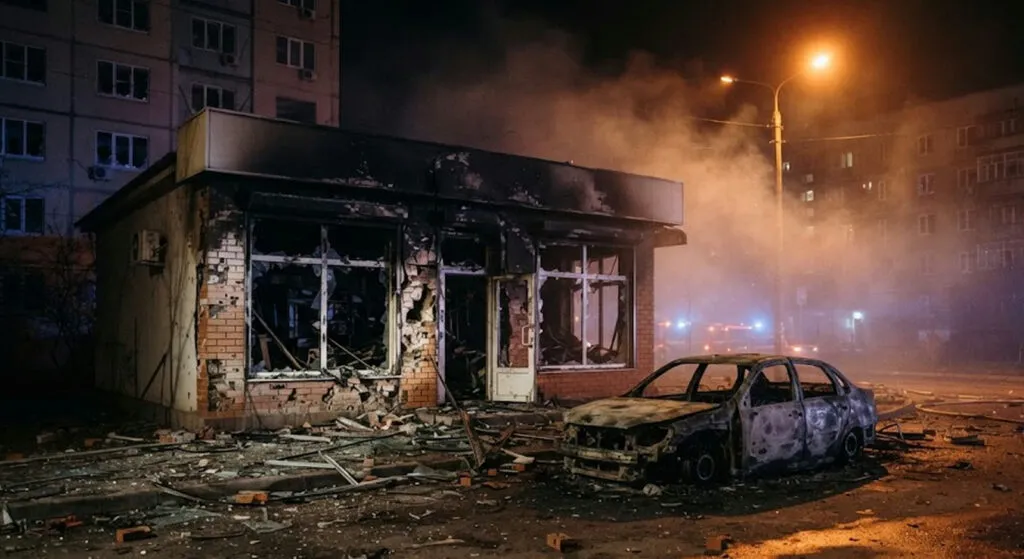
Hours after Trump announced an energy ceasefire, at least six people were killed in Kharkiv and Ivano-Frankivsk. Kyiv learned of...

The Americans are calling Kyiv and several European capitals: if strikes on Russian refineries continue, the weapons and intelligence stop,...
This site uses cookies - is that okay? Learn more
Be the first to know when Metla launches something new
Leave your email and we will write when there is a new guide or something new on Metla.


