
Six Years of Fake Licence Categories Issued From an Interior Ministry Desk: Six Charged, 21 More Under Investigation
21.09.2026


21.09.2026

21.09.2026
21.09.2026
21.09.2026
21.09.2026

21.09.2026

21.09.2026

20.09.2026

20.09.2026

21.09.2026

21.09.2026

20.09.2026

21.09.2026
21.09.2026

21.09.2026

21.09.2026

20.09.2026

19.09.2026

21.09.2026

21.09.2026

21.09.2026

21.09.2026

21.09.2026

21.09.2026

09.03.2026

27.02.2026

19.02.2026

21.09.2026

21.09.2026

20.09.2026

23.04.2026

23.04.2026

12.04.2026

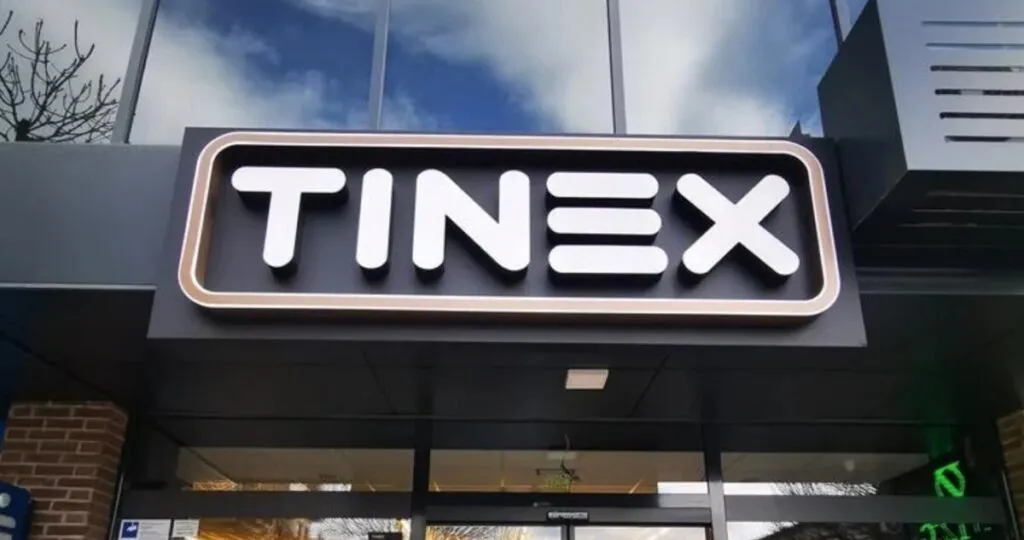
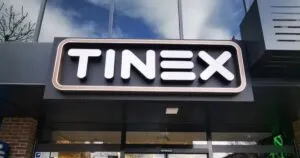
The Commission for Protection of Competition has approved the takeover through which Kosovo's Proex International, based in Pristina, gains control of Tinex Market DOOEL Skopje. Behind that legal entity sits the entire retail business of Tinex-MT: the stores trading under the Tinex, SuperTinex, Tinex Delikates, Konto and Spot brands. One of the most recognisable domestic chains is passing into Kosovo hands.
The timeline is instructive. On 2 July the seller and buyer signed a letter of intent. On 14 July, just 12 days later, Tinex-MT registered a new company called Tinex Market - the vessel the business is being poured into. On 10 August the notification reached the commission, supplemented a day later. And here is the decision. From letter to approval in under three months. When it wants to, the Macedonian administration knows how to move fast. It depends who is waiting at the counter.
Who is the buyer? Proex is one of Kosovo's largest retail companies, part of a group active in trade, distribution, logistics and petroleum products. Businessman Shaip Mikulovci, born in 1984, holds a 93 percent stake and chairs the group that owns Interex, Emona Group, IP Petrol and Shell Kosovo, along with shopping centres in Pristina, Peja and Drenas. In 2023 they secured a package of up to 20 million euros from the EBRD to expand the network, and Kosovo media report a turnover of 235 million euros in 2025.
The commission's logic is simple: Proex and its group had no affiliated entities in Macedonia and not a single denar of turnover on the Macedonian market in 2025. On paper, then, two competitors are not merging - a new player is entering. Hence no "creation or strengthening of a dominant position" and no regulatory obstacle. From a competition standpoint, that is correct. From the market's standpoint, the buyer will be dominant in at least one segment tomorrow - its own stores.
What does this mean for the shopper at the till? Nothing has been announced yet - not about the product range, not about prices, not about the people working in all those stores. How many domestic chains are left in domestic ownership, and which one gets sold to a group from next door after this?
The decision removes the last regulatory obstacle. What remains is the preliminary share purchase agreement and the final paperwork. The company meant to receive the business was registered almost four weeks before the commission was even notified. Efficiency - or a sign the outcome was never in doubt?
The latest 10 news from this category

The WHO has declared loneliness a global health problem linked to around 870,000 deaths a year. On America's east coast...
Porsche, Alaska Airlines and J.B. Hunt are not buying startups - they are commissioning them. When innovation moves inside the...

Sold for two billion, blocked by the state, bought back by its own investors - and now worth twice as...
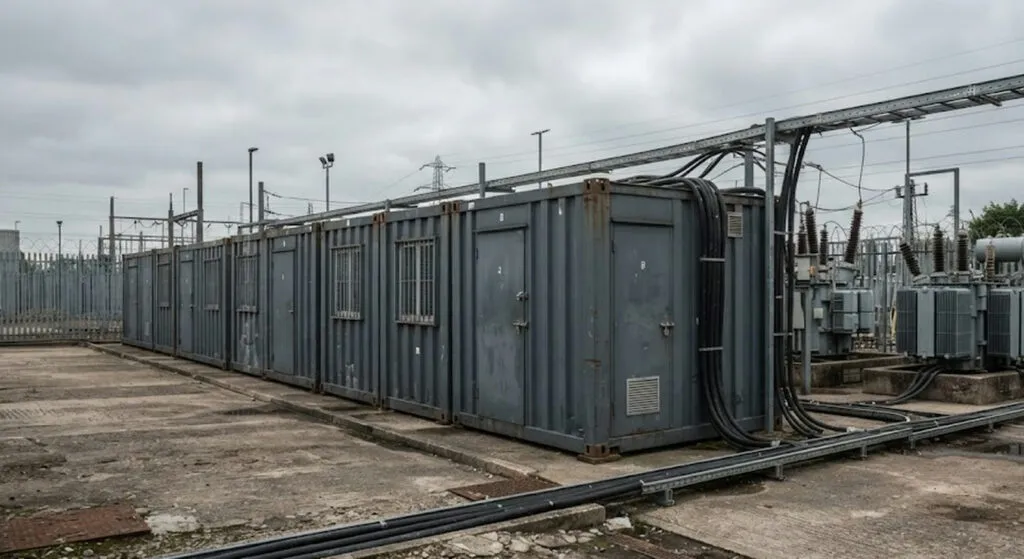
An eight-year-old firm that started out mining crypto has tripled its value in ten months. It did not discover anything...

The price of uranium has jumped 75 percent in five years, and the list of countries that mine it reads...
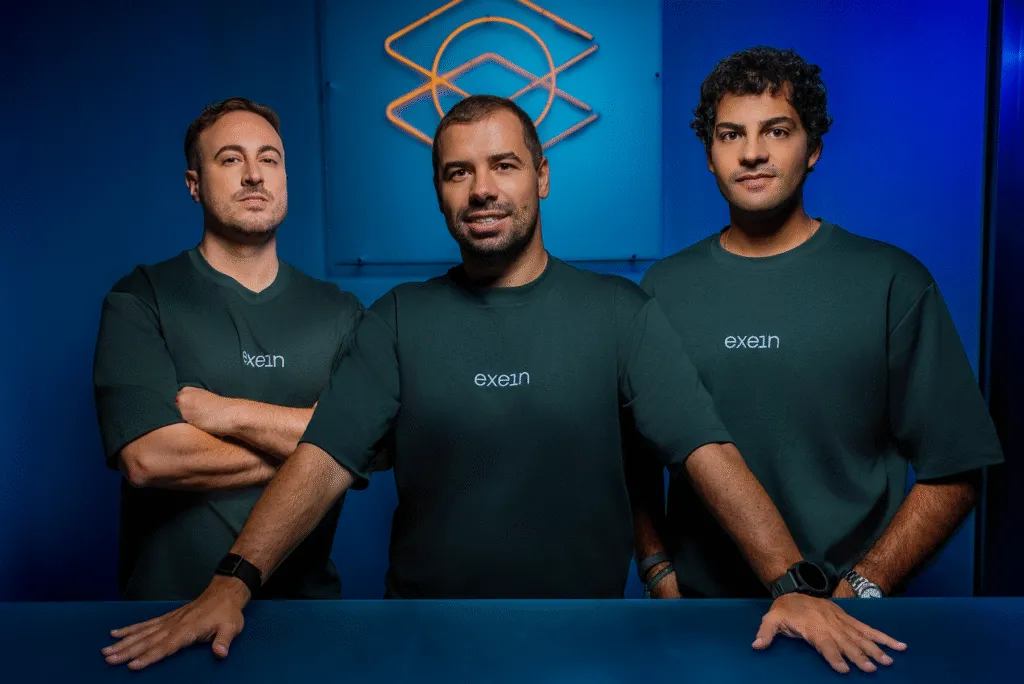
Exein raised 270 million dollars and its valuation jumped thirtyfold in two years. The European regulation coming into force in...
A startup valued at 94 million dollars changed hands, and both sides said openly what was being bought - not...
A technology sold for decades as the answer to the climate is now taking money from the defence industry. The...

The board voted, the founder kicked the administrators out of Slack and held out for three days. What does a...

Three months ago the company raised 60 million. Now it is worth almost ten times that, and its product is...
This site uses cookies - is that okay? Learn more
Be the first to know when Metla launches something new
Leave your email and we will write when there is a new guide or something new on Metla.