
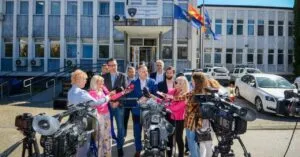
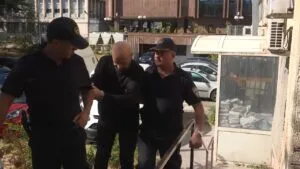
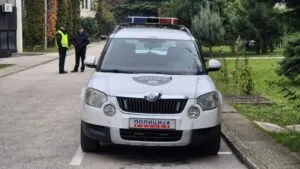
Prilep: 37 searches, a safe deposit box with over 50,000 euros and four police officers under suspicion - how did the "untouchables" last 15 years?
03.10.2026


03.10.2026
03.10.2026
03.10.2026
03.10.2026
03.10.2026
03.10.2026
03.10.2026

02.10.2026
02.10.2026

03.10.2026
03.10.2026

02.10.2026
03.10.2026

03.10.2026

03.10.2026
03.10.2026

02.10.2026
01.10.2026

03.10.2026

03.10.2026

03.10.2026

03.10.2026
02.10.2026
01.10.2026

09.03.2026

27.02.2026

19.02.2026
03.10.2026
02.10.2026
01.10.2026
02.10.2026
22.08.2026
20.08.2026

23.04.2026

23.04.2026

12.04.2026
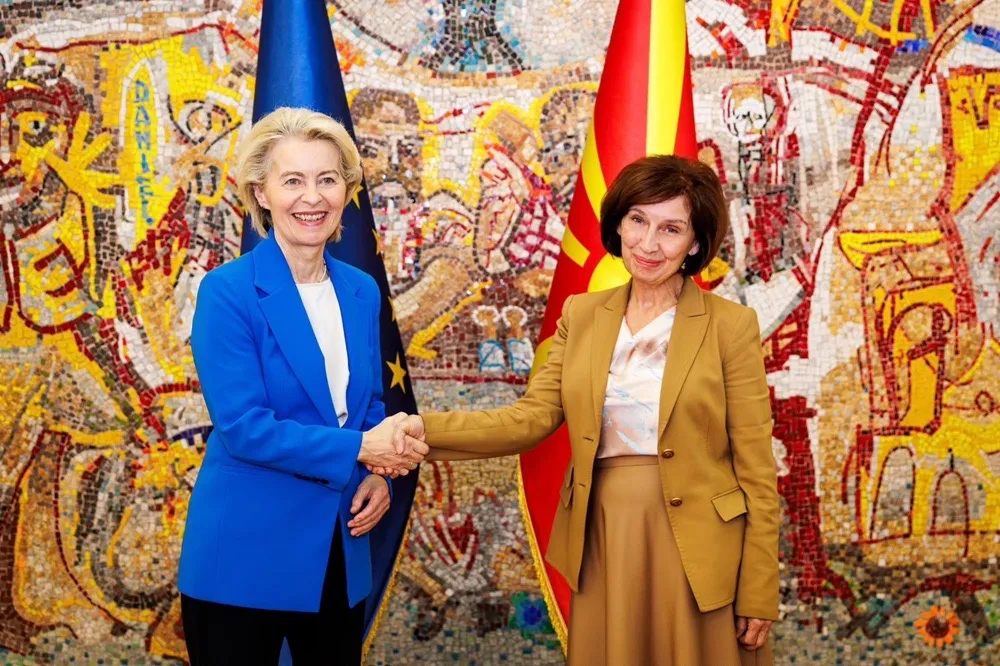
Ursula von der Leyen wrapped up her annual Western Balkans tour in Skopje and left two messages behind. The government had been waiting years for one of them. The other we have been hearing ever since accession talks began in 2022.
The first is about identity. "We will welcome North Macedonia with its identity and its language. We believe that Macedonian culture and the Macedonian language can make our Union richer. Because our motto is - united in diversity - and we are very serious about that," the President of the European Commission said. Spoken by the head of the Commission, at a press conference in Skopje, that carries more weight than any declaration so far.
The second is about the process. According to von der Leyen, screening was completed in under a year and there is now one key step left before the first cluster, "Fundamentals", can be opened - the constitutional amendments that would add Bulgarians to the communities listed in the Constitution. Macedonia is not among the four countries getting roadmaps with membership deadlines, because those, she explained, are for states already opening and closing chapters.
"Advice" for Sofia
The most concrete result of the visit is a piece of advice. Prime Minister Hristijan Mickoski said von der Leyen suggested that Foreign Minister Timčo Mucunski, who will be in Sofia next week for an event on Corridor 8, request a bilateral meeting with his Bulgarian counterpart Velislava Petrova-Chamova. The diplomatic note has been sent, and the Foreign Ministry confirmed the meeting has been officially requested.
"We agreed to have a first new step next week and to try to unblock the process," von der Leyen said. Whether an EU representative will be present at those talks, as Mickoski had asked, she did not specify.
Mickoski repeated his position: Skopje is not asking the EU to take sides, but to help reach a solution in which "obligations will apply to everyone, and the accession process will not be reopened to new bilateral conditions". President Gordana Siljanovska-Davkova was sharper in her own meeting with von der Leyen: Macedonia deserves to be among the frontrunners instead of on the sidetrack, and it isn't there because an imposed bilateral dispute with Bulgaria has been given priority over the Copenhagen criteria.
Praise for the homework
"The moment we unblock the situation here, my personal view is that we can be very fast," von der Leyen said, describing the reforms so far as impressive. It's a familiar tune: praise for the homework, while the neighbour holds the key to the door.
Macedonia has been a candidate for membership since 2005. The language and the identity are now welcome, at least at a press conference. The question is whether this time Brussels will be in the room when the negotiating happens - or will once again wait outside the door to see who blinks first.
The latest 10 news from this category
Instead of a debate about why the opposition isn't growing, SDSM is busy debating who works for whom. The government...
The opposition says Macedonia has been left off Europe's roadmap, the government calls that hate speech. After "hen", "louse" and...
In 2022 Skopje and Tirana opened negotiations together. Now Tirana is being considered for fast-track membership, Skopje is not in...
The National Gallery director was dismissed after an inspection, the Krushevo museum director resigned over "Sexy Mama". The cases are...
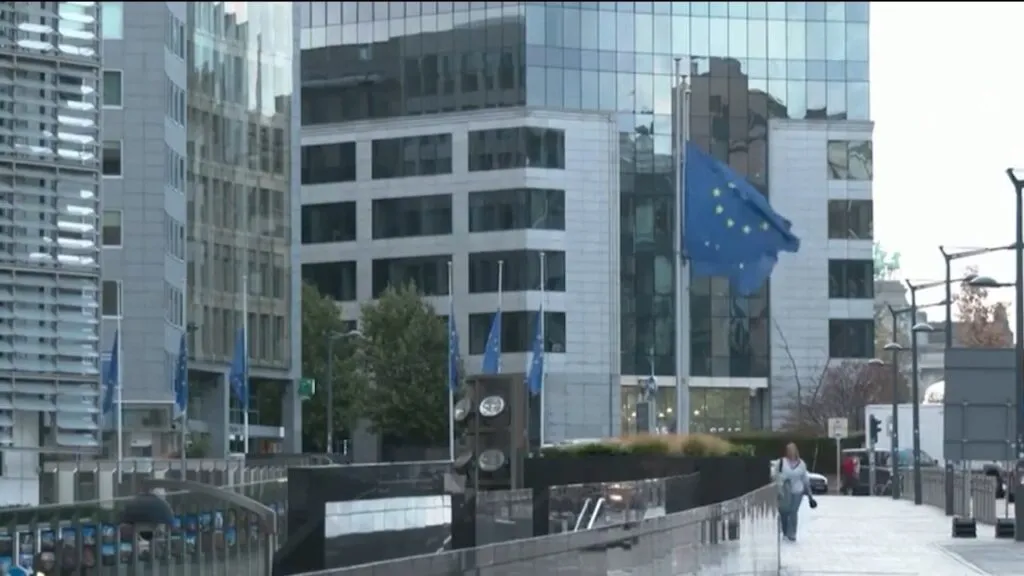
Mickoski calls the report illogical and says his information is different. Montenegro, Albania, Ukraine and Moldova are getting roadmaps, according...
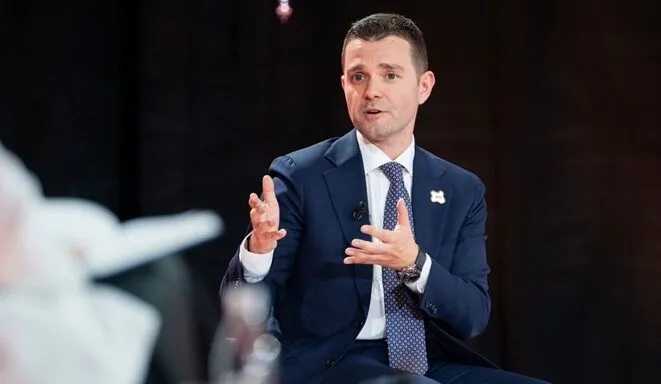
Bilateral meetings with Bulgaria are getting nowhere, the minister says, and the EU has to step in directly. A mediator...
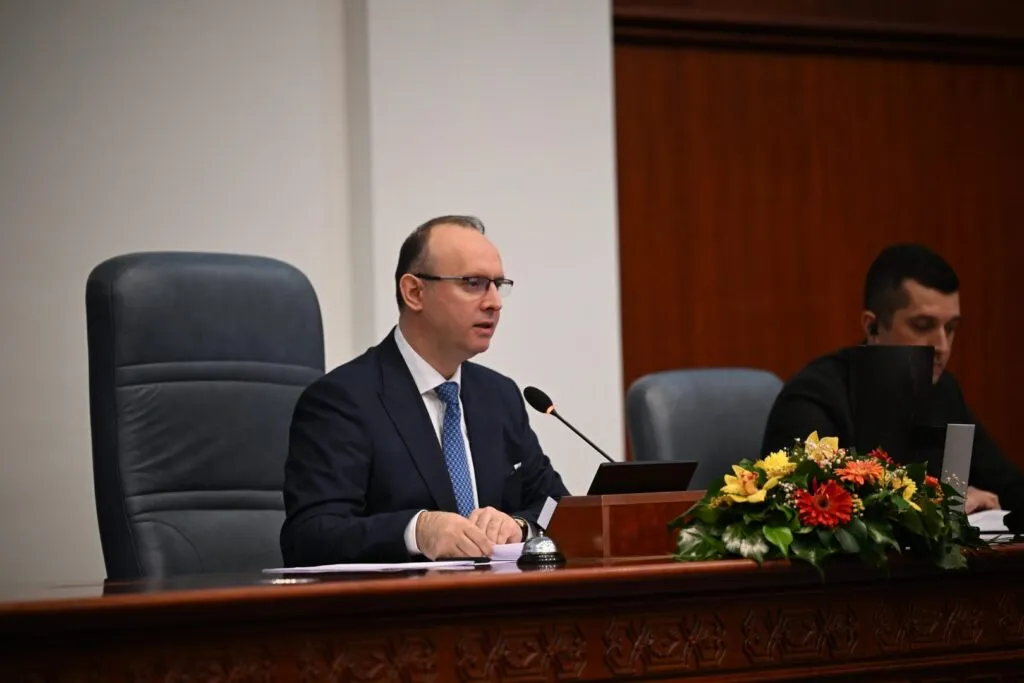
VMRO-DPMNE, SDSM and Vlen are all in the delegation. The press release has an itinerary, but not a single word...
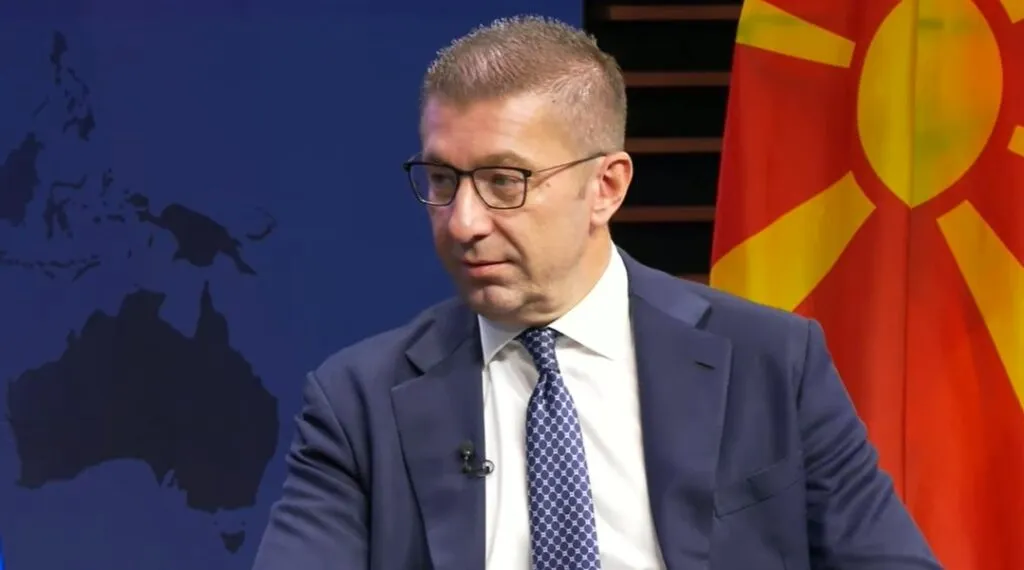
The prime minister wants the EU at the table with Skopje and Sofia. Bulgaria replies that it's open to dialogue...
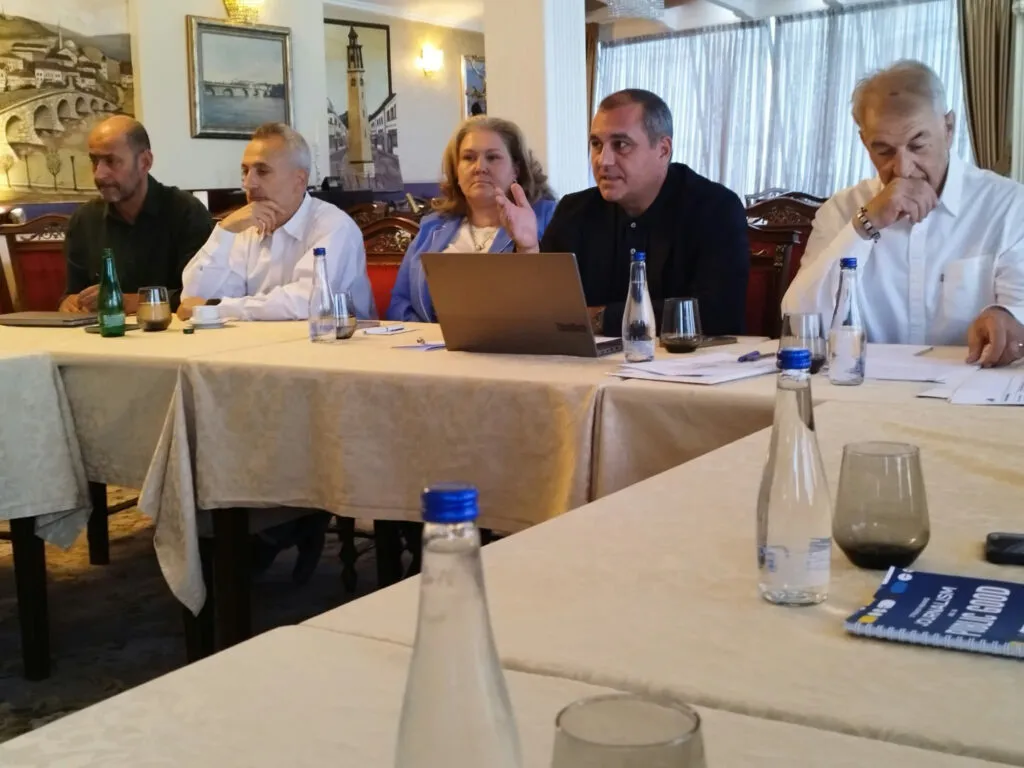
The prime minister says he doesn't interfere in SDSM's internal affairs. Then he spent a long answer on exactly that,...
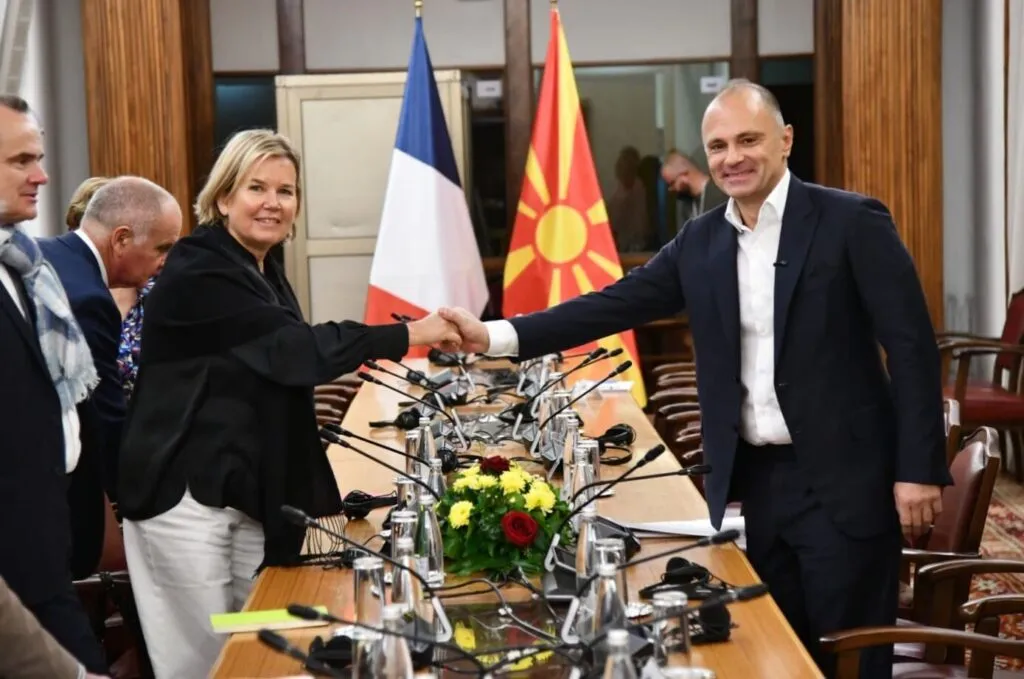
The SDSM leader complained to his guests from Paris about the judiciary, the media and the guarantees the government keeps...
This site uses cookies - is that okay? Learn more
Be the first to know when Metla launches something new
Leave your email and we will write when there is a new guide or something new on Metla.