
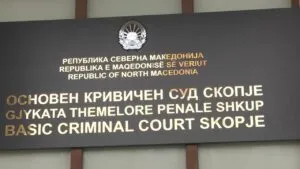
The defence in the Puls case has called 244 witnesses, and the nightclub owner's detention runs out on Saturday
01.10.2026


01.10.2026
01.10.2026
01.10.2026
01.10.2026
01.10.2026
01.10.2026
01.10.2026

30.09.2026
29.09.2026

01.10.2026

01.10.2026

30.09.2026
01.10.2026

01.10.2026
01.10.2026
01.10.2026
30.09.2026
29.09.2026
01.10.2026

01.10.2026
01.10.2026
01.10.2026
01.10.2026

01.10.2026

09.03.2026

27.02.2026

19.02.2026
01.10.2026
01.10.2026
30.09.2026

23.04.2026

23.04.2026

12.04.2026

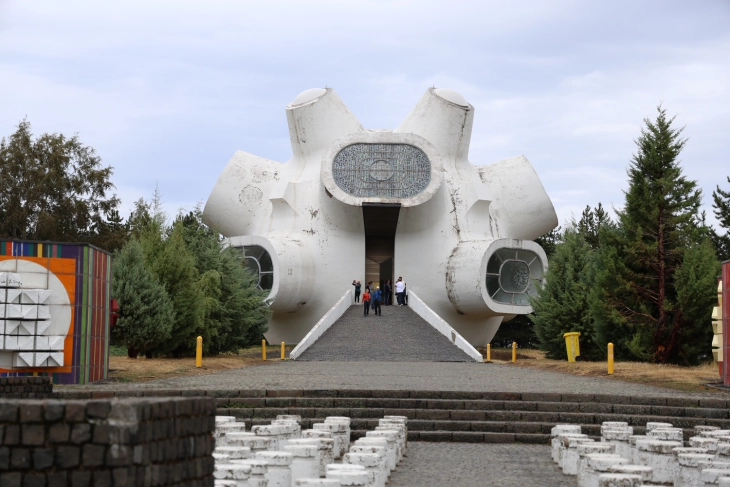
In less than a week, Macedonia's culture sector lost two directors. The director of the National Gallery was dismissed after an extraordinary inspection found irregularities in its operations and part of the annual programme left undelivered. The director of the Krushevo Historical Museum, Miha Odzaklieski, handed in an irrevocable resignation after the scandal over Kosovar rapper Don Xhoni filming his music video "Sexy Mama" inside the Makedonium.
The Makedonium, the monument dedicated to the Ilinden Uprising, is protected cultural heritage. According to the Historical Museum, the production company submitted a request, there was a Board decision allowing the space to be rented out for filming, and a fee was charged - around 500 euros. The Cultural Heritage Protection Office, however, says it never received any request for a filming permit.
In his resignation, Odzaklieski claims he broke no law, no rulebook and no Board decision, and that the procedure was part of an established practice the institution had used before. That may be the most alarming sentence in the whole story. If renting out a national monument for a music video was routine, how many times has it happened before without anyone noticing?
Prime Minister Hristijan Mickoski said he would ask for the dismissal of the director and the Board members and apologised to the public for the failure. The Board then resigned as well. This is not the first problem with the Makedonium this year: in July the public reacted to metal structures put up on the monument, for which the Heritage Office also said it had given no conservation approval.
Party quota before expertise
Odzaklieski was not just a director. He heads the Krushevo branch of ZNAM, a coalition partner in government, and is one of the signatories of the movement's founding initiative. At the National Gallery, meanwhile, then-minister Zoran Ljutkov denied when the director was chosen that it was a political deal with Vredi, a party in the VLEN coalition. By his account, all four candidates met the requirements, and three of them had the same copy-pasted programme.
That is the heart of it. The law requires a degree, work experience and paperwork, and a committee checks whether a candidate meets the requirements. But once several candidates clear the formal bar, the final word belongs to a politically appointed minister - and that is where procedure ends and politics begins. Both directors fell fast. The more important question is on what criteria they were chosen at all, and by whom.
Resignations and dismissals are necessary, but that is accountability after the fact, once the damage is done. If the way people are picked to run national cultural institutions doesn't change, the next scandal is only a matter of time. And next time it might not be a music video, but something an apology can't fix.
The latest 10 news from this category
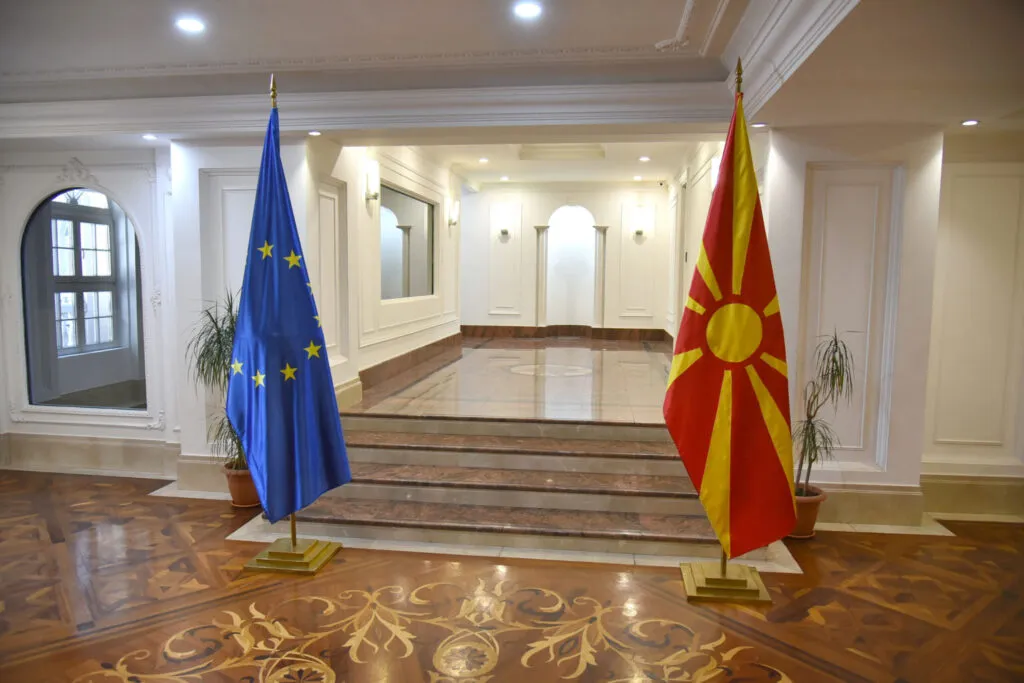
In 2022 Skopje and Tirana opened negotiations together. Now Tirana is being considered for fast-track membership, Skopje is not in...
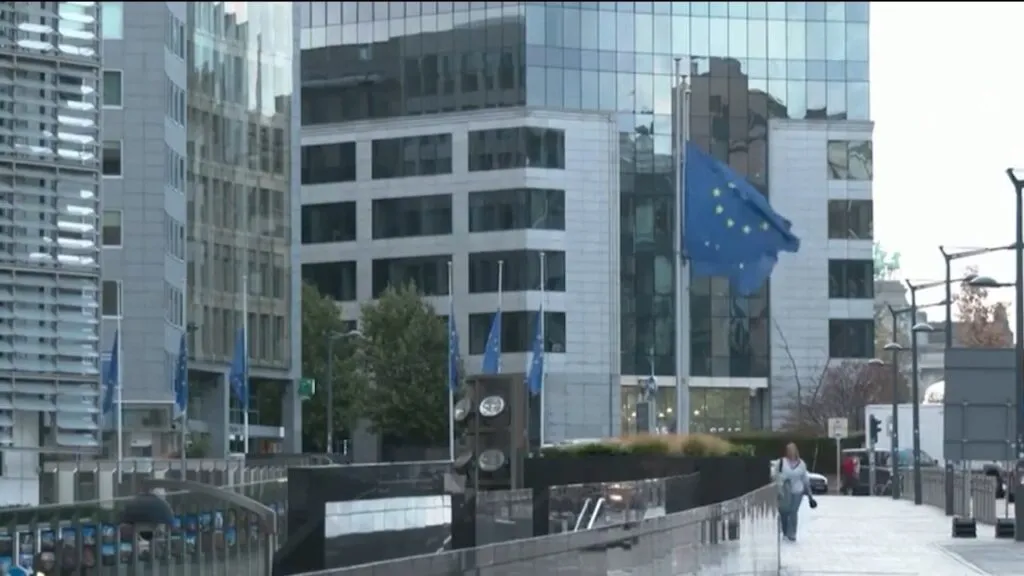
Mickoski calls the report illogical and says his information is different. Montenegro, Albania, Ukraine and Moldova are getting roadmaps, according...
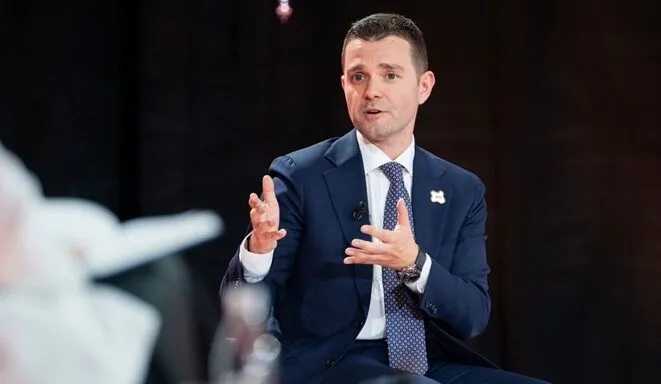
Bilateral meetings with Bulgaria are getting nowhere, the minister says, and the EU has to step in directly. A mediator...
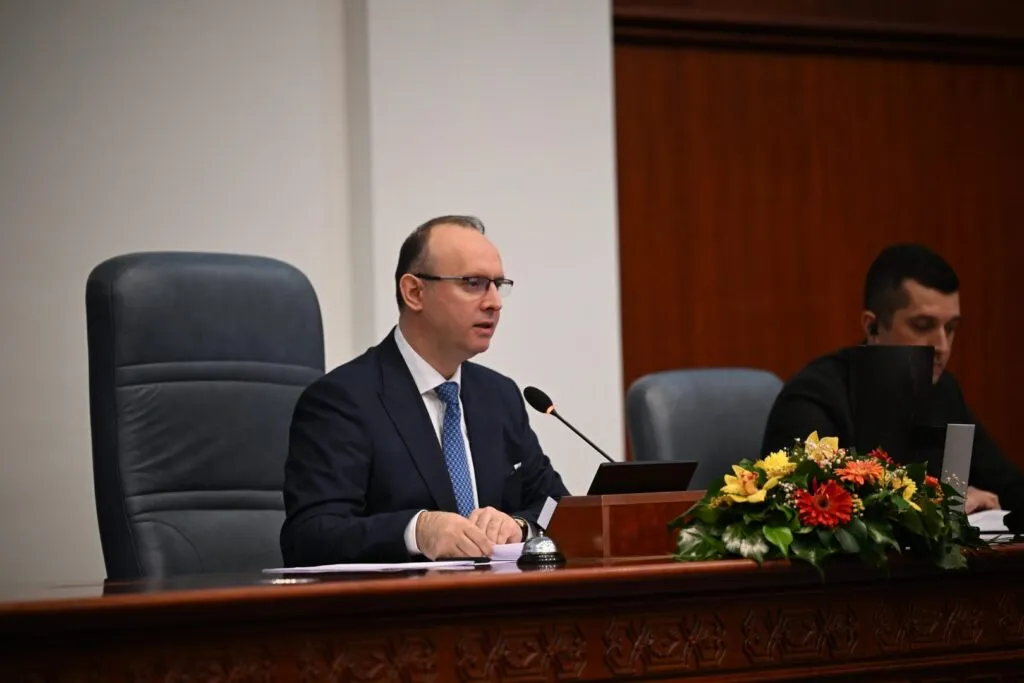
VMRO-DPMNE, SDSM and Vlen are all in the delegation. The press release has an itinerary, but not a single word...
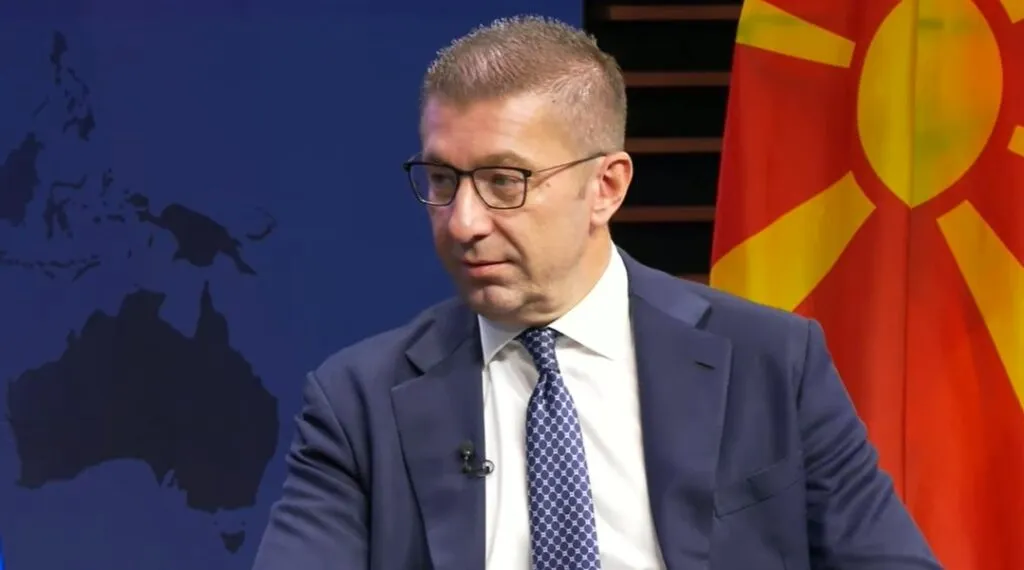
The prime minister wants the EU at the table with Skopje and Sofia. Bulgaria replies that it's open to dialogue...
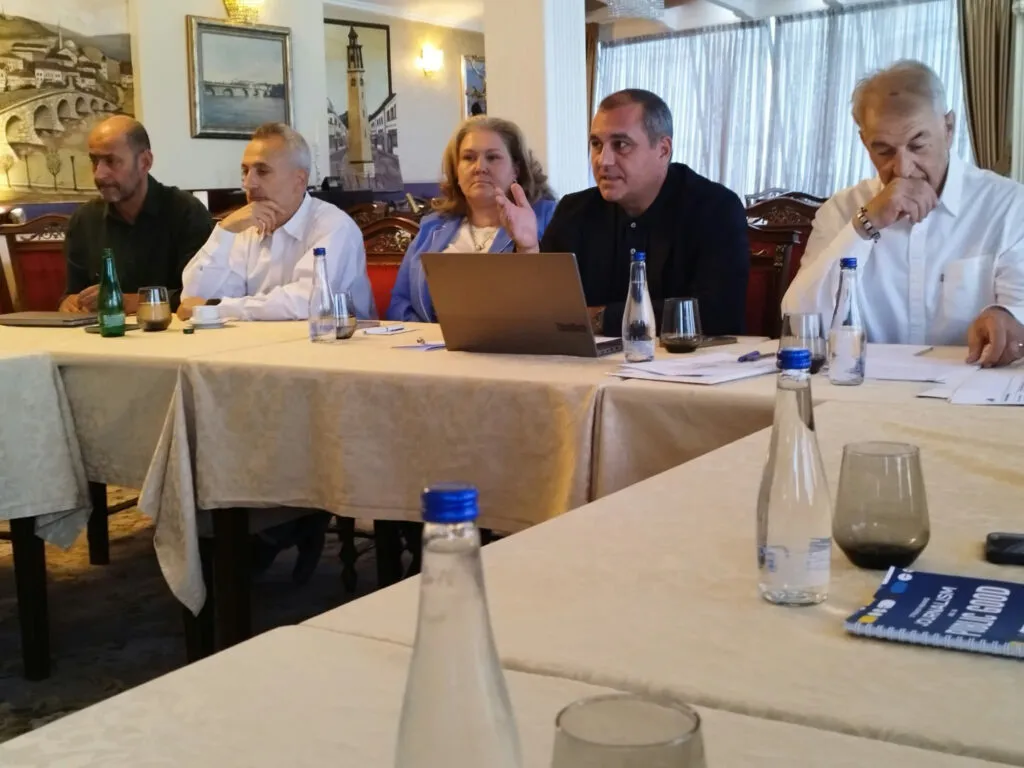
The prime minister says he doesn't interfere in SDSM's internal affairs. Then he spent a long answer on exactly that,...
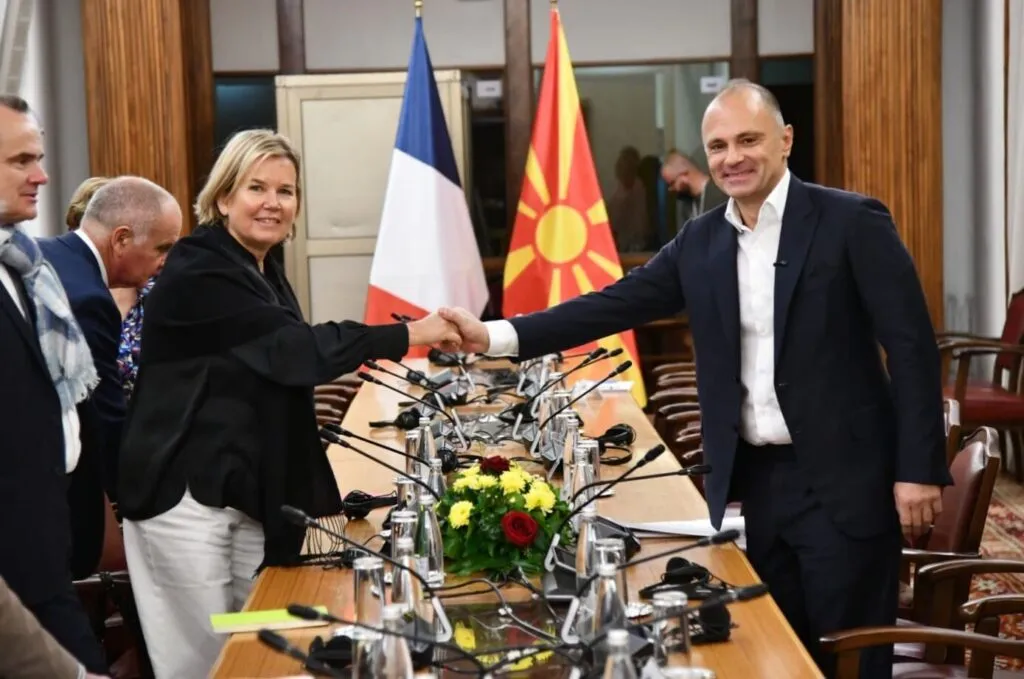
The SDSM leader complained to his guests from Paris about the judiciary, the media and the guarantees the government keeps...
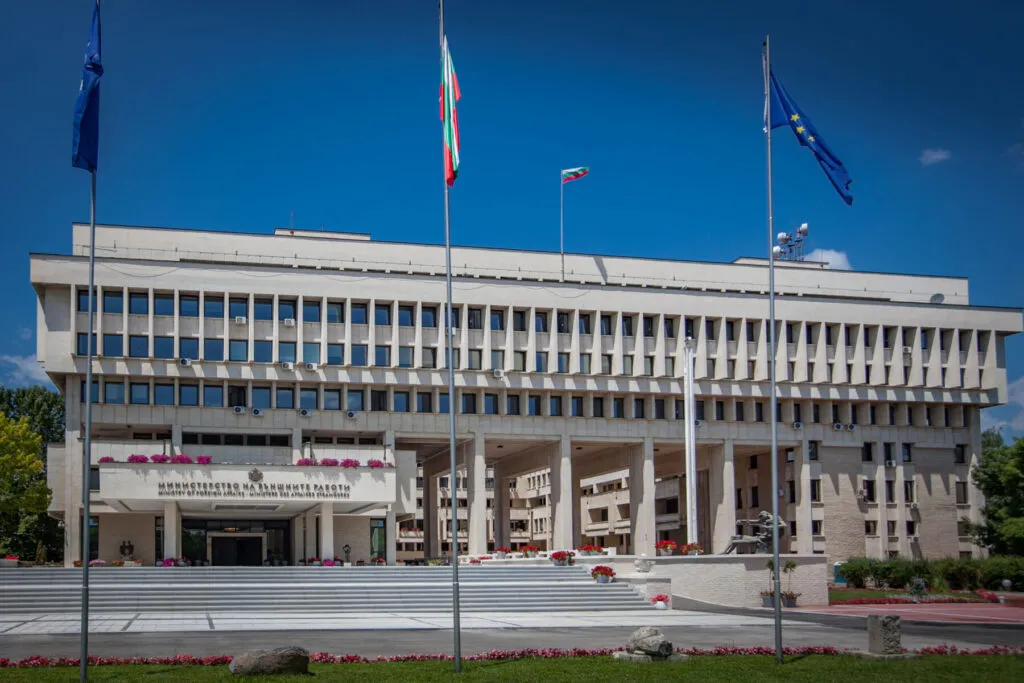
Skopje asks for a witness in the room, Sofia accepts - but the menu has already been printed. Four years...
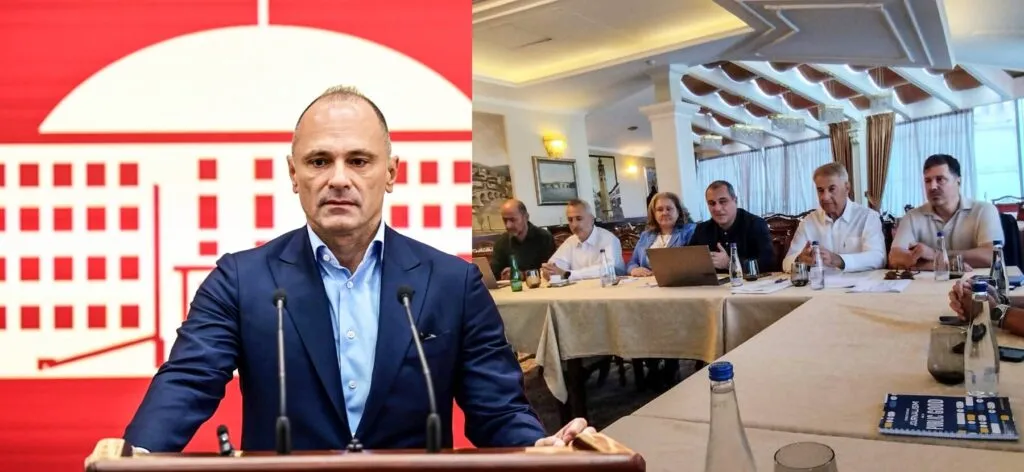
One side accuses the leader of cutting deals with the government; he accuses them of working for the government. Neither...
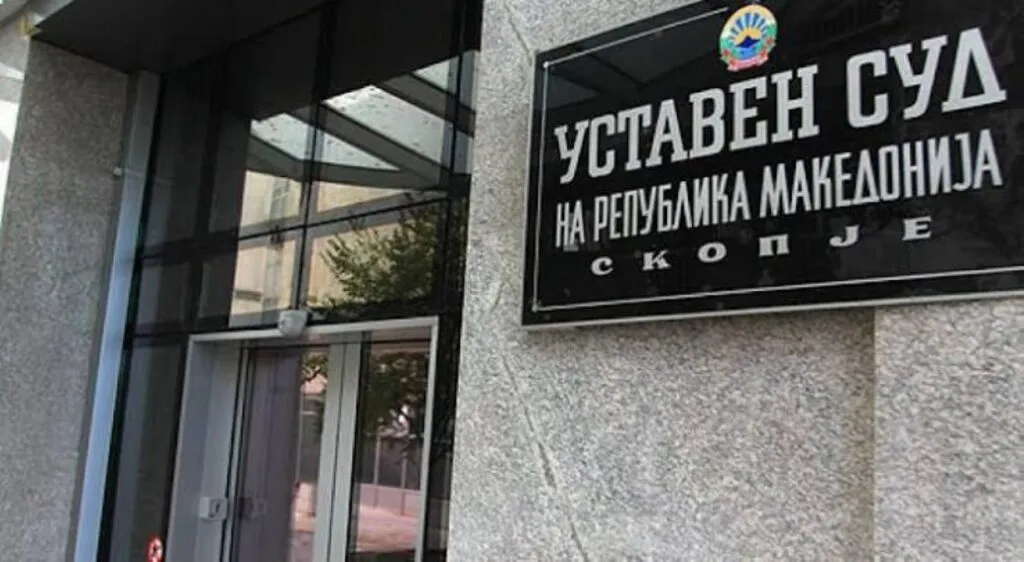
The majority of judges said "res judicata" and closed the matter. Darko Kostadinovski voted against, arguing that new parties start...
This site uses cookies - is that okay? Learn more
Be the first to know when Metla launches something new
Leave your email and we will write when there is a new guide or something new on Metla.