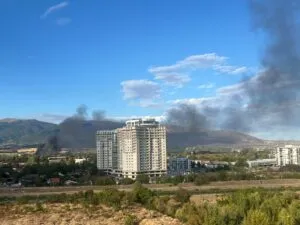
Black Smoke Over Skopje: A Paint and Varnish Warehouse Burned Inside the Old Steelworks
23.09.2026


23.09.2026
23.09.2026

23.09.2026

23.09.2026

23.09.2026

23.09.2026
23.09.2026

22.09.2026

21.09.2026

23.09.2026

23.09.2026

22.09.2026

23.09.2026

23.09.2026

23.09.2026

23.09.2026

22.09.2026

21.09.2026

23.09.2026

23.09.2026

23.09.2026

23.09.2026

23.09.2026

23.09.2026

09.03.2026

27.02.2026

19.02.2026

23.09.2026

22.09.2026

21.09.2026

23.04.2026

23.04.2026

12.04.2026

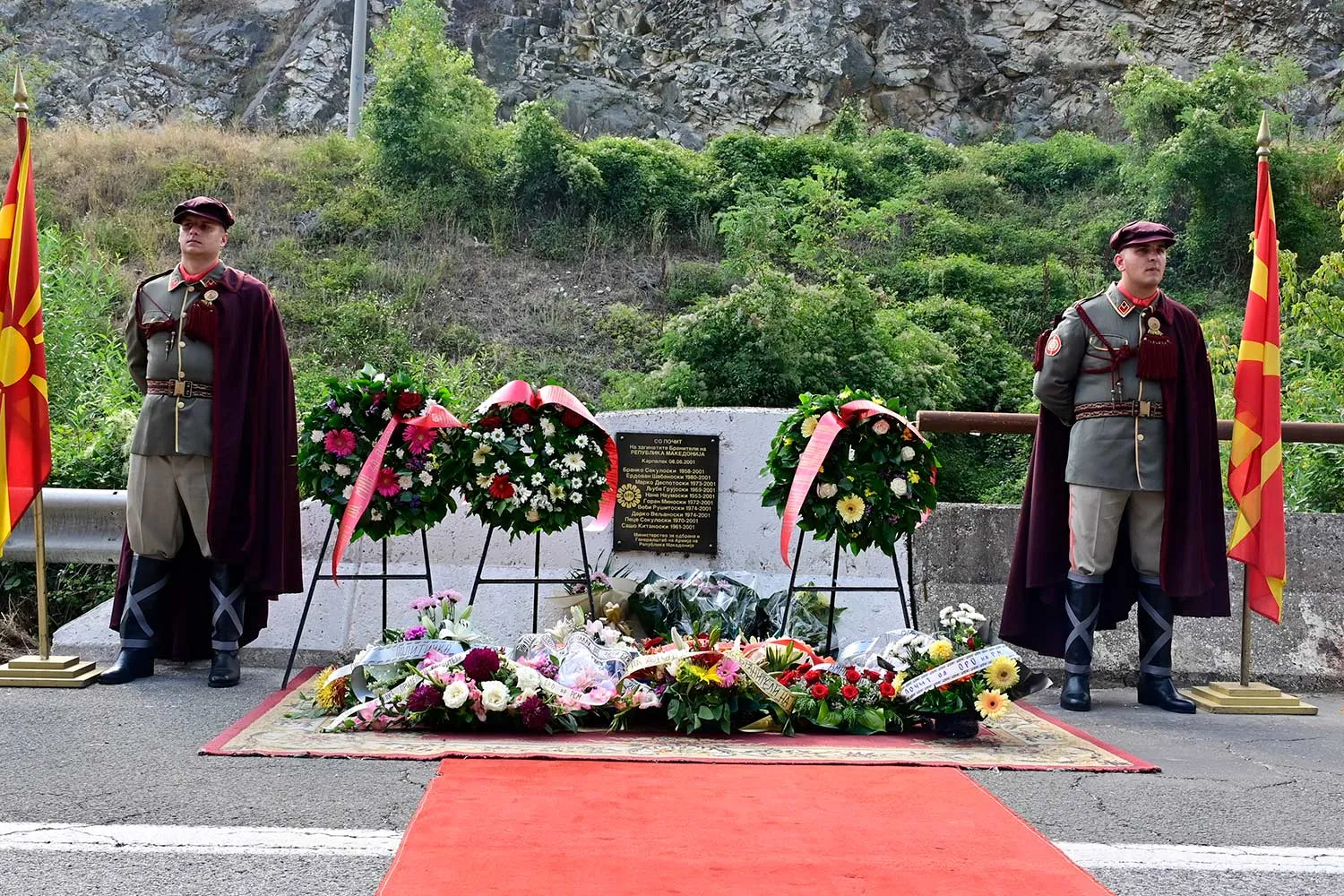
Twenty-five years since Karpalak. Flags, wreaths, an honour guard, ministers. Everything the protocol calls for was done. What is missing is the same thing that is missing every year: a memorial. Not a plaque beside a roadside verge - a memorial.
On 8 August 2001, a convoy carrying army reservists was travelling towards the front near Tetovo when it was ambushed. The bus was hit by a rocket launcher and caught fire. Ten defenders were killed, all of them from Prilep: Sašo Kitanovski, Nane Naumoski, Branko Sekulovski, Marko Despotovski, Erdovan Šabanovski, Ljube Grujoski, Darko Veljanovski, Vebi Rušitovski, Goran Minoski and Pece Sekulovski.
The attack came five days before the signing of the Ohrid Framework Agreement on 13 August 2001. Those five days are the entire difference between a man who lived to see peace and a man who did not.
Flowers were laid at the memorial plaque bearing their names by government delegations led by Education Minister Vesna Janeska and Sports Minister Borko Ristovski, along with representatives of the President's Cabinet, the army, and relatives and friends of the fallen.
Prime Minister Hristijan Mickoski said 8 August remains „forever etched in the collective memory” and that Karpalak is „our shared wound, but also our obligation to remember”. Defence Minister Vlado Misajlovski said the sacrifice of the defenders would never be forgotten.
What does not get said at a commemoration
It was said by Jovan Trajkovski, a participant in the 2001 conflict and a member of the association of military reservists from Prilep, and it is the sentence that hung in the air above every ceremonial speech: „For twenty-four years we have laid flowers on an ordinary verge by the road, without any kind of memorial. Not one government official has had the courage to build a proper monument.”
Twenty-five budgets. Twenty-five anniversaries people arrive at with wreaths and leave with a promise. The question is not whether the state has money for a monument - it has money for far less necessary things. The question is why something that requires no law, no negotiations and nobody else's consent has not been done in a quarter of a century.
The families are not asking for anything anyone needs to grant them. They are asking for a place to come to that is not a verge beside a motorway. If the next anniversary looks the same again, that will no longer be an oversight - it will be a decision.
The latest 10 news from this category
The union says staff have endured insults and threats from the court president for years. She says this is really...
The state audit found a system that responds well and plans badly. The reforms were demanded by the EU screening...
To fine a bar that is too loud, a citizen has to file a complaint at the municipal Registry. The...
In Montenegro the same offence costs up to 2,000 euros. But the fine is not the only problem: Skopje's municipal...

A month and a half ago 4,900 first-graders were missing, now it is 1,500. Nothing decreased - the data simply...

The solution did not come out of a transport study, but out of residents' suggestions. What remains is the most...

Bunjakovec, Kapištec and Gradski zid are getting poison again. An overflowing bin is food, unsealed sewerage is shelter - and...

Every cubic metre from the illegal dumps is a bill sent to everyone. What the statement leaves out is the...

This year's European Mobility Week theme is intergenerational fairness - the decisions made about a city are paid for by...
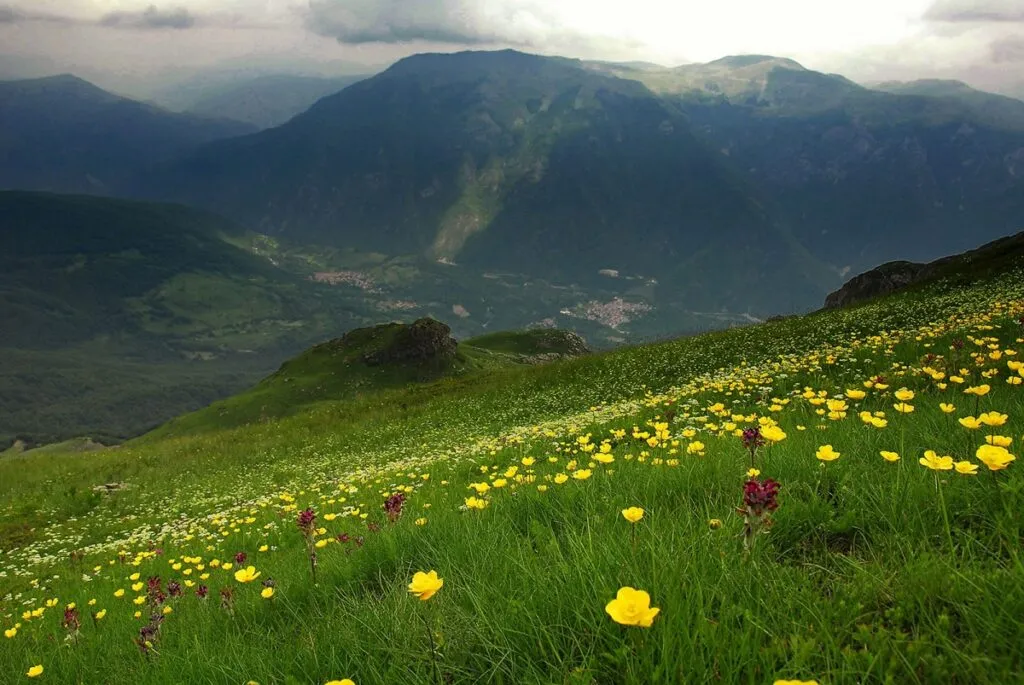
The country's largest national park is run on boundaries from 1952 and zoning from 1988. Pelister and Galichica got new...
This site uses cookies - is that okay? Learn more
Be the first to know when Metla launches something new
Leave your email and we will write when there is a new guide or something new on Metla.