


Four Injured in Crash With Police Vehicle Near Kicevo: The Statement Says Everything Except Who Is at Fault
28.08.2026


28.08.2026

28.08.2026

28.08.2026

28.08.2026

28.08.2026

28.08.2026

28.08.2026

27.08.2026

26.08.2026

28.08.2026
28.08.2026

27.08.2026

28.08.2026

28.08.2026

28.08.2026

28.08.2026

27.08.2026

26.08.2026

28.08.2026

28.08.2026

28.08.2026

28.08.2026

28.08.2026
27.08.2026

09.03.2026

27.02.2026

19.02.2026

28.08.2026

27.08.2026

26.08.2026

23.04.2026

23.04.2026

12.04.2026
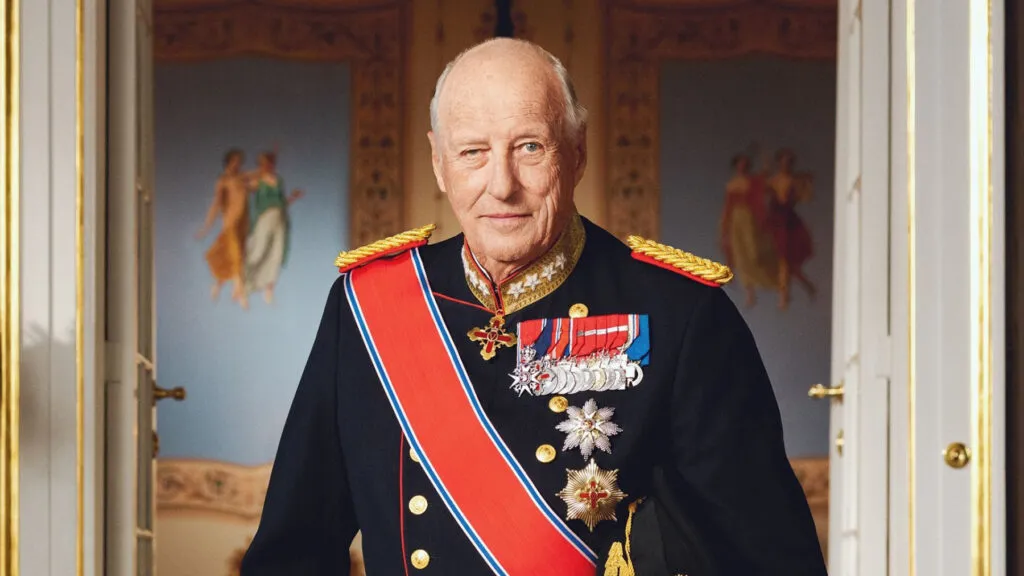
The Norwegian court announced it on Friday morning: King Harald V died at 6:35 at the National Hospital in Oslo, aged 89. He reigned for 35 years - from 17 January 1991 until today - and to his last day he never signed an abdication. That is not a small detail. It is his entire biography gathered into one sentence.
Around him, Europe slowly emptied the room. The queens and kings of his generation stepped back one by one, usually explaining that their health could no longer take it. Harald had more reason than any of them: his final years were a string of infections, and on 17 August this year he was admitted to hospital with haemolytic anaemia. He stayed king anyway. At the Norwegian court they called him "the unbeatable Viking", and that was not marketing - it was a description of somebody who refused to leave before he had to.
The king who changed the equation on who a crown prince is allowed to love
In 1968, Harald married Sonja Haraldsen - a woman without a drop of royal blood. He was the first heir to a European throne to do it. Today that sounds like an ordinary love story; back then it was an institutional shock, because the courts treated blood as a condition, not a detail. What came afterwards - Letizia in Spain, Mary in Denmark, Mette-Marit in Norway itself - followed a path he opened. Monarchies rarely change by decree. They change when somebody simply refuses to accept the rule.
He was born on 21 February 1937, the first prince born on Norwegian soil in 567 years. That sentence alone shows how narrow this dynasty's history is - the Glucksburgs have led Norway only since 1905, which by Balkan measures is yesterday. And his childhood was spent in flight: from 1940 to 1945 he was in exile in the United States while the family ran the resistance story from outside.
The last one who remembers the war first-hand
His death takes with it the last ruler in Europe who lived the Second World War as a child rather than as a history lesson. That is the moment worth noting. Not because kings matter in themselves, but because when the last living witness to an event departs, that event stops being memory and becomes archive. The Balkans knows the difference by heart.
The throne passes to his son Haakon, who from today is Haakon VIII. The heir Ingrid Alexandra is positioned as the next link. The Norwegian monarchy, in a country with the world's richest sovereign wealth fund, carries on as an institution nobody asks out loud the cost of - because the answer, for now at least, does not unsettle anyone enough.
The latest 10 news from this category

The first visit by a CIA director to Russia since 2021. Intelligence assessments say Moscow does not feel cornered -...

The Pentagon is shifting money meant for wages and maintenance into combat operations. When an army has to choose between...
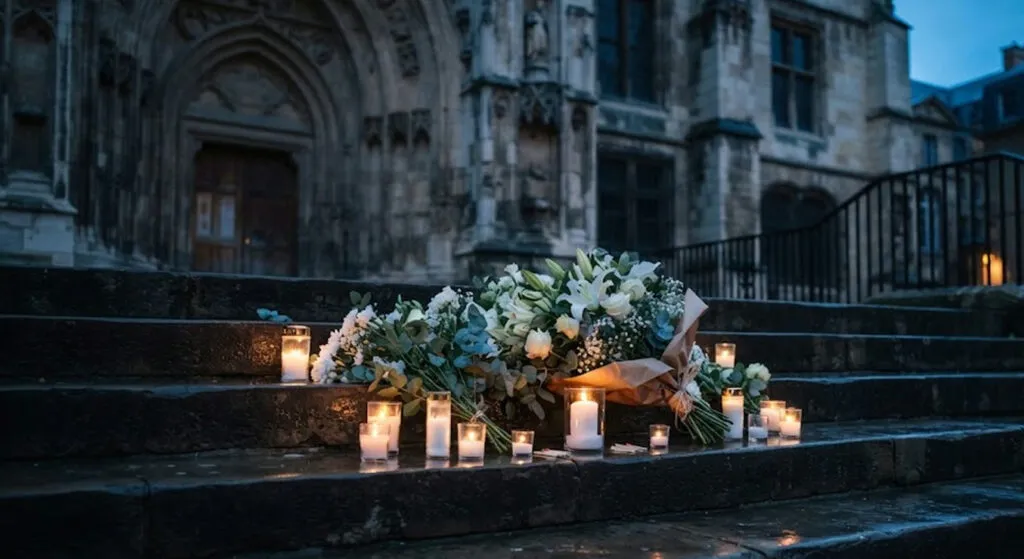
He reigned for 35 years and modernised the monarchy. Support fell from 72 to 54 percent, but the criticism was...

Ratcliffe landed in Moscow unannounced, the content stayed secret, and Trump called the visit semi-routine - then immediately added that...

Seismographs read it as an earthquake. It was not. One hundred and fifteen kilometres later, 80 bridges are gone, and...

Kyiv was reportedly asked to hold fire for a few hours so the American aircraft could pass. That is not...

A Russian analyst openly claims the attacks on European ammunition plants. The German chancellor is still avoiding the word Russia....

The CIA director landed in Moscow on a military aircraft with the message that the Baltics are a red line....

Decree 604 gives the Russian state the right to take temporary control of factories and energy facilities if the owner...
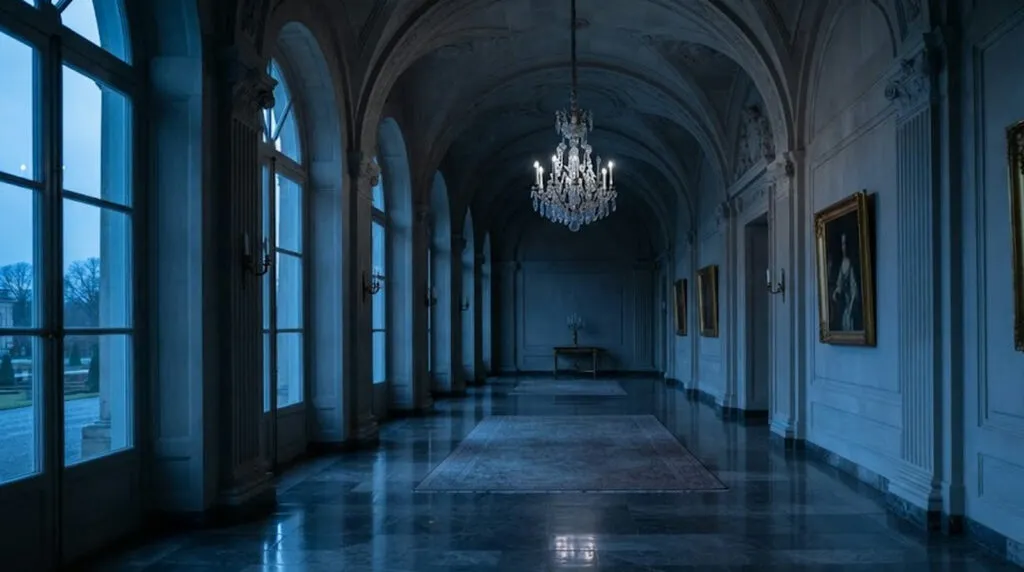
The 89-year-old king has been in hospital for ten days, the regency has passed to Haakon, and Norwegians are writing...
This site uses cookies - is that okay? Learn more
Be the first to know when Metla launches something new
Leave your email and we will write when there is a new guide or something new on Metla.
