


Four Injured in Crash With Police Vehicle Near Kicevo: The Statement Says Everything Except Who Is at Fault
28.08.2026


28.08.2026

28.08.2026

28.08.2026

28.08.2026

28.08.2026

28.08.2026

28.08.2026

27.08.2026

26.08.2026

28.08.2026

28.08.2026

27.08.2026

28.08.2026

28.08.2026

28.08.2026

28.08.2026

27.08.2026

26.08.2026

28.08.2026

28.08.2026

28.08.2026

28.08.2026

28.08.2026
27.08.2026

09.03.2026

27.02.2026

19.02.2026

28.08.2026

27.08.2026

26.08.2026

23.04.2026

23.04.2026

12.04.2026
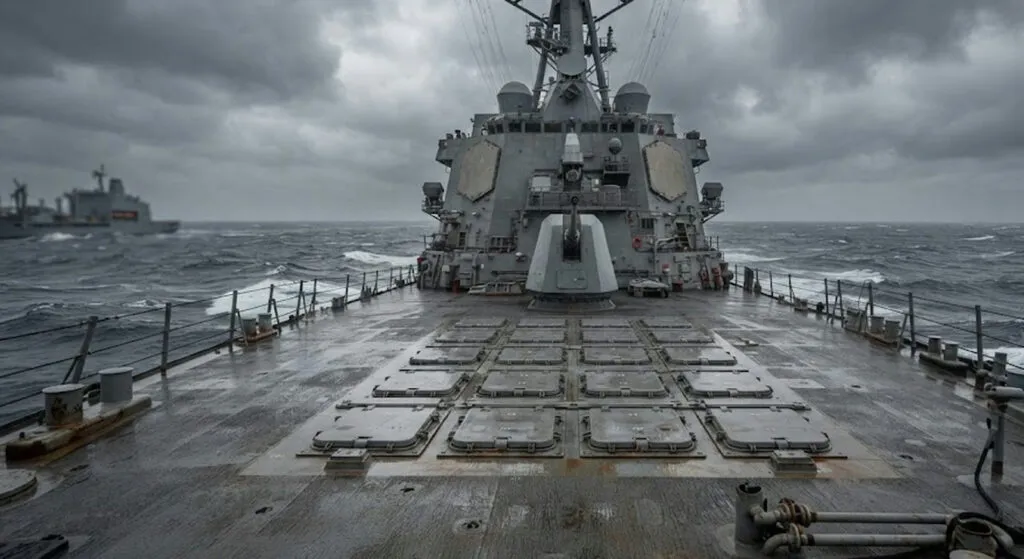
The world's most powerful navy does not have money for wages. That is not a metaphor - the Pentagon is moving funds earmarked for salaries and maintenance to cover combat operations against Iran, and internal documents admit it with the technical phrase "shortfall in payroll accounts".
The navy's 2026 budget is nearly 300 billion dollars, allocated by category: personnel, shipbuilding, weapons systems, operations and maintenance. By law, money may not be shifted between those categories. Officials confirm it is being shifted anyway, just creatively.
Patching it month by month
One navy official explains the mechanism without much decoration: the wage money was redirected to unforeseen operations abroad, and that shortfall is now being covered with unspent funds. "They are literally patching the payroll budget just to pay the wages," he says.
Admiral Daryl Caudle warned Congress in mid-May that the fiscal 2026 budget had not anticipated the operation against Iran and that by July there would be hard decisions about personnel readiness. Defence Secretary Pete Hegseth told legislators the military faces critical shortfalls without additional funds.
67 billion on the table, and Congress is in no rush
The war Donald Trump started on 28 February drained ammunition stockpiles and destroyed strategic bases. The administration requested 67 billion dollars in emergency defence funding, but it is unclear how much of that would go to the navy. Approval is uncertain because public support for the war is falling.
Analyst Todd Harrison says the situation is no accident, and does not believe these are deliberate decisions by the Pentagon's civilian leadership for political reasons - they do not want to look like they are damaging future readiness over a conflict that is becoming a political liability.
Harlan Ullman points to a legal distinction nobody wants to say out loud: unlike the wars in Iraq and Afghanistan, which had congressional authorisation, this one has no formal authorisation. Hence the question of whether Congress is obliged to fund it at all.
When the "Golden Fleet" runs out of fuel for the wages
The situation is particularly awkward for Trump, who campaigned for expanding the navy and for the "Golden Fleet" initiative, including enormous carriers of a class bearing his own name, with systems he personally imposes.
A former military officer who now works for a navy contractor sums up the end of the story in one sentence: they used up the ammunition, destroyed ships and ran out of money.
All of this matters beyond Washington. When an army has to choose between salaries and ammunition, that is the first indicator the war is running longer than the plan. The Balkans has long experience of states that started something without counting all the way to the end - the only difference is the size of the budget evaporating along the way.
The latest 10 news from this category
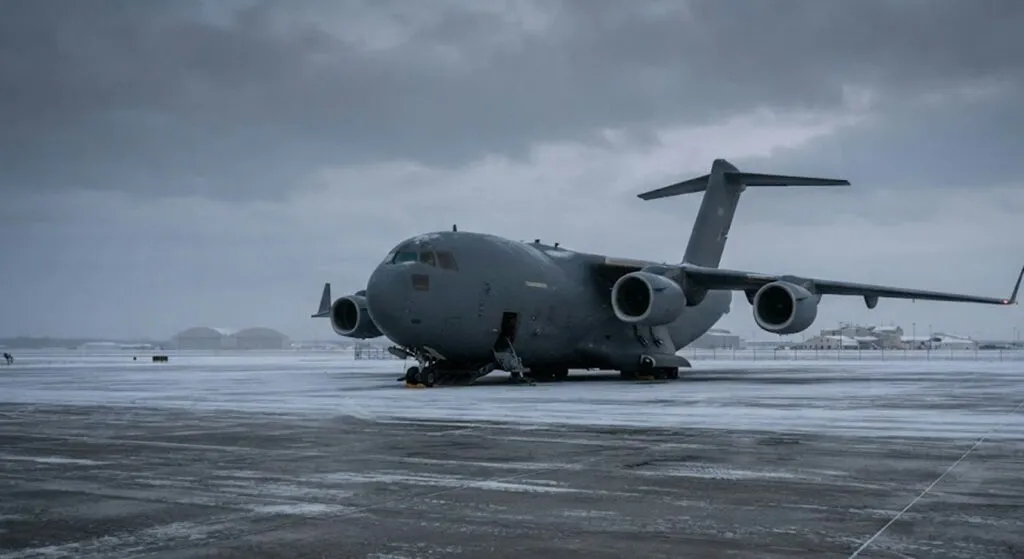
The first visit by a CIA director to Russia since 2021. Intelligence assessments say Moscow does not feel cornered -...

He reigned for 35 years and modernised the monarchy. Support fell from 72 to 54 percent, but the criticism was...

Ratcliffe landed in Moscow unannounced, the content stayed secret, and Trump called the visit semi-routine - then immediately added that...

In 1968 he married a woman without royal blood and changed the equation for the whole of Europe. His death...

Seismographs read it as an earthquake. It was not. One hundred and fifteen kilometres later, 80 bridges are gone, and...

Kyiv was reportedly asked to hold fire for a few hours so the American aircraft could pass. That is not...

A Russian analyst openly claims the attacks on European ammunition plants. The German chancellor is still avoiding the word Russia....

The CIA director landed in Moscow on a military aircraft with the message that the Baltics are a red line....

Decree 604 gives the Russian state the right to take temporary control of factories and energy facilities if the owner...

The 89-year-old king has been in hospital for ten days, the regency has passed to Haakon, and Norwegians are writing...
This site uses cookies - is that okay? Learn more
Be the first to know when Metla launches something new
Leave your email and we will write when there is a new guide or something new on Metla.
