
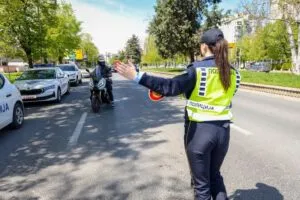
Police officer from Drachevo drove without ever passing a driving test: Who checks the people who check everyone else?
18.10.2026


18.10.2026
18.10.2026
18.10.2026
18.10.2026
18.10.2026

18.10.2026
18.10.2026

18.10.2026

18.10.2026

18.10.2026

18.10.2026

17.10.2026

18.10.2026

18.10.2026

18.10.2026

18.10.2026

17.10.2026

16.10.2026
18.10.2026

18.10.2026

18.10.2026

18.10.2026
18.10.2026

18.10.2026
18.10.2026

18.10.2026

17.10.2026

17.10.2026

15.10.2026

13.10.2026

23.04.2026

23.04.2026

12.04.2026

The director of a state agency in Macedonia published a photo composition in which the convicted war criminal Ratko Mladic stands among figures from Serbian history, captioned "Generals of the heavenly army". The post this man holds is director of the Agency for the Realisation of the Rights of Communities.
Dalibor Kitanovikj published the composition on his profile after the death of the former commander of the Army of Republika Srpska, who died in The Hague while serving a life sentence. In the image, evidently produced with artificial intelligence, Mladic is placed among figures presented as national heroes - among them the Chetnik commander Draza Mihailovic.
The Government asks, but does not dismiss
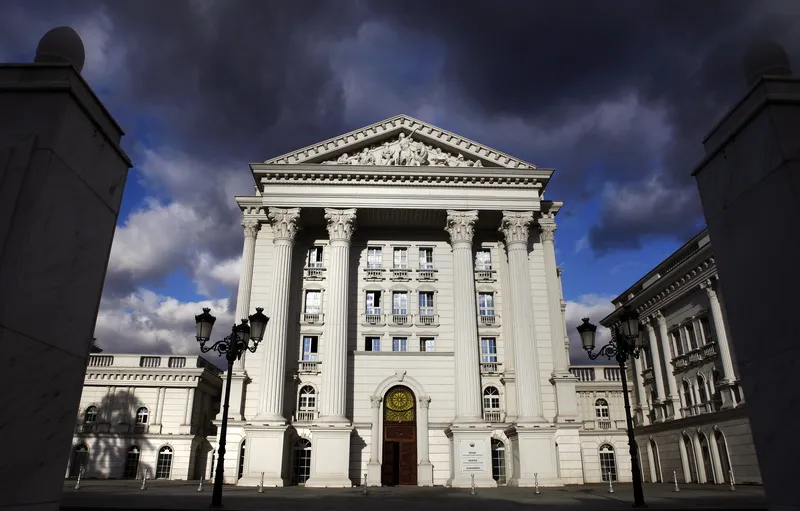
The Government's reaction came in a form worth reading carefully. "The position of Dalibor Kitanovikj is his personal position and is unacceptable to the Government," they announced from Ilindenska, adding that they would ask him to withdraw it - and that if he does not agree with the Government's policies, they expect him to withdraw from the post himself.
So: a man who publicly glorifies someone convicted of the genocide in Srebrenica is offered the chance to think it over and decide whether he wants to stay. Not dismissal. Not suspension pending a finding of responsibility. An offer.
Uranija Pirovska of the Helsinki Committee for Human Rights hit the point. In her view the Government should not be leaving Kitanovikj any room to decide at all - he should answer under article 407-a of the Criminal Code, which provides for liability for approving or justifying genocide, crimes against humanity or war crimes. "There is no room here for him to decide," she wrote.
Institutions that exist only on paper
SDSM called on the Public Prosecutor's Office to act and establish the responsibility of the Minister of Local Self-Government Ivan Stoilkovikj, of his party, and of Kitanovikj. Keti Shterjova asked directly: "What is the Public Prosecutor's Office waiting for? A call from Mickoski?" The party also points to article 319 of the Criminal Code, which sanctions the incitement of national, racial or religious hatred, and to article 20 of the Constitution.
That is the sentence that tells the whole story about the state of institutions here. The law exists. The criminal offence is defined. The competent institution has a name and an address. What is missing is its ability to move without a political signal.
VMRO-DPMNE, responding to the media, said they do not wish to interfere in the internal affairs of other states. The glorification of a man convicted over the Srebrenica massacre, carried out by the director of a Macedonian state agency, on a Macedonian profile, in Macedonian public space - in that formulation it became somebody else's internal problem.
DUI, for its part, turned to Vlen with the question of why they had stayed silent about the glorification of genocide by their coalition partner. "Vlen is not an observer, it is in the Government and is co-responsible for the partners it keeps in power," they announced. When Vlen finally issued a statement, it referred mainly to Kitanovikj's post, and not to the text shared by Stoilkovikj's party.
The entire political scene measured the case with a ruler: how much each of them can react without damaging the coalition. Nobody measured it by the only standard that matters - whether a man who glorifies someone convicted of genocide may run an institution whose job is to protect the rights of communities.
The latest 10 news from this category
A new mayor is being elected on machines that only work thanks to a last-minute deal - even though the...
The Government says NATO allies will be the first to see the evidence about her escape. The question that remains...
The European Council called enlargement a geostrategic investment, and of the whole region it named only Montenegro. Macedonia, a candidate...
One candidate was shown "Cela da e" comments under the prime minister's posts, the other had been photographed at a...
The opposition refuses or hesitates, and from Sofia comes word that the constitutional changes are not up for renegotiation. Is...
Six companies, around 20,000 euros in donations from the brother-in-law, and a lunch for 250 guests as the Strumica municipality's...
Charged over a fatal car crash, with both her passports confiscated, she crossed a border where neither Macedonian nor Bulgarian...
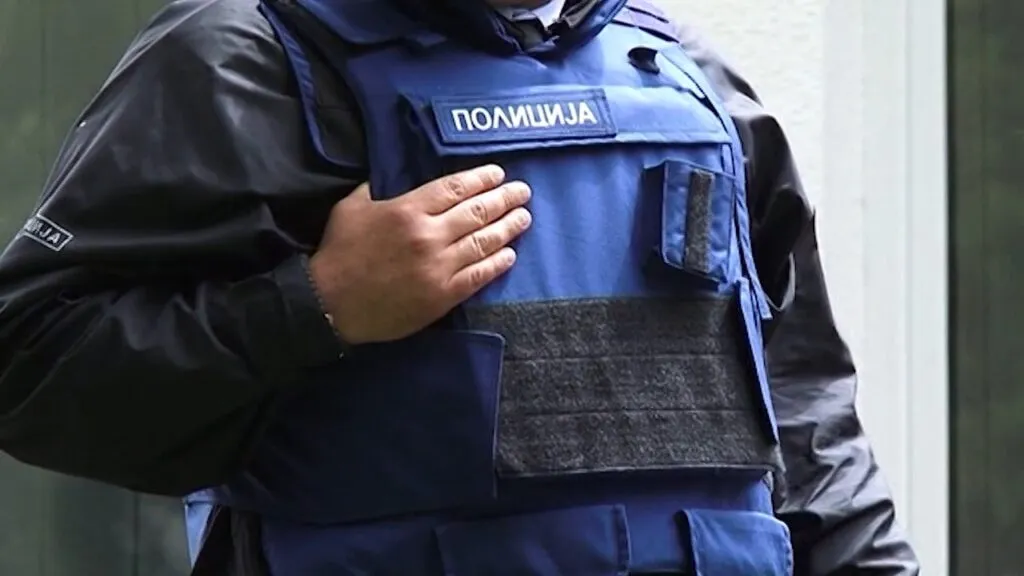
The Interior Ministry acted only after the footage was already circulating, the police union offers its own version, and DUI...
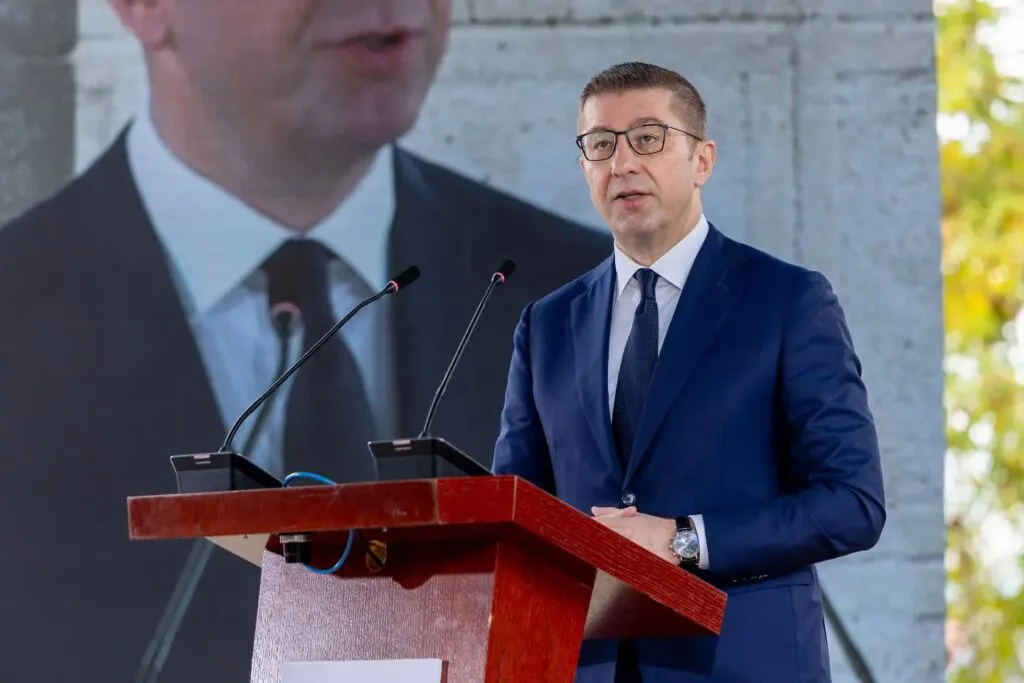
At the 85th anniversary of the uprising, the prime minister called for unity, set a 1,000-euro salary target and attacked...
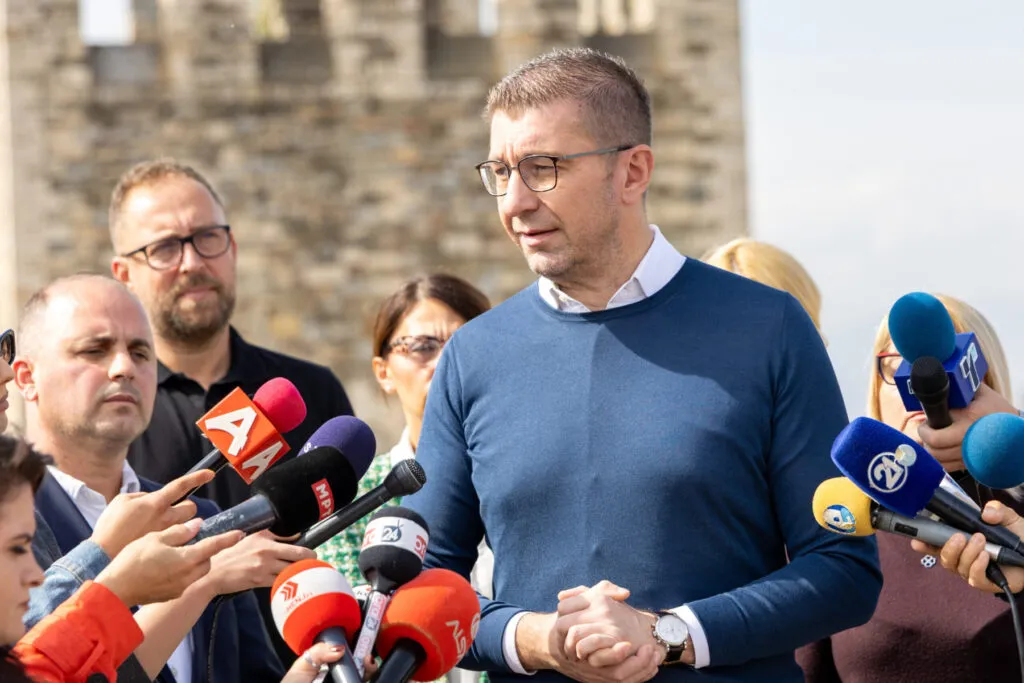
A day after the meeting in Sofia, Bulgaria's foreign minister told MPs there will be no renegotiation and no delayed...
This site uses cookies - is that okay? Learn more
Be the first to know when Metla launches something new
Leave your email and we will write when there is a new guide or something new on Metla.