
A sniper rifle, automatic weapons and an ISIS flag from 12 locations in Skopje: intelligence agency talks of radical imams and recruiting young people
30.09.2026


30.09.2026

30.09.2026

30.09.2026

30.09.2026

30.09.2026

30.09.2026

30.09.2026

29.09.2026

28.09.2026

30.09.2026

30.09.2026

29.09.2026

30.09.2026

30.09.2026

30.09.2026

30.09.2026

29.09.2026

28.09.2026

30.09.2026

30.09.2026

30.09.2026

09.03.2026

27.02.2026

19.02.2026

30.09.2026
29.09.2026

28.09.2026

23.04.2026

23.04.2026

12.04.2026

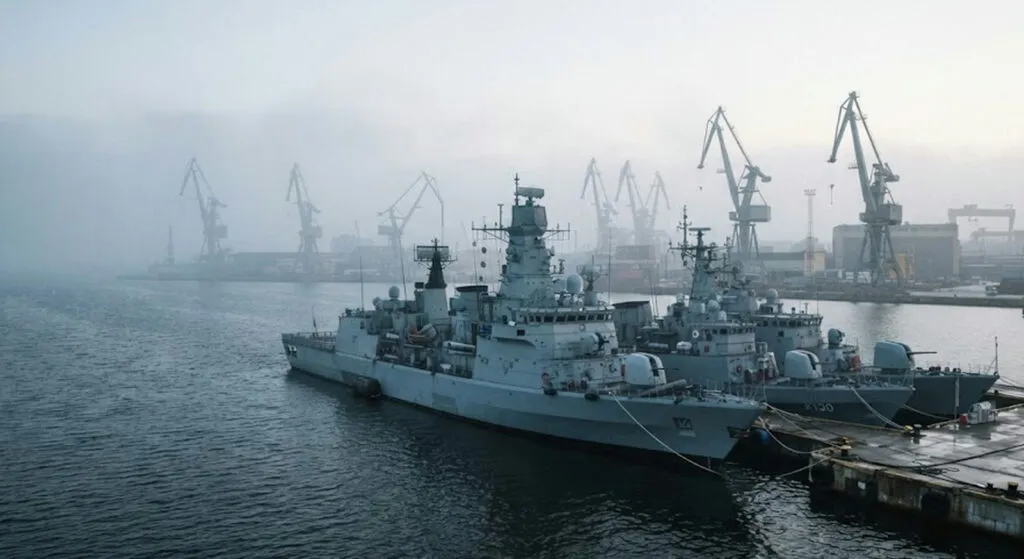
The Russian embassy in London has put out a message with no diplomatic trimmings: any military attempt by Britain or NATO to attack or blockade the Kaliningrad region will be met "with all the means at Russia's disposal, including nuclear weapons." According to Moscow, it wouldn't be a local incident but an attack on the territory of the Russian Federation - with consequences for the whole Alliance.
"Those who advocate plans to blockade or attack Kaliningrad should not delude themselves about the possible consequences," the embassy said. In the same breath, Moscow repeated that it isn't seeking military confrontation with NATO and has no intention of attacking European countries - but that it will respond if the Alliance moves against Russian territory first. The reassurance about peace and the nuclear threat sit in the same statement, two lines apart.
Why Kaliningrad? A glance at the map is enough. The Russian exclave is wedged between Poland and Lithuania, two NATO members, and has no land link to the rest of Russia without crossing someone else's territory. It hosts part of the Baltic Fleet, missile systems and air defences. The land strip between Kaliningrad and Belarus, known as the Suwałki Gap, runs between Poland and Lithuania and has for years been seen as one of the most sensitive points on NATO's eastern flank.
The tensions didn't start yesterday. Back in May, the Russian Foreign Ministry claimed NATO was using military activity to work out scenarios for isolating the region. A particularly sharp reaction followed remarks by Lithuanian Foreign Minister Kęstutis Budrys, who said NATO had the means, in case of conflict, to destroy Russia's air and missile defence bases in Kaliningrad and "break through" Russian defences there. Moscow presented that as proof that the West is thinking about direct strikes on Russian territory. NATO officials, for their part, have not announced any decision on a blockade.
Putin had been even more direct. "Such actions would simply lead to an unprecedented escalation of the conflict, take it to a completely different level and expand it into a major armed conflict," he warned at the time. And asked about the statements from Lithuania, he answered more sharply still: "The Russian Federation has all the means to raze to the ground anyone who tries to do that."
What's new in this story is one sentence. Until now, the message was that a blockade would trigger a Russian military response. Now the embassy has explicitly mentioned nuclear weapons too. When a nuclear threat becomes a standard paragraph in a diplomatic statement, does the world still read it as a threat - or already as routine?
The Balkans know how quickly a strip of land, a corridor or a road between two states stops being a point on the map and becomes the pretext for something much bigger. Kaliningrad is exactly that kind of point - only this time there are nuclear arsenals on the table, not rifles.
The latest 10 news from this category
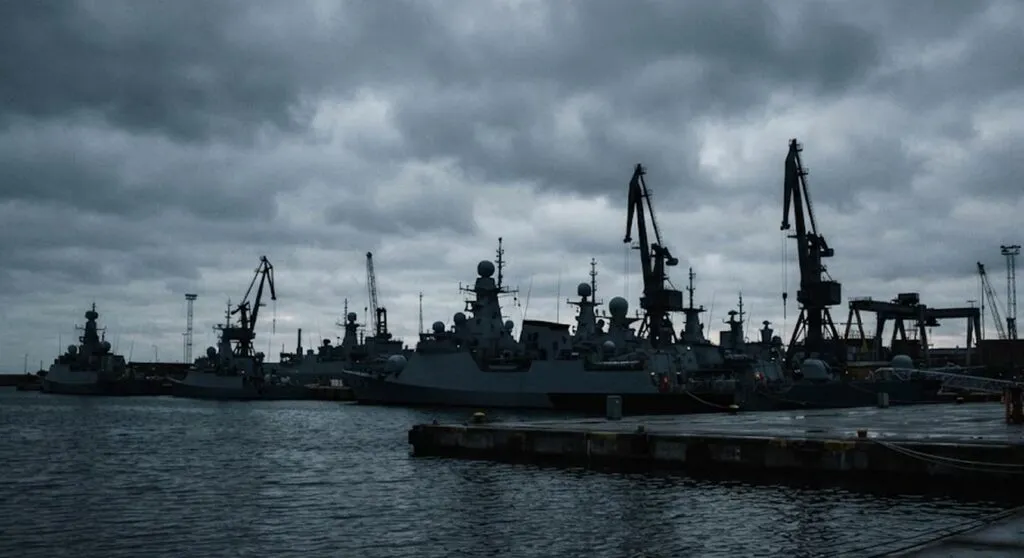
An informal document, sent via the embassy in Brussels, carrying the heaviest message possible. NATO condemns "irresponsible nuclear rhetoric" -...
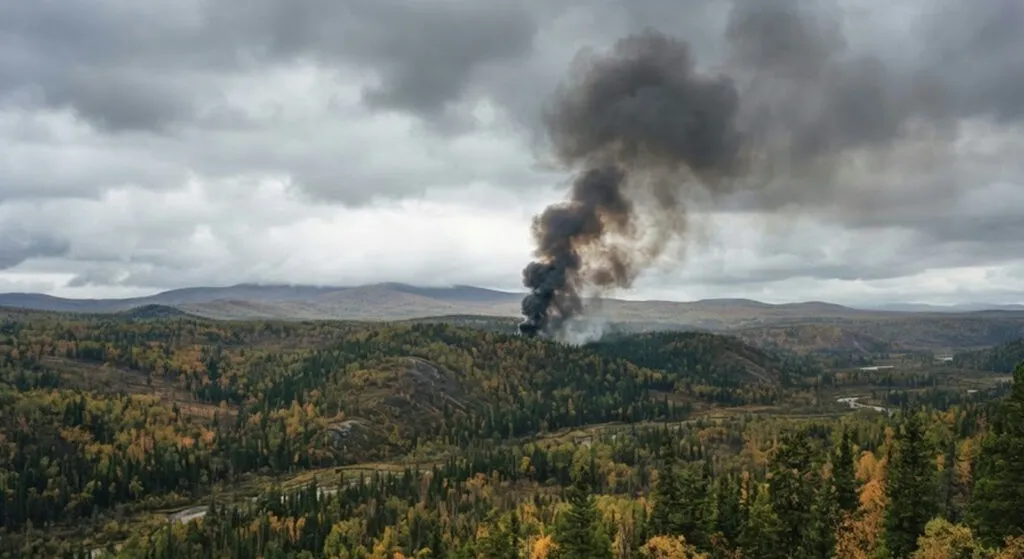
First a "transport plane," then a strategic bomber from the nuclear triad - the version changed fast. Six dead, and...
While Kyiv and Seoul argue over two prisoners, Pyongyang is picking thousands more soldiers for training and deployment to Russia....
The offensive, fought almost entirely under an information blackout, has liberated three more villages and 51 square kilometres. The general...
Kyiv spent 18 of 24 hours under air raid sirens, one dead and 19 injured, three of them children. Belgrade...
Russian channels say the target was the logistics corridor to Europe; Ukrainian ones say a new jet-powered Geran was flying....
Washington is still silent, Tehran is expected to applaud, and the Kurdish prime minister calls the withdrawal "shameful". The Balkans...
More than half the drones were jet-powered, and the fastest thing in the sky was an unconfirmed report of a...
Tehran offers to open Hormuz within seven days, Washington answers with a photo and a plan for bombs after the...

Telegram channels claim Putin is considering a Defense Ministry proposal, and Moscow confirms nothing. "It's not on the agenda," the...
This site uses cookies - is that okay? Learn more
Be the first to know when Metla launches something new
Leave your email and we will write when there is a new guide or something new on Metla.