

"That's not my job": the trial of the 13 Puls police officers restarted from scratch, and witnesses describe help being refused
22.09.2026


22.09.2026

22.09.2026
22.09.2026

22.09.2026
22.09.2026

22.09.2026

22.09.2026

21.09.2026

20.09.2026

22.09.2026

22.09.2026

21.09.2026

22.09.2026

22.09.2026
22.09.2026

22.09.2026

21.09.2026

20.09.2026

22.09.2026

22.09.2026

22.09.2026
22.09.2026

22.09.2026

22.09.2026

09.03.2026

27.02.2026

19.02.2026

22.09.2026

21.09.2026

21.09.2026

23.04.2026

23.04.2026

12.04.2026

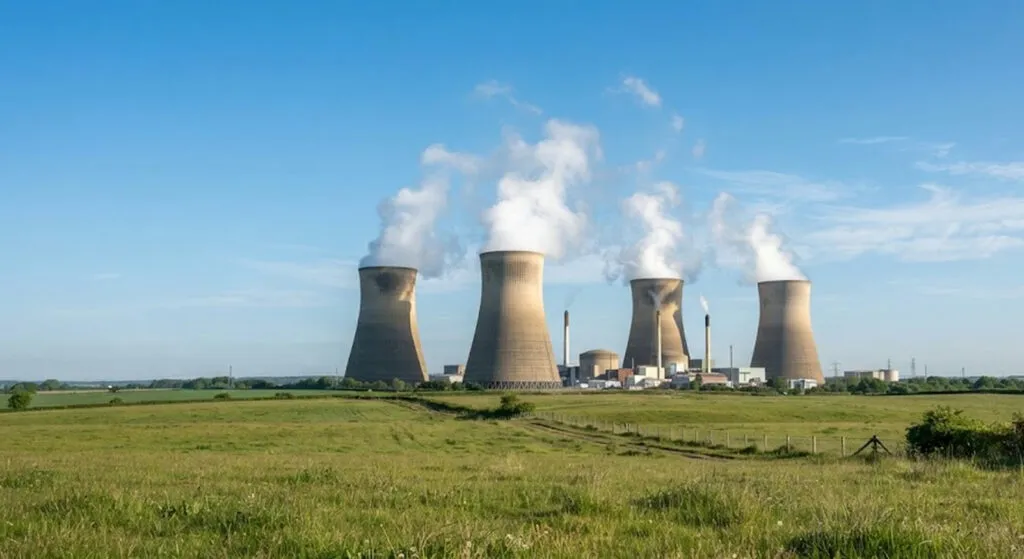
The American nuclear reactor firm Kairos Power and South Korea's Samsung C&T have signed a deal worth up to 100 million dollars (around 92 million euros) to build a 50-megawatt demonstration reactor. Of that money, 70 million is an equity investment and the rest is engineering work instead of cash. The buyer of the electricity is known in advance: Google.
The deadline is 2030, and the ambition is larger - around 500 megawatts of nuclear capacity for Google by 2035, under a partnership agreed back in the autumn of 2024. Kairos is already building two reactors in Oak Ridge, Tennessee: Hermes 1 as a low-power demonstration and Hermes 2 as the commercial version. The US Nuclear Regulatory Commission approved both in late 2024.
The technology is not conventional. Hermes 2 uses a high-temperature fluoride-salt-cooled reactor and TRISO fuel - uranium sealed in ceramic and carbon layers inside pebbles the size of a billiard ball. The aim of that design is to make a core meltdown physically harder and to reduce the risk of a pressure-related accident. Samsung C&T, for its part, brings experience from around twelve reactors built or supported worldwide.
It is worth pausing on the order of events here. This is not a state building a nuclear plant and then selling the electricity on a market. This is one company that bought the entire output in advance - before it is built, before it is switched on. When data centres started eating more power than the grids can supply, the biggest players did not reach for savings. They reached for their own power stations.
Whether that is good or bad depends on where you stand. In engineering terms, private money financing a new generation of reactors is exactly what the nuclear industry has been waiting decades for. But politically, something is being born here that regulators still have no words for: infrastructure of national significance, built, paid for and reserved in advance by a single corporate buyer. Who decides what happens to those megawatts if the grid needs them tomorrow?
The latest 10 news from this category
Tinex, SuperTinex, Konto and Spot move to a Pristina-based group with 235 million euros in turnover. The commission saw no...

The WHO has declared loneliness a global health problem linked to around 870,000 deaths a year. On America's east coast...
Porsche, Alaska Airlines and J.B. Hunt are not buying startups - they are commissioning them. When innovation moves inside the...

Sold for two billion, blocked by the state, bought back by its own investors - and now worth twice as...
An eight-year-old firm that started out mining crypto has tripled its value in ten months. It did not discover anything...
The price of uranium has jumped 75 percent in five years, and the list of countries that mine it reads...
Exein raised 270 million dollars and its valuation jumped thirtyfold in two years. The European regulation coming into force in...
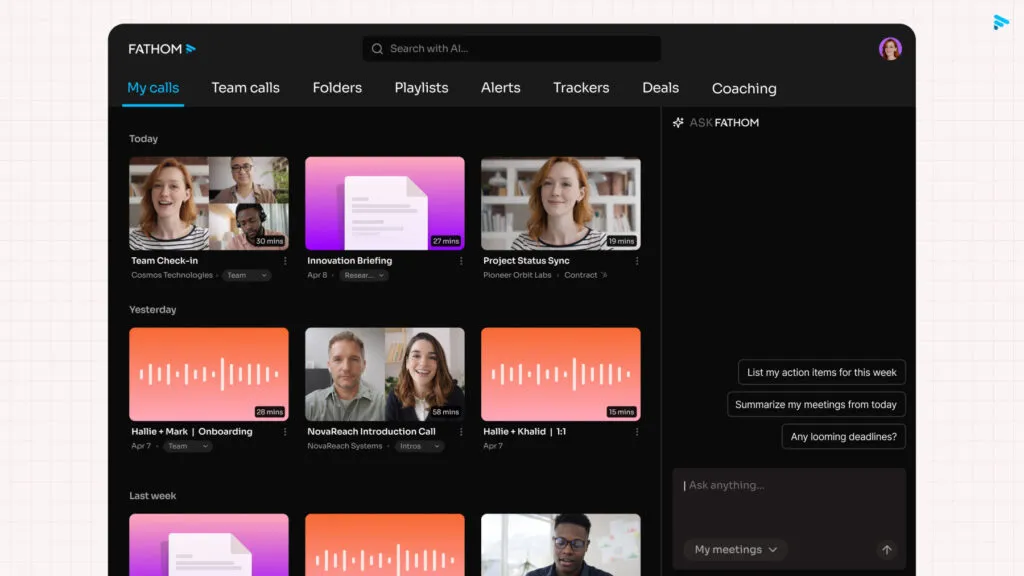
A startup valued at 94 million dollars changed hands, and both sides said openly what was being bought - not...
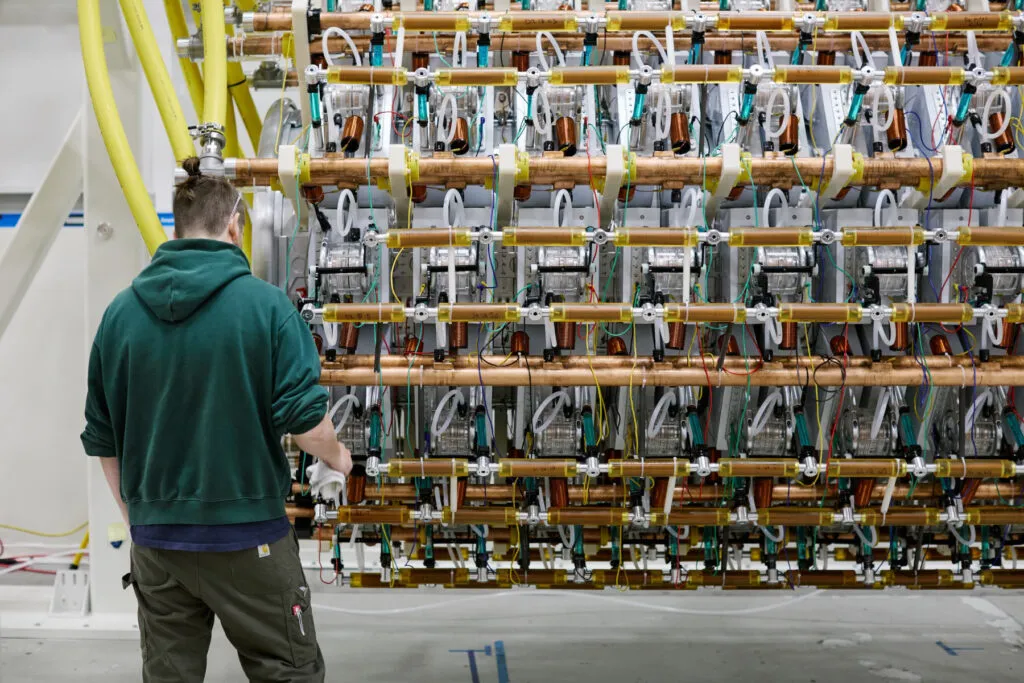
A technology sold for decades as the answer to the climate is now taking money from the defence industry. The...
The board voted, the founder kicked the administrators out of Slack and held out for three days. What does a...
This site uses cookies - is that okay? Learn more
Be the first to know when Metla launches something new
Leave your email and we will write when there is a new guide or something new on Metla.
