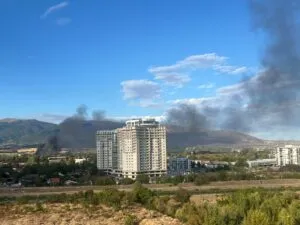
Black Smoke Over Skopje: A Paint and Varnish Warehouse Burned Inside the Old Steelworks
23.09.2026


23.09.2026
23.09.2026
23.09.2026

23.09.2026
23.09.2026
23.09.2026
23.09.2026
22.09.2026

21.09.2026

23.09.2026

23.09.2026

22.09.2026

23.09.2026

23.09.2026

23.09.2026
23.09.2026
22.09.2026

21.09.2026
23.09.2026

23.09.2026
23.09.2026

23.09.2026

23.09.2026

23.09.2026

09.03.2026

27.02.2026

19.02.2026
23.09.2026
22.09.2026

21.09.2026

23.04.2026

23.04.2026

12.04.2026

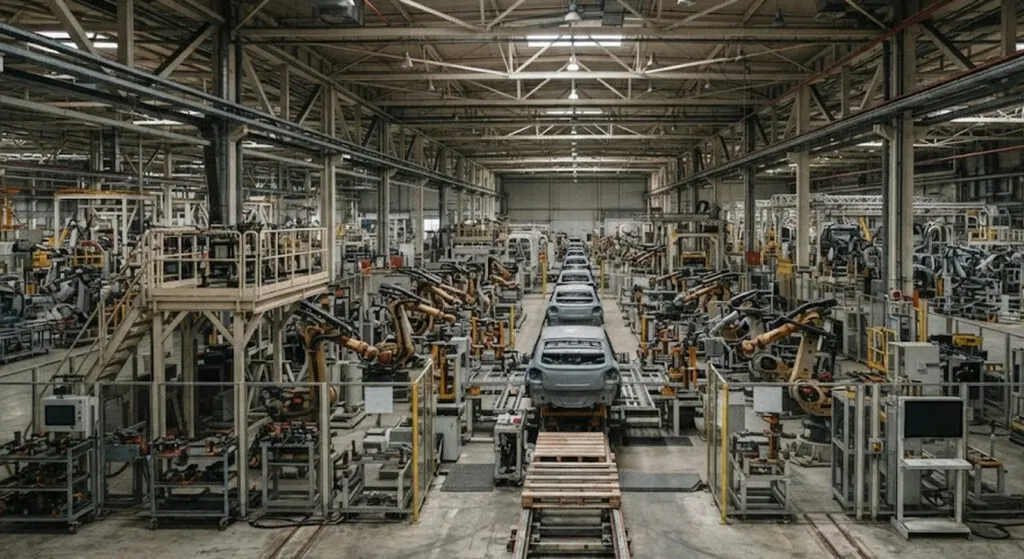
When a German carmaking giant tells its workers to "work more for the same pay", that is no longer negotiation - it is an ultimatum with a deadline. And when the same sentence mentions closing plants, it becomes clear that the model which for decades was a synonym for secure work in Europe has started to crack.
Mercedes-Benz management warned that two of its plants in Germany could be closed if no agreement on cost cuts is reached. The message was delivered by Michael Schiebe, the board member responsible for production, at a staff meeting in Sindelfingen near Stuttgart. A company spokesperson confirmed the statement - so this is not a rumour floated, but an official position.
What he actually said
"Our clear goal is to keep all locations in Germany. But to achieve that, we have to agree on cost-reduction measures acceptable to everyone. If we do not manage it, we will be forced to close one body shop and one powertrain plant," Schiebe said. Note the construction: the goal is to keep everything, but the condition is that workers give way. Responsibility has been transferred before the real negotiations have even started.
The crisis could directly hit several key industrial complexes. Vehicles are assembled in Sindelfingen, Rastatt and Bremen, while components and powertrain systems are produced at seven more sites across the country, among them Berlin, Hamburg and Untertürkheim.
175,000 people in 280 places
The announcement landed exactly as mass protests were running through the German car industry. Around 175,000 workers protested at 280 locations, among them Stuttgart, Wolfsburg, Ingolstadt and Munich, demanding job security from manufacturers such as Volkswagen and Mercedes - a figure released by the powerful IG Metall union.
As part of the savings drive, Mercedes launched what it itself calls a "productivity offensive" and formally proposed longer working hours for the same pay to workers at its German factories. The language is carefully chosen: "productivity offensive" sounds like a strategy, while what it describes is more hours for the same money.
The question neither Schiebe nor the union asked out loud remains: if a company this size demands longer hours for the same pay, what is left for the smaller firms that depend on its orders? That answer is usually not announced at a staff meeting in Sindelfingen - it arrives quietly, through cancelled contracts.
And the sentence "work more for the same pay" is a formulation anyone who has ever worked shifts recognises instantly, in whatever language it is said. The only difference is whether there is a union able to put 175,000 people on the street - or not.
The latest 10 news from this category
48,499 denars, or about 789 euros. Croatia is at 1,555, Slovenia at 1,695. Only Kosovo is left below us.
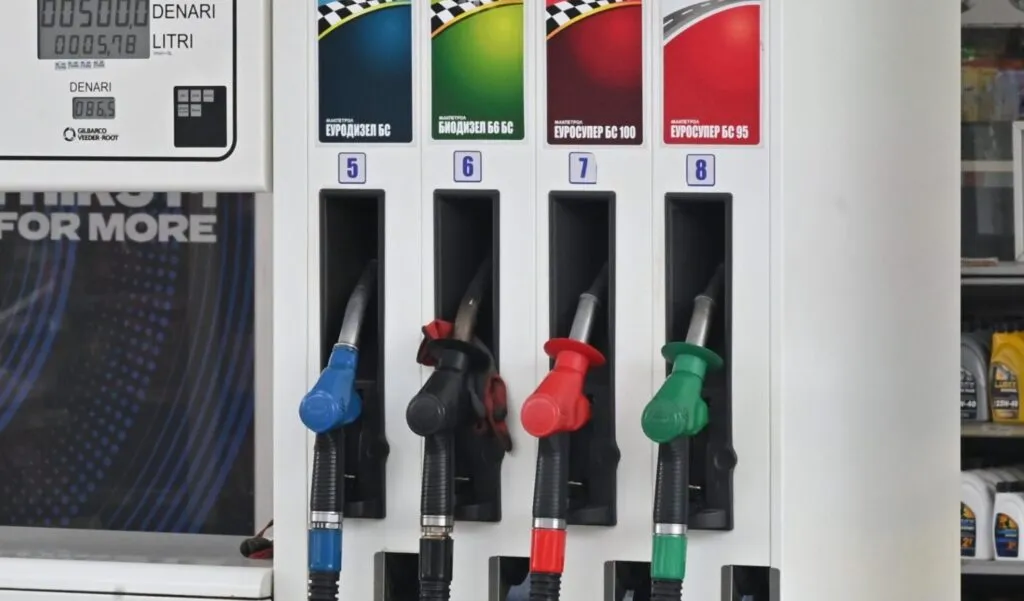
Eurodiesel hit 104.50 denars while petrol got cheaper. A company burning 100,000 litres a month pays 550,000 denars more from...
Extra-light heating oil jumped 78.91 percent right before winter. The only remaining instrument is the reduced VAT - and it...
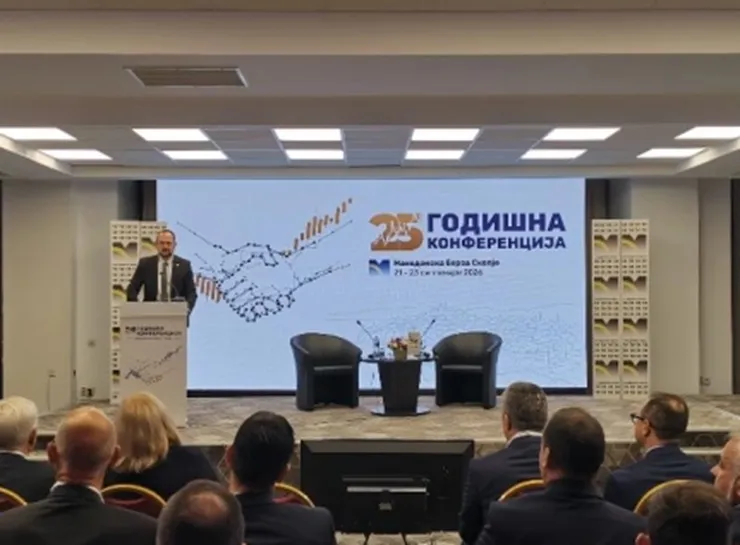
Classic trading fell 27 percent, block transactions jumped 159. The problem is not a shortage of money - it is...

The new GPT-6 models cost half of their predecessors, with accuracy comparable to the top of the series. When a...

The labs have hit the limit of what can be scraped off the internet for free, so now they buy...
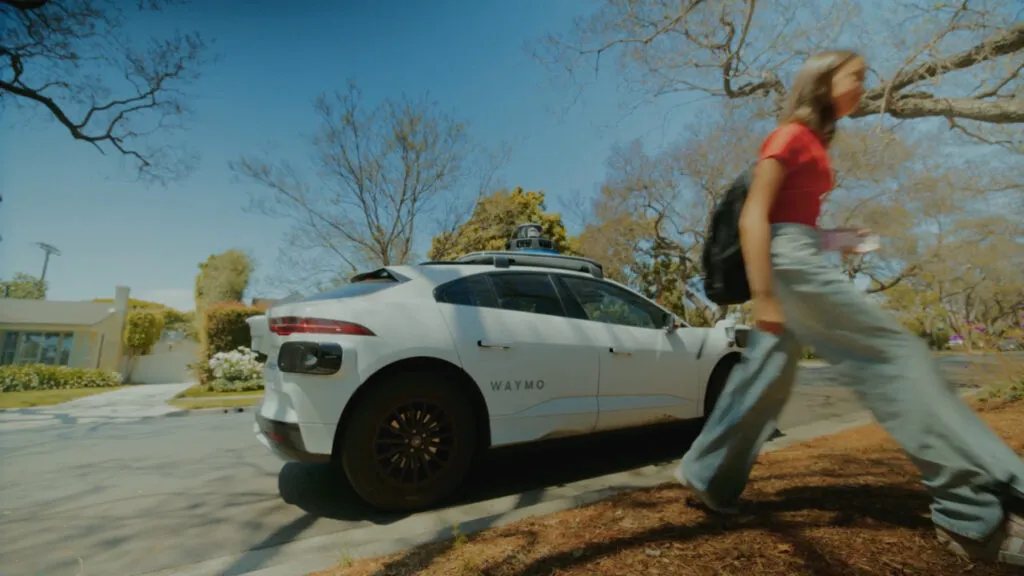
From 13 upwards, with the account tied to a parent and up to three guests in the vehicle. The company...
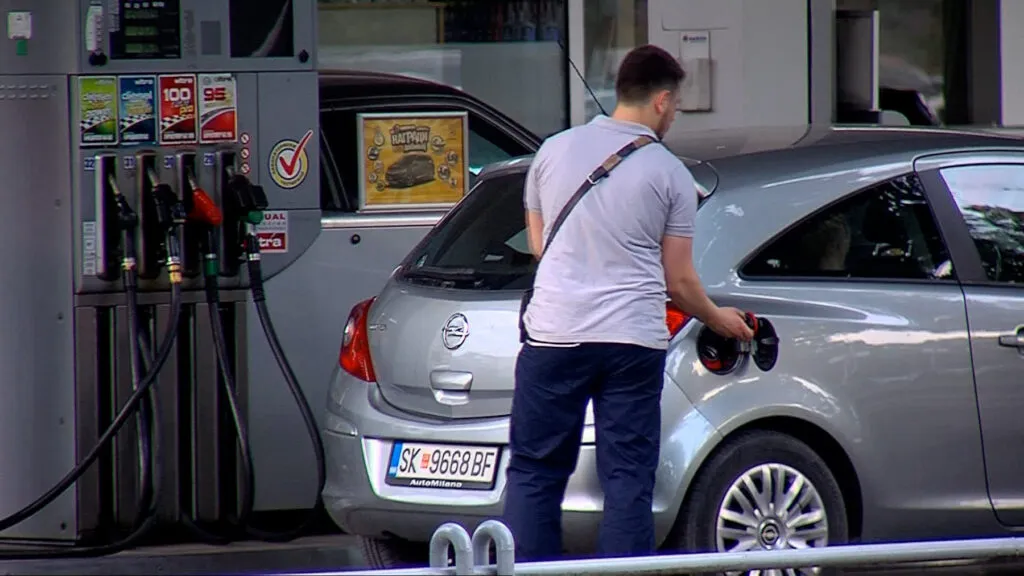
From midnight a litre of eurodiesel costs 104.50 denars, while petrol drops 1.50 denars. The explanation is not in Brent,...
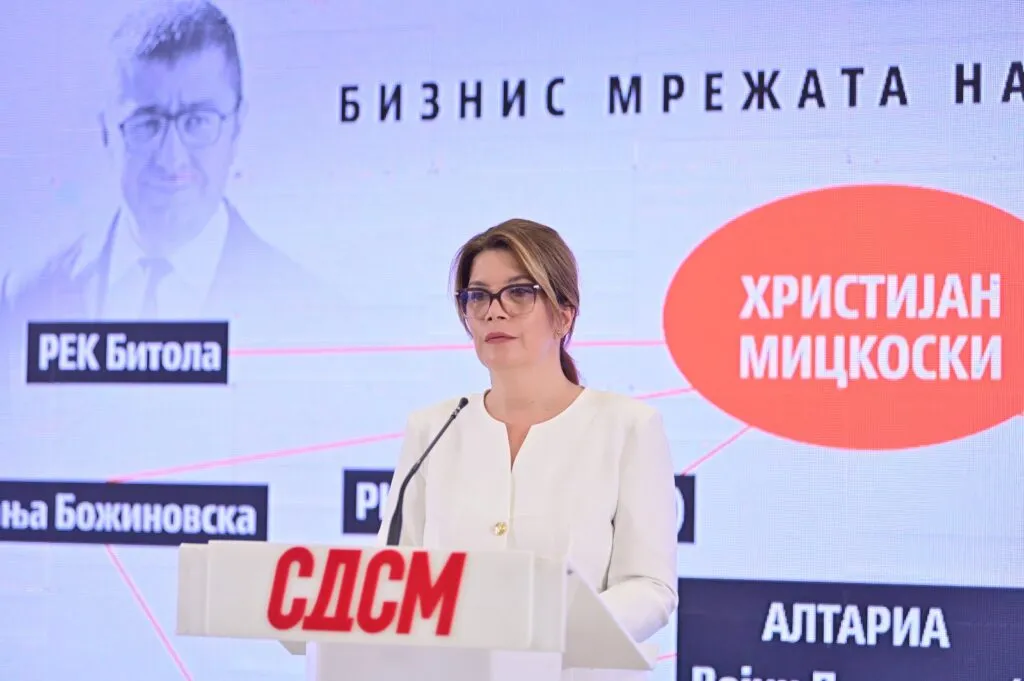
The opposition ties Serbia's METER&CONTROL to Rudnap Group and to Sanja Božinovska's past. The statement, however, came with no document...
QR codes, certificates of origin and a public register are promised by the end of October. There is still no...
This site uses cookies - is that okay? Learn more
Be the first to know when Metla launches something new
Leave your email and we will write when there is a new guide or something new on Metla.